No Place Like Home
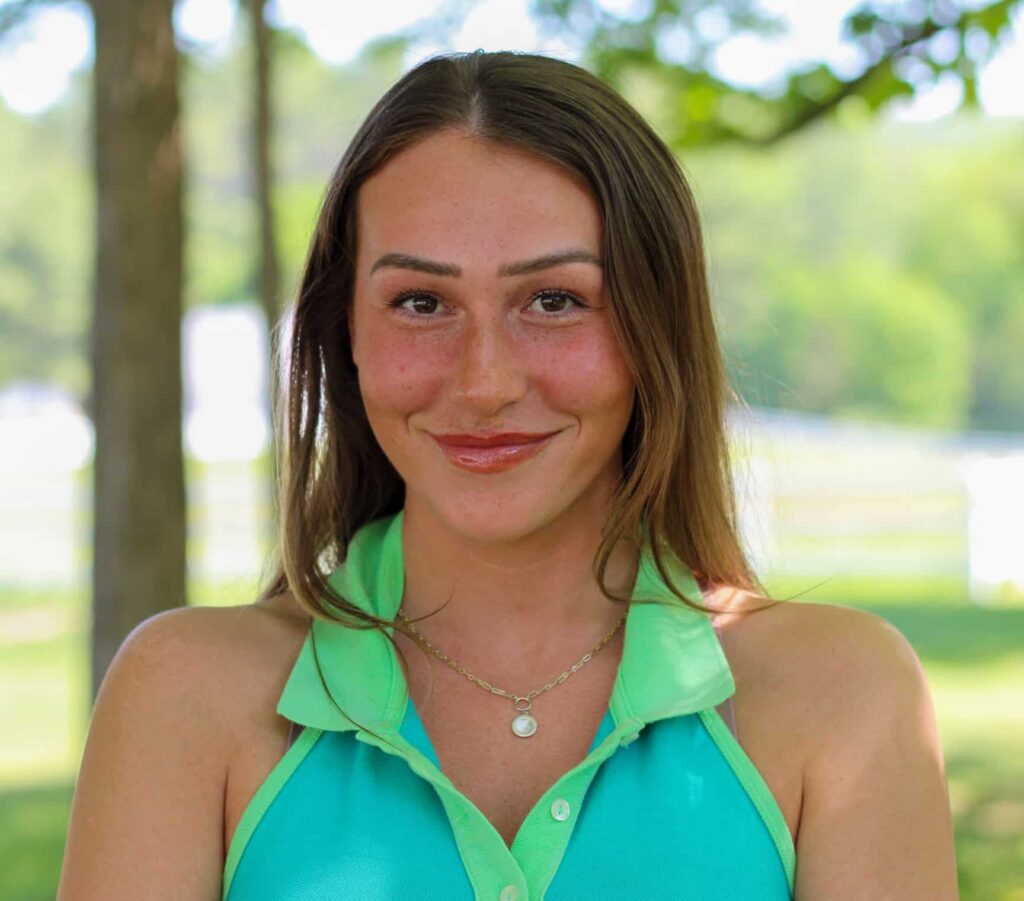
At Mountain Valley, residential counselors are immersed in the life of milieu, serving as safe, reliable figures for our residents as they navigate each day of programming. Kate Sheldrick brings a calming presence and years of experience to the team, and she brings plenty of local knowledge as an Upper Valley native. After considering careers in education and nursing, Kate’s currently focused on pursuing a degree in mental health and finds joy in helping residents on their journeys.
Tell us about your background?
“I’m from Quechee, Vermont and grew up in the area. I did leave the Upper Valley for a bit to do van life in Hawaii with my partner at the time. It was cool short-term to experience the culture, but I came back after a few months.
My mom had an at-home daycare, so I’ve been around kids my whole life. When I came back home, I worked at another daycare and started to do some early childhood education courses at a local community college. Then COVID happened and I’d decided to pursue pre-requisites for a nursing degree. I needed a job while I did that, so I applied as an overnight residential counselor at Mountain Valley.”
What made you decide to stay at Mountain Valley?
“I ended up learning a lot about my own mental health in the process of working overnights. It made me realize that nursing wasn’t where I wanted to go exactly. The mental health field piqued my interest. I’m not great at choosing a career path, but I’m definitely focused on a something in psychology or social work—continuing to give back to my community.”
What does a typical day look like for you?
“I help facilitate club time, and we try to get the residents’ input on what type of clubs they like so they can look forward to it. We offer everything from slime club, to craft club, to improv. The most popular club is board game club, and I think games are great for starting interactions. It’s one of the easiest ways to break the ice with a new resident or people sitting outside the group. Residents get really into it and it’s fun to be competitive in a healthy sense. My favorites are Scattegories and Bananagrams.
I also facilitate stewardship, which could be working on the farm, in the kitchen, or organizing the common areas. I’ll eat dinner with the residents and make sure they’re on top of their laundry and medications. Before bed they have free time, and that’s when I really connect with residents on the mental health side. I get their objectives and help them process the day—it can be tough, so I want to support them.”
What’s the most rewarding part of the job for you?
“I love the residents and seeing them grow in their mental health and as a person, hearing their stories and opinions, and learning their different ways of life. It’s very fulfilling when one of the kids just tells you how much you’ve been able to help them, even if you feel like you’ve not necessarily succeeded in every way.”
What’s your perspective on the Upper Valley as a local?
“I always get the question of why I’m still here, and I enjoy that it’s a safe, family type environment. Most of our kids come from a cities or more populated areas, so I get to offer an insight that there isn’t always stuff to do and boredom is okay. Plus, I’ve got all the restaurants and activities covered for the local visits.”
What do you like to do for fun when you’re not working?
“I like warmer weather, and in the summer, I like to paddle board in the local lakes or ponds with my pug. Either I’m doing that or hiking. I also like to try new food places outside the area, and I like art. I enjoy crafting, painting, and drawing, so it’s fun to be able to do that with the residents in our clubs.”
What would you say to someone who feels uncertain about joining Mountain Valley?
“I would tell them that it doesn’t hurt to try, and I would remind them that this is something a lot of new residents go through. I can try and be there and process and coach them through it. The people here are supportive and understanding. They’ve been through this already, so I would encourage them to lean on their peers and remind them that they are in a safe space to figure it out. It doesn’t have to feel like the right decision right now.”