
MOVING MOUNTAINS

Resources

Just Keep Writing

 Trigger Warning: This post is a personal story and contains discussion of suicide, grief, and loss. Some readers may find parts of this story emotionally difficult. Please read gently and step away if you need to.

If you or someone you know is struggling or in crisis, call or text 988 to reach the Suicide & Crisis Lifeline. Support is available 24/7.

It was May 26, 2017, and I was home for Memorial Day weekend on a much-needed long break from graduate school. As was typical when I came home, I was working on plans to see my high school friends.

I come from a small town in Massachusetts with a very tight-knit community. I know that for many people, high school friendships can fade over the years, but in our town, and in my friend group, it is common for those relationships to last a lifetime. Even when long gaps of time pass between seeing one another, once we are reunited, it feels as if nothing has changed.

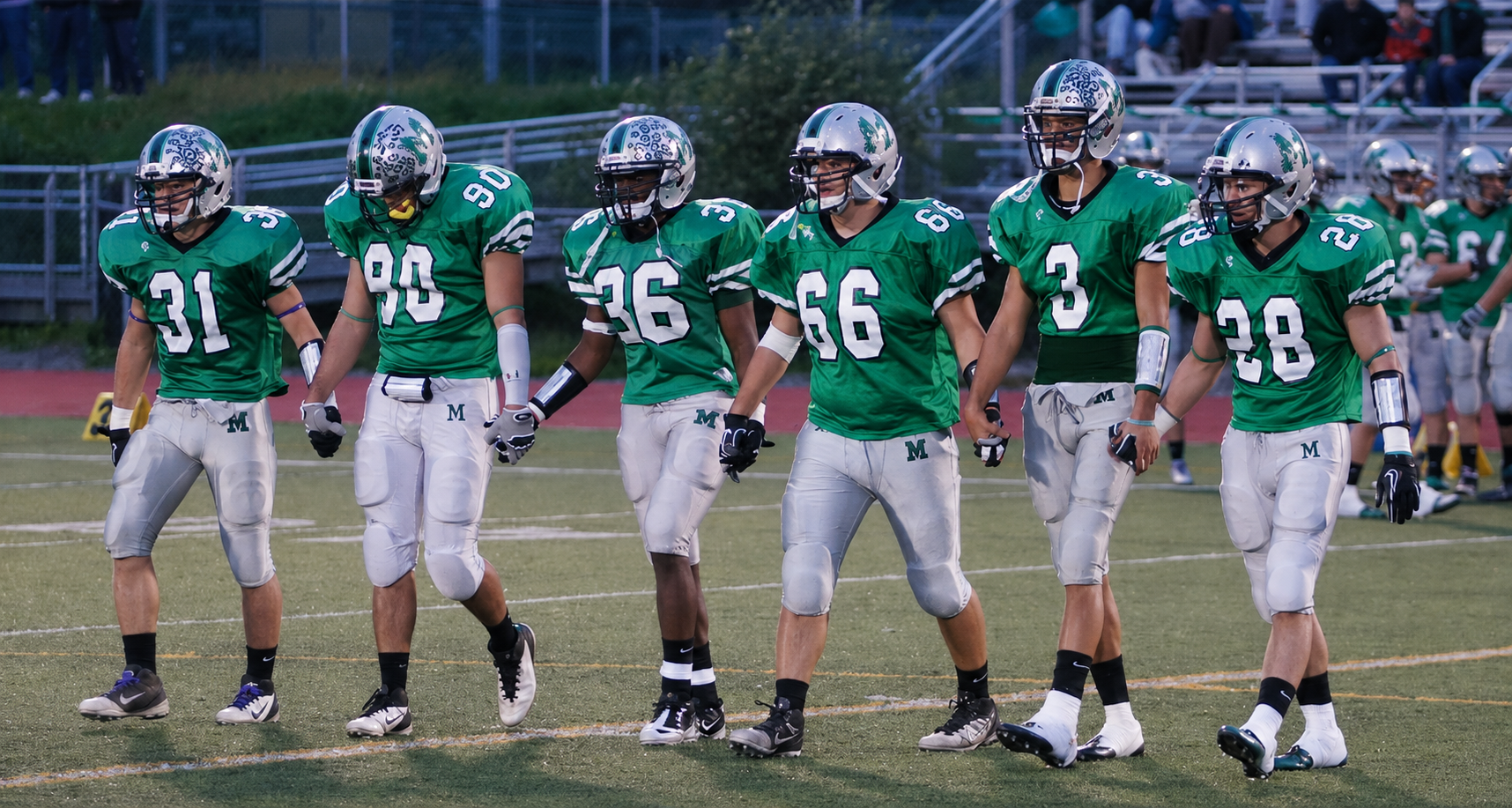
My friends and I were particularly close. We had all played football together at our local high school. Our football program was, and still is, one of the best public school programs in Massachusetts. I do not share that to brag. I share it because it gives context to the experiences we shared together and to the foundation of what became an unbreakable bond.

Weightlifting sessions at six o’clock in the morning. Long conditioning sessions in the hot summer sun. Sleepaway camp in the hills of the Berkshire Mountains. And, fortunately for us, many Friday night wins, league championships, and a coveted state championship victory.

Through the hard work, the wins, and the losses, whether we knew it at the time or not, we were developing a deep emotional connection with one another. We supported each other at our lowest, celebrated each other at our highest, and, above all else, believed in one another and stood behind one another no matter what the game, or life, threw at us.

That bond, built by pushing ourselves to our limits alongside one another and in service of something bigger than ourselves, became the foundation for friendships that would last a lifetime. So anytime I was home, one of the first things I tried to schedule was time with my friends.

Although we were all deeply committed to one another, as with most busy young men in their twenties, it was hard to get our schedules aligned. I remember trying to organize dinner plans in our group chat. Some of us were available, some were not, and some were not responding.

One of my friends was especially insistent that we meet up that night. I remember thinking, “Wouldn’t it be better to wait until we can all get together?” But he said he was going to the local Irish pub in the center of town with his girlfriend, and he expected us to meet them there.

Although I was not sure if my other friends would make it, I hopped in my car and headed downtown.

I remember arriving at the restaurant and seeing him and his girlfriend sitting closely next to one another in a booth. They were chatting, laughing, and my friend was shining that big, doofy grin everyone knew him by. I sat down with the two of them, and for a little while, it was just the three of us.

At the time, I remember my mind drifting, wondering if any of my other buddies were going to show up. But looking back on it now, given how this story plays out, I will always be grateful for those first 30 minutes of that night when it was just me, my buddy, and his girlfriend.

Eventually, another friend from our group showed up. We hung out, ate some food, had a few drinks, and caught up. My friend and I made plans to go to the gym together in the morning. Even after all those years, we still had the itch to get together and push ourselves physically, and we still got the best out of ourselves when we did it together.

We left the pub, gave each other a big hug, said “I love you,” which was a common practice in our friend group, and said, “I’ll see you in the morning.”

On the morning of May 27, 2017, I woke up early, gathered my stuff for the gym, hopped in my car, and headed out. I arrived on time, but my friend was not there yet. I did not think twice about it. He was not exactly Mr. Punctuality. So I did what I usually did: started stretching and warming up while keeping a close eye on the door and waiting for him to arrive.

As I was lunging around the gym with my big overhead Beats headphones blaring, my phone began to ring. It was another friend from our group. At that point, I was pretty locked in and focused on my workout, and as far as I knew, this friend was not planning to join us, so I clicked ignore.

The phone rang again.

Two calls in a row was unusual. Something was up.

I remember answering the call with the sound still connected to my headphones through Bluetooth. My friend was screaming, and I could not make out the words. I think I said something like, “Okay, okay, slow down.” Eventually, through the crying and screams, I heard him say, “You need to meet me at [our friend’s] house right now.”

I did not think twice. I hung up the phone, grabbed my belongings, and hopped in my car. I remember speeding out of the parking lot and running a few red lights, my mind focused only on getting there as fast as possible.

My friends were in trouble and needed my help.

While driving, I called my mom from the car. I told her I had received a distressing call from a friend, that I was headed over to meet them at my other friend’s house, and that I was not sure what was going on or when I would be home. At the time, one of our friends, the friend whose house I was driving toward, had a couple of health issues going on, and I was worried something had happened to him.

When I arrived at my friend’s house, I pulled down the long driveway and saw him and his mom standing in the front yard. At first, I felt relief. As I mentioned, this was the friend who had some health issues, and to see him upright and seemingly okay put me at ease.

I got out of my car and immediately asked, “Hey man, what’s going on?”

He did not know. He told me he had also received a distressing call from our friend but did not know what had happened.

Moments later, the friend who had called us came barreling down the driveway in his car. He got out, fell to his knees, and said, “[Our friend] is dead.”

I remember denial sweeping through me faster than a lightning bolt.

What? No way. That can’t be. We were just with him last night. He was going to meet me at the gym this morning. This has to be misinformation.

But my friend in front of me was clearly distraught and in a tremendous amount of pain. We hugged him and listened. Once he calmed down enough to talk, we began asking questions.

And then he said it.

“He killed himself last night.”

Then, silence.

My other friend and I paused and looked at each other. There was something about what he said that shifted us from questioning the news to reckoning with it.

Still, we kept asking questions. Despite the pain and conviction in his voice, it was still difficult to believe. But slowly, the gravity of the situation began to weigh in.

We decided that the three of us would drive over to our friend’s house to check in. It almost felt like we had to see it for ourselves.

I remember the three of us packing into my friend’s little sedan. We pulled out of the driveway, and when we got about a mile down the road, it really started to hit me. I felt anger and rage surge through my body. Through tears and a hoarse yell, I said to my friends in the car, “Don’t ever do this. If you ever need anything, just call. Okay? Just call.” My friends just continued to shed tears of their own.

Our friend who had passed away lived only a few miles up the road, and before we knew it, we were pulling into the driveway. There were more cars than usual, and one of his sisters was on the front porch talking to someone. We parked, opened the door, and slowly started approaching the house. His sister saw us, began crying, and came over to greet us with a hug.

It was real.

It had happened.

My friend, who had been smiling, laughing, and hugging me less than 12 hours earlier, was gone. He had taken his own life.

As I sit here and write this on May 26, 2026, nine years after my buddy’s passing, I am putting written words to the memory of this day for the first time. Each year, when this anniversary comes up, I try to lean into the emotion that this day holds and do something in his memory to make meaning of his passing.

In past years, I have typically gone out into the woods to reflect and be close to my friend. Solitude in nature is where I feel closest to his presence. In addition to that, I will usually post something on social media as a gentle reminder of a great life that was lived, the great loss we experienced, and what we can all do each day to honor that loss by living our own lives more fully.

Although I still plan to go outside and be with him over the course of the next day, this year I thought I would write a blog post and reflect on this event in my life, the lessons I learned, and how I see those lessons overlapping with some of the work we do here at Mountain Valley.

Fear

At the time, I do not think I would have ever looked at this event, my own experience, or the presumed experience of my friend through the lens of fear and anxiety. Now, from where I stand, I cannot help but see it that way.

There was fear he must have been feeling. Although we will never know for sure what he was experiencing, he was clearly struggling on a deep level and felt like he could not let anyone know. His best friends did not know. His girlfriend did not know. His family did not know.

For years, I struggled with ruminating over what my friends and I could have done differently to make him feel more comfortable coming forward. Was it our “macho bro” culture that kept him from feeling like he could be vulnerable? Did we make jokes or comments at times that made him think it was unsafe to share these things?

Having worked in the mental health field now for almost a decade, I have come to accept that while there may always be things we wish we had seen or done differently, we cannot fully know or control the fear, pain, or inner world another person is carrying.

Every day, I work with young people who are deeply afraid of what others think of them, even while surrounded by people who love, support, and accept them. That does not mean their environment does not matter. It does. The people around us can provide safety, reassurance, compassion, and support. But fear often lives beneath the surface, rooted in the private places of our minds, in the stories we tell ourselves about who we are, whether we are enough, and whether we are safe to be truly known.

Others can help create the conditions for healing, but they cannot do the healing for us. At some point, each of us has to begin bringing those fears into the light.

I also think about the fear my friends and I faced that day. I think about our decision to hop in the car and drive over to our friend’s family’s house, knowing that some tragedy may have just taken place. We did not blink. We did not think twice. It is incredible how brave we can be in the face of uncertainty when it involves something, or someone, we deeply value.

Lastly, I think about the subsequent fear that I, and many of us who went through that experience, have lived with since that day.

For me, it was my first time really confronting death. I had lost people I knew, but no one I was that close with. It was the first time I was forced to come to grips with my own mortality and the mortality of the people I love.

Although that may sound morbid, it has also been one of the most tremendous gifts I have ever been given. Because if you lean into fear far enough, you may find yourself standing in love and gratitude.

I am afraid of losing my life. I am afraid of losing those close to me. And because of that, I take more time to appreciate the subtle beauties of the people, places, and things that make up my day-to-day life.

This was the first time I realized that fear, although unpleasant to feel and often unruly in the mind, can also be a catalyst for recognizing and reveling in what matters most. And in many ways, that connection between fear, values, and meaningful living is at the heart of the work we do at Mountain Valley.

Making Meaning of Struggle

The idea that fear can help us identify and lean into our values is connected to something bigger, something we see every day at Mountain Valley: life’s hardest moments can sometimes become part of life’s most meaningful growth.

In the moment of struggle, no one wants to hear that one day this pain may become the start of something beautiful. In fact, when others try to point that out too soon, it can feel obnoxious, dismissive, and out of touch.

But with time, space, and deep reflection, we may begin to see how pain can shape us in meaningful ways.

None of that makes the loss easier, and none of it makes his death make sense. But losing my friend in this way became part of what ignited my passion for entering the mental health field. That passion led me to take a job at a psychiatric hospital during the end of my graduate school years. It was during that job that I came across the Occupational Therapy Mental Health Fellowship program at the University of North Carolina. At UNC, I trained alongside some of the best mental health occupational therapists in the country, and I met a beautiful young colleague who I am now lucky enough to call my wife.

My work at UNC inspired me to seek out more holistic, nature-based settings for healing, which eventually led me to Mountain Valley.

And now, as I sit here typing these words, I have an incredible job at a tremendous institution, a beautiful wife, two loving kids, and a home in the forests of Vermont.

Do I wish my friend were still alive? Do I wish he had been at my wedding? Do I wish my kids had one more “uncle” who would have loved them more than anything?

Of course I do.

But I can honestly say that I do not know where I would be, or what I would be doing, if this event had never happened in my life.

All this to say: we never know the ripple effects that a moment of struggle and immense pain may have down the line. It is hard to judge the meaning of a chapter when you are deep in the throes of the events unfolding within it.

But if you keep reading, and the story continues to play itself out, you may be surprised by the meaningful role that chapter played in the arc of the story. You may be surprised by the role that chapter played in the development of the main character. And maybe, just maybe, you may look back on that dark chapter with more appreciation for the role it played in getting the story to where it is now.

For our youth and families at Mountain Valley, many are deep in the chapter of struggle.

And for many of you reading this, you may be too.

But as we close out May, Mental Health Awareness Month, I encourage everyone to keep doing one thing:

Pick up the pen of your life and just keep writing.

You never know where the story may lead.

MOVING MOUNTAINS

Resources

Staff Spotlight: Cody Nance

Engaging Sincerely With The World

Cody Nance serves as residential supervisor on the day shift. Whether he’s having a long conversation with a resident or cuddling one of the resident farm animals, Cody brings a connected presence that adds genuine warmth to the Mountain Valley environment. Cody has worked at Mountain Valley for four years but originally lived a long way from New Hampshire. Fortunately, he found his way to New England for a job that he calls “the best thing I’ve ever done.”

Tell us about your background?

“I’m from Fort Worth, Texas. I started college hoping to get a degree in journalism so I could be a movie critic, but that didn’t quite pan out. I ended up getting a degree in general studies and bounced around after that doing a lot of things.

I was access services supervisor for a college library in Florida. I was a security guard for a zoo and two hospitals. I’ve trained dogs, and I guess the most pertinent job experience was working as a CPS case worker. It gave me a lot of experience prioritizing what matters when you deal with a person. I had done a lot of very public facing customer service type stuff that allowed me to interact with strangers. Working in child protective services allowed me to fine tune those skills. I always endeavor to help people feel if they’ve been engaged with sincerely.

We moved to New England when my wife ended up getting a job at Dartmouth in human resources at the library. I was looking for a job on Indeed and Mountain Valley popped up. I saw I could work with animals and young people and I was sold—it’s been four years since then.”

Cody Nance

What does a typical day look like for you?

“I come in and touch base with the rest of the day shift staff. I’ve generally already made the schedule for the day, but I fine tune it with what I see on the calendar that day and run it by clinicians. I help stewardship get underway and sometimes I am in stewardship. If we have an intake coming, I will help prepare the materials necessary, or if a resident’s graduating, I help get the materials for them to leave.

After stewardship I feel like I can be anywhere doing anything. I try to be kind of a glue person and bridge gapes wherever I can and whenever I’m able.”

What’s the most challenging and most rewarding part of your work?

“Most challenging is knowing when to step back. Anyone here could tell you that I struggle to tell the difference between reassurance and general sharing of positive information. I tend to be a little too helpful in that regard.

The most rewarding is getting to play any part in the journeys of the residents here and help them in any way I can. It’s enormously rewarding to be a stable and consistent part of their lives. Just getting to know them, spend time with them, and be of assistance to them. It’s one of my favorite things that I’ve ever done.”

Do you have a specific memory of working with a resident?

“Not so long ago we had a resident who tended to get stuck and would spend a lot of time in their bathroom. This came at a time when I was able to step away from things that I was usually doing and embrace other responsibilities. I wound up with more time than I’d had in the past.

I found myself in their room very frequently, lying on the ground, kind of speaking into the crack under the bathroom door so they could hear me. We’d talk for long periods of time and try to go through their process. In that very delicate and private setting, they trusted me enough to really let me in. They did end up graduating, and I definitely lost it on their grad day.

That is very much the kind of experience that makes Mountain Valley the only place I have ever enjoyed working. It’s easily the best thing I’ve ever done.”

You’re a big animal lover and frequently interacting with the farm animals. What draws you to animals specifically?

“The relationship I have with animals is the foundation for the positive relationship I have with myself. The love that I have had for animals, spending time nurturing them, that has allowed me to extend myself to others. I’ve had dogs all my life and even had a pet pig at one point. I’m only able to show up for residents the way that I am because I have spent so long with animals.

I think there’s so much connective tissue between the oxen, for example, and the residents. I feel we have so much more in common than we have different. I’m not really a spiritual person, but I feel we are all kind of one.”

You originally wanted to be a movie critic. What’s your favorite movie?

“It would have to be the third Exorcist movie. I’ve gone through so much of my life not knowing what I wanted to do with myself, feeling listless and useless. The Exorcist movies are really about the value and blessing of clarity of purpose—knowing what is valuable and what is worth your time and efforts. It has meant increasingly more to me as the years have gone by.”

MOVING MOUNTAINS

Resources

Why Summer Can Be the Worst Time to “Wait and See” About Anxiety

For many families, summer feels like a long exhale.

The school refusal eases. Morning battles disappear. Stomachaches fade. Panic lessens. Kids laugh more. The house becomes calmer. After a brutal school year filled with anxiety, avoidance, conflict, and emotional exhaustion, parents often feel like they finally have their child back.

Naturally, many families begin asking the same question:
Maybe things are getting better?

And sometimes they are.

But often, what looks like recovery is actually something very different.

Anxiety disorders frequently appear to improve during the summer not because the anxiety itself has healed, but because many of the triggers that activate the anxiety are temporarily gone. School pressures disappear. Performance demands lessen. Social evaluation decreases. Structure relaxes. Fear-producing situations become easier to avoid.

The nervous system settles because the child is no longer confronting what feels threatening. That relief is real. But relief is not always the same thing as recovery.

This is one of the reasons summer can become such a dangerous time to adopt a “wait and see” approach toward treatment.

The Illusion of Improvement

Anxiety is deeply contextual.

A child who is overwhelmed during the school year may look dramatically different in July than they did in March. Parents often see meaningful changes:

– less irritability,
– fewer meltdowns,
– more laughter,
– improved sleep,
– reduced conflict,
– and fewer visible symptoms.

The temptation is to conclude that the anxiety itself is resolving.

But if the improvement depends entirely on the removal of demands, the stability may be far more fragile than it appears. If a child only feels okay when they do not have to attend school, socialize, tolerate uncertainty, complete work, navigate peer relationships, or face evaluation, then the underlying anxiety has often not been addressed. The feared situations have simply been removed from the equation.

This is important because avoidance works incredibly well in the short term. That is precisely why anxiety disorders become so powerful.

When avoidance reduces distress, the brain learns:
“This is how I stay safe.”

Over time, the vicious circle strengthens. Relief reinforces retreat, and retreat reinforces fear. Meanwhile, families understandably mistake the absence of crisis for genuine healing.

Summer Avoidance Often Looks “Normal”

One of the reasons this dynamic is so difficult to recognize is that summer avoidance rarely looks as alarming as school-year avoidance.

During the academic year, anxiety becomes visible quickly because school forces engagement. Kids must wake up, leave the house, tolerate structure, interact socially, perform academically, and face discomfort repeatedly.

In the summer, however, life often becomes flexible enough to accommodate anxiety almost invisibly.

A teenager isolates in their room most of the day, but “they’re decompressing after a stressful year.”

A child avoids social situations, but “summer schedules are inconsistent anyway.”

Sleep patterns completely reverse, but “it’s summer vacation.”

An adolescent refuses camps, jobs, sports, or travel, but “they just need a break.”

Parents often feel relieved simply because the intensity of the suffering has decreased. After months of chaos, many families desperately want peace, connection, and a normal summer together. That desire is understandable.

But anxiety disorders do not typically heal through retreat from life. More often, they grow quietly inside shrinking worlds. And the shrinking can happen slowly enough that everyone adapts to it.

Over time, the family’s definition of “doing okay” can quietly shift downward. A child who once played sports, saw friends regularly, traveled easily, and participated fully in school may now spend most of the day isolated at home, yet everyone feels grateful simply because there are fewer visible meltdowns or battles.

That is part of what makes anxiety disorders so deceptive. Life can become progressively smaller while the home temporarily feels calmer.

When “Here We Go Again” Sets In

One of the most damaging aspects of delaying treatment is that anxiety rarely returns in the fall as a completely fresh experience. Kids remember.

They remember the panic from the previous school year. They remember the dread on Sunday nights, the stomachaches in the parking lot, the exhaustion of white-knuckling through classes, the embarrassment of falling behind, the social fears, the nurse visits, the incomplete work, the tears, the shutdowns, and the feeling of watching everyone else move through life more easily than they can.

So when school starts back up and the anxiety returns, it often doesn’t just reactivate fear. It shakes confidence.

Many kids enter the fall thinking:

– “Here we go again.”
– “I thought I was better.”
– “Why does this keep happening to me?”
– “Maybe I’m never actually going to get better.”

That hopelessness matters.

Over time, untreated anxiety can begin reshaping the way a child sees themselves. The issue stops feeling like “I’m struggling with anxiety” and starts becoming “this is just who I am.” Kids begin organizing their identity around fragility, limitation, and avoidance.

The fear becomes larger not only because the triggers return, but because the child now expects failure before the year even begins. Anticipatory anxiety starts earlier. The dread becomes more rehearsed. The return to school begins feeling less like a challenge and more like confirmation of a feared identity.

And each cycle can deepen the problem.

Every time anxiety disappears only because demands are removed, the brain learns the same lesson again:
“I can only feel okay when I escape.”

That makes the return to school feel more threatening each year. The contrast between the safety of avoidance and the demands of real life becomes sharper. Confidence erodes further. Avoidance patterns become more automatic and ingrained.

This is one of the reasons anxiety can become harder to treat over time if left unaddressed. Not because children are incapable of getting better, but because the anxiety becomes increasingly woven into routines, expectations, identity, and daily functioning.

The longer the pattern repeats, the more life can begin organizing itself around fear.

Why Summer Can Actually Be the Best Time for Treatment

Ironically, many of the reasons families avoid treatment during the summer are the exact reasons summer can be one of the most effective times to intervene.

Without the constant pressure of school, kids often have more emotional bandwidth to engage meaningfully in treatment. Families are less reactive. Schedules are more flexible. There is more space for reflection, skill-building, exposure work, family work, and behavioral change before another academic year begins.

Rather than spending the entire summer recovering from anxiety, families can use the summer to prepare for life beyond it.

That does not mean children should lose opportunities for rest, fun, friendships, travel, or downtime. Those things matter tremendously. Kids need play, connection, leisure, and recovery.

But there is an important difference between restoration and avoidance.

The goal of treatment is not to eliminate discomfort from a child’s life. The goal is to help children build the confidence and flexibility to tolerate discomfort without retreating from life itself.

Summer can provide a uniquely valuable runway for that work.

Instead of entering the fall already defeated and overwhelmed, children can begin developing:

– healthier routines,
– increased distress tolerance,
– more confidence facing feared situations,
– improved emotional regulation,
– stronger social engagement,
– greater independence,
– and a growing belief that anxiety does not have to control their lives.

Thinking Beyond the Next Semester

One of the hardest parts of parenting an anxious child is resisting the understandable desire for immediate relief.

Of course parents want peace after a difficult year. Of course they want their child to relax, smile, and enjoy summer. Of course they want to believe things are finally getting better.

But anxiety disorders often require families to think beyond the emotional weather of the moment.

The real question is not:
“Does my child seem calmer right now?”

The real question is:
“Is my child building a life organized around engagement or around avoidance?”

Because anxiety almost always encourages the second path.

Children do not become resilient by never feeling anxious. They become resilient by learning they can face anxiety without surrendering their lives to it. Confidence usually comes afterward — after tolerating discomfort, after facing feared situations repeatedly, after discovering they are more capable than the anxiety tells them they are.

That process rarely happens accidentally.

Moving Toward Fall with Intention

Summer can create the illusion that anxiety has disappeared when it has simply gone dormant. The absence of school demands often lowers distress enough that families understandably hope the problem has resolved itself.

Sometimes it has.

But when anxiety has already begun interfering with school attendance, friendships, independence, family functioning, emotional regulation, or participation in life, waiting passively for it to heal on its own can allow the problem to become more deeply rooted.

Anxiety disorders generally do not improve through avoidance and time alone.

More often, they improve when children gradually learn that discomfort is survivable, that fear does not need to dictate behavior, and that they are capable of engaging with life even when anxiety is present.

The goal is not simply to help kids survive another school year.

The goal is to help them reclaim the parts of life anxiety has slowly convinced them to abandon.

MOVING MOUNTAINS

Resources

Alumni Spotlight: Izzy Witkos

Izzy Witkos didn’t have a normal childhood. At 10 years old, she struggled with anxiety, depression, and obsessive-compulsive disorder, and doctors diagnosed her with PANS/PANDAS. The condition stems from the body’s response to infection and causes the sudden onset of psychological and neurological symptoms.

As a result, she traded the classroom for doctor’s visits while her family sought appropriate care. She worked to manage her complex symptoms, which also included an eating disorder, while trying to make it through high school. Something flipped the summer before her senior year, and Witkos decided she’d either end her life or get help at Mountain Valley. Fortunately, she chose MV and quickly realized it was the one of the best decisions of her life. We caught up with the 2017 graduate at her home in Southern California, where she’s working to become a board-certified lactation consultant.

Tell us about your background and how you came to Mountain Valley?Izzy Witkos

“I grew up in Massachusetts and struggled with many different things, including being sick with PANDAS/PANS and Lyme disease. There were a lot of different factors going on.

I switched to a Montessori school in sixth grade for more support, and I was missing a lot of school for hospital and doctor visits. I ended up at an academy for high school, but I was still really sick, physically and mentally. I toured Mountain Valley for the first time in February 2017, and I did not want to go. I had severe separation anxiety and the thought of being away from my parents was really anxiety provoking.

I was too scared to commit, but then I had a really hard summer going into my senior year of high school. I was at an outpatient facility every day and it was not going well. I remember I had this thought one evening that I’d either kill myself, or go to bed, wake up, and go to Mountain Valley.

I went downstairs and told my mom I was going to go. They called, and a week later we were driving up together.”

What was your Mountain Valley experience like?

“It was emotional and surreal. For years I’d been in outpatient programs and by the time I arrived, I was physically healthier, but the mental part was difficult. The first 24 hours didn’t seem real. After a week I thought ‘This was one of the best decisions I’ve ever made in my life.’

When I was younger it felt like everyone told me what to do, and for the first time I took initiative for my own mental health. I was so determined. They told me the average stay was 90 days, and I knew I’d graduate sooner—I knew what I needed to work on and I was ready.

I journaled every single day I was there. I had the idea to draw a triangle on my hand every day, with one side representing the physical, the second emotional, and the third spiritual strength. It was so meaningful to me that I had it tattooed on my hand later.

The residential staff were such an amazing part of my experience, I cannot speak more highly of them, and I still remember some of their names and nicknames. Every single person was amazing and so willing to listen, and that was all I needed sometimes. It’s a hard job but a wonderful job.

I think so highly of Don Vardell, and I still have the shirt he gave me at graduation. It’s my prized possession. I feel overwhelming gratitude and joy when I look back. I have nothing bad to say about the experience. It’s so ironic to think that about a treatment center, but I knew I needed to do something, and it gave me the skills I needed. Every time someone asks me what helped the most, I tell them Mountain Valley.”

Do you have any favorite memories from your time at MV?

“I was a big runner and loved to run, but I’d struggled with an eating disorder and OCD around exercise. The first week I was there, I wasn’t allowed to work out, so I learned to have rest days. My exercise addiction went out the window. Once I got the privilege back to run, I’d get up early with the walkie talky and feel so at peace. I knew the staff trusted me and it was teaching me to trust in myself. It was nice to have that solitude before I worked hard the rest of the day.”

What came next?

“I was able to attend Skidmore College and graduated on time with honors. I pursued a master’s degree in mental health and was close to completing it before I had a pivot. I decided that the decision was fueled by trauma and it was time to do something different.

Now I’m a birth doula and in a lactation program at UC San Diego. I want to become a board-certified lactation consultant and work in the medical field. It’s funny because I spent a lot of my childhood in hospitals, but I love it now—especially working with children and pregnant and postpartum women.

Mountain Valley taught me patience and compassion for myself. I don’t have to have everything figured out. I learned that pain was temporary and my anxiety was about control. I learned a lot of patience in the process and trusting that things would work out.”

What do you hope your future looks like?

“I just hope it’s peaceful. I want to have a peaceful life and help people. Today I’m in a very loving and supportive partnership, and I live on my own, which I never thought I’d want to do. I’m also the closest I’ve ever been with my parents and family.

Now that I’m 26, when I say I want peace I mean it, and I don’t want things that won’t bring me peace. Mountain Valley was the first sliver of peace I’ve had in my life and that’s only expanded.”

MOVING MOUNTAINS

Resources

Staff Spotlight: Dara Spezial

The Incredible Brain 

A relatively new addition to the Mountain Valley Team, Dara Spezial, MS, OTR/L, serves as milieu clinician. She uses her extensive background as an occupational therapist to help residents rebuild routines, strengthen self-efficacy, and reconnect with the activities that bring purpose and grounding. The Massachusetts College for Pharmacy and Health Science recently recognized Dara’s passion for teaching with the Outstanding Fieldwork Educator Award, honoring her for work with students at local colleges in New Hampshire and Massachusetts. We caught up with Dara to learn more about her work on Mountain Valley’s growing OT team.

Tell us about your background?

“I knew I wanted to be an occupational therapist pretty early on. I actually did OT myself as a kid because I had a really hard time learning to walk and talk. It was kind of a passion by proxy, learning so much early on in my youth. I ended up at Ithaca College in New York and met Camille Wrege, who was in my same year. She’s my best friend and was my maid of honor at my wedding. We both fell in love with mental health and had a passion for it. We ran a mindfulness club in college which was great, but I didn’t know how to integrate OT into mental health as a career. It was always in the back of my brain.

I ended up working in geriatrics and the work is very fast, which is awesome. For the past six or seven years I’ve been in nursing homes and hospitals, assisted living facilities and homes, doing home care, inpatient, and outpatient work. It’s been fortunate that my employers have seen my passion for the field and they’ve expanded my job opportunities to include fieldwork education with students. I recently received the Outstanding Fieldwork Educator Award for my work with students at local colleges in New Hampshire and Massachusetts. I truly love teaching and educating about occupational therapy.”

Dara Spezial

How did you end up at Mountain Valley?

“I burned out at my previous job. It had massive productivity standards and was very focused on the bottom line. In June I quit and decided to look at what I could do next. I got my ergonomics certification and did some contracting on the side. My husband and I also bought a house after we fell in love with the Upper Valley.

I contacted Camille and said ‘Hey, I know you love your job. Is there any way I could come for a day and see what it’s all about?’ I got to come in and shadow and I fell fully in love with Mountain Valley. This is what I went to school for—this is why I want to be an OT. The team has been outstanding and allowed me to have incredible opportunities so quickly in my milieu clinician role. It’s a very special place where we can have freedom in our work.”

Tell us about how your work complements that of the other occupational therapists, Camille and Renee?

“It’s incredible that we have four occupational therapists, including executive director Zack Schafer, when it previously was just Camille and Zack. Camille was doing groups and individual sessions, and it was getting wild as the program expanded. She just needed a hand, so Renee came in and they realized that residents needed individual OT sessions every week. Therapy and OT complement each other so much.

At almost the same time, the former milieu support specialist Kelsey decided to leave for an incredible opportunity at the VA. Mountain Valley needed someone to lead groups, and I jumped in. They also needed someone in the milieu to help with those smaller OT things like if someone’s in actively in a compulsion, I can support them through an occupational therapy lens. I get to educate other residential staff and be that person a lot of the time to get everyone on the same page with what’s happening in our OT work.”

What’s your favorite part about working with the residents at Mountain Valley?

“Their brains are incredible. I’m also kind of a neuro nerd, and I would see a lot of neuro plasticity in the pediatric population I loved early on. When I was in the geriatric work, I had a lot of patients with dementia—that side is fascinating but it’s repetitive work with the same interventions, because the research shows that’s most effective.

Every day is so different here, I love that feeling of the unexpected. I can pivot when I’m working with residents. This worked yesterday but didn’t today. You can see the wheels turning and the light turn on in front of you. It’s incredible, and that feeling is why I got into the health profession. I love helping them grow and learn, and I get to facilitate that every day.”

Tell us about your work with OT modules?

“I lead three to four modules in a week, which often focus on exposures for our residents. For example, the other week we had two residents with contamination anxiety plunge their hands into the dirt while we planted seeds in a gardening module, and everyone was cheering. It was so cool to see them sit with the discomfort and actively do some response prevention while they also engaged with the earth.

With OT groups, I try to match the ERP schedule, but I put more of an OT spin on things. Yesterday residents learned about the four different communication styles, and we did a fun activity where we had them draw pictures on their partner’s backs. It’s nonverbal communication but you can still clearly communicate. The residents loved it and it spun off into a massive game of telephone.

On Friday I lead creative expression, which is really where I encourage them to find that flow state and enjoy some art. Make it free and find some joy while also maybe working on a contamination exposure around paint, for example.”

Where do you see yourself in five years?

“Definitely still at Mountain Valley. I would love to take on more leadership roles, whatever it looks like in the future. I can see where we’re headed and it’s such a beautiful picture—I want to be a part of it.”

What do you like to do for fun in your free time?

“My schedule is really nice because I work 7:30-3 pm, whereas at my previous job I was working 12-hour shifts. Now that my husband and I have a home, I get to garden and we’re revamping our backyard. We live right next to a lake, and we love kayaking in warmer weather. I’m also looking forward to checking out the local trails!”

MOVING MOUNTAINS

Resources

Staff Spotlight: Katharine Call

From Podiums to Psychology 

Clinician Katharine Call knows pressure. As a world-class athlete in cross country ski racing, she pushed herself to be the best and frequently came out on top. But that pressure kept her from living a balanced life, so she stepped down from the sport to focus on helping others. Now she uses her experience to help challenge and support her clients—and cheers on her Olympian brother as he continues Vermont’s dominance in the sport.

Tell us about your background?

“I grew up in southern Vermont in a town called Landgrove. It is very small—the population is less than 200. I was very focused on ski racing for most of my childhood and I went to Stratton Mountain Academy for high school. I ski raced in college and skied on the U.S. National Team for a bit.

I got into skiing because my dad did, but most people also skied in the area where I lived. Even my babysitter as a kid was on the U.S. National Team for cross country skiing.”

Katharine Skiing

 You won three national championships skiing at Dartmouth. What was the best part about that experience?

“I really enjoyed all the college racing. The collegiate circuit is the only one where you’re competing as a team and your scores are adding up so one team wins. It was so special to me, and the team of women I raced with in college was very healthy and supportive.

When I was competing, Dartmouth didn’t have a venue to host the national championships, so the University of Vermont hosted my sophomore year. So many people I knew were there cheering us on. It was great to be there with all the people I love and care about.

Dartmouth can’t give scholarships so we’re generally a bit of an underdog in athletics, compared to schools that can recruit with full-ride scholarships. We didn’t win the team championship, but we came close, and it was special to be working for a crazy huge goal.”

What did you consider for your career outside of ski racing?

“I liked racing and was good at it, but it isn’t a long-term career. I decided to attend Dartmouth and major in psychology. I liked a lot of the classes that were about inequity in the education system and specifically how financial status and poverty affect education and life outcomes.

I wanted to work one-on-one with people, specifically kids who needed it. I decided to go into social work and leave the door open to go into mental health or more of an advocacy space.”

How do you think your background as a high-level athlete helps you in the field of psychology?

“When I started learning more about therapeutic modalities like distress tolerance, it all felt obvious to me. Just doing the thing, basically, I could relate to that. As an athlete there’s a lot of in the moment pain for later gain. Like interval training for example, it’s putting your body in a distressing situation and learning to tolerate it. I think that mentality of working hard was helpful to me.

As an athlete, I also had challenges with anxiety. It was a constant thing where I loved ski racing, but anxiety sometimes got in the way of me enjoying it. I really related to Acceptance and Commitment Therapy (ACT) and the idea of making decisions based on what you value rather than what you’re scared of. I think that was the most important thing for me as I moved forward, really figuring out to prioritize how to make decisions based on what I cared about.

Ultimately that’s why I stopped ski racing. I realized to pursue that career, I had to live a pretty ‘me-centric’ life. It didn’t feel aligned with my values at the time. I wanted to learn and grow, as well as have my friends and family be my number one priority. Rather than worrying about missing training or worrying about getting sick, or whatever else.”

Katharine Call

How did you end up at Mountain Valley?

“I came to Mountain Valley literally the week after I got my master’s diploma from Columbia University. During grad school, I got experience working at a non-profit with people who have experienced domestic violence and sexual assault, in an advocate and crisis management role. I also worked at the VA in case management.

As school came to close, I was applying to every job I could find within reason. But I saw the clinician position at Mountain Valley, and it was immediately the one I wanted. I went on their website and saw everything that had possibly been a career interest of mine looped into one place. Adventure therapy, exposure response prevention, the adolescent population, it was so aligned with what I wanted to be doing. In fact, I thought the posting was a scam at first because it sounded so perfect, so I was surprised when Zack responded to me.

I do feel like Zack, Everett and the team took a pretty big chance on me since I didn’t have a lot of work history in mental health. But I think since Zack also completed at the collegiate level, he was able to see how some of my background would be uniquely beneficial in a way that I didn’t even see yet.”

Tell me about your work in Exposure-Response Prevention?

“With my personal experience doing ERP around my own anxiety, I have a lot of empathy for how difficult it is. I’m a strong believe in challenge by choice and I want to make sure the kids get to choose their exposures. It’s a highlight of my job.

One example that stands out is a client I had with severe contamination OCD. She was willing to do the exposures but would beat herself up after the fact. Like “Well if I was normal, this wouldn’t have even been an exposure.” She struggled to celebrate the fact that she was doing something hard.
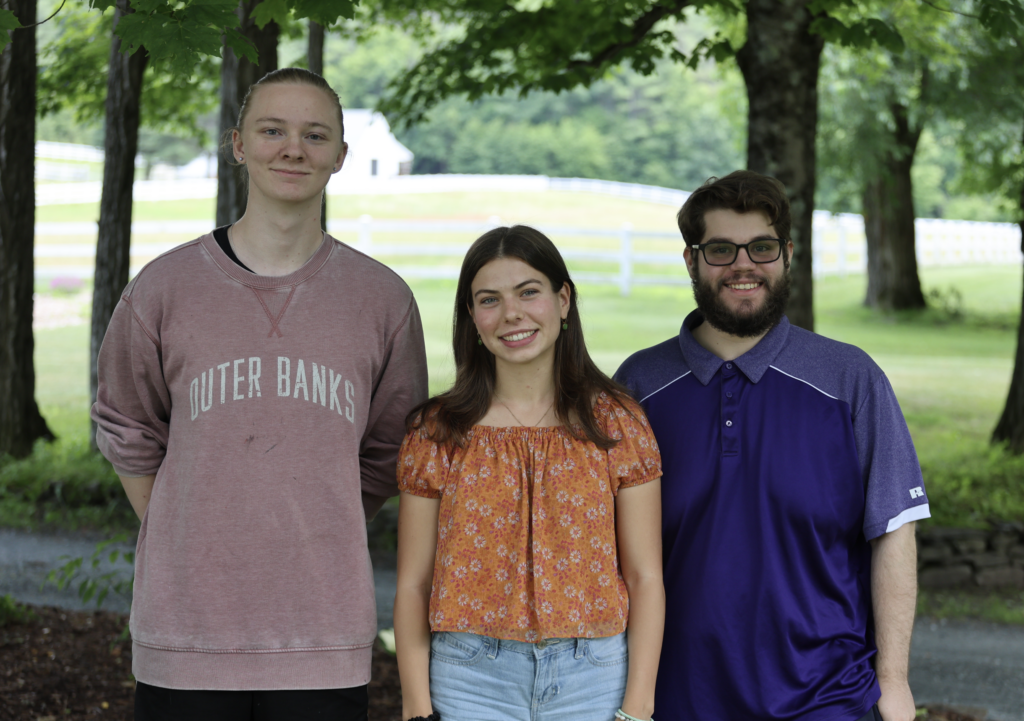
For her ordeal we decided on a series of three different very challenging OCD exposures. We had all the community come cheer her on, chanting her name and clapping. I was bumping music and playing “This Girl is On Fire.”

For her first exposure she picked a strawberry up off the tennis court and ate it. Then she threw away all her soap, hand sanitizer and Lysol wipes while everyone cheered goodbye. Finally, we rolled out the compost bin, and she plunged both hands into it!

It was iconic, everyone went wild. I was sobbing and it was such a memorable day.”

Back to skiing for one more question. Your brother, Ben Ogden, recently won two silver medals for Team USA at the Olympics. What has that experience been like for you?

“I’ve been so stoked. It’s been so fun to see. The coolest part about it, from my perspective, is that when I raced, I really struggled with balancing it and making it healthy. Ben has done that. He is the most selfless person I know, and he doesn’t compromise anything he cares about. I admire it so much.

He has so many people in his life that love him and he makes sure he makes time for all of them. To be able to ski at such a high level and not give up your life, it gives me goosebumps to even talk about.”

MOVING MOUNTAINS

Resources

Staff Spotlight: Kate Sheldrick

No Place Like Home 

At Mountain Valley, residential counselors are immersed in the life of milieu, serving as safe, reliable figures for our residents as they navigate each day of programming. Kate Sheldrick brings a calming presence and years of experience to the team, and she brings plenty of local knowledge as an Upper Valley native. After considering careers in education and nursing, Kate’s currently focused on pursuing a degree in mental health and finds joy in helping residents on their journeys.

Tell us about your background?

“I’m from Quechee, Vermont and grew up in the area. I did leave the Upper Valley for a bit to do van life in Hawaii with my partner at the time. It was cool short-term to experience the culture, but I came back after a few months.

My mom had an at-home daycare, so I’ve been around kids my whole life. When I came back home, I worked at another daycare and started to do some early childhood education courses at a local community college. Then COVID happened and I’d decided to pursue pre-requisites for a nursing degree. I needed a job while I did that, so I applied as an overnight residential counselor at Mountain Valley.”

What made you decide to stay at Mountain Valley?  

“I ended up learning a lot about my own mental health in the process of working overnights. It made me realize that nursing wasn’t where I wanted to go exactly. The mental health field piqued my interest. I’m not great at choosing a career path, but I’m definitely focused on a something in psychology or social work—continuing to give back to my community.”

What does a typical day look like for you?

“I help facilitate club time, and we try to get the residents’ input on what type of clubs they like so they can look forward to it. We offer everything from slime club, to craft club, to improv. The most popular club is board game club, and I think games are great for starting interactions. It’s one of the easiest ways to break the ice with a new resident or people sitting outside the group. Residents get really into it and it’s fun to be competitive in a healthy sense. My favorites are Scattegories and Bananagrams.

I also facilitate stewardship, which could be working on the farm, in the kitchen, or organizing the common areas. I’ll eat dinner with the residents and make sure they’re on top of their laundry and medications. Before bed they have free time, and that’s when I really connect with residents on the mental health side. I get their objectives and help them process the day—it can be tough, so I want to support them.”

What’s the most rewarding part of the job for you?

“I love the residents and seeing them grow in their mental health and as a person, hearing their stories and opinions, and learning their different ways of life. It’s very fulfilling when one of the kids just tells you how much you’ve been able to help them, even if you feel like you’ve not necessarily succeeded in every way.”

What’s your perspective on the Upper Valley as a local?

“I always get the question of why I’m still here, and I enjoy that it’s a safe, family type environment. Most of our kids come from a cities or more populated areas, so I get to offer an insight that there isn’t always stuff to do and boredom is okay. Plus, I’ve got all the restaurants and activities covered for the local visits.”

What do you like to do for fun when you’re not working? 

“I like warmer weather, and in the summer, I like to paddle board in the local lakes or ponds with my pug. Either I’m doing that or hiking. I also like to try new food places outside the area, and I like art. I enjoy crafting, painting, and drawing, so it’s fun to be able to do that with the residents in our clubs.”

What would you say to someone who feels uncertain about joining Mountain Valley?

“I would tell them that it doesn’t hurt to try, and I would remind them that this is something a lot of new residents go through. I can try and be there and process and coach them through it. The people here are supportive and understanding. They’ve been through this already, so I would encourage them to lean on their peers and remind them that they are in a safe space to figure it out. It doesn’t have to feel like the right decision right now.”

MOVING MOUNTAINS

Resources

Staff Spotlight: Antoinette Moody

Turning Anxiety into Mindful Work 

Long Island, New York and Vermont could practically be on different planets. For Antoinette Moody, the switch from the non-stop action of the city to the calm of the country was exactly what she wanted. Mountain Valley’s senior clinician is used to intensity—she previously worked in a prison and community mental health—and she finds her current work to be the most rewarding.

Tell us about your background?

“I am originally from Long Island, and growing up there was a lot, it was kind of a pressure cooker. It was a pressure cooker because there were so many kids, I graduated with like 1,200 in my class. You had to be the best at something to be acknowledged. And you definitely don’t know everyone, you’re going to school with strangers.

As I got older, I realized I really didn’t like the city life anymore, so I went to Castleton State College in Vermont for undergrad. I did my master’s degree back in the city at Adelphi University, but I left again for Vermont in 2011 and have been here ever since.

I like the slower pace of things, though at first to be honest, it really annoyed me. I thought people were too slow, but I like the mindfulness of it all, and it causes me less anxiety. I was always interested in raising a family where it was homier feeling.”

Antoinette Moody

What made you interested in becoming a therapist?

“I certainly was a very anxious kid—I was always worried about change and what we were doing. When things were moving so fast it felt unmanageable. My dad also died when I was a teen and that early trauma caused me to want to be a therapist and support others in similar situations.

I wanted to understand what made people do the things that they did. Today I understand that it’s nature and nurture, some people are born wired up a little differently. You throw on some trauma and invalidation, and it can make a neurotic individual.”

Where did you work before you came to MV and how did it prepare you for the work you do today?

“Right out of grad school I took a job working in a prison with sex offenders. That was something else. We did a lot of Cognitive Behavioral Therapy to try and help people not re-offend, and I worked with people who had moderate risk. I did enjoy the work, but I didn’t like working in a prison.

After that I worked in community mental health for about seven years. I was the team leader for the therapy team. We worked with people with borderline personality disorder and trauma, and I personally managed a lot of clients. That job got to be a lot, so I moved to Dartmouth Health and worked in the inpatient psych unit as a therapist before taking the job at Mountain Valley.

I learned a lot, especially about dialectics. In community mental health I primarily used Dialectical Behavior Therapy, and it gave me a good foundation. I love a good coping skill. My work spanned people who had hurt others to the people who were really hurt. But it was hard to work with severe and persistent mental illness and not see clients get better.

I wanted to make an earlier impact and that’s what drove me to Mountain Valley. I thought it would be interesting to work with adolescents while the brain is still developing. Could therapy make a difference? In fact, we do make a significant different, so that’s amazing.”

How do you feel about your current work at MV?

“This is the most rewarding job I’ve had and it’s also the hardest. The hardest part is that OCD at face value doesn’t make any sense, but it’s so debilitating. It’s hard to see young and vibrant people be so eaten up from their OCD. Our work is to try and unhook them from what’s keeping them safe, and we have to go very slowly. It’s very emotional.
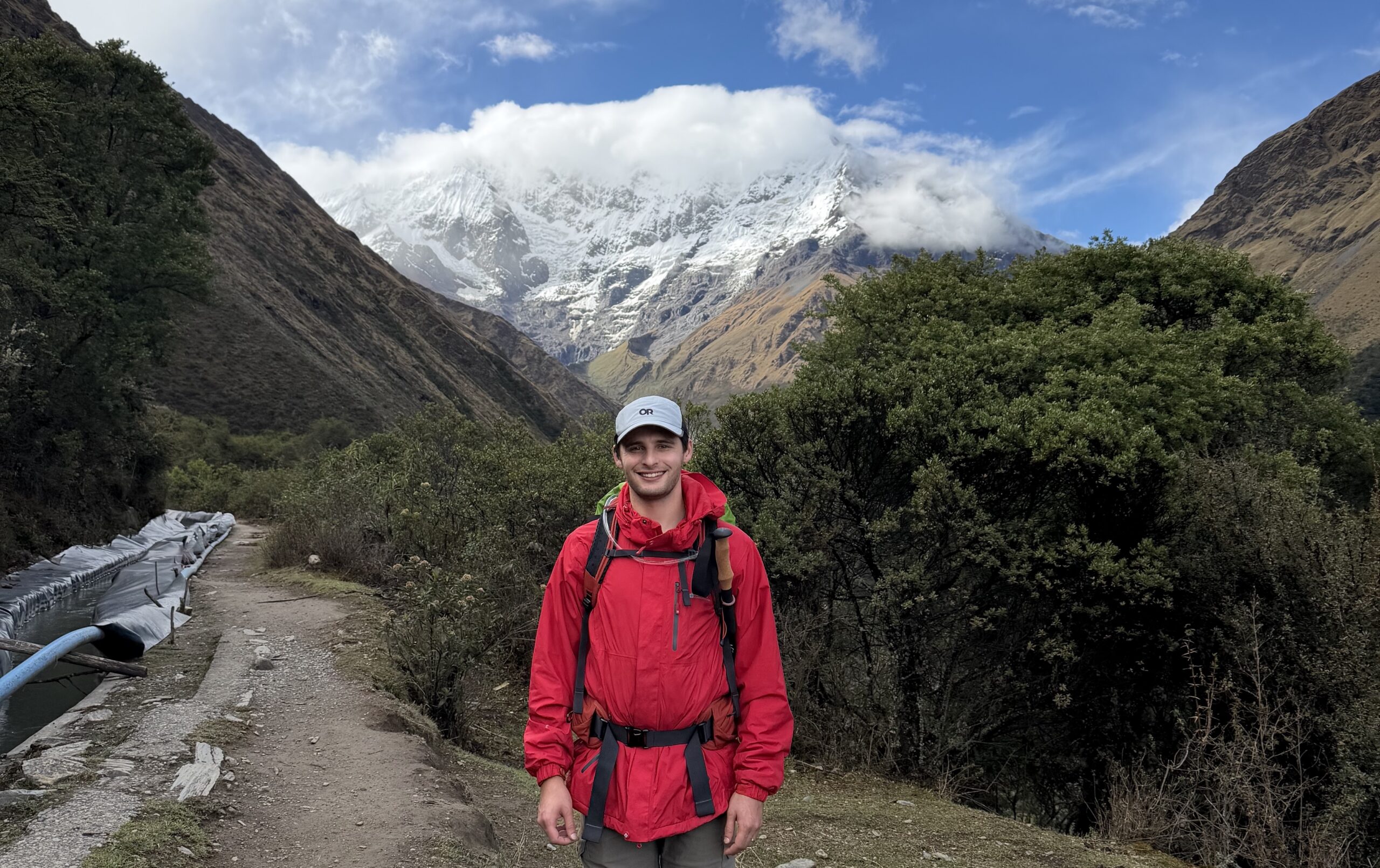
The most rewarding part is making an impact on someone’s life early enough, then getting to see them live a beautiful life. Some of my clients still stay in touch with me and it’s incredible to get their updates.”

Do you have any examples of particularly rewarding work with residents?

“When I first started at Mountain Valley, I worked with a young woman with social anxiety and OCD. She would lie as a compulsion because she had a fear of being judged. If she never showed her true self and lied, then everyone judging her wouldn’t be judging her true self. During one session, she told me some of the lies she engaged in, and I remember she was so ashamed and down on herself about it. I wasn’t judging her at all though—I thought it made sense, and I felt it so deeply.

After that session she started to do the exposure work of being her true self in the community. She was able to play violin at her graduation as a last exposure. Up to that point she hadn’t played because she was afraid of people’s judgment. There’s something powerful about someone telling you, ‘I’ve never been my true self,’ and then you get to see the side that no one else has seen. It’s incredibly rewarding.”

You’re also a parent now, what is that like?

“It’s the hardest thing I’ve ever done—look at me doing exposures! I try to practice what I preach in all my years of working as a therapist. Now that I’m a mom, there’s no choice. I have to sit in that chronic uncertainty, and I try to remember the coaching I do with my clients.

It’s also kind of cool because it’s helped me tap into slowing down even more. There’s such a mindfulness. I know I’m only going to have one child, and I don’t want to miss a thing. I like being able to see the world through my son’s eyes. When I was growing up, I didn’t get to be a child for very long, and now I’m able to have that experience again”

MOVING MOUNTAINS

Resources

Gratitude is Good for Mental Health: Three Ways to Practice This Season

The holiday season has a way of turning the volume up on everything—expectations, logistics, emotions, and the quiet pressure to somehow be joyful on command. Even Thanksgiving, a holiday built around gratitude, can feel complicated. For many young people, and many adults too, this stretch of the year stirs up anxiety, comparison, and old patterns that make “feeling grateful” seem like a tall order. And yet, one of the things we talk about every day at Mountain Valley is that small shifts matter. A tiny change in attention—one moment of noticing what’s going right instead of everything that feels heavy—can be the beginning of real movement.

The research is clear: intentionally practicing gratitude is good for both mental and physical health. It lowers the risk of depression. It boosts positive emotions. It helps with sleep, supports heart health, and increases overall life satisfaction. And despite how corny it can sound, especially to a teenager who’s been asked to “journal about gratitude” more times than they can count, the science keeps repeating the same message: it actually works. Not because it erases stress or eliminates anxiety, but because it gives the brain something steady and grounding to hold onto in the middle of it all.

What we see at Mountain Valley mirrors that research. For many residents, anxious thoughts take up so much space that gratitude feels out of reach—especially early in treatment. But with gentle structure, repetition, and a little willingness, gratitude becomes a way to interrupt the vicious circle of avoidance, rumination, and fear. It doesn’t have to be dramatic. It rarely is. It often starts with something as small as a shared laugh at lunch, a moment of courage during ERP, or a staff member meeting a resident exactly where they are. These micro-moments matter. They’re the footholds young people use to climb toward a life that feels more open, flexible, and grounded.

So how do you actually build gratitude—especially when you don’t feel it? Here are three simple, doable practices that work for the adolescents and emerging adults we serve, and for the adults who walk alongside them:

1. Write it down.
You don’t need a fancy journal or a beautifully written paragraph. Start a running list in your Notes app. One thing a day. Something real, not forced: the warmth of your bed, a funny moment from group, your dog, a good cup of tea, the quiet after lights out. On the hard days, return to the list. Let it remind you that your life contains more than whatever anxiety happens to be shouting in your ear.

2. Take a walk.
Movement helps shift anxious energy, and pairing it with intentional noticing makes it even more powerful. Whether it’s five minutes around the block or a long hike through the woods, bring your attention to small things that feel steady or pleasing: the way your feet move, the rhythm of your breath, the way light hits the trees, the music in your earbuds. Gratitude grows in motion.

3. Say thank you.
One of the quickest ways to increase gratitude is simply to express it. Text a friend, thank a staff member, acknowledge your parents, or tell a teacher or coach that something they did mattered. These moments of human connection, however brief, widen the emotional bandwidth that anxiety tries to narrow.

Here at Mountain Valley, volunteering is another gratitude practice we use intentionally. When residents serve the community, they experience both sides of appreciation—offering it and receiving it. It’s a powerful reminder that gratitude isn’t just a feeling; it’s an action that connects us to something bigger than our own worries.

Gratitude won’t fix everything, but it can soften the edges of a season that often feels overwhelming. With a bit of practice, it becomes a tool you can return to again and again—one that helps you notice what’s here, what’s working, and what’s worth holding onto in every season of life.

MOVING MOUNTAINS

Resources

Staff Spotlight: TJ Baumann

Adventure Is Out There 

TJ Baumann is the Milieu Support Specialist at Mountain Valley, and uses his extensive background in adventure sports and education to help residents develop individually and in community. After years of travel and work across the country, TJ has made a home for himself and his family in New Hampshire. His passion for teaching led him to recently complete a master’s degree in child and adolescent developmental psychology at the University of Southern New Hampshire.

Tell us about your background?

I grew up in New Jersey. I wasn’t allowed in the house when I was a kid because I was a little rambunctious (laughter). I struggled in school because I would do what I was told, but it was never stimulating enough for me to lean in and lock in. I was smart but I didn’t really care. But I ended up making it through high school and spent the next 12 years living a bit of a vagrant lifestyle. I taught hang gliding and skiing all over the country, and I opened my own hang gliding school at one point in Utah. This is going to sound corny, but it taught me how to live. Growing up I was a kid who did what he was told but was never happy with the baseline of other people.

Through this process I had some great mentors who taught me a lot—how to care for myself and others in a healthier way. To take care of myself and use my strange gifts and the odd aspects of my personality for the benefit of others. I had one co-worker, Matt Paulson, who I taught with. His big thing was, “It’s not about you. You’re not the most important factor in this equation. Your role is more to facilitate than be a central figure.” Matt tragically passed away many years ago after a battle with mental health issues, but his message has always stuck with me.

How did you end up at Mountain Valley?

 I ended up back in New Hampshire to get my bachelor’s degree in adventure education at Plymouth State University. I took a job at Mount Prospect Academy—when I started the job, my son had been born two weeks before and I had never done mental health work. I had worked with some challenging individuals, but never to the extent of the kids there with trauma and intense behavioral issues.

I went for it, but it ended up being too much for me. The combination of a new baby at home and a challenging group of kids was not great. When I told my boss I couldn’t do it anymore, they told me there was another company where the clientele was a bit less intense. They referred me to Mountain Valley, and I ended up starting as a residential counselor in June 2018. It clicked because I found a lot of kids who were like my friend Matt. They struggled with similar things, and I realized I could help them and make a difference in their lives.

In 2019 I got a teaching job in Laconia and worked there for about four years. During that time, my wife and I had another child and I also decided to pursue a master’s degree in child and adolescent developmental psychology. Mountain Valley recruited me back and now I’m the milieu support specialist, with a focus on adventure and community development. I also enjoy mentoring and staff training.

Why did you decide to pursue a master’s degree?

Teaching has been a passion of mine for pretty much my whole life. I had my first teaching job in gymnastics when I was 16, and my jobs have had an instruction component ever since. The master’s degree helped me codify my understanding of how people learn and how learning functions. When I was teaching in the private school, I decided I wanted to better understand how kids develop. I have a strong passion for adventure and experiential education and feel like it’s something lacking in our current system. I’d like to expand the reach of that form of education as much as I can.

During my master’s degree program, I taught briefly as a lecturer and loved it. I love drilling down to the deepest reaches of a topic. I enjoy having the deep discussion and the process of discovery—I learn a lot through that process myself. My goal is to teach in a university system again eventually.

What’s most rewarding about working at Mountain Valley?

I love grad days, because it shows how the residents have grown so immensely. I can think of a couple examples of where I’m sitting there on grad day and thinking about the day the resident showed up, and it’s crazy to me the change they’ve made. It’s very rewarding to see the rectification that happens between parents and kids, especially since I’m a dad. Watching parents come to terms with what happened and re-engage with their kids in a healthier way is very meaningful.

Can you give us some examples of resident success stories?

 Three come to mind. One young woman had anxiety and OCD wrapped up in her self worth. She focused constantly on whether she was good or bad, what kind of person she was. The growth that she experienced throughout her time at MV allowed her to finally look in a mirror and say “yeah, that’s me.” She stopped trying to quantify every little action and realized “I am a person, and here I am.” That was huge for me and an immense change for her

We had another young woman with pretty intense autism spectrum disorder and anxiety tied in. She just couldn’t be flexible due to that. But at the end of her time at MV, she could say ‘”Yeah, this has to change in the next 30 seconds without warning,” and then reflect “That was really hard, and it also wasn’t the end of my day, I can improve it from here.” We had a great relationship, and it meant a lot to me when she graduated. It wasn’t easy but it was worth it—she took the help and got it done.

Finally, we had a young man who was so wrapped up in making everything perfect. His OCD was all about having everything just right. If a social interaction didn’t go well, that was the end of the world, because he craved social time above anything else. I heard from him after he graduated, and he was getting ready to lead a group trip and teach about foraging for mushrooms. The community he’s developed sounded like a good fit and what he needed.

What’s the best part about being a dad?

Honestly for me it’s the little stuff. I woke up this morning, the kids jumped in bed with me, and they were stoked to hang out since I didn’t have to jet off to work first thing. It’s restorative to be present with them. When we don’t have to rush to get out the door, it’s nice to take 10 minutes and talk to them about their day and the cool things we’re planning to do this weekend.