MOVING MOUNTAINS

Resources

Just Keep Writing

 Trigger Warning: This post is a personal story and contains discussion of suicide, grief, and loss. Some readers may find parts of this story emotionally difficult. Please read gently and step away if you need to.

If you or someone you know is struggling or in crisis, call or text 988 to reach the Suicide & Crisis Lifeline. Support is available 24/7.

It was May 26, 2017, and I was home for Memorial Day weekend on a much-needed long break from graduate school. As was typical when I came home, I was working on plans to see my high school friends.
I come from a small town in Massachusetts with a very tight-knit community. I know that for many people, high school friendships can fade over the years, but in our town, and in my friend group, it is common for those relationships to last a lifetime. Even when long gaps of time pass between seeing one another, once we are reunited, it feels as if nothing has changed.

My friends and I were particularly close. We had all played football together at our local high school. Our football program was, and still is, one of the best public school programs in Massachusetts. I do not share that to brag. I share it because it gives context to the experiences we shared together and to the foundation of what became an unbreakable bond.

Weightlifting sessions at six o’clock in the morning. Long conditioning sessions in the hot summer sun. Sleepaway camp in the hills of the Berkshire Mountains. And, fortunately for us, many Friday night wins, league championships, and a coveted state championship victory.

Through the hard work, the wins, and the losses, whether we knew it at the time or not, we were developing a deep emotional connection with one another. We supported each other at our lowest, celebrated each other at our highest, and, above all else, believed in one another and stood behind one another no matter what the game, or life, threw at us.

That bond, built by pushing ourselves to our limits alongside one another and in service of something bigger than ourselves, became the foundation for friendships that would last a lifetime. So anytime I was home, one of the first things I tried to schedule was time with my friends.

Although we were all deeply committed to one another, as with most busy young men in their twenties, it was hard to get our schedules aligned. I remember trying to organize dinner plans in our group chat. Some of us were available, some were not, and some were not responding.

One of my friends was especially insistent that we meet up that night. I remember thinking, “Wouldn’t it be better to wait until we can all get together?” But he said he was going to the local Irish pub in the center of town with his girlfriend, and he expected us to meet them there.

Although I was not sure if my other friends would make it, I hopped in my car and headed downtown.

I remember arriving at the restaurant and seeing him and his girlfriend sitting closely next to one another in a booth. They were chatting, laughing, and my friend was shining that big, doofy grin everyone knew him by. I sat down with the two of them, and for a little while, it was just the three of us.

At the time, I remember my mind drifting, wondering if any of my other buddies were going to show up. But looking back on it now, given how this story plays out, I will always be grateful for those first 30 minutes of that night when it was just me, my buddy, and his girlfriend.

Eventually, another friend from our group showed up. We hung out, ate some food, had a few drinks, and caught up. My friend and I made plans to go to the gym together in the morning. Even after all those years, we still had the itch to get together and push ourselves physically, and we still got the best out of ourselves when we did it together.

We left the pub, gave each other a big hug, said “I love you,” which was a common practice in our friend group, and said, “I’ll see you in the morning.”

On the morning of May 27, 2017, I woke up early, gathered my stuff for the gym, hopped in my car, and headed out. I arrived on time, but my friend was not there yet. I did not think twice about it. He was not exactly Mr. Punctuality. So I did what I usually did: started stretching and warming up while keeping a close eye on the door and waiting for him to arrive.

As I was lunging around the gym with my big overhead Beats headphones blaring, my phone began to ring. It was another friend from our group. At that point, I was pretty locked in and focused on my workout, and as far as I knew, this friend was not planning to join us, so I clicked ignore.

The phone rang again.

Two calls in a row was unusual. Something was up.

I remember answering the call with the sound still connected to my headphones through Bluetooth. My friend was screaming, and I could not make out the words. I think I said something like, “Okay, okay, slow down.” Eventually, through the crying and screams, I heard him say, “You need to meet me at [our friend’s] house right now.”

I did not think twice. I hung up the phone, grabbed my belongings, and hopped in my car. I remember speeding out of the parking lot and running a few red lights, my mind focused only on getting there as fast as possible.

My friends were in trouble and needed my help.

While driving, I called my mom from the car. I told her I had received a distressing call from a friend, that I was headed over to meet them at my other friend’s house, and that I was not sure what was going on or when I would be home. At the time, one of our friends, the friend whose house I was driving toward, had a couple of health issues going on, and I was worried something had happened to him.

When I arrived at my friend’s house, I pulled down the long driveway and saw him and his mom standing in the front yard. At first, I felt relief. As I mentioned, this was the friend who had some health issues, and to see him upright and seemingly okay put me at ease.

I got out of my car and immediately asked, “Hey man, what’s going on?”

He did not know. He told me he had also received a distressing call from our friend but did not know what had happened.

Moments later, the friend who had called us came barreling down the driveway in his car. He got out, fell to his knees, and said, “[Our friend] is dead.”

I remember denial sweeping through me faster than a lightning bolt.

What? No way. That can’t be. We were just with him last night. He was going to meet me at the gym this morning. This has to be misinformation.

But my friend in front of me was clearly distraught and in a tremendous amount of pain. We hugged him and listened. Once he calmed down enough to talk, we began asking questions.

And then he said it.

“He killed himself last night.”

Then, silence.

My other friend and I paused and looked at each other. There was something about what he said that shifted us from questioning the news to reckoning with it.

Still, we kept asking questions. Despite the pain and conviction in his voice, it was still difficult to believe. But slowly, the gravity of the situation began to weigh in.

We decided that the three of us would drive over to our friend’s house to check in. It almost felt like we had to see it for ourselves.

I remember the three of us packing into my friend’s little sedan. We pulled out of the driveway, and when we got about a mile down the road, it really started to hit me. I felt anger and rage surge through my body. Through tears and a hoarse yell, I said to my friends in the car, “Don’t ever do this. If you ever need anything, just call. Okay? Just call.” My friends just continued to shed tears of their own.

Our friend who had passed away lived only a few miles up the road, and before we knew it, we were pulling into the driveway. There were more cars than usual, and one of his sisters was on the front porch talking to someone. We parked, opened the door, and slowly started approaching the house. His sister saw us, began crying, and came over to greet us with a hug.

It was real.

It had happened.

My friend, who had been smiling, laughing, and hugging me less than 12 hours earlier, was gone. He had taken his own life.
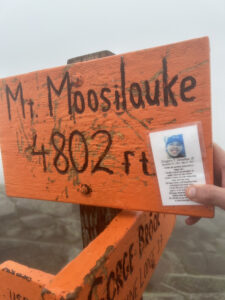
As I sit here and write this on May 26, 2026, nine years after my buddy’s passing, I am putting written words to the memory of this day for the first time. Each year, when this anniversary comes up, I try to lean into the emotion that this day holds and do something in his memory to make meaning of his passing.

In past years, I have typically gone out into the woods to reflect and be close to my friend. Solitude in nature is where I feel closest to his presence. In addition to that, I will usually post something on social media as a gentle reminder of a great life that was lived, the great loss we experienced, and what we can all do each day to honor that loss by living our own lives more fully.

Although I still plan to go outside and be with him over the course of the next day, this year I thought I would write a blog post and reflect on this event in my life, the lessons I learned, and how I see those lessons overlapping with some of the work we do here at Mountain Valley.

Fear

At the time, I do not think I would have ever looked at this event, my own experience, or the presumed experience of my friend through the lens of fear and anxiety. Now, from where I stand, I cannot help but see it that way.

There was fear he must have been feeling. Although we will never know for sure what he was experiencing, he was clearly struggling on a deep level and felt like he could not let anyone know. His best friends did not know. His girlfriend did not know. His family did not know.

For years, I struggled with ruminating over what my friends and I could have done differently to make him feel more comfortable coming forward. Was it our “macho bro” culture that kept him from feeling like he could be vulnerable? Did we make jokes or comments at times that made him think it was unsafe to share these things?

Having worked in the mental health field now for almost a decade, I have come to accept that while there may always be things we wish we had seen or done differently, we cannot fully know or control the fear, pain, or inner world another person is carrying.

Every day, I work with young people who are deeply afraid of what others think of them, even while surrounded by people who love, support, and accept them. That does not mean their environment does not matter. It does. The people around us can provide safety, reassurance, compassion, and support. But fear often lives beneath the surface, rooted in the private places of our minds, in the stories we tell ourselves about who we are, whether we are enough, and whether we are safe to be truly known.

Others can help create the conditions for healing, but they cannot do the healing for us. At some point, each of us has to begin bringing those fears into the light.

I also think about the fear my friends and I faced that day. I think about our decision to hop in the car and drive over to our friend’s family’s house, knowing that some tragedy may have just taken place. We did not blink. We did not think twice. It is incredible how brave we can be in the face of uncertainty when it involves something, or someone, we deeply value.

Lastly, I think about the subsequent fear that I, and many of us who went through that experience, have lived with since that day.

For me, it was my first time really confronting death. I had lost people I knew, but no one I was that close with. It was the first time I was forced to come to grips with my own mortality and the mortality of the people I love.

Although that may sound morbid, it has also been one of the most tremendous gifts I have ever been given. Because if you lean into fear far enough, you may find yourself standing in love and gratitude.

I am afraid of losing my life. I am afraid of losing those close to me. And because of that, I take more time to appreciate the subtle beauties of the people, places, and things that make up my day-to-day life.

This was the first time I realized that fear, although unpleasant to feel and often unruly in the mind, can also be a catalyst for recognizing and reveling in what matters most. And in many ways, that connection between fear, values, and meaningful living is at the heart of the work we do at Mountain Valley.

Making Meaning of Struggle

The idea that fear can help us identify and lean into our values is connected to something bigger, something we see every day at Mountain Valley: life’s hardest moments can sometimes become part of life’s most meaningful growth.

In the moment of struggle, no one wants to hear that one day this pain may become the start of something beautiful. In fact, when others try to point that out too soon, it can feel obnoxious, dismissive, and out of touch.

But with time, space, and deep reflection, we may begin to see how pain can shape us in meaningful ways.

None of that makes the loss easier, and none of it makes his death make sense. But losing my friend in this way became part of what ignited my passion for entering the mental health field. That passion led me to take a job at a psychiatric hospital during the end of my graduate school years. It was during that job that I came across the Occupational Therapy Mental Health Fellowship program at the University of North Carolina. At UNC, I trained alongside some of the best mental health occupational therapists in the country, and I met a beautiful young colleague who I am now lucky enough to call my wife.

My work at UNC inspired me to seek out more holistic, nature-based settings for healing, which eventually led me to Mountain Valley.

And now, as I sit here typing these words, I have an incredible job at a tremendous institution, a beautiful wife, two loving kids, and a home in the forests of Vermont.

Do I wish my friend were still alive? Do I wish he had been at my wedding? Do I wish my kids had one more “uncle” who would have loved them more than anything?

Of course I do.

But I can honestly say that I do not know where I would be, or what I would be doing, if this event had never happened in my life.

All this to say: we never know the ripple effects that a moment of struggle and immense pain may have down the line. It is hard to judge the meaning of a chapter when you are deep in the throes of the events unfolding within it.

But if you keep reading, and the story continues to play itself out, you may be surprised by the meaningful role that chapter played in the arc of the story. You may be surprised by the role that chapter played in the development of the main character. And maybe, just maybe, you may look back on that dark chapter with more appreciation for the role it played in getting the story to where it is now.

For our youth and families at Mountain Valley, many are deep in the chapter of struggle.

And for many of you reading this, you may be too.

But as we close out May, Mental Health Awareness Month, I encourage everyone to keep doing one thing:

Pick up the pen of your life and just keep writing.

You never know where the story may lead.

MOVING MOUNTAINS

Resources

Alumni Spotlight: Izzy Witkos

Izzy Witkos didn’t have a normal childhood. At 10 years old, she struggled with anxiety, depression, and obsessive-compulsive disorder, and doctors diagnosed her with PANS/PANDAS. The condition stems from the body’s response to infection and causes the sudden onset of psychological and neurological symptoms.

As a result, she traded the classroom for doctor’s visits while her family sought appropriate care. She worked to manage her complex symptoms, which also included an eating disorder, while trying to make it through high school. Something flipped the summer before her senior year, and Witkos decided she’d either end her life or get help at Mountain Valley. Fortunately, she chose MV and quickly realized it was the one of the best decisions of her life. We caught up with the 2017 graduate at her home in Southern California, where she’s working to become a board-certified lactation consultant.

Tell us about your background and how you came to Mountain Valley?Izzy Witkos

“I grew up in Massachusetts and struggled with many different things, including being sick with PANDAS/PANS and Lyme disease. There were a lot of different factors going on.

I switched to a Montessori school in sixth grade for more support, and I was missing a lot of school for hospital and doctor visits. I ended up at an academy for high school, but I was still really sick, physically and mentally. I toured Mountain Valley for the first time in February 2017, and I did not want to go. I had severe separation anxiety and the thought of being away from my parents was really anxiety provoking.

I was too scared to commit, but then I had a really hard summer going into my senior year of high school. I was at an outpatient facility every day and it was not going well. I remember I had this thought one evening that I’d either kill myself, or go to bed, wake up, and go to Mountain Valley.

I went downstairs and told my mom I was going to go. They called, and a week later we were driving up together.”

What was your Mountain Valley experience like?

“It was emotional and surreal. For years I’d been in outpatient programs and by the time I arrived, I was physically healthier, but the mental part was difficult. The first 24 hours didn’t seem real. After a week I thought ‘This was one of the best decisions I’ve ever made in my life.’

When I was younger it felt like everyone told me what to do, and for the first time I took initiative for my own mental health. I was so determined. They told me the average stay was 90 days, and I knew I’d graduate sooner—I knew what I needed to work on and I was ready.

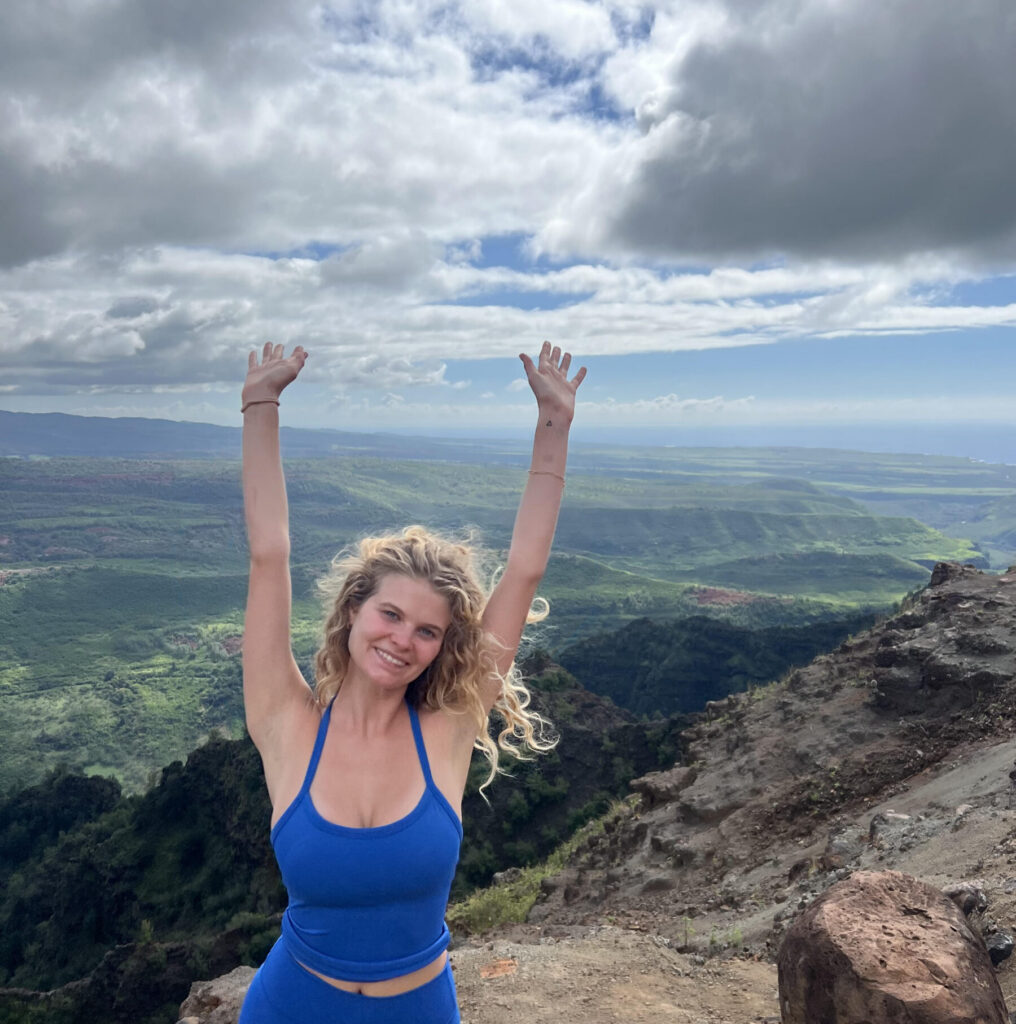
I journaled every single day I was there. I had the idea to draw a triangle on my hand every day, with one side representing the physical, the second emotional, and the third spiritual strength. It was so meaningful to me that I had it tattooed on my hand later.

The residential staff were such an amazing part of my experience, I cannot speak more highly of them, and I still remember some of their names and nicknames. Every single person was amazing and so willing to listen, and that was all I needed sometimes. It’s a hard job but a wonderful job.

I think so highly of Don Vardell, and I still have the shirt he gave me at graduation. It’s my prized possession. I feel overwhelming gratitude and joy when I look back. I have nothing bad to say about the experience. It’s so ironic to think that about a treatment center, but I knew I needed to do something, and it gave me the skills I needed. Every time someone asks me what helped the most, I tell them Mountain Valley.”

Do you have any favorite memories from your time at MV?

“I was a big runner and loved to run, but I’d struggled with an eating disorder and OCD around exercise. The first week I was there, I wasn’t allowed to work out, so I learned to have rest days. My exercise addiction went out the window. Once I got the privilege back to run, I’d get up early with the walkie talky and feel so at peace. I knew the staff trusted me and it was teaching me to trust in myself. It was nice to have that solitude before I worked hard the rest of the day.”

What came next?

“I was able to attend Skidmore College and graduated on time with honors. I pursued a master’s degree in mental health and was close to completing it before I had a pivot. I decided that the decision was fueled by trauma and it was time to do something different.

Now I’m a birth doula and in a lactation program at UC San Diego. I want to become a board-certified lactation consultant and work in the medical field. It’s funny because I spent a lot of my childhood in hospitals, but I love it now—especially working with children and pregnant and postpartum women.

Mountain Valley taught me patience and compassion for myself. I don’t have to have everything figured out. I learned that pain was temporary and my anxiety was about control. I learned a lot of patience in the process and trusting that things would work out.”

What do you hope your future looks like?

“I just hope it’s peaceful. I want to have a peaceful life and help people. Today I’m in a very loving and supportive partnership, and I live on my own, which I never thought I’d want to do. I’m also the closest I’ve ever been with my parents and family.

Now that I’m 26, when I say I want peace I mean it, and I don’t want things that won’t bring me peace. Mountain Valley was the first sliver of peace I’ve had in my life and that’s only expanded.”

MOVING MOUNTAINS

Resources

Alumni Spotlight: John Wyetzner

Can anxiety serve as a compass? If you’ve had the Mountain Valley experience, it can. John Wyetzner, LCSW, felt paralyzed by anxious thoughts, but his short time at MV was transformative. Today he’s accumulating expertise as a therapist specializing in OCD treatment, engaged to be married, and using fear as a motivator to make—not avoid—decisions.

John Wyetzner

Tell us about your background and how you came to Mountain Valley?

I grew up in Manhattan in New York City. I had anxiety from an early age, just in general. But as I got older it steadily got worse, never to the point where I couldn’t function, but just a constant part of my life. Eventually I couldn’t go to school. I woke up one morning and it felt too hard to do. That happened for almost a month, waking up, feeling super anxious, and not being able to attend school. I felt depressed and I didn’t know why I couldn’t push through it. It became a cycle—it went on for so long that it felt like it would be super weird for me to return, and it just compounded.

I had been in therapy, mostly talk with some CBT and ERP, but nothing super intense. At that point, it was clearly not enough, and I needed a higher level of care. It was 2012 and my parents found Mountain Valley, which was still a new program. It took a lot of convincing for me to go, because I didn’t think it would help. Eventually I realized I had nothing else going on and I should give it a try.

I remember the night we drove up, and I was terrified. But the next day I looked around, and it felt welcoming and warm, which was a new experience for me. I decided to try it out. It was my first time being around other people who had anxiety and felt comfortable talking about it. It was very reassuring to me to not have to hide it.

What was your biggest fear and how did you work through it?

I really worried about being anxious in front of others in public and not feeling like I had a safe place to retreat. My anxiety was often somatic, and it would show up as nausea. I would throw up sometimes and that made me feel very anxious. A lot of my exposure work centered around having a stomachache and what it would feel like to throw up. We also did a lot of social exposures, which included talking to new people and strangers.

Once I was there, I felt super motivated to put in the work. I turned the corner because I was around people who made me feel comfortable with vulnerability. I spent most of my time with eight other residents, which was certainly a big change from the city but also comforting. It was also helpful for me to get outside and get fresh air, even though I attended during the winter, it was good to just walk around campus to the different buildings.

What did life look like after Mountain Valley?

The plan was for me to return home and go back to school, but we decided that therapeutic boarding school would be a better fit. I managed my anxiety and was able to go to college after that. Since mental health had been such a big part of my life, I decided to major in social work. College went well and I didn’t have any big concerns, which was a nice change. After college, I went on to graduate school and got my MSW so I could work as a therapist.

How did you end up in your current practice setting?

Based on my own experience, I knew I wanted to specialize in OCD work. After a few years I got my higher-level license, and I wanted to move back to the city. I found the Child Mind Institute, and it was a perfect fit. We do a lot of outpatient sessions, parent work, and collaborating with other clinicians and schools. We also run an OCD intensive program.

I think I understand the issues well because I’ve been through them myself. It helps me understand my clients’ mindset and connect with them. If sharing my story feels appropriate, I’m happy to do that and talk about how I went through a similar journey but came out on the other side.

I think our exposure work is powerful because OCD is the disease of doubt. You get so stuck in your head problem solving that you’re on a mental treadmill. Exposure gets you out of that headspace by challenging you to test your thoughts. Once you do that, you see that what you thought would happen is often wrong and that OCD is lying to you.

Tell us about a success story you’ve had with a client?

One of my clients had OCD centered on perfectionism, especially getting good grades. She had a hard time turning in work if it wasn’t perfect, and she would catastrophize. We spent a lot of time talking about her feared outcomes and how they felt bad, but we didn’t know that they would happen for sure. And if they did happen, maybe they wouldn’t be as bad as she thought. For an exposure I gave her a short, timed writing assignment. She didn’t like doing it, but it was helpful. She saw that she could make a mistake and that it was still okay—she didn’t have to listen to that part of her brain.

How has your life changed since you attended Mountain Valley?

My time at MV heavily influenced who I am today. In my career, I want to continue helping clients and the public better understand OCD. The media and society tend to misrepresent it as simply a hyperfocus on cleanliness or symmetry. It’s so much more complicated than that, so let’s normalize the other ways it presents.

I got engaged recently which has been great, I’m starting to think about our future together. It’s exciting and nerve-wracking. But I’m so much better equipped to deal with my anxiety today. When I notice I feel anxious about something, like attending a party, that feeling tells me I should do it and that it will be a good exposure for me. It’s a good compass for me, even though I don’t always enjoy pushing through. But 95% of the time, it turns out better than I expected. Once I show up that anxiety almost always goes away.

MOVING MOUNTAINS

Resources

Anxiety and School Refusal: A Cross-Program Panel Discussion

Watch the recording of our interactive panel on anxiety and school refusal, featuring Executive Director Zack Schafer, Amy Killey of Weaver and Associates, and Dr. Dina Nunziato of the Anxiety Institute. This open conversation explores how to recognize school avoidance early, respond effectively, and understand when more intensive support may be needed.

Whether you’re a parent, clinician, or educator, the discussion offers practical insights and real-world strategies for helping students reconnect with school, peers, and life.

MOVING MOUNTAINS

Resources

Mountains Beyond Mountains: The Hero’s Journey

A few years ago, we implemented a three-phased model to guide and structure the treatment experience at Mountain Valley. The purpose of this restructuring was twofold:

  1. To improve the fidelity of the care we provide by delivering Exposure and Response Prevention (ERP) therapy — and other core therapeutic content — through an evidence-based, standardized process.
  2. To create a therapeutic narrative with a clear “beginning, middle, and end” that helps guide residents, their families, and our care team as they navigate the often unpredictable journey of treatment.

To support this second goal, we chose Joseph Campbell’s “Hero’s Journey” as the framework for our therapeutic narrative. The Hero’s Journey naturally reflects so much of what Mountain Valley is about: stepping outside of your comfort zone into the unknown, confronting challenges and fears head-on, and emerging from that process as a more integrated and actualized version of yourself. This arc mirrors both the practical process of exposure therapy and the profound transformation we witness in the young people who complete our program.

As the primary creator of this three-phased model based on Campbell’s framework, I see this heroic journey unfolding in each resident’s experience. But rarely do I hear it reflected back to me so clearly by residents or their families.

At a recent graduation ceremony, I was fortunate enough to experience exactly that. A father, seated beside his wife and daughter and across the room from his son on graduation day, stood to deliver a heartfelt speech. With tears in his eyes, a lump in his throat, and his family’s arms around him, he spoke about the Hero’s Journey his son had been on.

His words were deeply validating — he so eloquently articulated the parallels between his son’s process and the journey Campbell described. But more than that, his speech was profoundly moving. To witness a father express to his son that he truly is the hero he always believed he could become is something difficult to put into words.

So rather than attempt to describe it further, we’re honored to share his speech here — with his permission — so that others, too, can bear witness to the life-changing transformations that take place within the Mountain Valley community.


Phin

There is a Haitian Creole saying, “Dèyè mòn gen mòn.” which  translates roughly as “Beyond mountains, there are mountains.” Today we gather not just to mark an ending, but to witness a profound transformation — a completion of one heroic cycle and the beginning of another.

When Phin first arrived at Mountain Valley, he was answering what Joseph Campbell called “the call to adventure.” But this wasn’t the adventure any of us would have chosen. It was a call born from struggle, from the recognition that the ordinary world  — our world of schedules and expectations and well-meaning plans  — had become uninhabitable for him. Like all true heroes, he had to leave everything familiar behind to find what he needed most.

In those early days, I’ll admit, I saw this departure through  the lens of my own fear. I grieved for dreams I had crafted for him, dreams that perhaps said more about my own longings than his true calling. But heroes’ journeys rarely unfold according to the maps drawn by those who love them from a distance.

What I’ve witnessed over these months is Phin’s passage through what Mountain Valley teaches us are the three sacred phases of transformation. In the Departure, he faced the terrifying truth that his old ways of being were no longer sufficient. He had to shed the armor of perfectionism that had become a prison, release the strategies that once protected him but now isolated him from life itself.

During the Initiation — the trials and revelations that form the heart of every hero’s journey — I watched him discover strengths he never knew he possessed. With the guidance of staff who became wise mentors, and alongside fellow travelers who understood his struggles in ways that even family cannot, he learned to sit with discomfort instead of fleeing from it. He began to see his neurodivergent mind not as a liability, but as a different kind of wisdom. Most remarkably, he started to trust his own capacity for healing.

And now we celebrate the Return — not because the journey is over, but because he has gained something precious to bring back to the world. Phin returns to us transformed, carrying new tools, deeper self-knowledge, and perhaps most importantly, the unshakeable understanding that he can navigate whatever challenges lie ahead.

To the extraordinary staff of Mountain Valley: you have been  more than clinicians and counselors. You have been the wise elders every hero needs — those who can see potential when the hero himself cannot, who offer both challenge and sanctuary, who know exactly when to push and when to simply witness. You helped Phin remember that he is both the author and the protagonist of his own story.

To Phin’s fellow residents: you have been his companions on the quest, his band of brothers and sisters who shared the trials and celebrated the victories that only you could truly understand. You have shown him that healing happens in community, that vulnerability is a form of courage, and that we all rise together.

But here’s what I’ve learned about the Hero’s Journey that no book quite captures: it never really ends. Life offers us countless opportunities to answer new calls to adventure, to face fresh trials, to return again and again with deeper wisdom. What changes is not the presence of challenge, but our relationship to it. What transforms is not the absence of struggle, but our  capacity to meet it with courage, curiosity, and hope.

Phin, as you prepare to leave this sacred mountain and return to the valley of everyday life, know that you carry within you everything you need. You have proven your bravery. You have demonstrated your commitment to growth. You have shown us all what it means to transform suffering into strength.

The story you have written here at Mountain Valley will become the foundation for every future chapter. And as your father, I am filled with a pride that goes beyond words — not because you have arrived at some imagined destination, but because you have shown the courage to keep traveling, to keep growing, to keep becoming who you were always meant to be.

This ceremony today is not just a celebration — it is a recognition of the sacred work you have done and a blessing for the sacred work that lies ahead. You are ready for whatever comes next, because you now know the deepest truth of the Hero’s Journey: you already contain everything you need to write a life of meaning, connection, and joy.

The adventure continues, and we will be cheering you on every step of the way.

MOVING MOUNTAINS

Resources

Reflecting on Resilience: Insights from the 2024 Mountain Valley Alumni Reunion

At Mountain Valley Treatment Center, we believe in the power of community, healing, and shared experiences. The 2024 Mountain Valley Alumni Reunion was a testament to this belief, bringing together over 30 former residents, their families, and our dedicated staff for a day filled with reflection, gratitude, and inspiration.

A Gathering of Courage and Connection

This year’s reunion was more than just a homecoming; it was a celebration of the incredible journeys our alumni have undertaken since their time at Mountain Valley.

The day began with a powerful exercise led by executive director Zack Schafer, where attendees were asked to collect sticks and gather in a circle. Zack read aloud a list of fears, and those who felt a connection to a particular fear walked to the center of the circle to place their stick in the fire pit. As the activity progressed, attendees began sharing their own fears, and others who resonated with those fears joined them in adding their sticks to the fire. By the end, the fire pit was filled with the collective fears of the community, ready to be burned during the closing ceremony. This symbolic act set the tone for the day, reminding everyone that they were not alone in their fears and that true courage, supported by a strong community, is essential in facing them.

Stories of Transformation and Hope

As the reunion came to a close, everyone gathered around the fire that had been built earlier in the day, setting their fears ablaze. With the fire crackling and a strong sense of togetherness in the air, Zack invited alumni to step forward and share their stories. The microphone was passed from one person to the next, and with each story, the themes of resilience and growth became more evident.

Molly, a former resident who attended Mountain Valley in 2018, was among the first to speak. She shared her journey from a 12-year-old overwhelmed by anxiety and depression to a thriving college student at McGill University in Montreal. Molly reflected on how Mountain Valley provided her with the tools not only to survive but to thrive—teaching her that she is more than her mental health struggles and empowering her to embrace her identity beyond anxiety and depression.

Hayden, another alum, recounted his arrival at Mountain Valley six years ago. He shared how his time here marked the end of a difficult chapter in his life, one filled with overwhelming anxiety and school absenteeism. Today, Hayden is a college graduate with high honors and has come full circle by returning to Mountain Valley to work as a staff member, helping others who are on a similar journey.

Olivia, who attended Mountain Valley from October 2021 to January 2022, recalled her initial reluctance to join the program. However, as she connected with others and engaged in the community, she discovered her love for the outdoors and built lasting friendships that continue to this day. Olivia’s story is a reminder that sometimes the hardest steps lead to the most rewarding journeys.

Wes, who arrived at Mountain Valley last year, shared his story of radical transformation. Initially withdrawn and hesitant, Wes gradually opened up, found his voice, and began developing meaningful relationships. His experience is a powerful example of how Mountain Valley’s supportive environment can help individuals rebuild their self-confidence, find a sense of belonging, and begin forging connections with others.

The Power of Perseverance

Each story shared during the reunion was unique, yet they all echoed a common theme: perseverance. Alex, who attended Mountain Valley earlier this year, spoke about how his time at the center helped him shed the mask he had been wearing for years. With the support of the community, he found the courage to face his fears and embrace his true self. Today, Alex is thriving in his new life, attending college and holding down a job.

Ivy, who joined Mountain Valley in May 2023, reflected on how the experience changed her perspective on the world. Despite the challenges she faced after leaving, her time at Mountain Valley gave her the strength to navigate life’s ups and downs with hope and resilience. Ivy’s words captured the essence of what Mountain Valley aims to instill in all its residents: the belief that hurt people can indeed help others, and that personal growth often stems from life’s most difficult experiences.

A Journey that Continues

As the reunion came to an end, it was evident that the bonds formed at Mountain Valley are profoundly deep and transformative. The stories shared were not just about overcoming anxiety or depression; they were about discovering community, finding purpose, and uncovering one’s true self. Each alum who spoke embodied the courage and resilience of the Mountain Valley community, embracing the challenge of making “fear less” so they can live more fully.

We are immensely proud of our alumni and deeply grateful for the privilege of being part of their journeys. The 2024 reunion was a powerful reminder of the impact we can create when we come together and confront our fears.

If you or someone you know is struggling with anxiety or other mental health challenges, remember that hope and help are available. Mountain Valley Treatment Center is here to support you on your path to recovery.

Stay Connected

For more stories of resilience and recovery, be sure to tune in to the Fear Less podcast, where we continue to share the voices of our community. To hear a live recording of the fire ceremony mentioned in this article, check out Episode #40: “From Fear to Freedom: Inspiring Stories from Mountain Valley Alumni.”

Thank you for being a part of the Mountain Valley family, and we look forward to the next chapter in all of our lives.

Thank you for reading, and remember, it’s not about being fearless; it’s about making your fear less.

MOVING MOUNTAINS

Resources

Cultivating Healing Through Stewardship

At Mountain Valley Treatment Center, we believe that healing is not just about addressing mental health symptoms but about cultivating a sense of purpose through connecting and contributing to the world around us. One of the ways we do that is through our stewardship program. At Mountain Valley, residents engage in a variety of stewardship activities that provide them with opportunities to contribute to our campus community. One of the more innovative stewardship opportunities we offer is our farm and animal stewardship program. This portion of our program is led by our dedicated Farm and Animal Coordinator, Hann Bernardi, who specializes in integrating the care of animals and our land into the therapeutic process for our residents.

A Unique Approach to Healing

Mountain Valley has always incorporated animals, farming, and other agricultural activities into our programming, but the introduction of a dedicated Farm and Animal Coordinator marked a significant shift in how we approach the integration of these elements. Han, with a background in large-scale agriculture, brings not only expertise in animal care and farming but also a burning passion for how time spent on the land can be used as a therapeutic tool for healing. Hann works to integrate residents’ individualized treatment goals into the farm work, providing a space for them to practice what they are learning in therapy, connect with nature, and find themselves through the meaningful work they do on the farm.

The Power of Stewardship

Stewardship is at the center of our farm and animal program and is at the core of Mountain Valley’s approach to healing. Being a steward requires one to take ownership and responsibility for caring for something outside of oneself. Many of our residents come to Mountain Valley struggling with anxiety and fear that prevent them from taking care of themselves, taking charge of their lives, and contributing to the world around them. Through the farm and animal stewardship program, residents learn to care for animals and the land, which, in turn, helps them better care for themselves.

Hann explains it beautifully, stating, “If you can learn to be a steward for other creatures, it will inevitably help you cultivate that stewardship for yourself.” By taking on the responsibility to care for the animals and the land, residents develop self-discipline and self-efficacy as they begin to view themselves as contributing members of a larger community.

Building Skills, Building Confidence

Beyond the emotional and psychological benefits, the stewardship program also equips residents with practical life skills. From basic animal husbandry tasks like feeding and grooming to more complex projects like building infrastructure for the farm, residents get hands-on experience with everyday life skills that help them develop mastery, bolster self-confidence, and gain an appreciation for hard work.

One recent project involved residents building a house for the bunnies on the farm—a task that required them to measure, cut, and assemble materials with precision. Upon completing the project, they felt a profound sense of accomplishment, as this structural addition to our farm was a tangible representation of the value they can add to the world.

Reflecting on Personal Growth

The animals at Mountain Valley play a unique role in the healing process as they often serve as a “mirror” to residents, reflecting back the parts of themselves they need to work on. For example, Hann shares a story about Ivar, a rooster whose tendency toward aggression and self-protection became a source of fear for many residents. Hann worked with the residents to develop empathy and understanding for Ivar. Residents were able to relate to him as they recognized that Ivar was scared too and that his aggression was a classic example of the “fight” response that is sometimes seen in someone experiencing fear or anxiety. Through seeing themselves in Ivar, the residents were able to better understand him and develop effective strategies for communication and boundary setting. This experience not only provided residents with a great exposure opportunity around their fear of Ivar but also facilitated a deeper level of personal reflection and contemplation that can sometimes be difficult to achieve in the therapy office.

A Growing Community

The farm at Mountain Valley is not just a place for healing; it’s also a dynamic, changing, and growing community. With a variety of animals, including hens, sheep, donkeys, bunnies, and goats, residents often find themselves drawn to different creatures that represent themselves, their needs, and their emotions.

Each animal, just like each resident, brings something unique to the community. As the farm continues to expand, so do the therapeutic opportunities. The future of the stewardship program is bright, with plans for further development. The current project the community is working on is building a community Zen garden that can provide an additional therapeutic space on campus for residents to unwind and restore.

Conclusion

At Mountain Valley Treatment Center, our stewardship program is more than just a way to care for animals—it’s a powerful tool for personal growth, healing, and transformation. By fostering a connection with the land and animals, residents not only confront and overcome their fears but also develop a deeper sense of responsibility, self-worth, and community. Under Hann Bernardi’s guidance, the farm has become an integral part of the healing journey, offering residents a unique and enriching experience that stays with them long after they leave Mountain Valley.

To learn more about Mountain Valley’s Stewardship program and Hann Bernardi check Episode #38: “Healing Through Stewardship: The Therapeutic Power of Animals and Agriculture” of the Fear Less podcast.

If you or someone you know is struggling with anxiety and could benefit from the holistic approach to healing offered at Mountain Valley, please don’t hesitate to reach out to us. We’re here to help you on your journey to recovery.

MOVING MOUNTAINS

Resources

Alchemizing Fear: From Enemy to Ally

Last week, on the Fear Less Podcast, we released Episode #36: “Fear, Fatherhood, and Transformation: Zack’s Journey to Becoming Dad.” In this episode, I reflected on the biggest life transition I have made to date—becoming a father. In my reflection, I talk about the role fear and anxiety played throughout my journey into fatherhood, and how impactful my fear was in helping me refine who I am and who I wanted to be as a father.

For many of us, we have an adverse relationship with fear. We associate fear with being an enemy—something that taunts us, holds us back, and keeps us small. And for many of us, we have good reason to feel this way. Fear and anxiety are incredibly powerful and incredibly uncomfortable to feel. Fear can be all-consuming to the body and mind, leading us to think thoughts we don’t want to think, feel sensations we don’t want to feel, or take actions we don’t want to take.

For many of us, when we feel fear, we feel trapped. Its all-consuming nature paralyzes us and we become enslaved, losing our sense of agency and no longer able to act as freely as we desire. As commonly quoted from the bestselling book series and now Academy Award-winning movie, Dune, “Fear is the mind-killer.”

However, if you are familiar with the book or the movie series, you will remember that this quote is part of a larger mantra that goes like this:

“I must not fear. Fear is the mind killer. Fear is the little death that brings obliteration. I will face my fear and I will allow it to pass over me and through me. And when it has gone past, I will turn the inner eye to see its path. Where the fear has gone there will be nothing. Only I will remain.”

I love this mantra, as I think it aligns with my personal experiences with fear, Mountain Valley’s philosophy on fear, and the ethos of the Fear Less Podcast: it is not about being fearless, but it is about making your fear less.

We don’t want fear to go away. We don’t want to avoid it. We don’t want to get rid of it. We want to acknowledge it, we want to face it, we want to lean into it, and we want to learn from it. In fact, most of the time, on the other side of fear is a better, more refined version of you.

Fear can be an incredible teacher and a catalyst for personal growth. Fear is the part of us that shows us where things might go wrong, so we can try to make things right. Fear is the mirror that reflects back to us the things we need to change. Fear can be an ally rather than an enemy, a friend rather than a foe.

But fear needs to be in its proper place. It can’t be in the driver’s seat; it needs to be in the passenger seat. Fear should be someone you bring along with you to inform your decisions, not the final decision-maker.

Here are some thoughts on how to alchemize fear for transformation:

Face It – When you feel fear coming on, look at it. Really look at it. Ask yourself, “What am I afraid of? What am I afraid might happen?” Allow your mind to explore and allow it to travel to all the dark places and all the worst outcomes. Be present with what fear is trying to show you. Don’t avoid it, face it head-on.

Example from Podcast: My fear told me that I would not be a good father to my son if I continued to live my life the way I was. It showed me how my current actions would lead me to be a distant father, disconnected from my wife and my children. A man who is tired, stressed, and a shell of the passionate and loving man I once was. As hard as it was to do, I had to take time to acknowledge that, be with it, and really see that future playing out. I had to feel the pain that would cause me and cause those that I love.

Reflect Honestly – Once your fear has shown you the potential danger and all the worst things imaginable, ask yourself the honest question, “Is this true? Or could this outcome happen?” Before you do an honest, rational, and objective self-inquiry, it’s important to be in a good headspace. Being honest with yourself is very challenging, and it can be painful to come to terms with your fears and any role you may have played in them coming true. Be honest, but be kind. Taking a good look in the mirror is never easy, but always fruitful for helping you move forward.

Example from Podcast: As my fear began to show me all the ways in which I was going to fail as a father, it was painful, but many of them were true. If I continued to prioritize my work to the detriment of my relationships, my interests, and my health, I would not be able to be a good father for my son. As much as it hurt, I needed to see that and feel that to change.

Connect to Your Values – Fear can be an incredibly powerful tool for helping you establish or re-establish your values. When we are scared, what is important to us often becomes abundantly clear. Furthermore, knowing our values and what is important to us can be an incredible asset when trying to navigate the dark waters of fear. In the podcast, I talk about values serving as a compass, helping us to find our way when we feel lost. Fear, when in its proper place, can set us on the right path.

Example from Podcast: On the other side of the pain, my mind was clear as I can remember. I had taken the time to establish my values before, but through this experience of facing down my fear, they shined through more prominently than ever: Faith, Family, Service, and Health. These are the pillars that I need to build my life upon so I can become the father I was always meant to be.

Take Action – Although being with your fear and owning it is challenging, that is only half the battle. None of that matters if you don’t DO something about it. You must face your fear and move forward courageously. Once your fear connects you back to your values and highlights the pathway forward, take action towards those values and face your fears through living and being differently.

Example from Podcast: Although my son Micah has only been in our lives for five weeks, I am living differently. I am leaving work earlier to spend time with my family. I am eating cleaner and resting more. I have taken up trail running again and not a day goes by where I am not outdoors moving my body. My fear showed me where I needed to go, and although I am not there yet, I am on my way.

MOVING MOUNTAINS

Resources

A Play-Based Summer

Although the impact of social media and technology on mental health, especially youth, has been in question for some time, it has become quite the “hot topic” in the public media recently. Approximately one year after issuing a public health advisory about the impacts of social media on youth mental health, on June 17th, 2024, Surgeon General Dr. Vivek Murthy published an opinion piece in The New York Times outlining the dangers of social media and the role it is playing in the youth mental health epidemic. This “call for action” was further explored in major media outlets such as NPR, ABC News, The Washington Post, and many more.

Another big reason the conversation surrounding this topic is gaining traction is the recently published book The Anxious Generation by Dr. Jonathan Haidt, which hit the public in March of 2024 and instantly became a New York Times best seller. In this book, Dr. Haidt dared to do what many other researchers and psychology experts have not: use research data to make the claim that the relationship between social media usage and mental health challenges is not merely correlational but causational. I will not get into the weeds of the research that Dr. Haidt used to make this claim, as that is not the emphasis of this article, but he has made all of his research, as well as other helpful resources for families trying to navigate the challenges of technology, available at his website. You can also simply Google Dr. Haidt’s name and you will find endless links to podcast episodes, videos, and news articles where he is featured speaking about his work.

Although the claim that social media has had a causal role in the rise of youth mental health disorders is bold and brave, my favorite part of Dr. Haidt’s new book is that he moves beyond just identifying the problem and its causes and provides realistic and tangible steps to address the issue on an individual and societal level. Here is a summary of the “collective actions” he calls for government, schools, and families to rally around:

  • No smartphones before high school
  • No social media before age 16
  • Phone-free school
  • More unsupervised, free play for children

As an Occupational Therapist (OT), the action that really hit home and appears most immediately within our control was collective action #4. As a society, we have moved so far away from the type of play that we know is beneficial and necessary for healthy human development. Play is crucial to the physical, emotional, social, cognitive, and overall well-being of all people, but especially children and adolescents. Play is where we explore, pretend, create, and discover. We learn about ourselves, we learn about others, and we learn about the world around us. Play is a place where we can try new things and fail safely, and through the process of doing that, develop resiliency and a stronger sense of self.

Anxiety, a growing concern among youth, is often exacerbated by constant connectivity and the pressures of social media. Engaging in play can serve as a powerful antidote, providing a natural and enjoyable way to reduce stress and anxiety. Through play, children can express their emotions, work through fears, and build coping mechanisms in a safe environment. Encouraging play-based activities not only promotes mental well-being but also helps in mitigating the anxiety that many children and teens experience today.

As we reach the mid-point of summer, I encourage everyone to consider how they are or are not facilitating and/or engaging in a “play-based summer.” According to the Occupational Therapy Practice Framework (2020), “play” is defined as:

“Activities that are intrinsically motivated, internally controlled, and freely chosen and that may include suspension of reality (e.g., fantasy), exploration, humor, risk-taking, contests, and celebrations.”

Although this definition is broad and gives room for including technological play (i.e. playing video games, etc.), I think given the work by Dr. Haidt and others, it is safe to say we are recommending that we make a push towards other forms of play that include “real life,” in-person experiences. Here are some suggestions on how to engage in a more “play-based summer” from the perspective of a Mental Health OT:

Allow children/teens to play unsupervised – Although this sounds scary, if you are around my age or older (born in 1994), you did it too! You went out in the neighborhood, with no phone, and you played with friends and returned at certain checkpoints (lunch, dinner, etc.). Set up some social supports in your local community and take a community approach to “watching the kids.” Let them practice independence and show them that you trust them to manage themselves. Children and teens want and need to take risks; set up a way for them to do this safely.

Allow children/teens to feel bored – All emotions and feelings have their place…on the other side of boredom is innovation and creativity. Do not structure every waking moment of your child’s life! Let them initiate and drive their own engagement.

Get outside and engage in the senses – Ride a bike to an ice cream shop…go explore a local park, creek, or river…climb a tree…jump on a trampoline…sword fight with sticks…whatever it takes, help them move, get fresh air, engage their bodies, take some risks, and explore their inner and outer worlds.

Balance fun with competition – Fun is at the heart of play. Inherent in play is the idea that things “aren’t so serious.” However, if you haven’t noticed, almost all children and adolescents are enthralled with competition. They want to know “where they fit” in the social hierarchy of the world. This is totally normal and important for them to explore. Just be sure that competition does not come at the expense of enjoyment.

Channel your inner child – If you are hoping and wanting to engage in this play-based summer with your child/adolescent, it’s time to tune in to little you. Do not bring your adult rules and “reality” to your child’s play. Let go of “the way things are” and allow yourself to “explore what could be.” The best way to do this is to follow your child’s lead; fantasy and imagination are a child’s expertise!

MOVING MOUNTAINS

Resources

Zack’s Anxiety Hacks – Facing Your Fear

Fear is an inherent part of the human experience, woven into the fabric of life. It has been explored by ancient philosophers, is present in stories and myths, and is actively studied and ‘treated’ in the world of medicine and science. Fear is fundamental, and therefore, you never know when and where you might find yourself learning about it.

I recently encountered teachings about fear in two unexpected places. Although I already knew the lesson well, it was a reminder that it holds deep truth, a lesson we proudly preach at Mountain Valley. One of these moments occurred during a birthing class I attended with my wife. As we expect our first child, I was surprised to spend the first portion of our birth education course learning about the role of fear in childbirth. We discussed how the physiology of fear impacts labor and practical strategies for managing it. We also participated in two different exercises where we took time to identify our fears, list them, and share them with others in the room. “We know that naming what you fear is the first step in learning how to manage it,” stated our instructor. Wise words from the teachers at Dartmouth Hitchcock Women’s Resource Center.

The next time this message appeared was later in the week when I sat down to watch Dune on our weekly movie night. Not long into the movie, the infamous Frank Herbert quote sent chills down my spine:

“I must not fear. Fear is the mind-killer. Fear is the little-death that brings total obliteration. I will face my fear. I will permit it to pass over me and through me. And when it has gone past, I will turn the inner eye to see its path. Where the fear has gone, there will be nothing. Only I will remain.”

For those of you not familiar with the bestselling novel and Oscar-winning film, the quote above is called the “Litany Against Fear.” It is a prayer or mantra that various characters use throughout the story when facing fear. The prayer is said to help them recognize and lean into the feeling of fear, transforming it from paralyzing anxiety into a superpower – deepening their focus and attuning them to the challenges ahead.

Acknowledging your fear, not avoiding it. Leaning into it, being with it, allowing it to pass. Does any of this sound familiar? All too often, we see the fundamental principles of exposure therapy expressed and reinforced in the world around us. By facing your fears, you fear less.

But leaning into fear when you are in the thrills of it is easier said than done. No matter how true the message is or how often it is reinforced, the battle against a cascade of hormones, physiological symptoms, and intrusive thoughts is no easy feat to overcome.

At Mountain Valley, we teach residents how to lean into fear through a skill from Acceptance and Commitment Therapy called “The N’s: Name, Notice, and Neutralize.” This skill gives people a simple “1-2-3” method for overcoming avoidance, embracing their fear, and harnessing its power.

Name – Just like the exercises in my birthing class, the first step is to name your fear. Acknowledge that you are feeling scared. Name what you are afraid of and what might happen. Say it out loud, tell a friend, write it down – whatever you do, name it.

Notice – Bring your awareness to your body. Notice what you are feeling. Notice your heart beating in your chest, the feeling of the blood coursing through your veins. Look around you, find your senses, notice where you are.

Neutralize – Focus your mind. Slow things down. Take a breath and get grounded. Maybe come up with your own “Litany Against Fear” or some other affirmation that helps put fear back in its place.

Whether you’re new parents facing the anxieties of childbirth, a fictional hero in a well-known fantasy series, or a person trying to work up the courage to tell someone how you truly feel, to overcome fear, we need to face it – and by naming it, noticing it, and neutralizing it, you might just be more equipped to do so.