
MOVING MOUNTAINS

Resources

Just Keep Writing

 Trigger Warning: This post is a personal story and contains discussion of suicide, grief, and loss. Some readers may find parts of this story emotionally difficult. Please read gently and step away if you need to.

If you or someone you know is struggling or in crisis, call or text 988 to reach the Suicide & Crisis Lifeline. Support is available 24/7.

It was May 26, 2017, and I was home for Memorial Day weekend on a much-needed long break from graduate school. As was typical when I came home, I was working on plans to see my high school friends.

I come from a small town in Massachusetts with a very tight-knit community. I know that for many people, high school friendships can fade over the years, but in our town, and in my friend group, it is common for those relationships to last a lifetime. Even when long gaps of time pass between seeing one another, once we are reunited, it feels as if nothing has changed.

My friends and I were particularly close. We had all played football together at our local high school. Our football program was, and still is, one of the best public school programs in Massachusetts. I do not share that to brag. I share it because it gives context to the experiences we shared together and to the foundation of what became an unbreakable bond.

Weightlifting sessions at six o’clock in the morning. Long conditioning sessions in the hot summer sun. Sleepaway camp in the hills of the Berkshire Mountains. And, fortunately for us, many Friday night wins, league championships, and a coveted state championship victory.

Through the hard work, the wins, and the losses, whether we knew it at the time or not, we were developing a deep emotional connection with one another. We supported each other at our lowest, celebrated each other at our highest, and, above all else, believed in one another and stood behind one another no matter what the game, or life, threw at us.

That bond, built by pushing ourselves to our limits alongside one another and in service of something bigger than ourselves, became the foundation for friendships that would last a lifetime. So anytime I was home, one of the first things I tried to schedule was time with my friends.

Although we were all deeply committed to one another, as with most busy young men in their twenties, it was hard to get our schedules aligned. I remember trying to organize dinner plans in our group chat. Some of us were available, some were not, and some were not responding.

One of my friends was especially insistent that we meet up that night. I remember thinking, “Wouldn’t it be better to wait until we can all get together?” But he said he was going to the local Irish pub in the center of town with his girlfriend, and he expected us to meet them there.

Although I was not sure if my other friends would make it, I hopped in my car and headed downtown.

I remember arriving at the restaurant and seeing him and his girlfriend sitting closely next to one another in a booth. They were chatting, laughing, and my friend was shining that big, doofy grin everyone knew him by. I sat down with the two of them, and for a little while, it was just the three of us.

At the time, I remember my mind drifting, wondering if any of my other buddies were going to show up. But looking back on it now, given how this story plays out, I will always be grateful for those first 30 minutes of that night when it was just me, my buddy, and his girlfriend.

Eventually, another friend from our group showed up. We hung out, ate some food, had a few drinks, and caught up. My friend and I made plans to go to the gym together in the morning. Even after all those years, we still had the itch to get together and push ourselves physically, and we still got the best out of ourselves when we did it together.

We left the pub, gave each other a big hug, said “I love you,” which was a common practice in our friend group, and said, “I’ll see you in the morning.”

On the morning of May 27, 2017, I woke up early, gathered my stuff for the gym, hopped in my car, and headed out. I arrived on time, but my friend was not there yet. I did not think twice about it. He was not exactly Mr. Punctuality. So I did what I usually did: started stretching and warming up while keeping a close eye on the door and waiting for him to arrive.

As I was lunging around the gym with my big overhead Beats headphones blaring, my phone began to ring. It was another friend from our group. At that point, I was pretty locked in and focused on my workout, and as far as I knew, this friend was not planning to join us, so I clicked ignore.

The phone rang again.

Two calls in a row was unusual. Something was up.

I remember answering the call with the sound still connected to my headphones through Bluetooth. My friend was screaming, and I could not make out the words. I think I said something like, “Okay, okay, slow down.” Eventually, through the crying and screams, I heard him say, “You need to meet me at [our friend’s] house right now.”

I did not think twice. I hung up the phone, grabbed my belongings, and hopped in my car. I remember speeding out of the parking lot and running a few red lights, my mind focused only on getting there as fast as possible.

My friends were in trouble and needed my help.

While driving, I called my mom from the car. I told her I had received a distressing call from a friend, that I was headed over to meet them at my other friend’s house, and that I was not sure what was going on or when I would be home. At the time, one of our friends, the friend whose house I was driving toward, had a couple of health issues going on, and I was worried something had happened to him.

When I arrived at my friend’s house, I pulled down the long driveway and saw him and his mom standing in the front yard. At first, I felt relief. As I mentioned, this was the friend who had some health issues, and to see him upright and seemingly okay put me at ease.

I got out of my car and immediately asked, “Hey man, what’s going on?”

He did not know. He told me he had also received a distressing call from our friend but did not know what had happened.

Moments later, the friend who had called us came barreling down the driveway in his car. He got out, fell to his knees, and said, “[Our friend] is dead.”

I remember denial sweeping through me faster than a lightning bolt.

What? No way. That can’t be. We were just with him last night. He was going to meet me at the gym this morning. This has to be misinformation.

But my friend in front of me was clearly distraught and in a tremendous amount of pain. We hugged him and listened. Once he calmed down enough to talk, we began asking questions.

And then he said it.

“He killed himself last night.”

Then, silence.

My other friend and I paused and looked at each other. There was something about what he said that shifted us from questioning the news to reckoning with it.

Still, we kept asking questions. Despite the pain and conviction in his voice, it was still difficult to believe. But slowly, the gravity of the situation began to weigh in.

We decided that the three of us would drive over to our friend’s house to check in. It almost felt like we had to see it for ourselves.

I remember the three of us packing into my friend’s little sedan. We pulled out of the driveway, and when we got about a mile down the road, it really started to hit me. I felt anger and rage surge through my body. Through tears and a hoarse yell, I said to my friends in the car, “Don’t ever do this. If you ever need anything, just call. Okay? Just call.” My friends just continued to shed tears of their own.

Our friend who had passed away lived only a few miles up the road, and before we knew it, we were pulling into the driveway. There were more cars than usual, and one of his sisters was on the front porch talking to someone. We parked, opened the door, and slowly started approaching the house. His sister saw us, began crying, and came over to greet us with a hug.

It was real.

It had happened.

My friend, who had been smiling, laughing, and hugging me less than 12 hours earlier, was gone. He had taken his own life.

As I sit here and write this on May 26, 2026, nine years after my buddy’s passing, I am putting written words to the memory of this day for the first time. Each year, when this anniversary comes up, I try to lean into the emotion that this day holds and do something in his memory to make meaning of his passing.


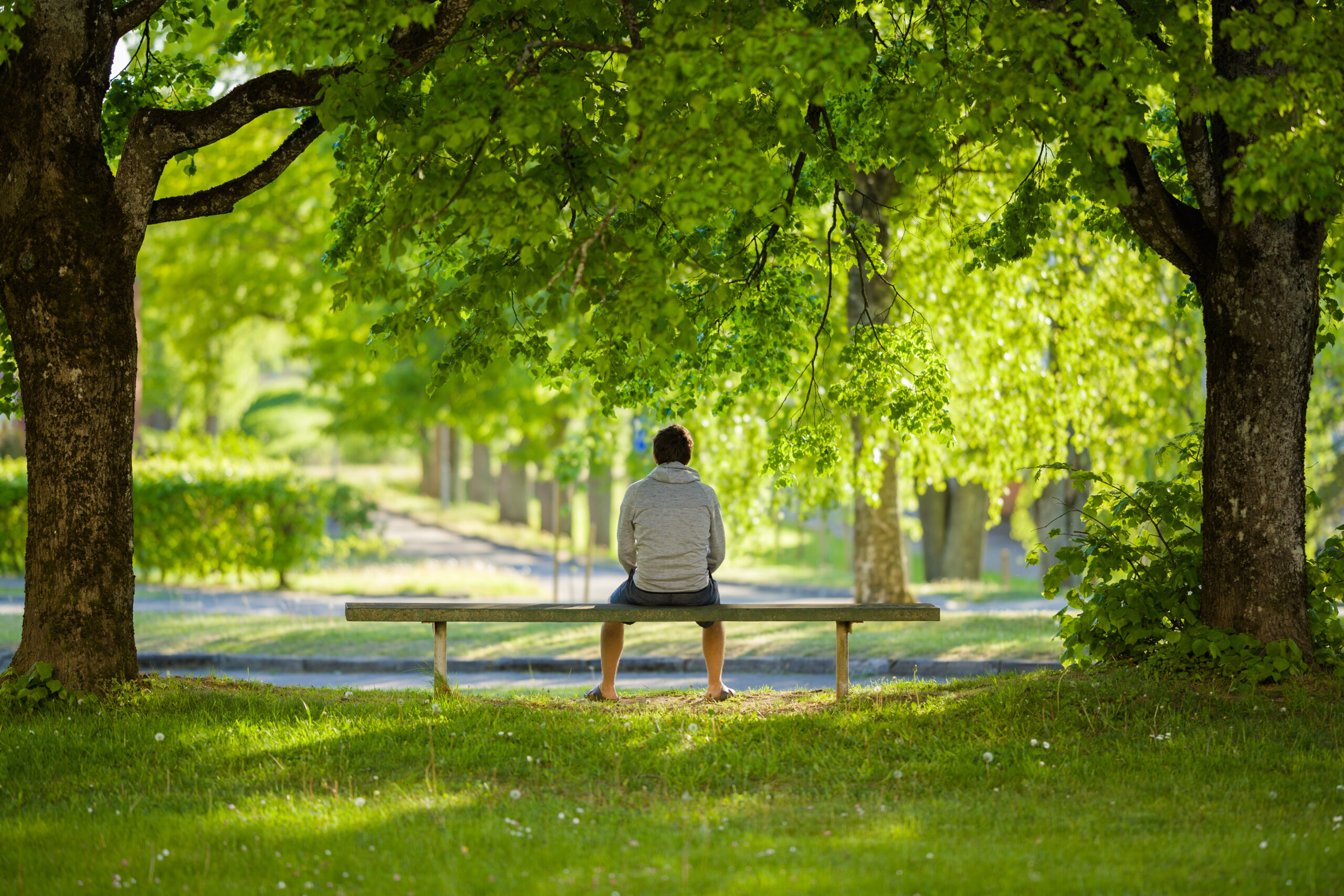
In past years, I have typically gone out into the woods to reflect and be close to my friend. Solitude in nature is where I feel closest to his presence. In addition to that, I will usually post something on social media as a gentle reminder of a great life that was lived, the great loss we experienced, and what we can all do each day to honor that loss by living our own lives more fully.

Although I still plan to go outside and be with him over the course of the next day, this year I thought I would write a blog post and reflect on this event in my life, the lessons I learned, and how I see those lessons overlapping with some of the work we do here at Mountain Valley.

Fear

At the time, I do not think I would have ever looked at this event, my own experience, or the presumed experience of my friend through the lens of fear and anxiety. Now, from where I stand, I cannot help but see it that way.

There was fear he must have been feeling. Although we will never know for sure what he was experiencing, he was clearly struggling on a deep level and felt like he could not let anyone know. His best friends did not know. His girlfriend did not know. His family did not know.

For years, I struggled with ruminating over what my friends and I could have done differently to make him feel more comfortable coming forward. Was it our “macho bro” culture that kept him from feeling like he could be vulnerable? Did we make jokes or comments at times that made him think it was unsafe to share these things?

Having worked in the mental health field now for almost a decade, I have come to accept that while there may always be things we wish we had seen or done differently, we cannot fully know or control the fear, pain, or inner world another person is carrying.

Every day, I work with young people who are deeply afraid of what others think of them, even while surrounded by people who love, support, and accept them. That does not mean their environment does not matter. It does. The people around us can provide safety, reassurance, compassion, and support. But fear often lives beneath the surface, rooted in the private places of our minds, in the stories we tell ourselves about who we are, whether we are enough, and whether we are safe to be truly known.

Others can help create the conditions for healing, but they cannot do the healing for us. At some point, each of us has to begin bringing those fears into the light.

I also think about the fear my friends and I faced that day. I think about our decision to hop in the car and drive over to our friend’s family’s house, knowing that some tragedy may have just taken place. We did not blink. We did not think twice. It is incredible how brave we can be in the face of uncertainty when it involves something, or someone, we deeply value.

Lastly, I think about the subsequent fear that I, and many of us who went through that experience, have lived with since that day.

For me, it was my first time really confronting death. I had lost people I knew, but no one I was that close with. It was the first time I was forced to come to grips with my own mortality and the mortality of the people I love.

Although that may sound morbid, it has also been one of the most tremendous gifts I have ever been given. Because if you lean into fear far enough, you may find yourself standing in love and gratitude.

I am afraid of losing my life. I am afraid of losing those close to me. And because of that, I take more time to appreciate the subtle beauties of the people, places, and things that make up my day-to-day life.

This was the first time I realized that fear, although unpleasant to feel and often unruly in the mind, can also be a catalyst for recognizing and reveling in what matters most. And in many ways, that connection between fear, values, and meaningful living is at the heart of the work we do at Mountain Valley.

Making Meaning of Struggle

The idea that fear can help us identify and lean into our values is connected to something bigger, something we see every day at Mountain Valley: life’s hardest moments can sometimes become part of life’s most meaningful growth.

In the moment of struggle, no one wants to hear that one day this pain may become the start of something beautiful. In fact, when others try to point that out too soon, it can feel obnoxious, dismissive, and out of touch.

But with time, space, and deep reflection, we may begin to see how pain can shape us in meaningful ways.

None of that makes the loss easier, and none of it makes his death make sense. But losing my friend in this way became part of what ignited my passion for entering the mental health field. That passion led me to take a job at a psychiatric hospital during the end of my graduate school years. It was during that job that I came across the Occupational Therapy Mental Health Fellowship program at the University of North Carolina. At UNC, I trained alongside some of the best mental health occupational therapists in the country, and I met a beautiful young colleague who I am now lucky enough to call my wife.

My work at UNC inspired me to seek out more holistic, nature-based settings for healing, which eventually led me to Mountain Valley.

And now, as I sit here typing these words, I have an incredible job at a tremendous institution, a beautiful wife, two loving kids, and a home in the forests of Vermont.

Do I wish my friend were still alive? Do I wish he had been at my wedding? Do I wish my kids had one more “uncle” who would have loved them more than anything?

Of course I do.

But I can honestly say that I do not know where I would be, or what I would be doing, if this event had never happened in my life.

All this to say: we never know the ripple effects that a moment of struggle and immense pain may have down the line. It is hard to judge the meaning of a chapter when you are deep in the throes of the events unfolding within it.

But if you keep reading, and the story continues to play itself out, you may be surprised by the meaningful role that chapter played in the arc of the story. You may be surprised by the role that chapter played in the development of the main character. And maybe, just maybe, you may look back on that dark chapter with more appreciation for the role it played in getting the story to where it is now.

For our youth and families at Mountain Valley, many are deep in the chapter of struggle.

And for many of you reading this, you may be too.

But as we close out May, Mental Health Awareness Month, I encourage everyone to keep doing one thing:

Pick up the pen of your life and just keep writing.

You never know where the story may lead.

MOVING MOUNTAINS

Resources

Gratitude is Good for Mental Health: Three Ways to Practice This Season

The holiday season has a way of turning the volume up on everything—expectations, logistics, emotions, and the quiet pressure to somehow be joyful on command. Even Thanksgiving, a holiday built around gratitude, can feel complicated. For many young people, and many adults too, this stretch of the year stirs up anxiety, comparison, and old patterns that make “feeling grateful” seem like a tall order. And yet, one of the things we talk about every day at Mountain Valley is that small shifts matter. A tiny change in attention—one moment of noticing what’s going right instead of everything that feels heavy—can be the beginning of real movement.

The research is clear: intentionally practicing gratitude is good for both mental and physical health. It lowers the risk of depression. It boosts positive emotions. It helps with sleep, supports heart health, and increases overall life satisfaction. And despite how corny it can sound, especially to a teenager who’s been asked to “journal about gratitude” more times than they can count, the science keeps repeating the same message: it actually works. Not because it erases stress or eliminates anxiety, but because it gives the brain something steady and grounding to hold onto in the middle of it all.

What we see at Mountain Valley mirrors that research. For many residents, anxious thoughts take up so much space that gratitude feels out of reach—especially early in treatment. But with gentle structure, repetition, and a little willingness, gratitude becomes a way to interrupt the vicious circle of avoidance, rumination, and fear. It doesn’t have to be dramatic. It rarely is. It often starts with something as small as a shared laugh at lunch, a moment of courage during ERP, or a staff member meeting a resident exactly where they are. These micro-moments matter. They’re the footholds young people use to climb toward a life that feels more open, flexible, and grounded.

So how do you actually build gratitude—especially when you don’t feel it? Here are three simple, doable practices that work for the adolescents and emerging adults we serve, and for the adults who walk alongside them:

1. Write it down.
You don’t need a fancy journal or a beautifully written paragraph. Start a running list in your Notes app. One thing a day. Something real, not forced: the warmth of your bed, a funny moment from group, your dog, a good cup of tea, the quiet after lights out. On the hard days, return to the list. Let it remind you that your life contains more than whatever anxiety happens to be shouting in your ear.

2. Take a walk.
Movement helps shift anxious energy, and pairing it with intentional noticing makes it even more powerful. Whether it’s five minutes around the block or a long hike through the woods, bring your attention to small things that feel steady or pleasing: the way your feet move, the rhythm of your breath, the way light hits the trees, the music in your earbuds. Gratitude grows in motion.

3. Say thank you.
One of the quickest ways to increase gratitude is simply to express it. Text a friend, thank a staff member, acknowledge your parents, or tell a teacher or coach that something they did mattered. These moments of human connection, however brief, widen the emotional bandwidth that anxiety tries to narrow.

Here at Mountain Valley, volunteering is another gratitude practice we use intentionally. When residents serve the community, they experience both sides of appreciation—offering it and receiving it. It’s a powerful reminder that gratitude isn’t just a feeling; it’s an action that connects us to something bigger than our own worries.

Gratitude won’t fix everything, but it can soften the edges of a season that often feels overwhelming. With a bit of practice, it becomes a tool you can return to again and again—one that helps you notice what’s here, what’s working, and what’s worth holding onto in every season of life.

MOVING MOUNTAINS

Resources

Anxiety and School Refusal: A Cross-Program Panel Discussion

Watch the recording of our interactive panel on anxiety and school refusal, featuring Executive Director Zack Schafer, Amy Killey of Weaver and Associates, and Dr. Dina Nunziato of the Anxiety Institute. This open conversation explores how to recognize school avoidance early, respond effectively, and understand when more intensive support may be needed.

Whether you’re a parent, clinician, or educator, the discussion offers practical insights and real-world strategies for helping students reconnect with school, peers, and life.

MOVING MOUNTAINS

Resources

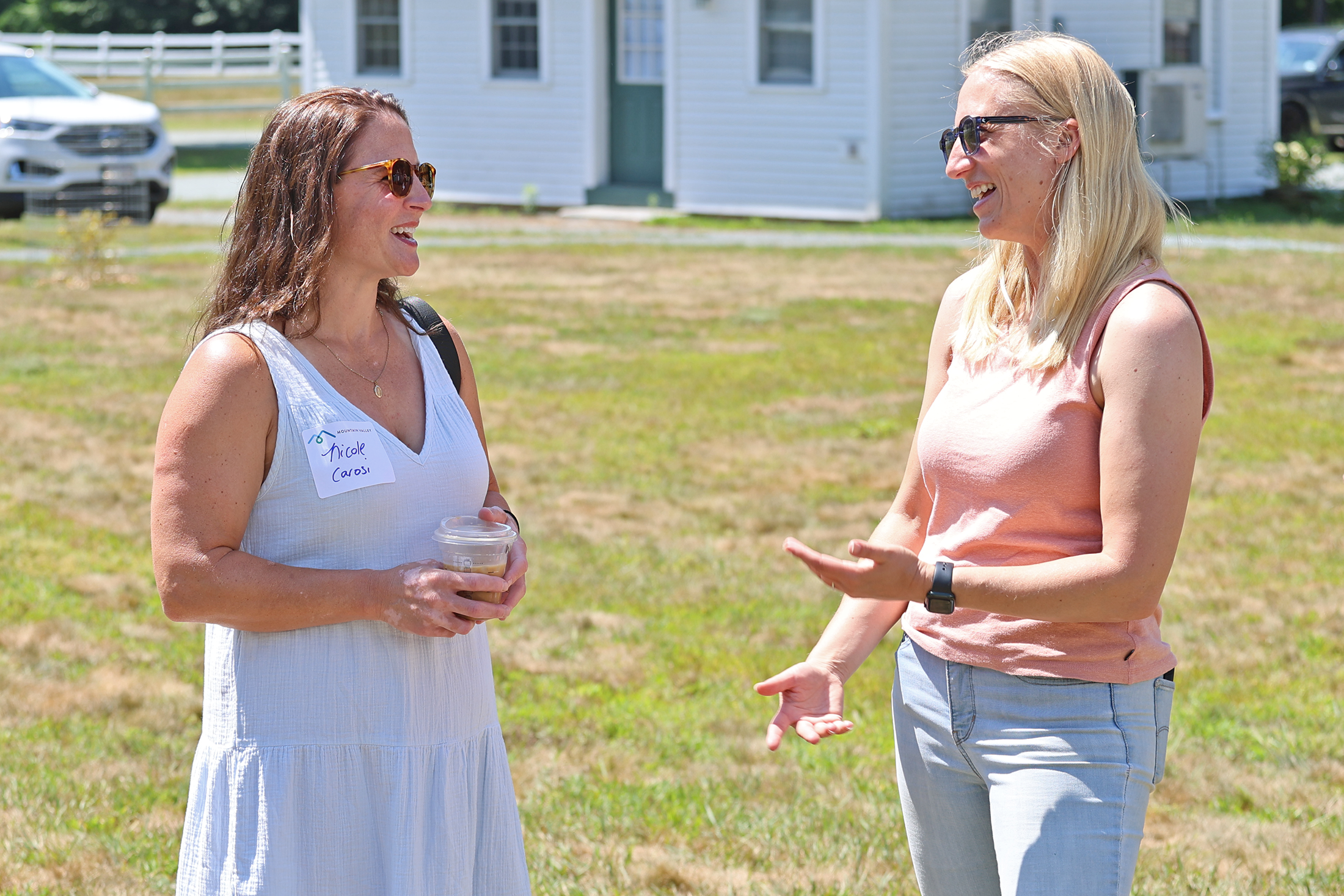
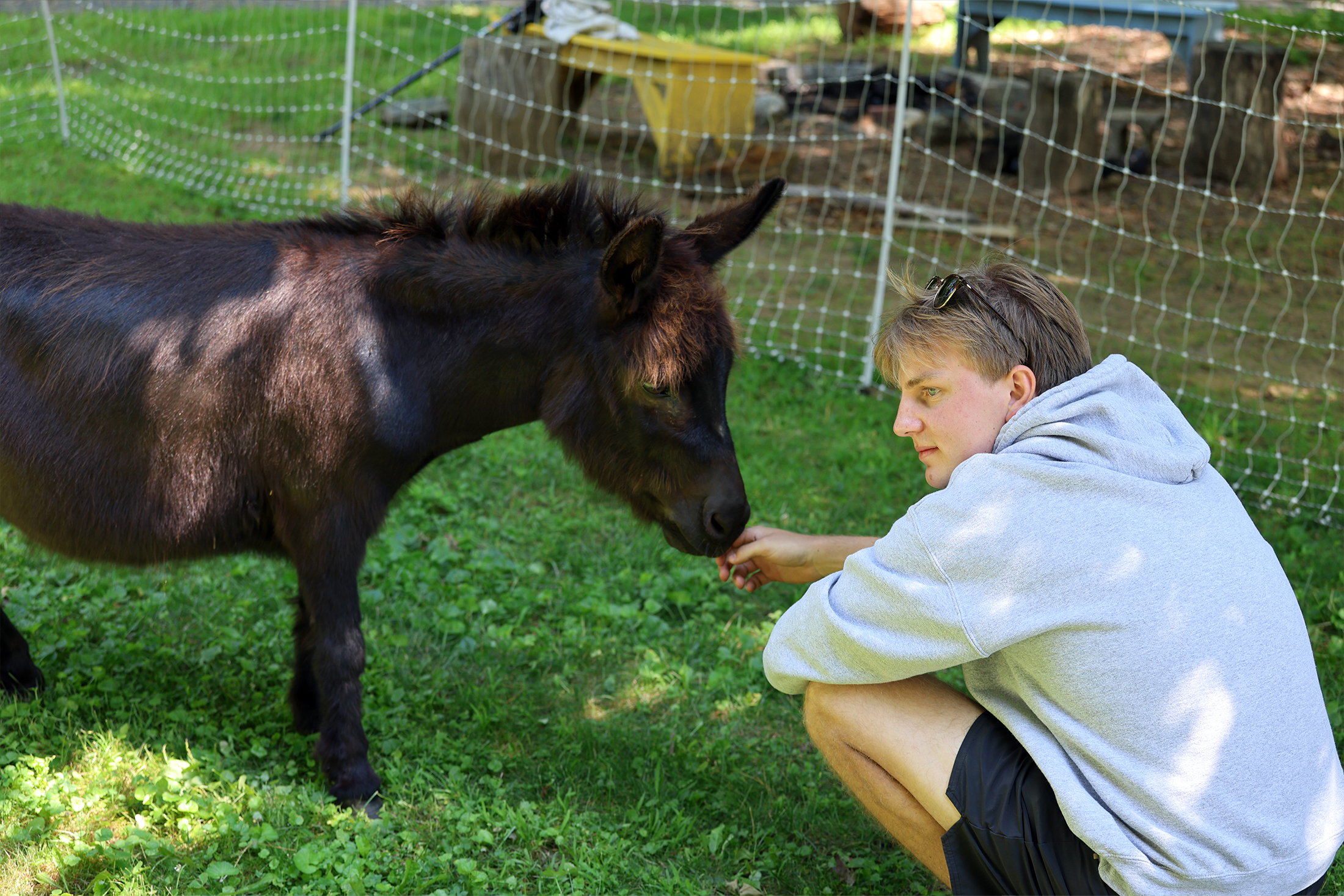
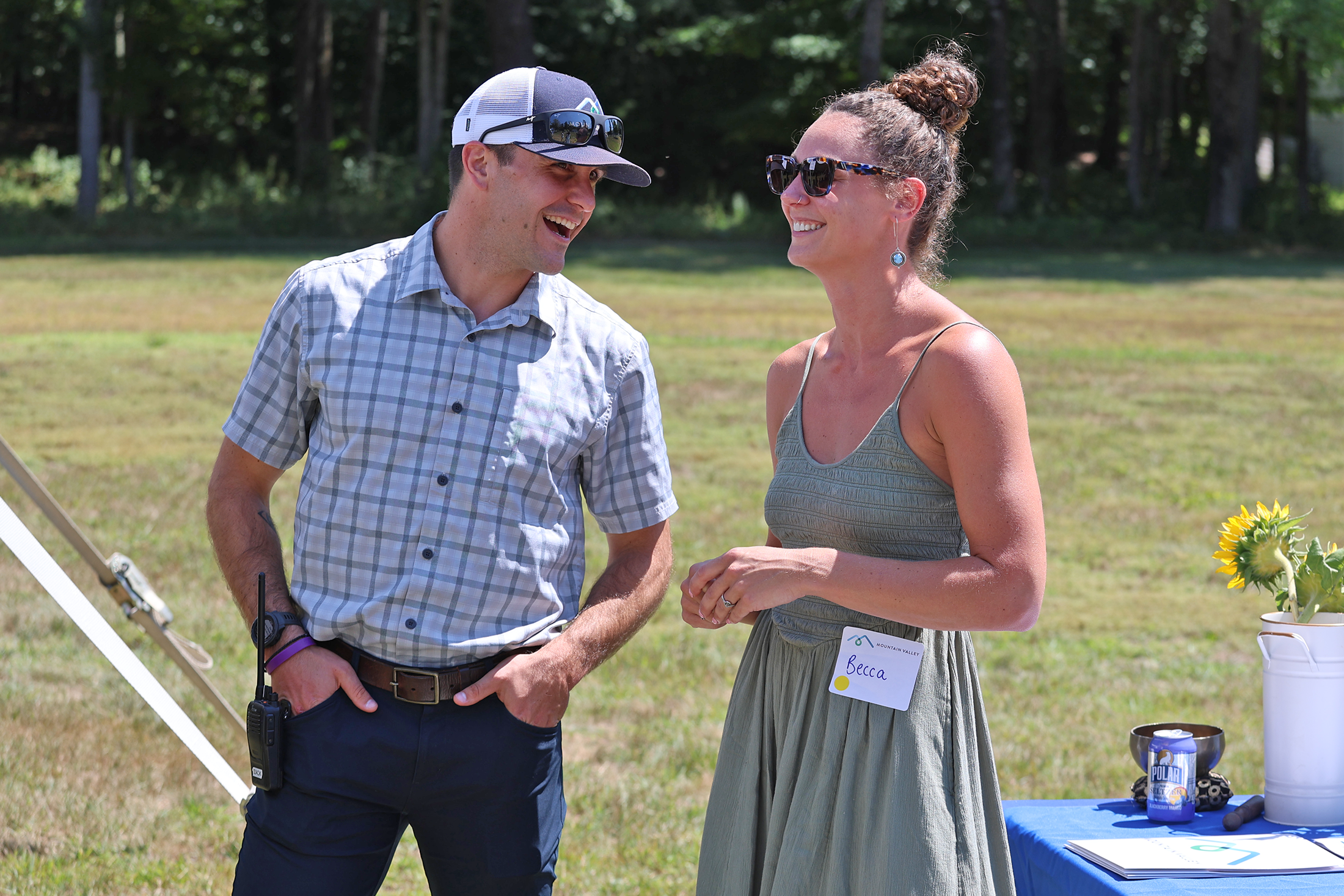
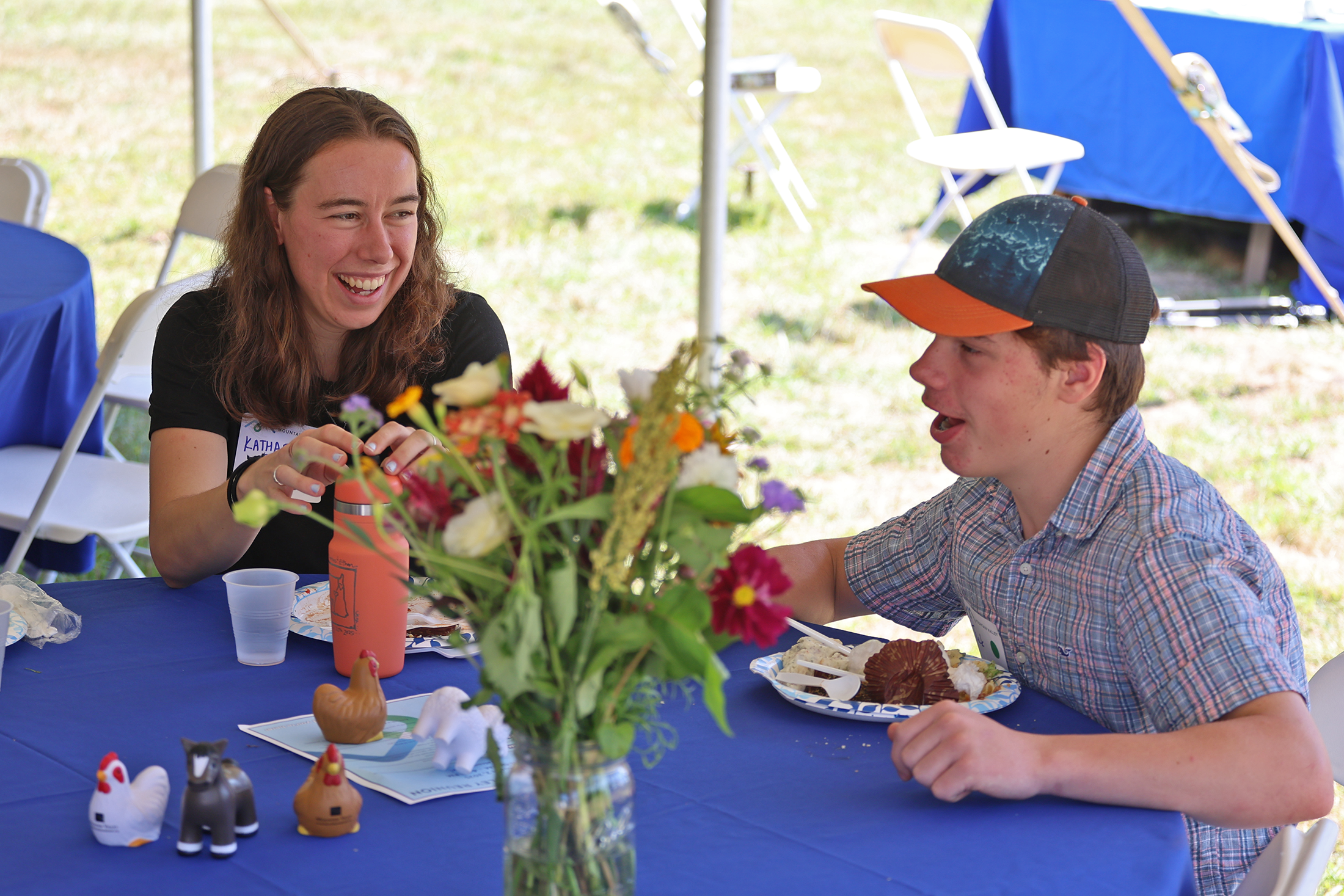
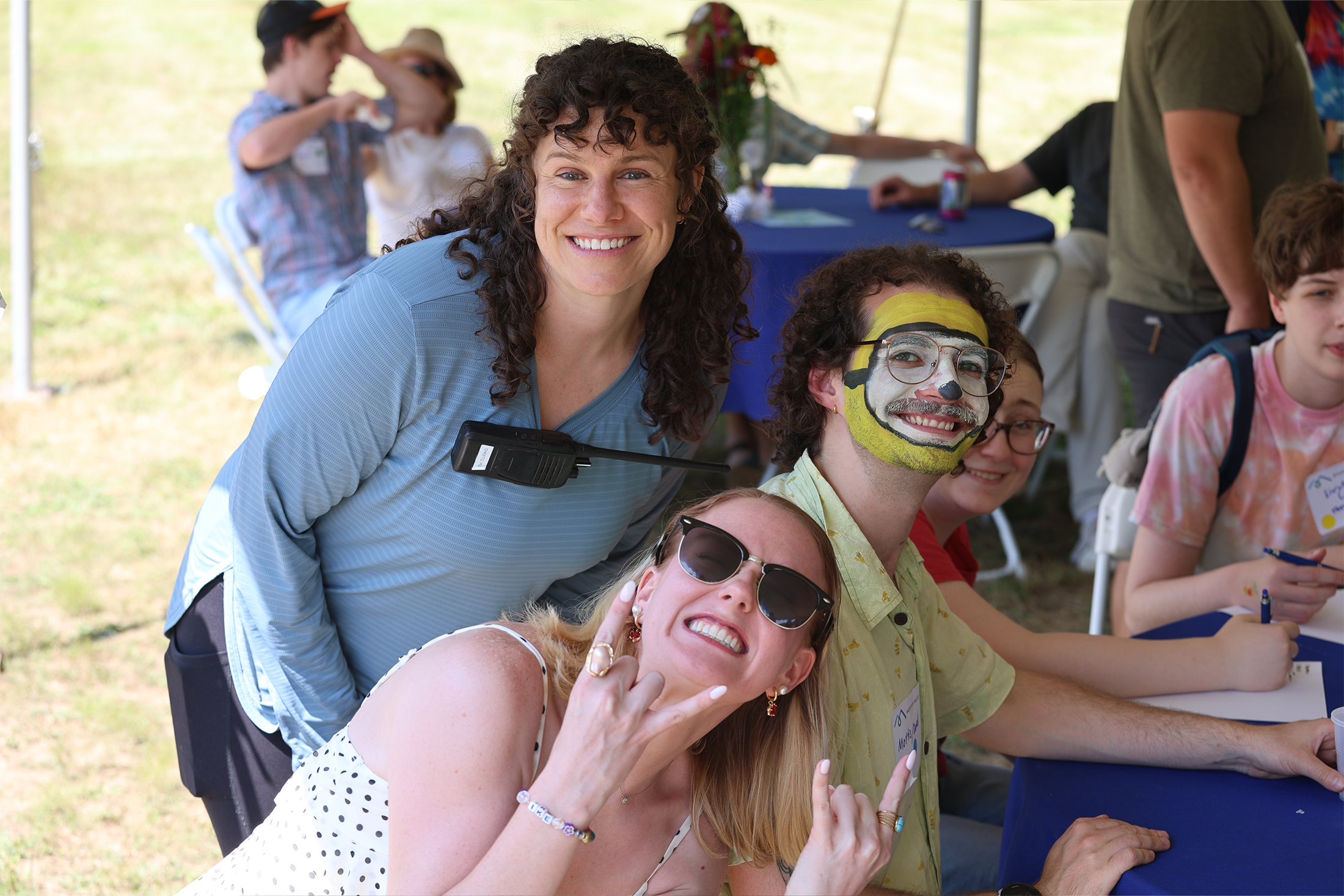
Captured: Mountain Valley Reunion Moments

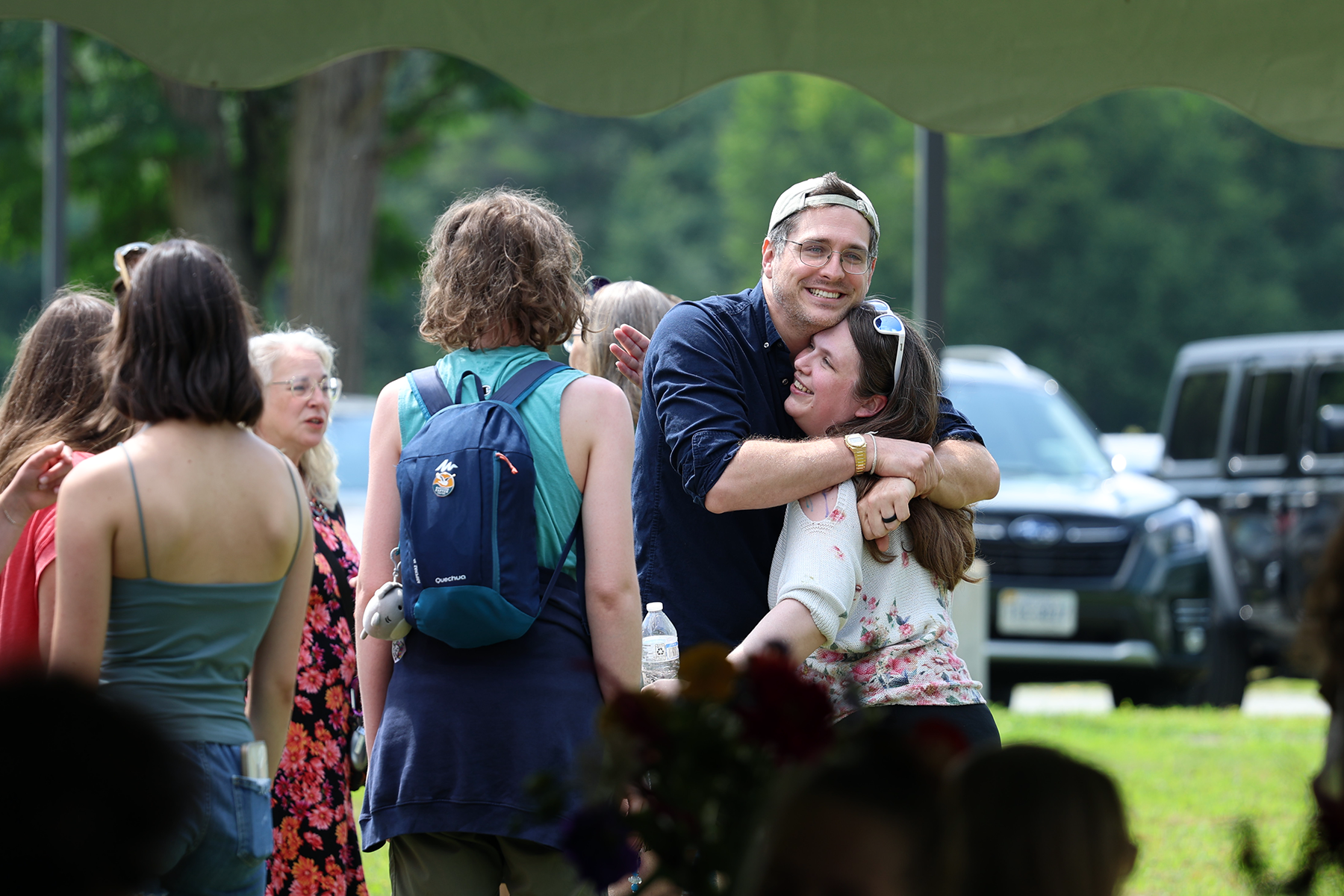
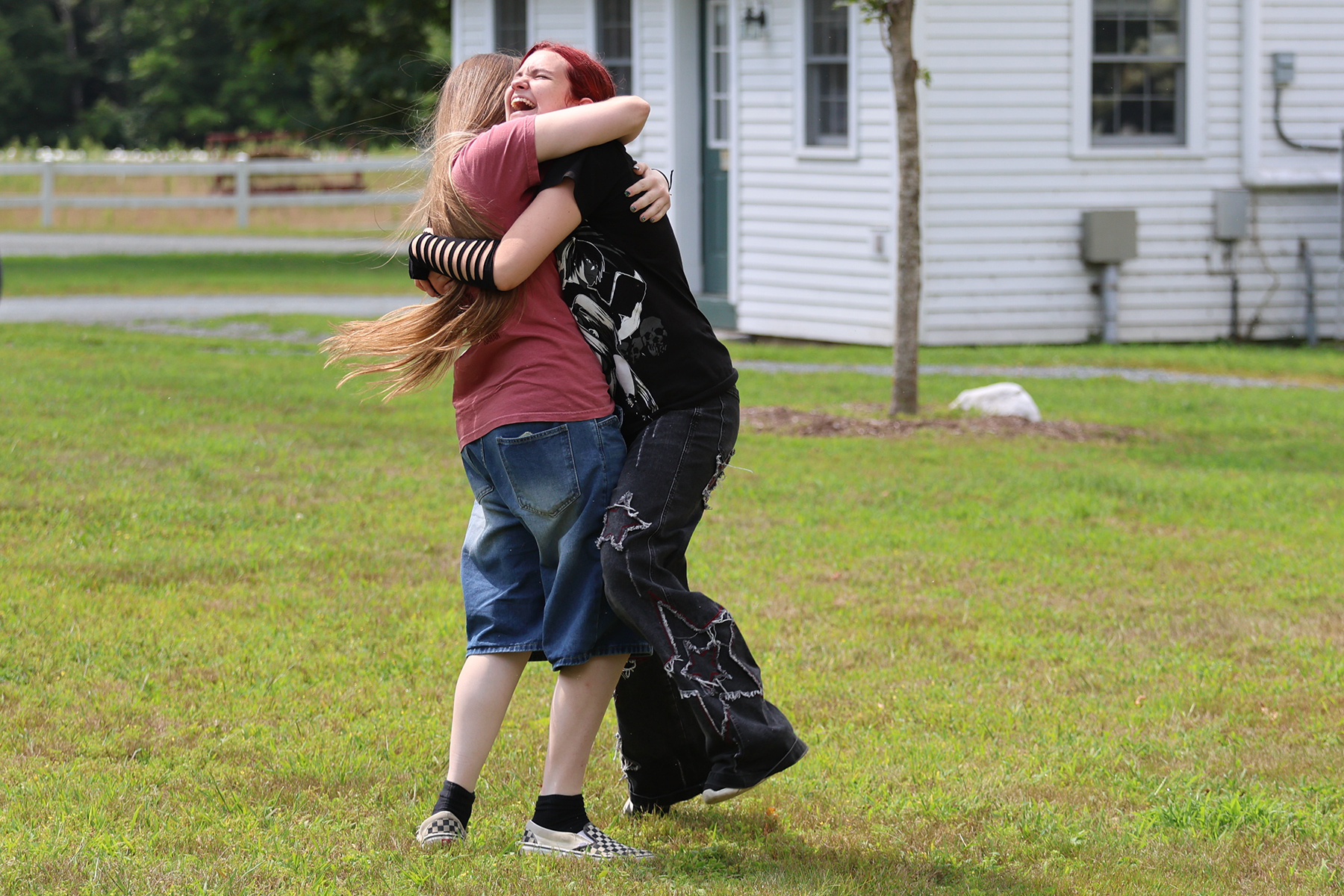
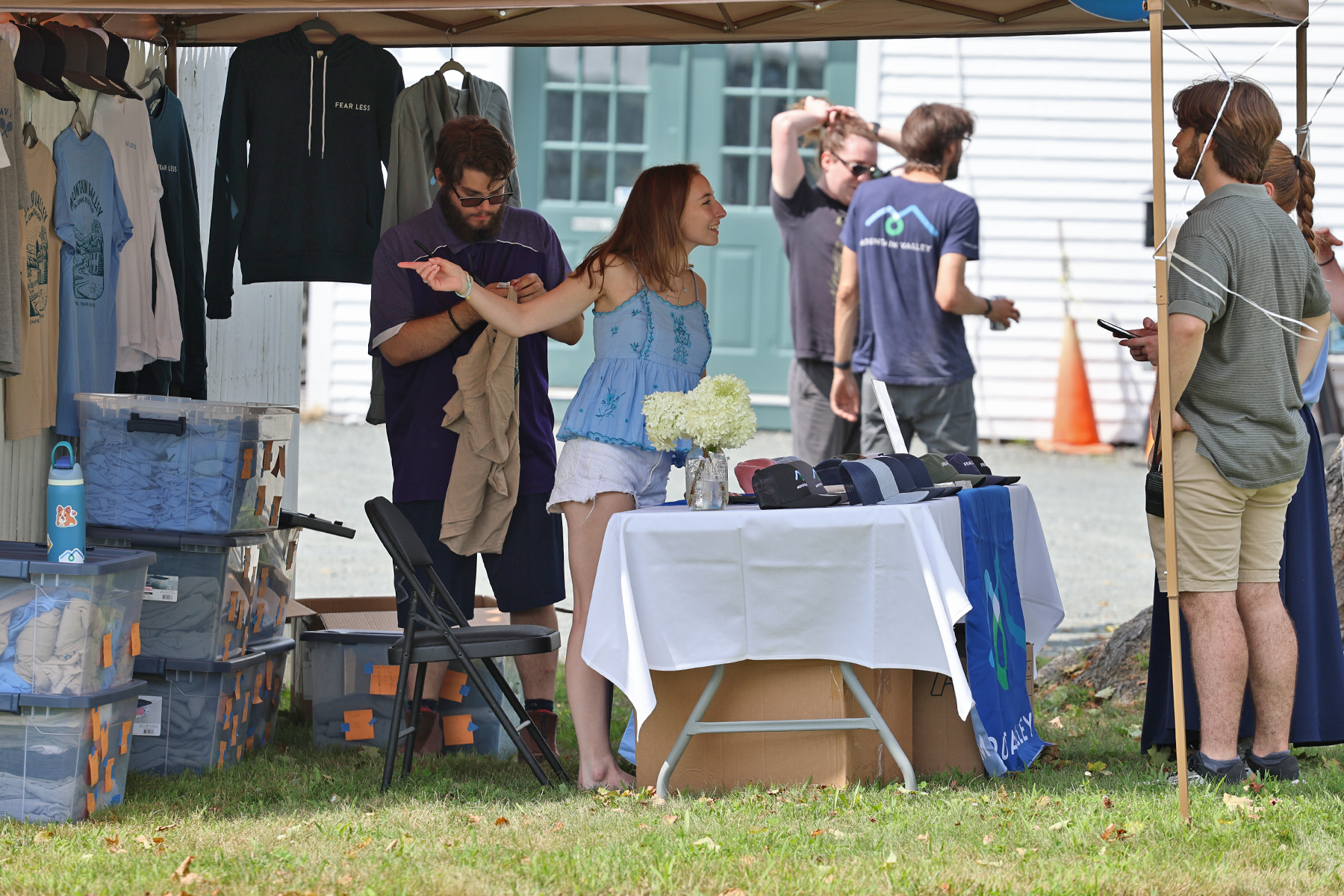
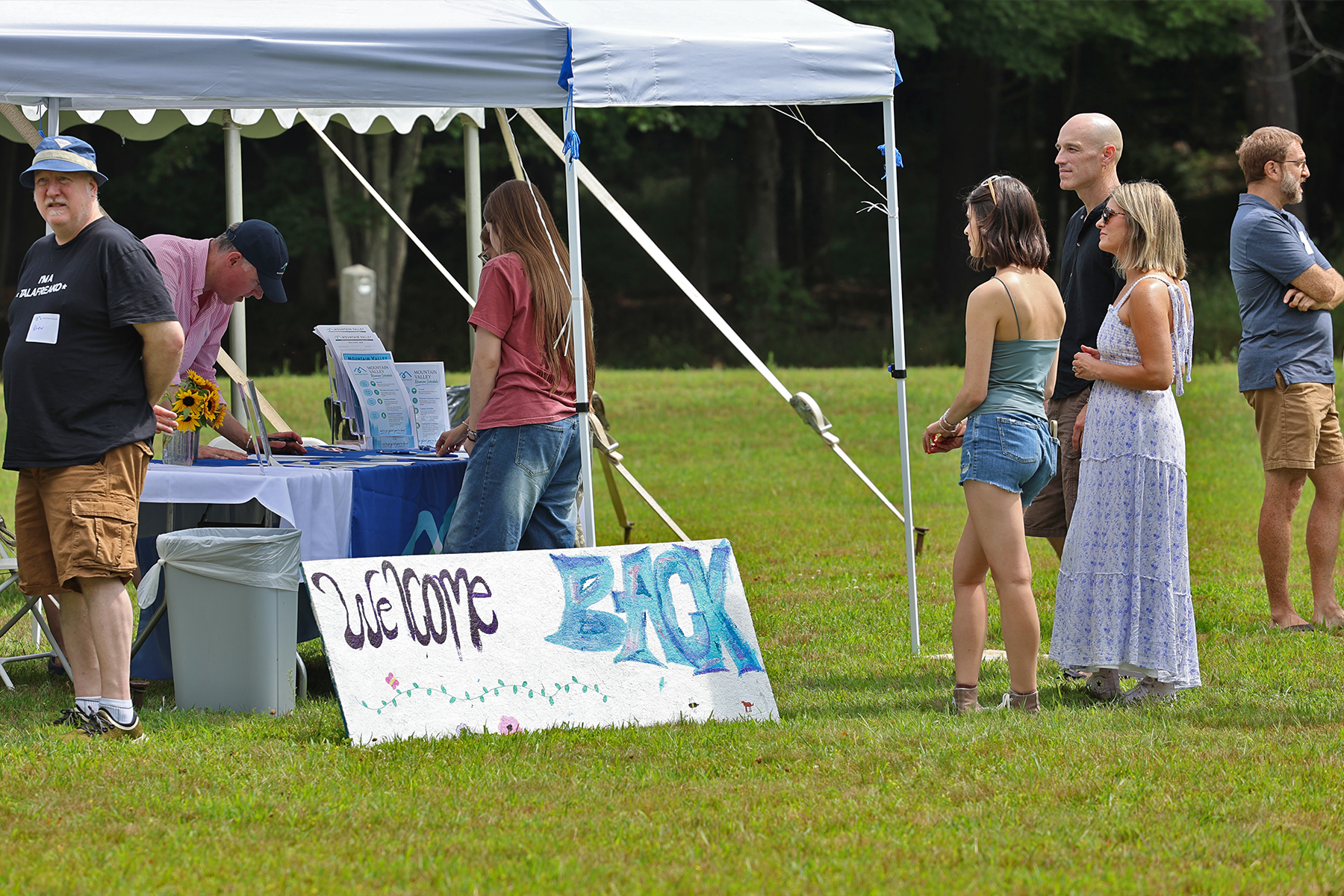
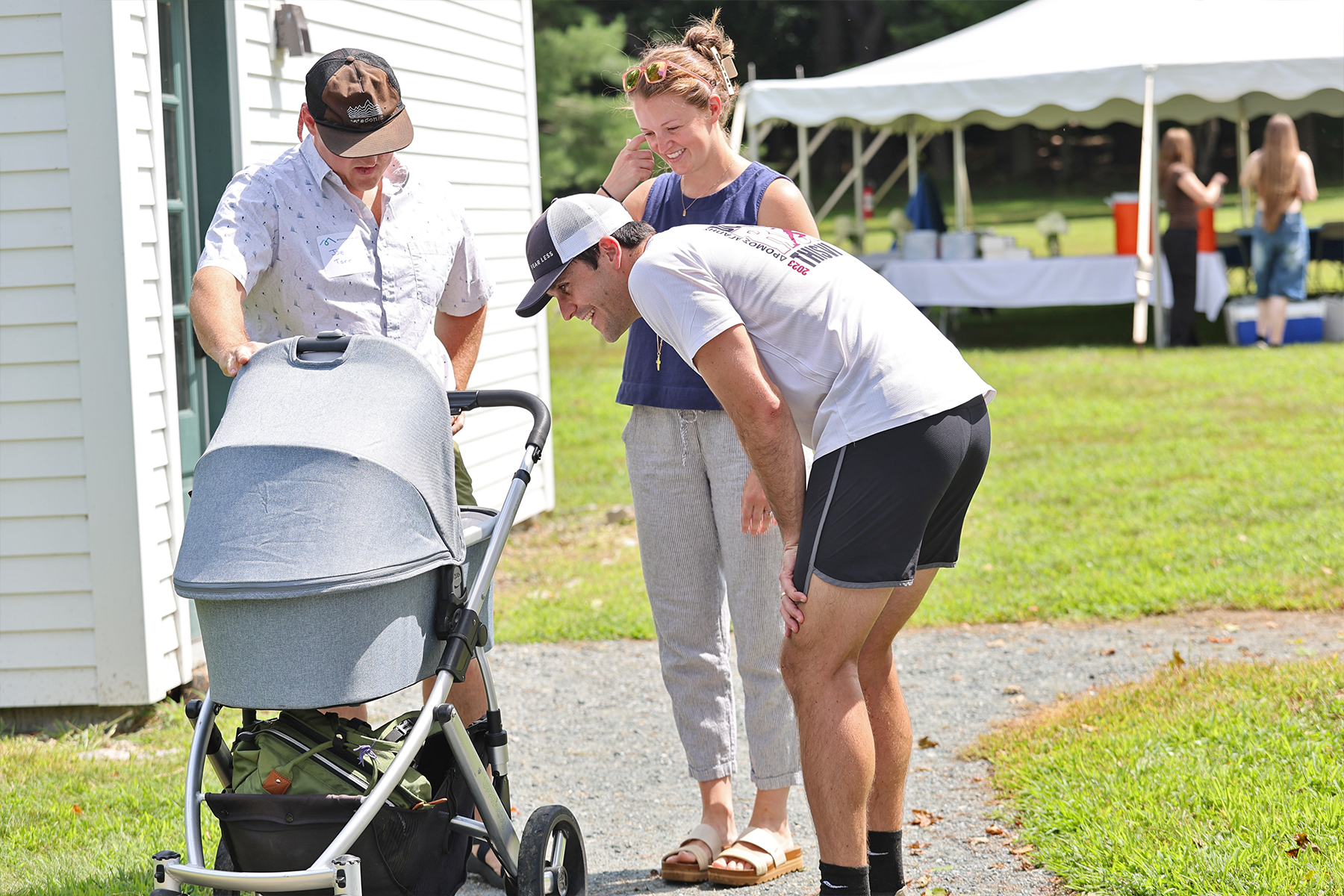
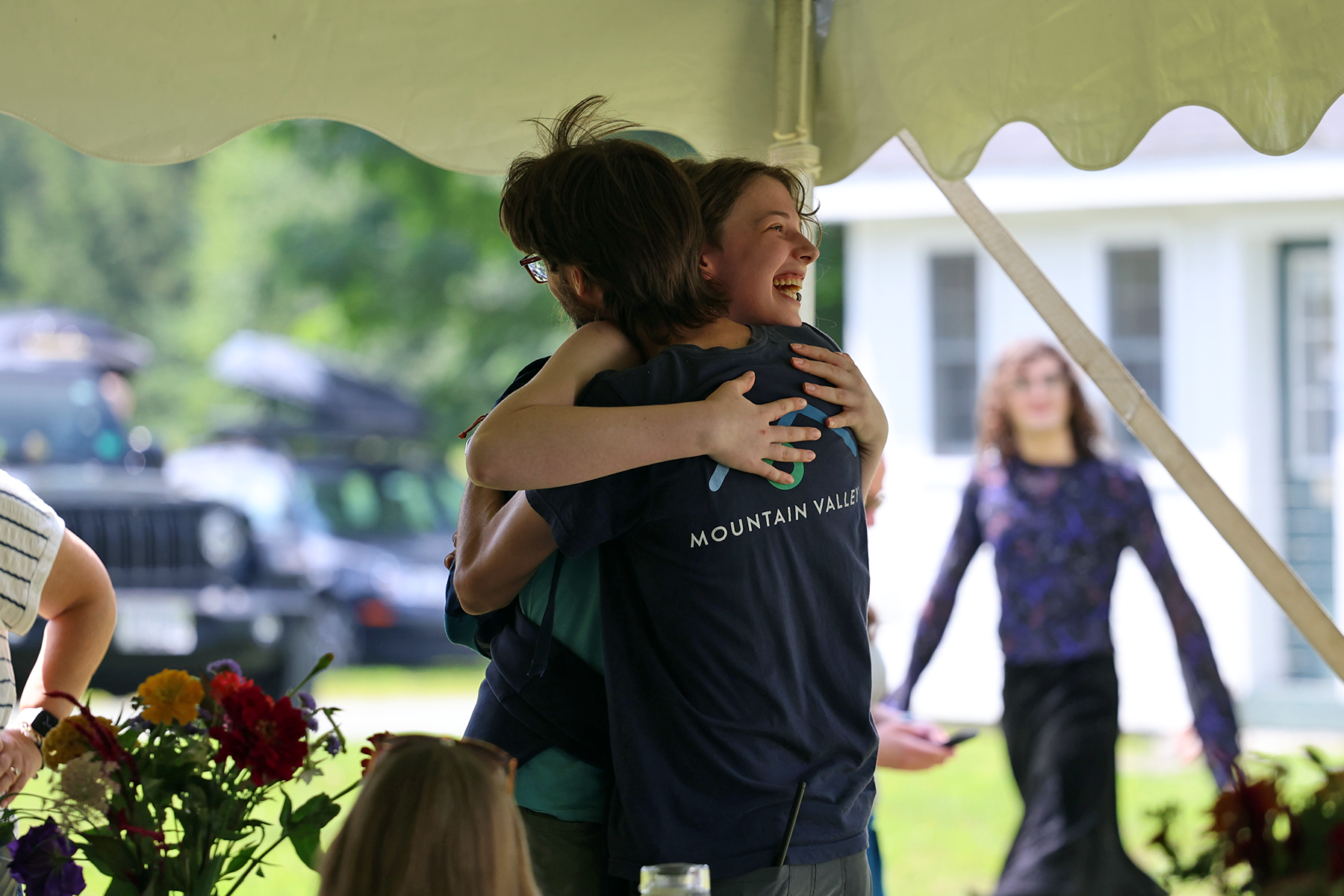
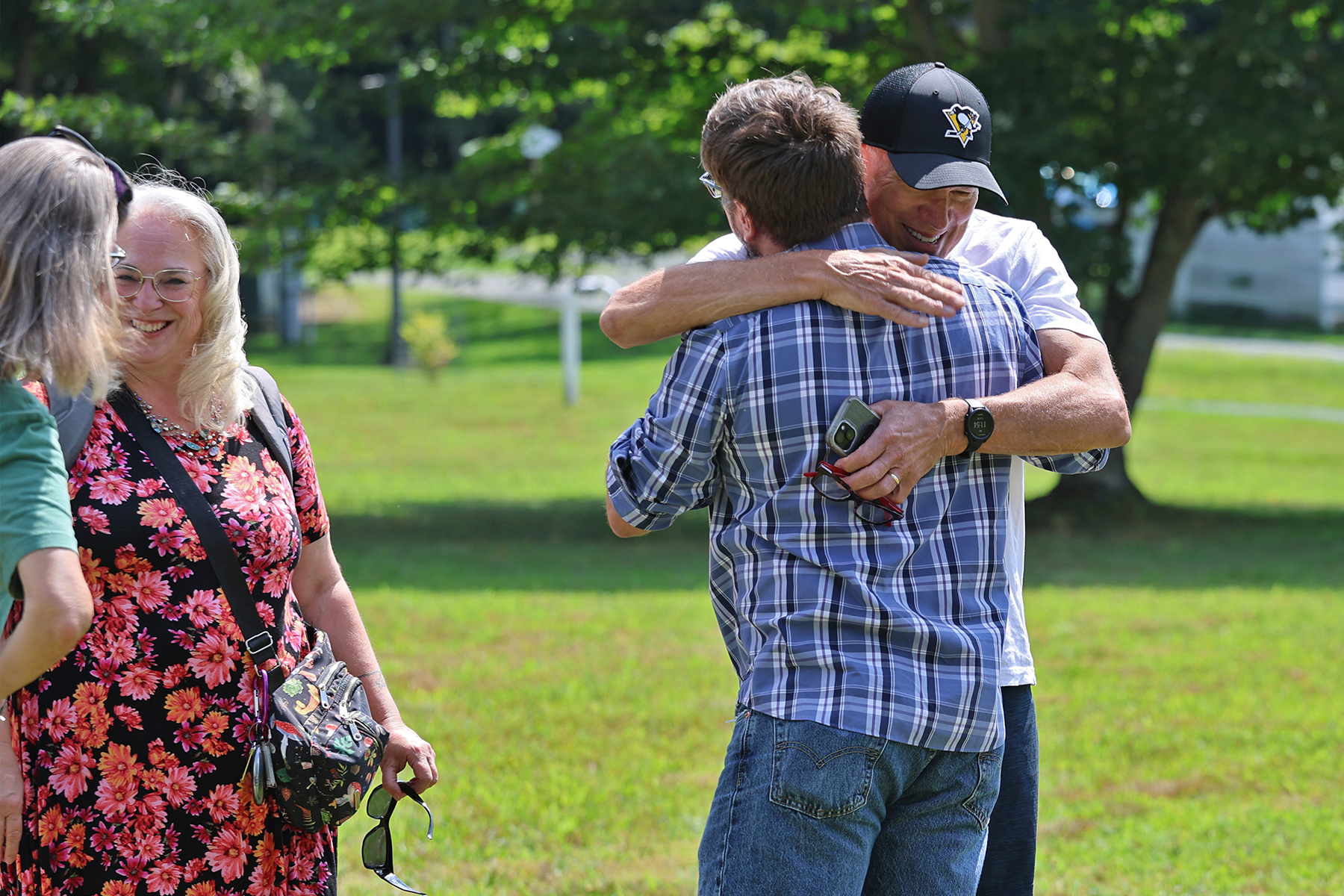
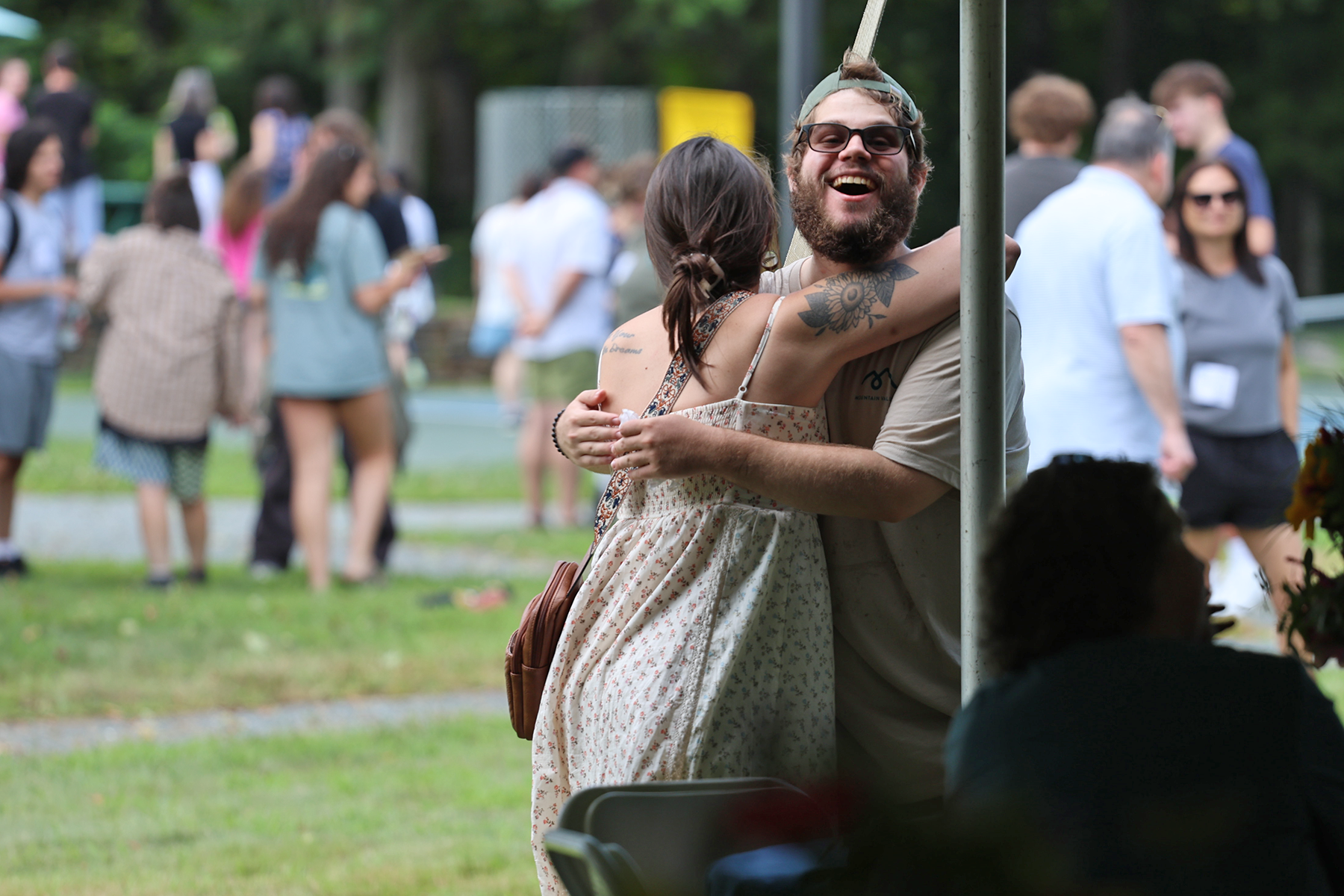
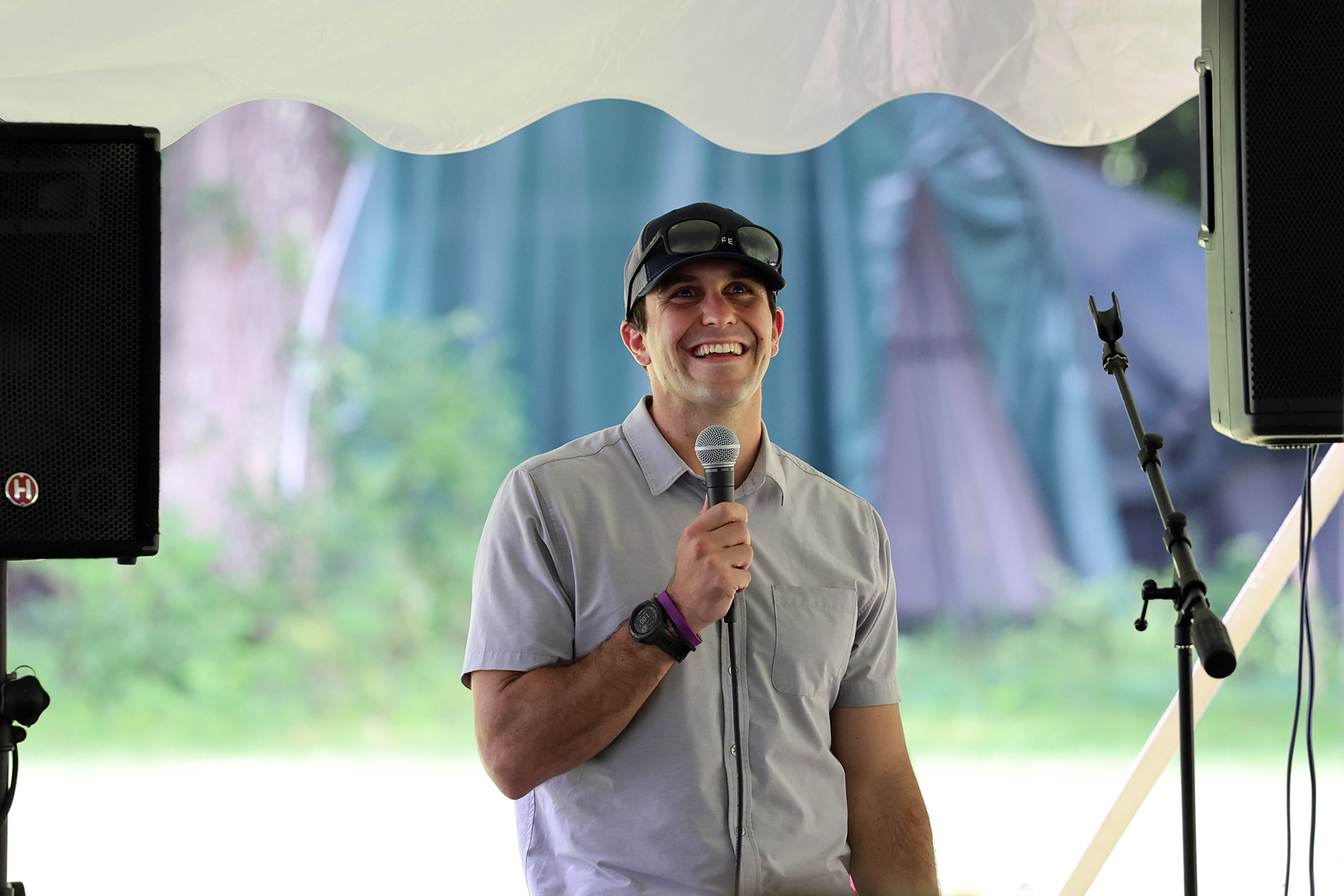
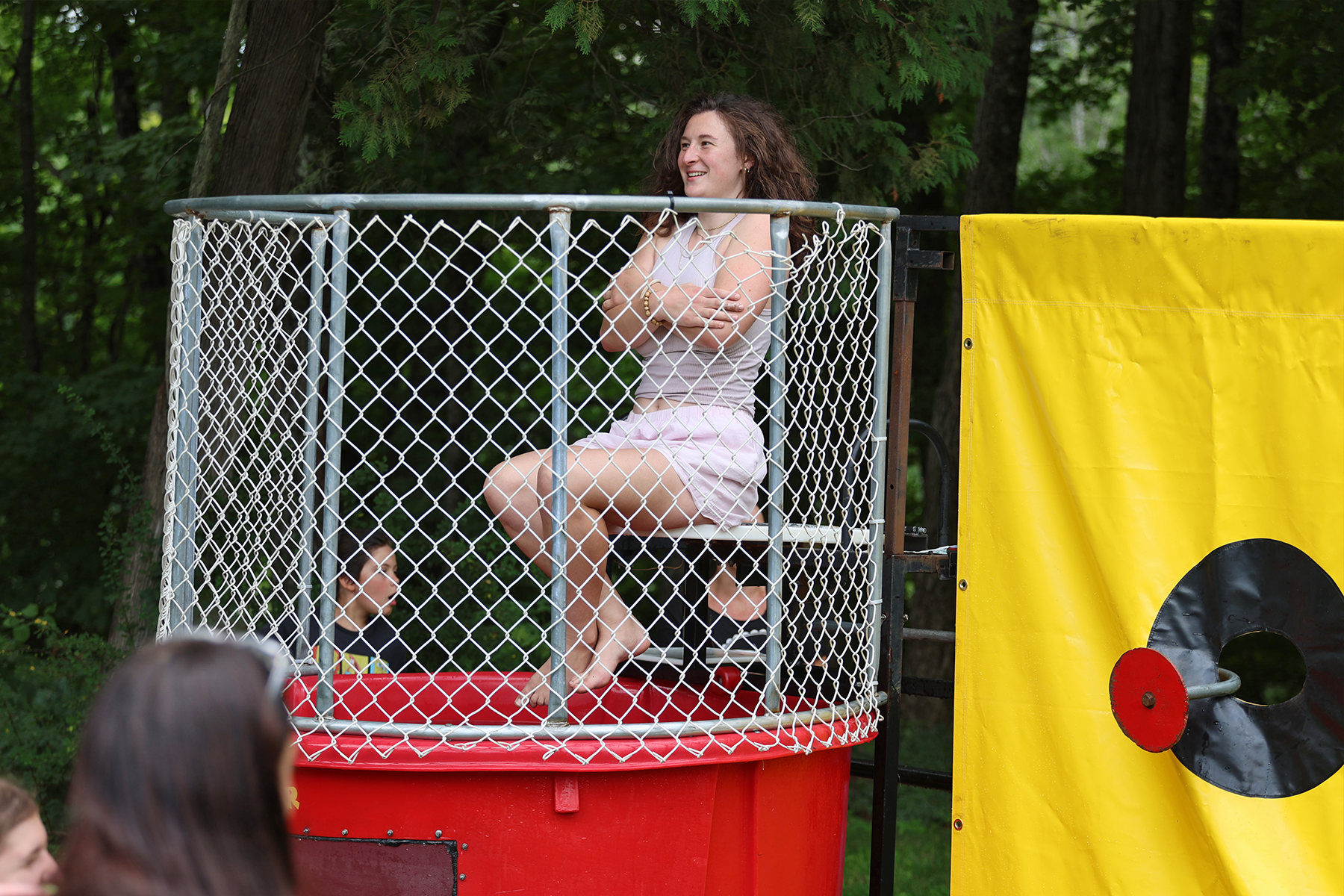
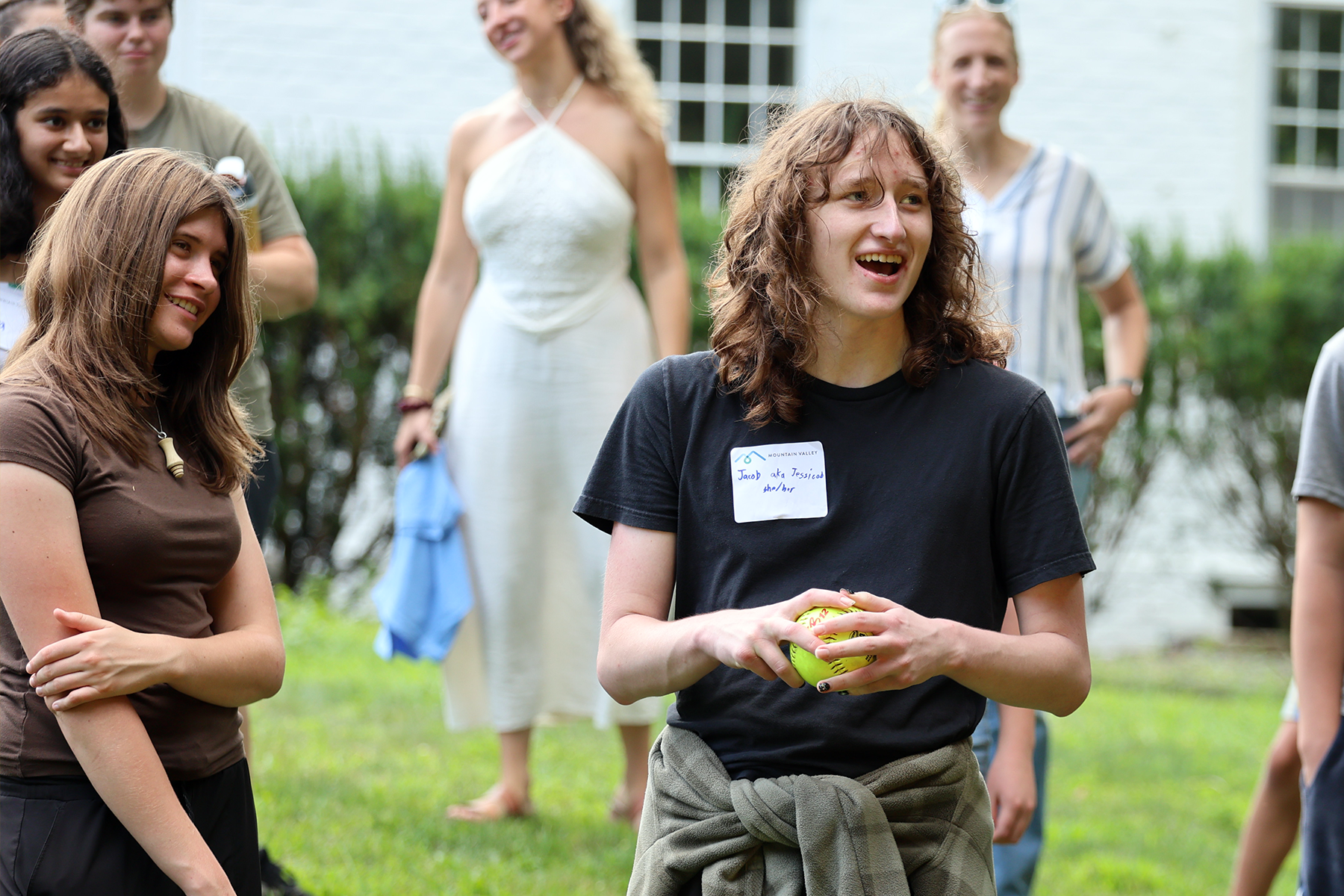
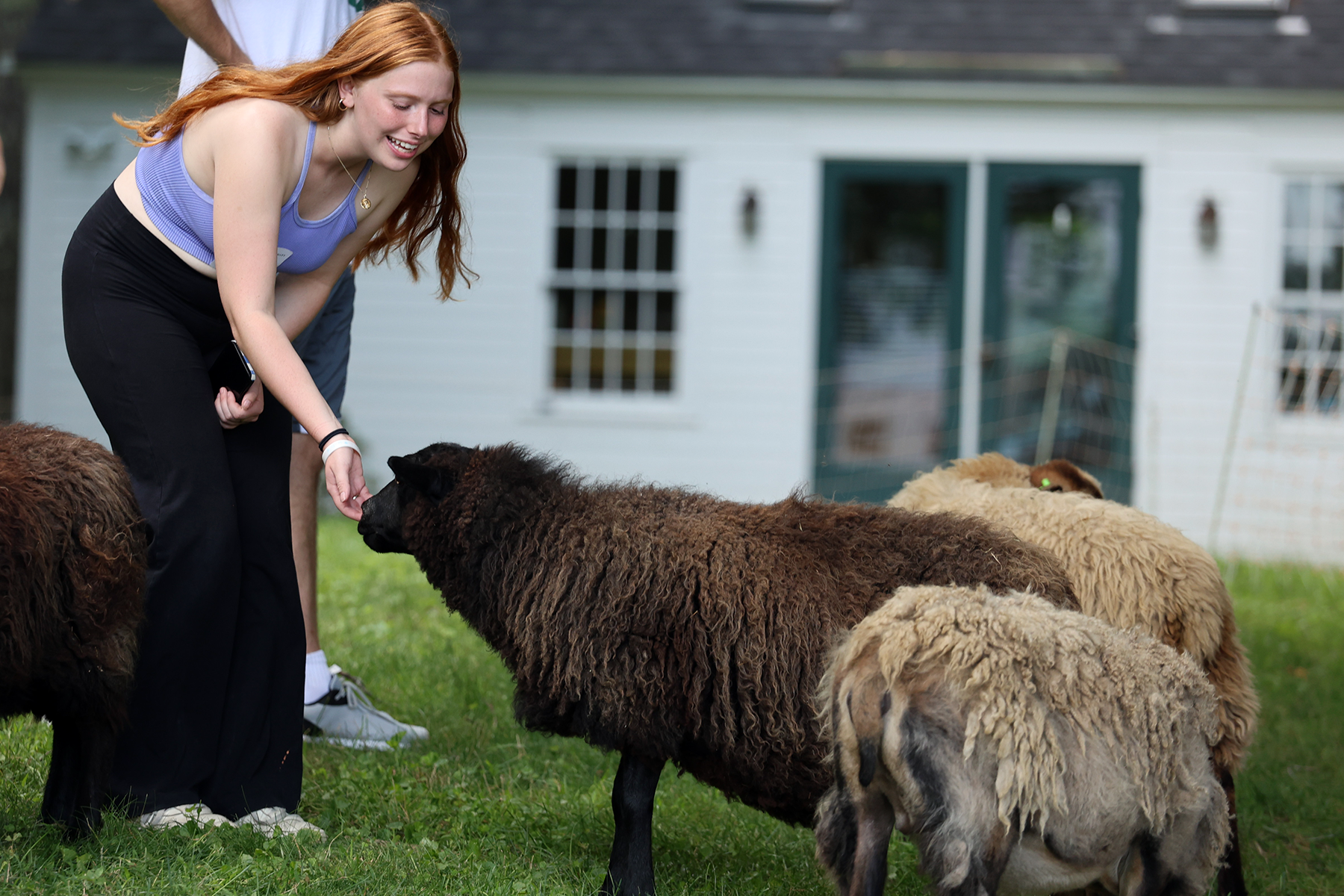
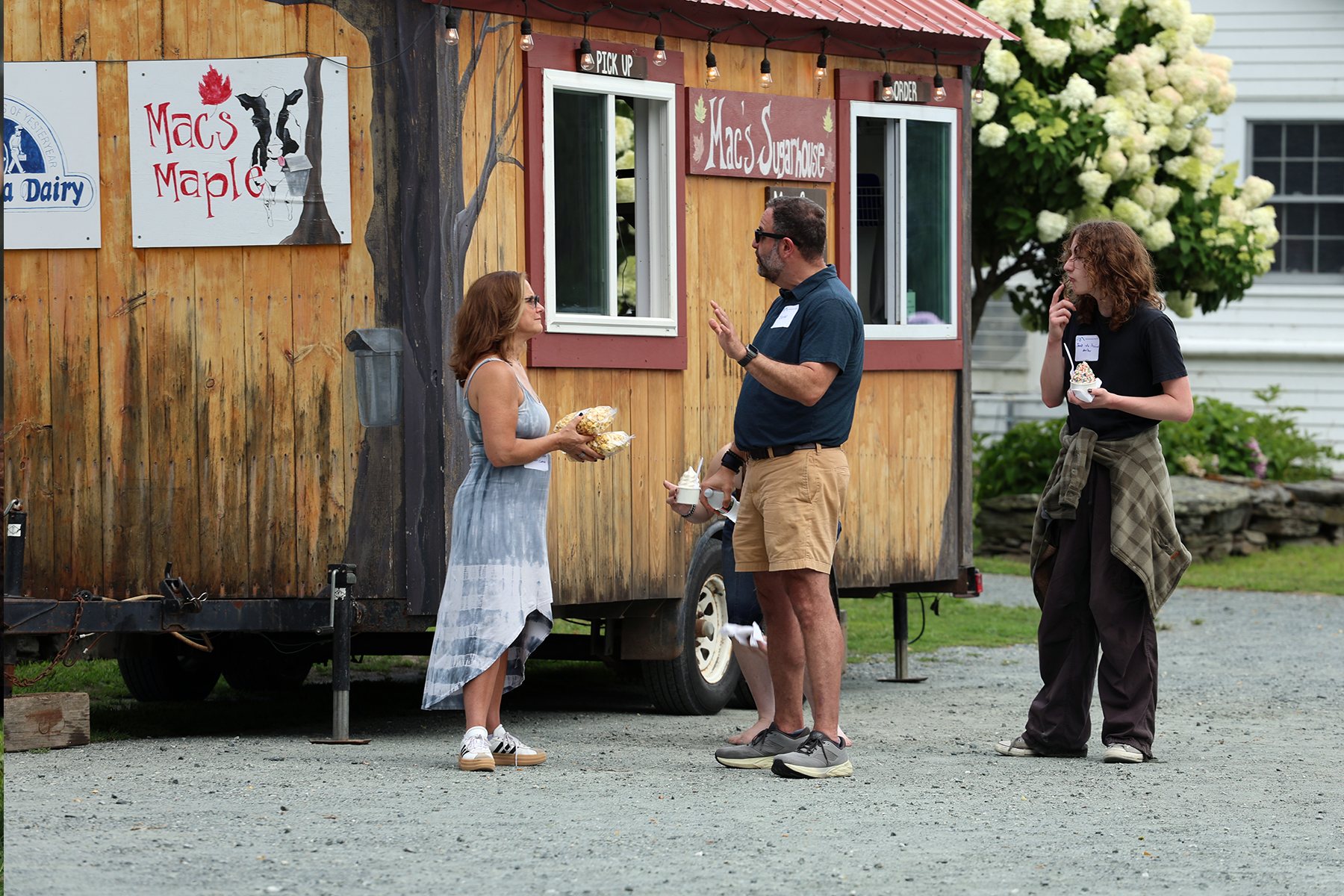
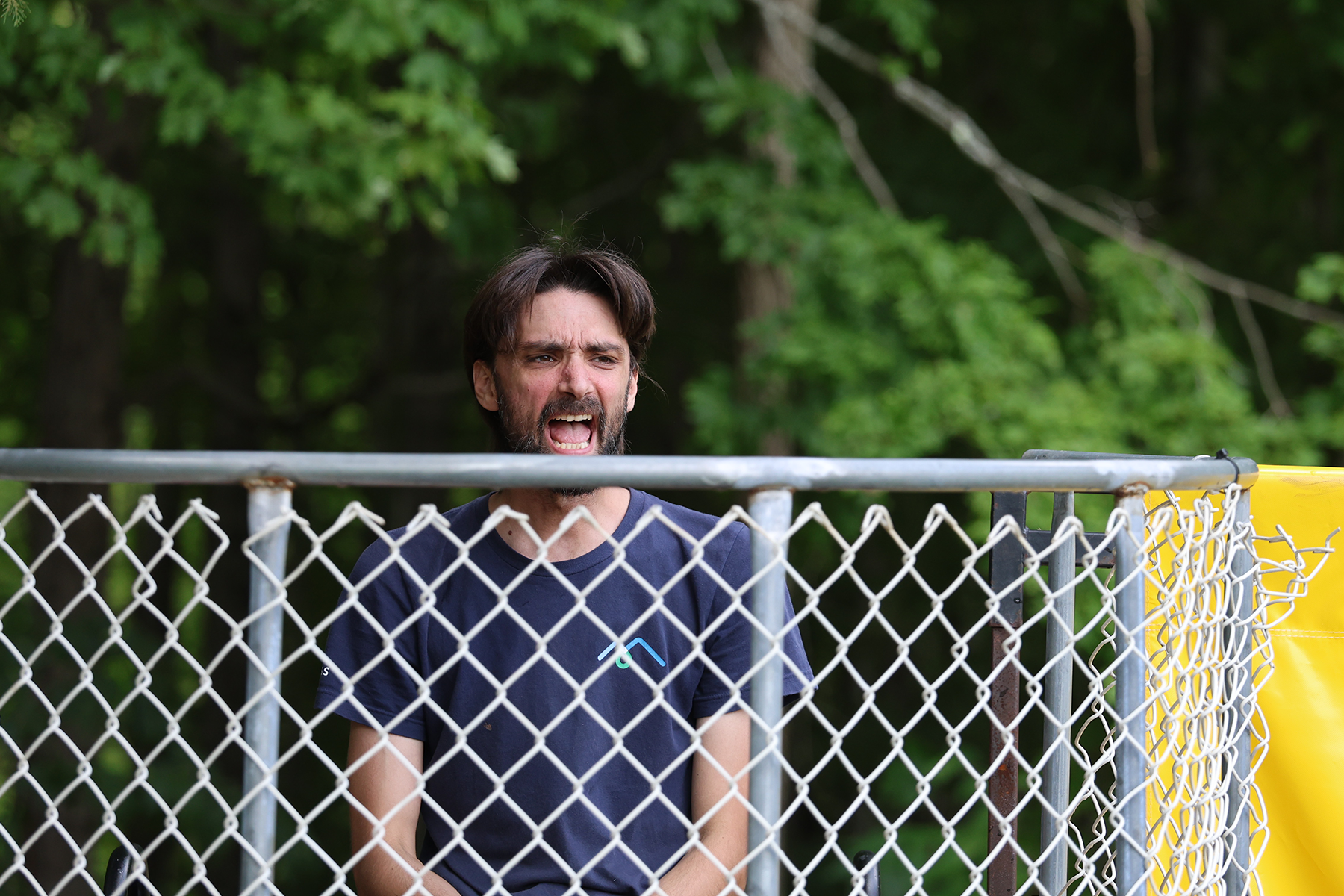
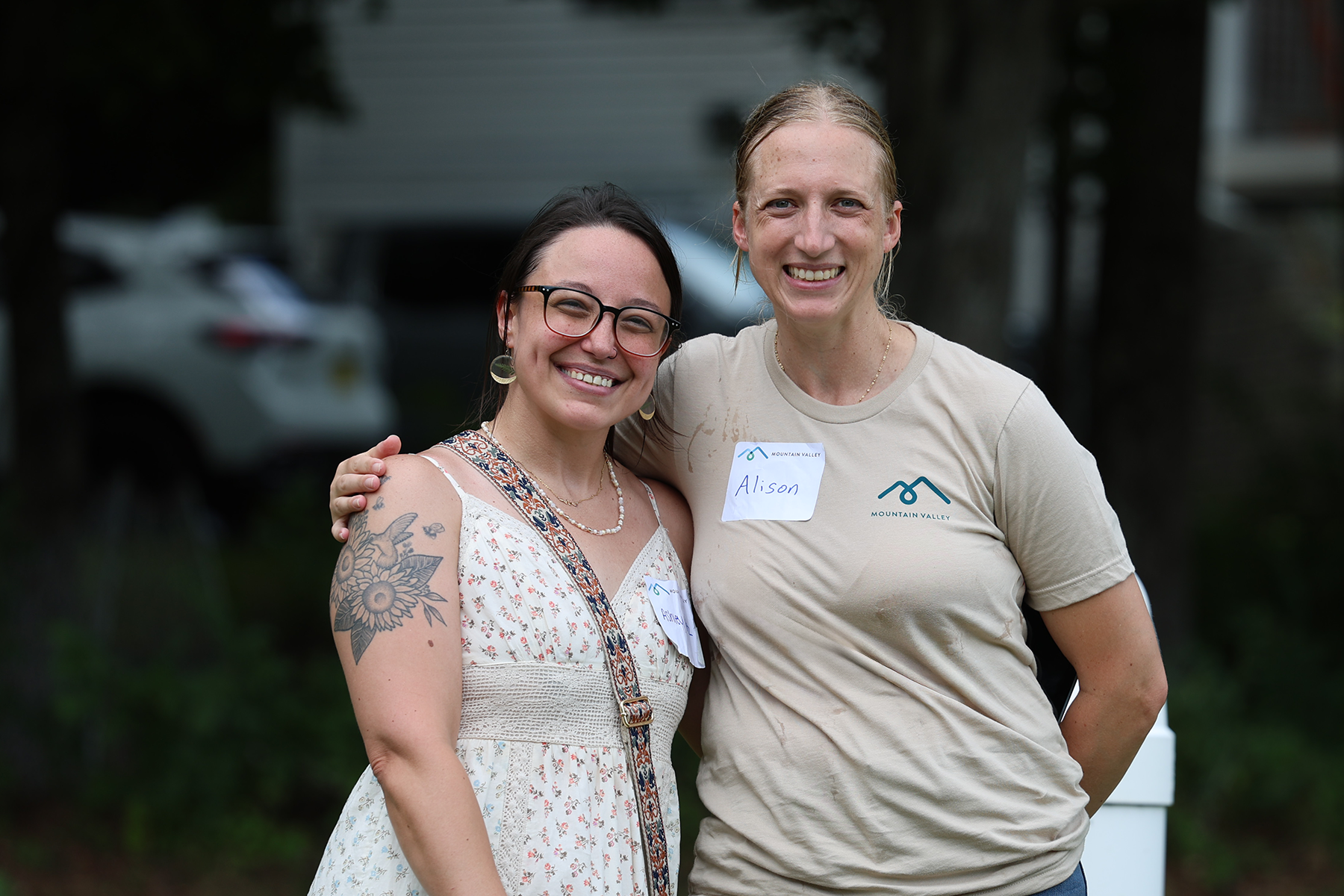
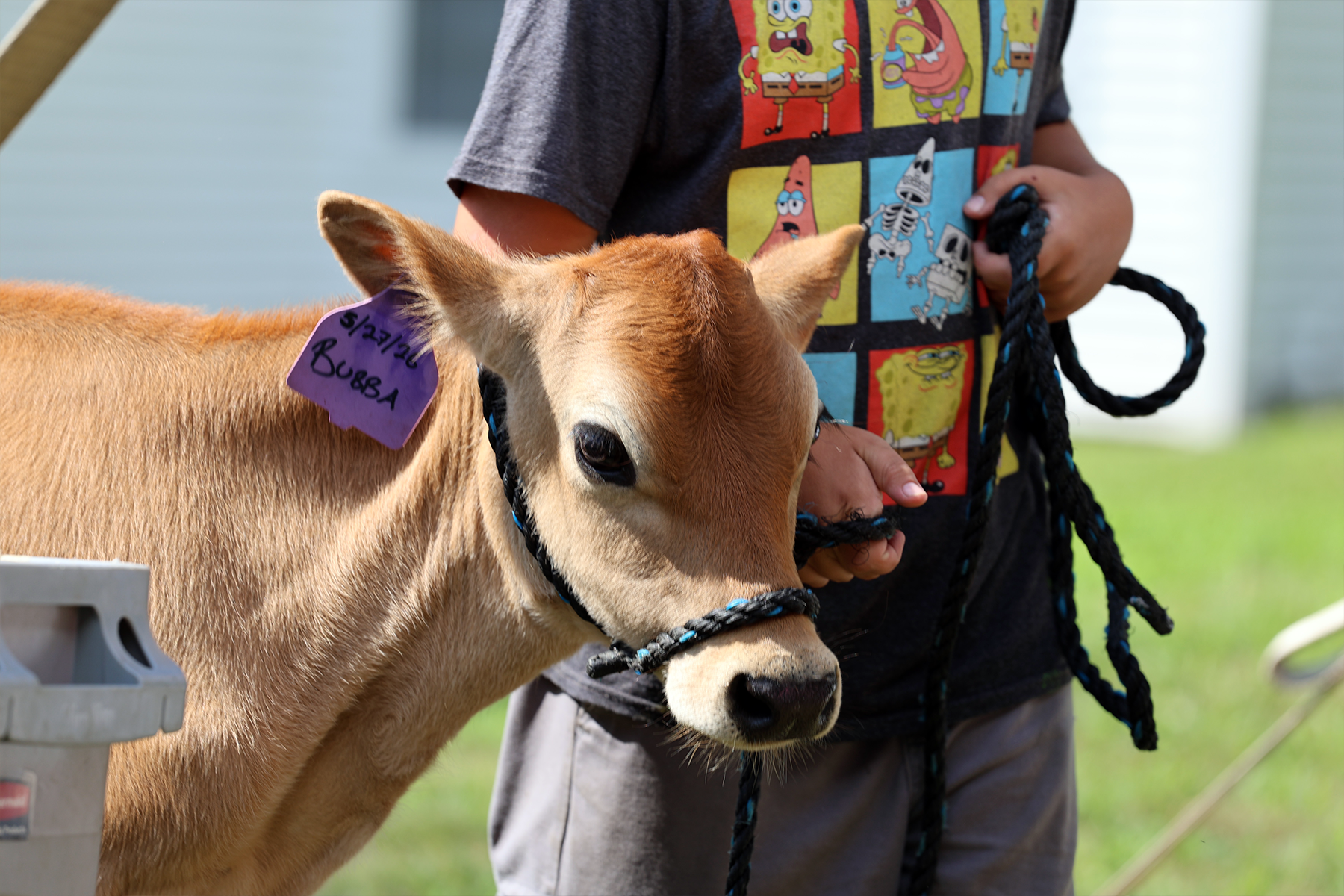
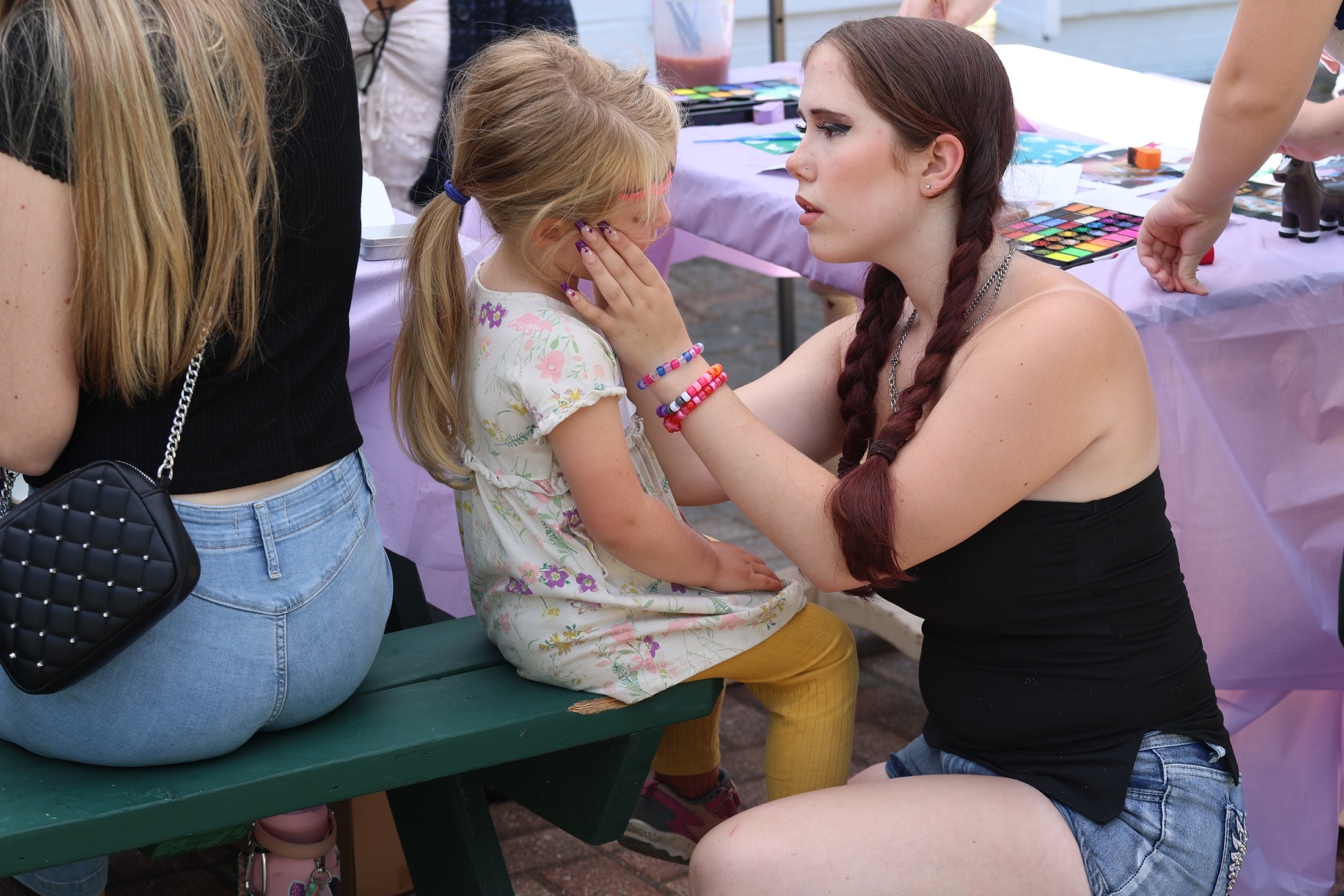
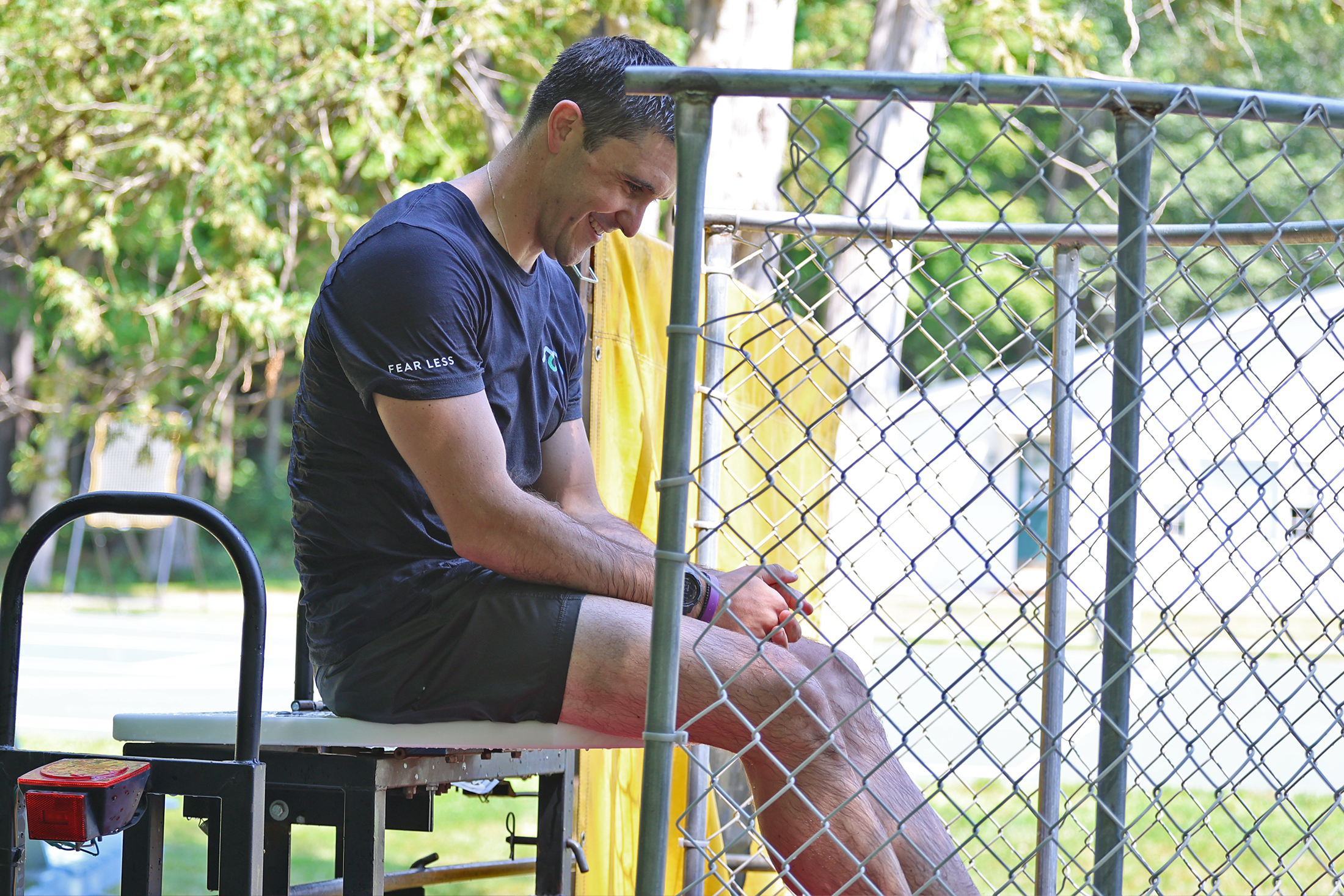
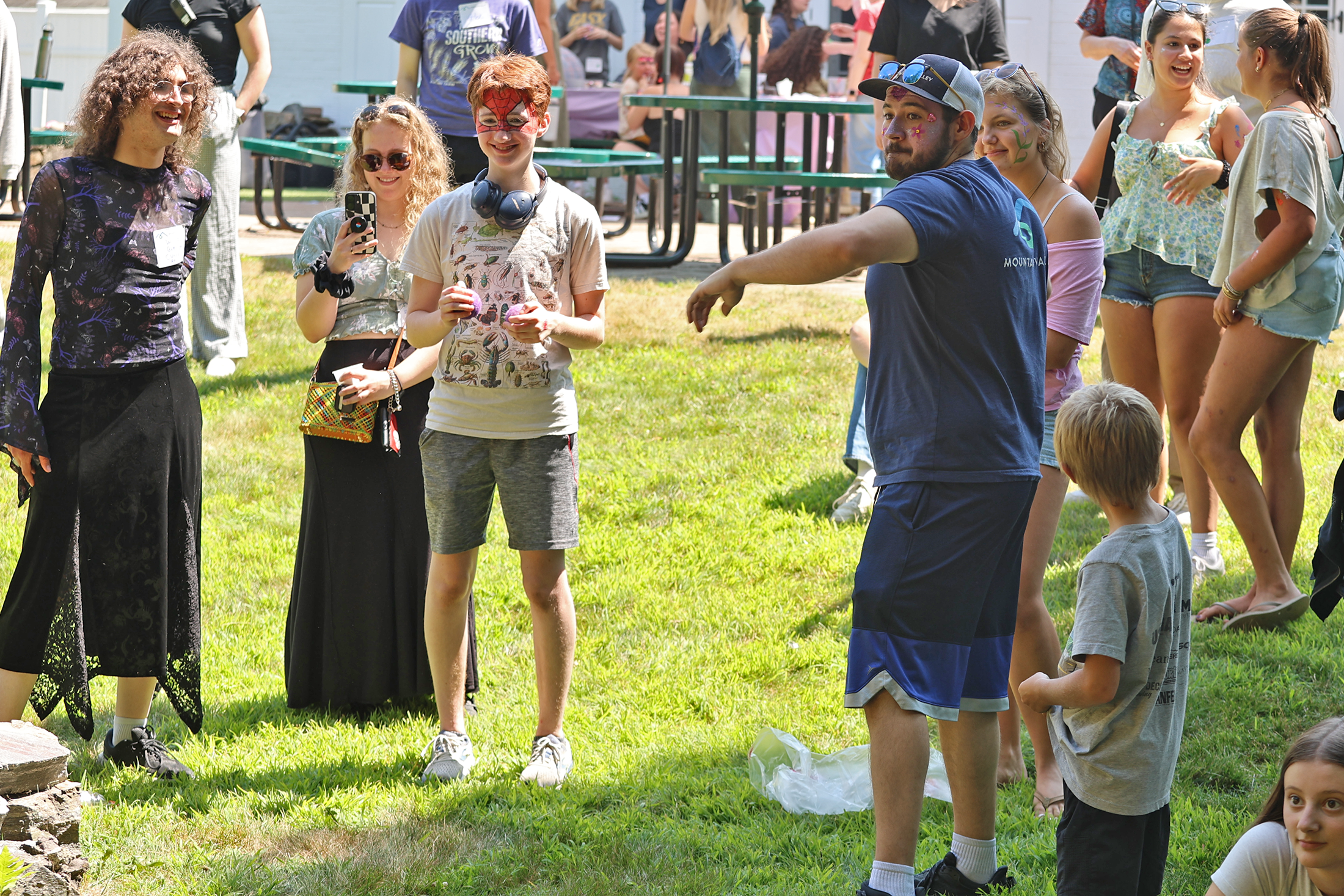
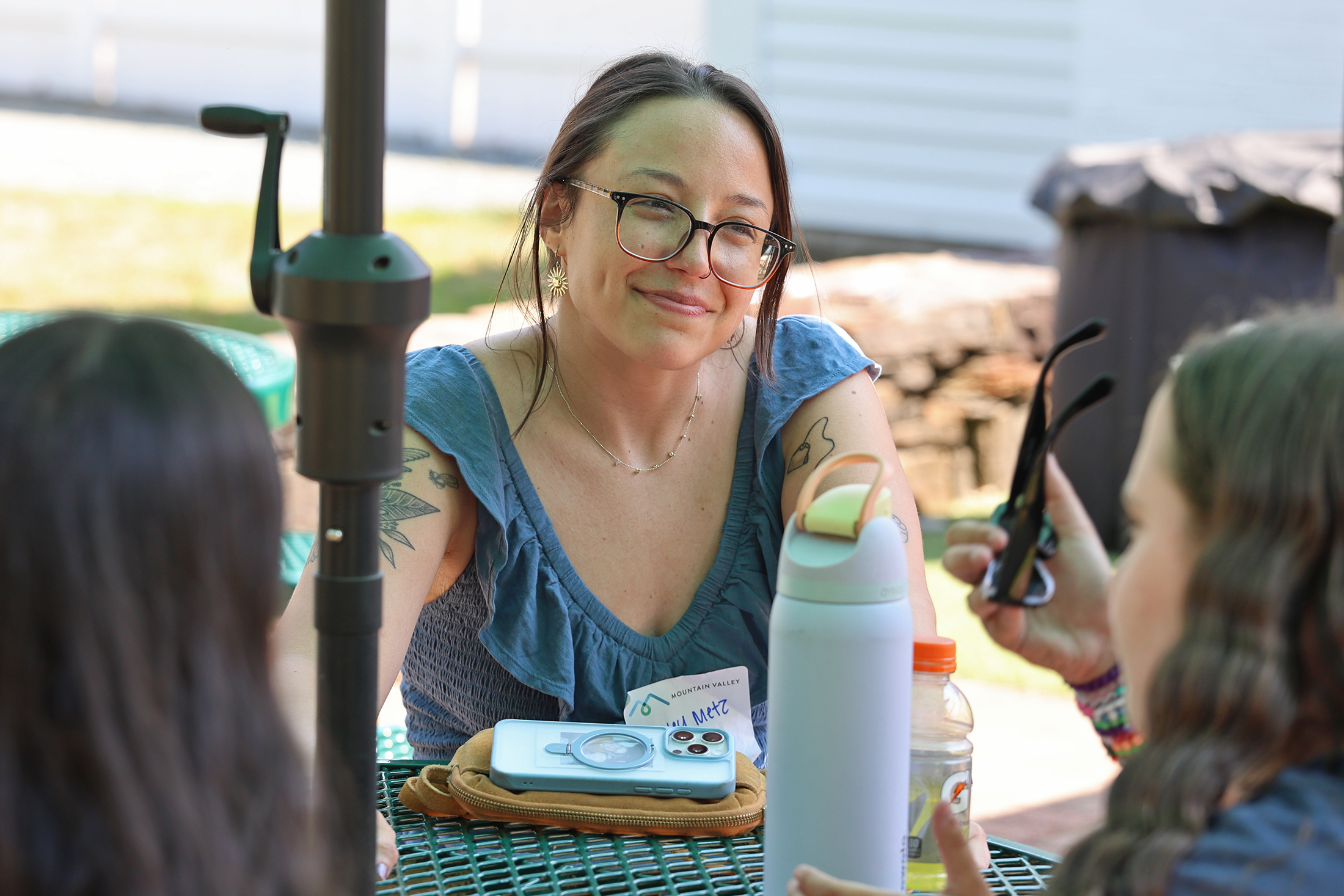
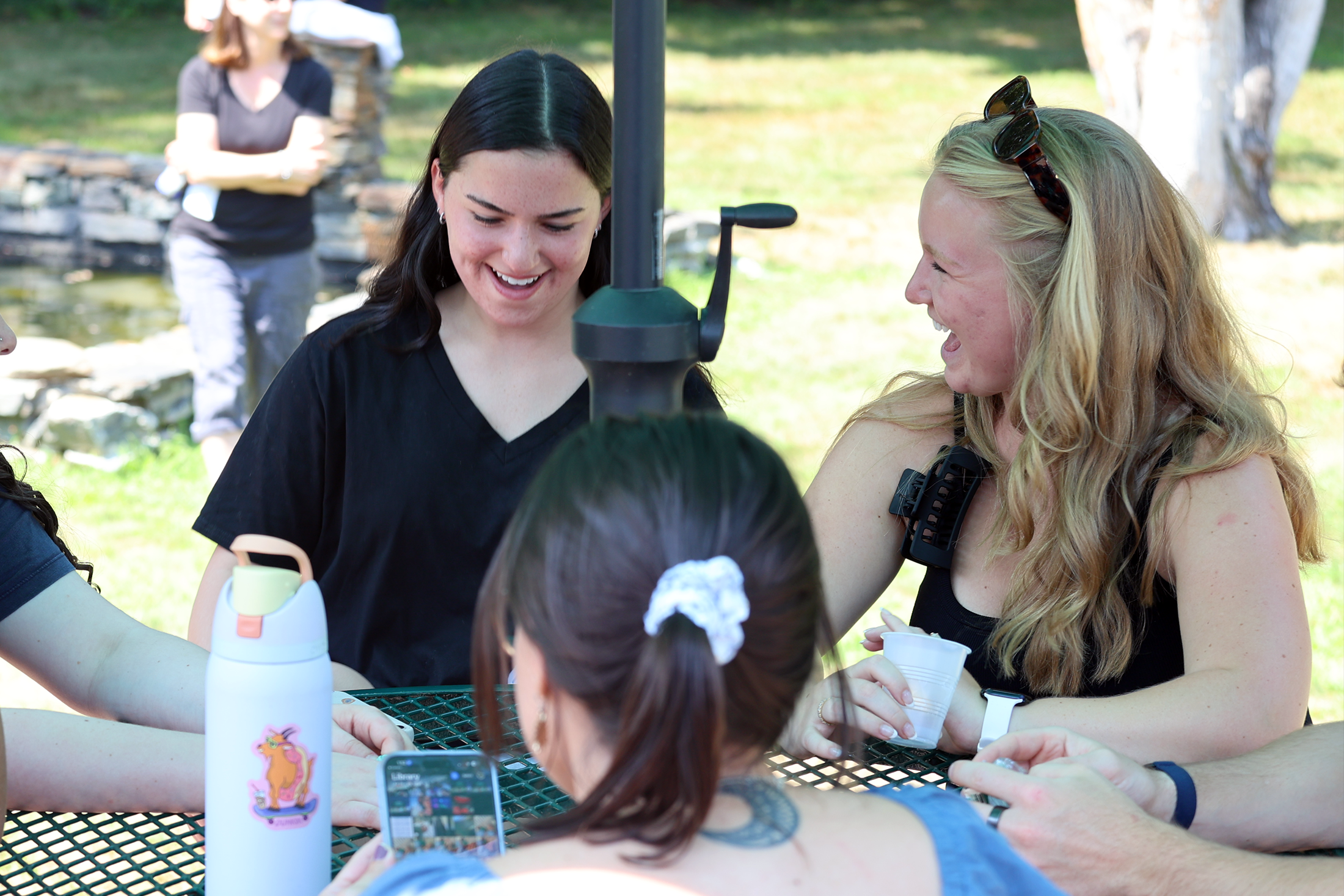
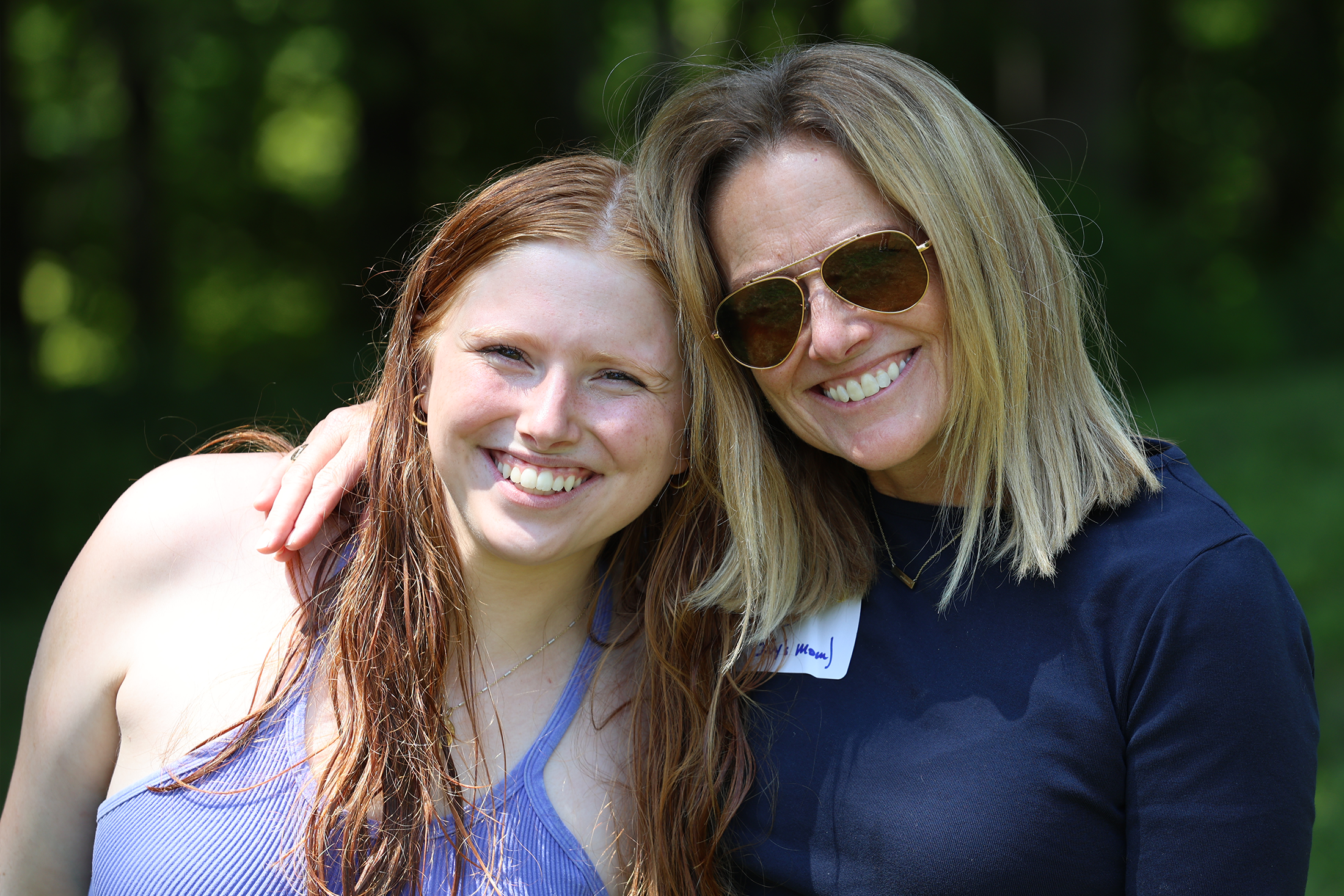
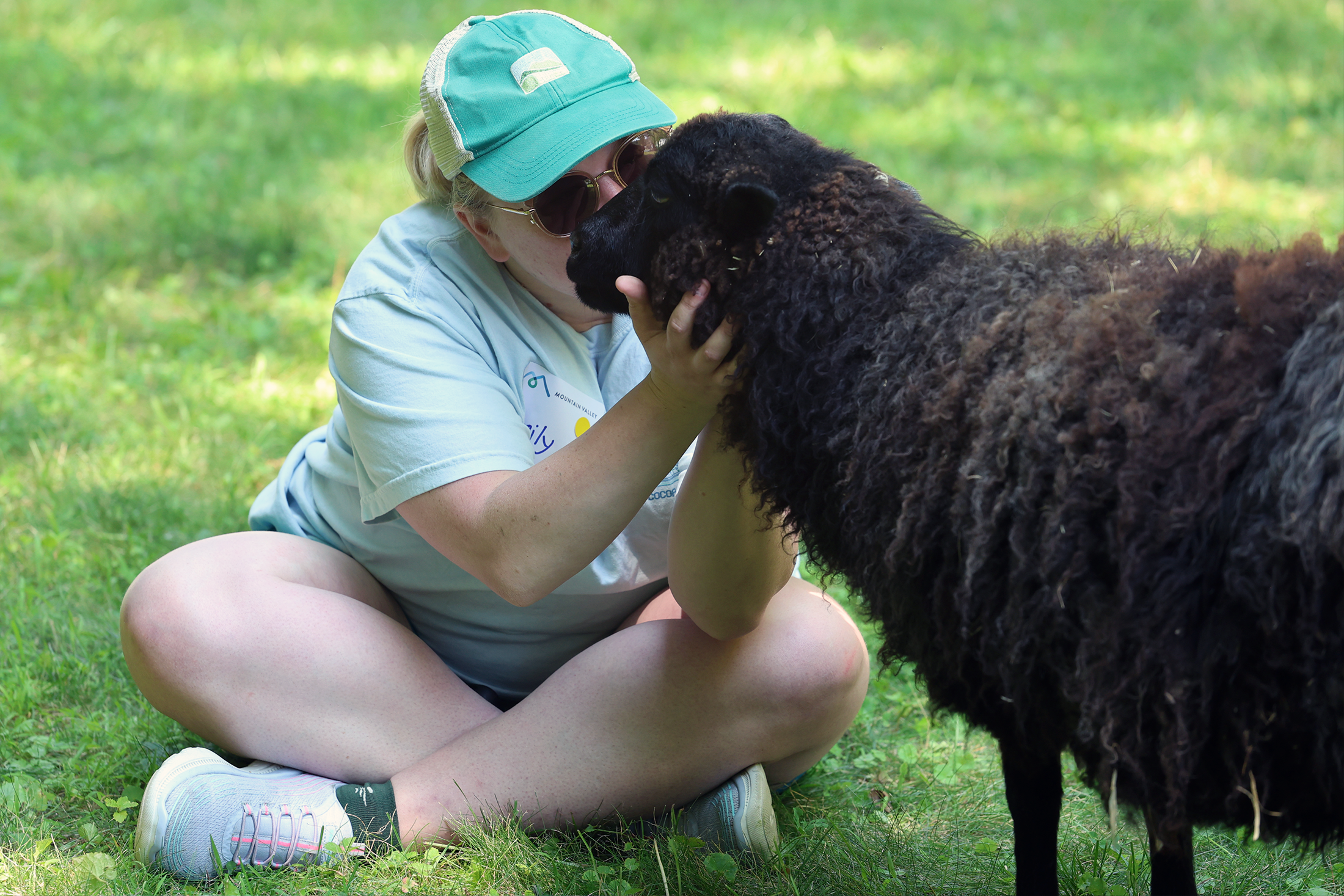
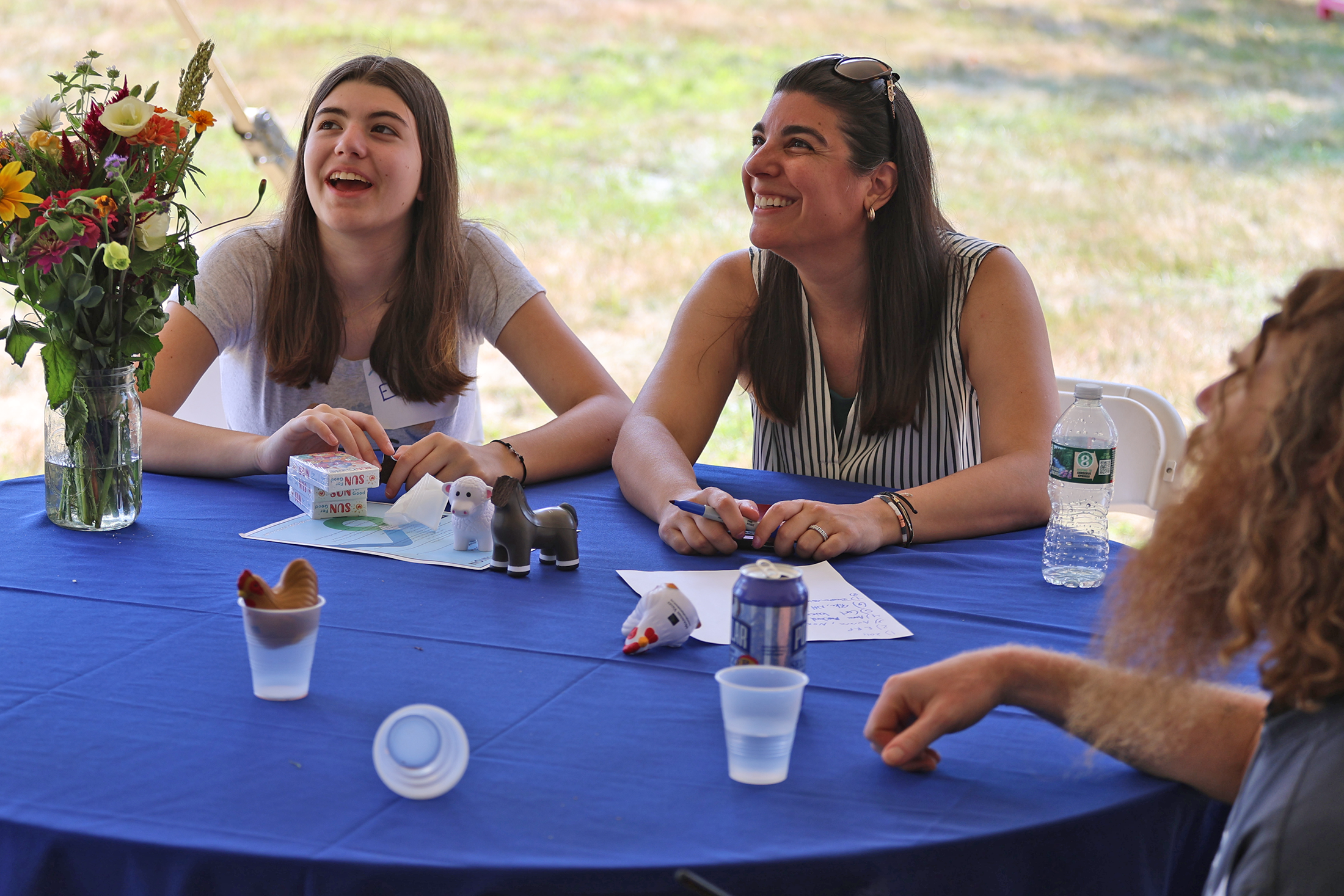
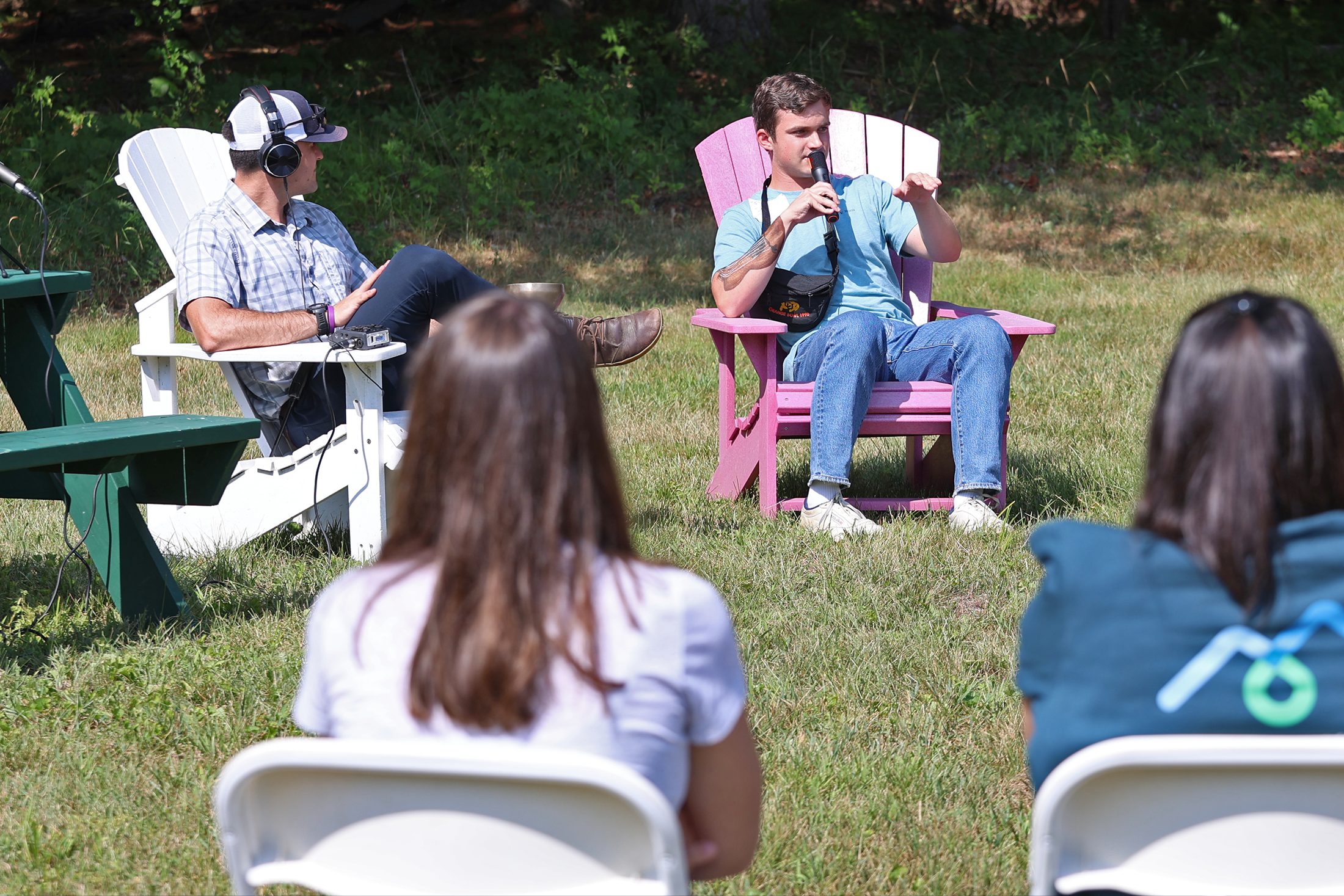
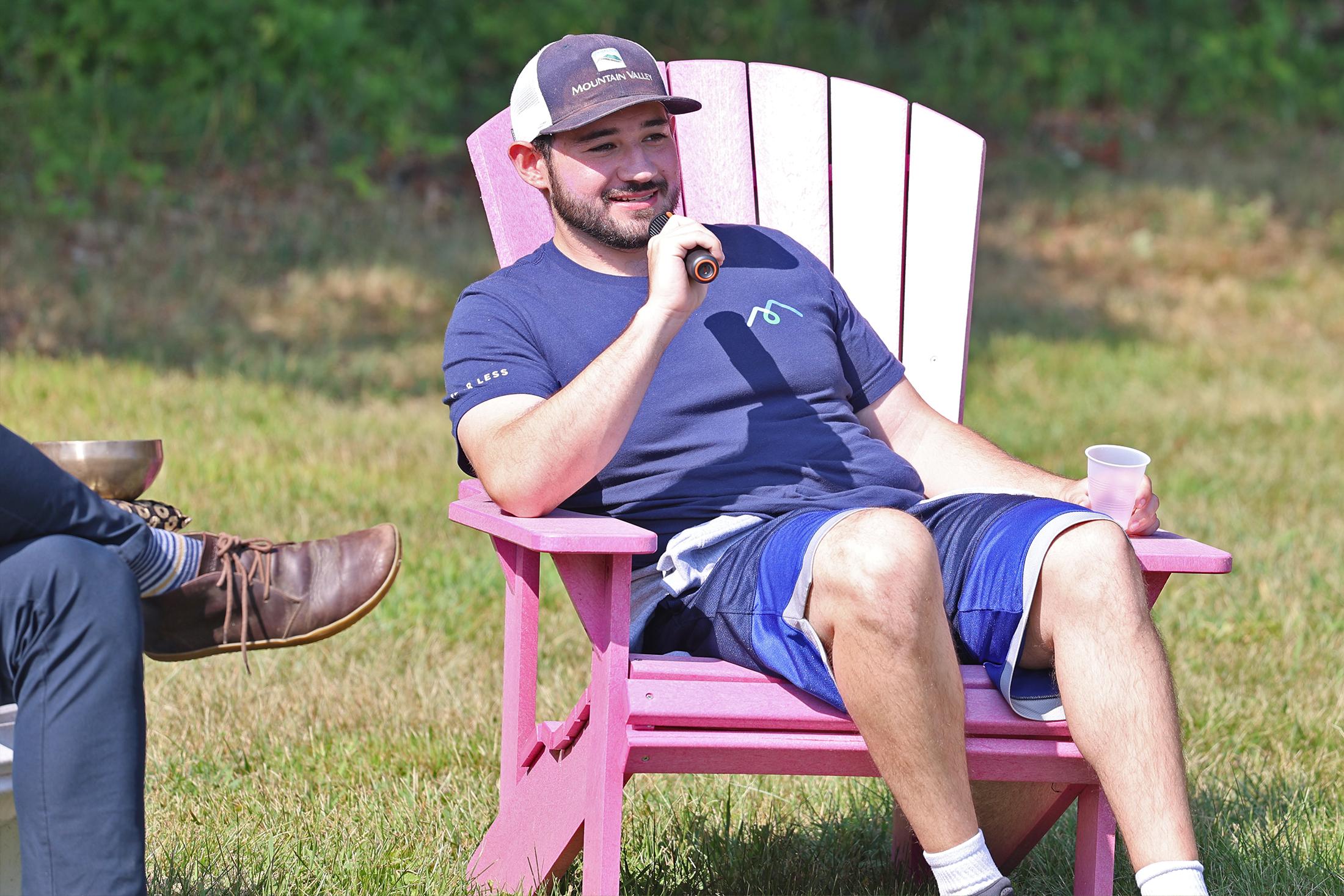
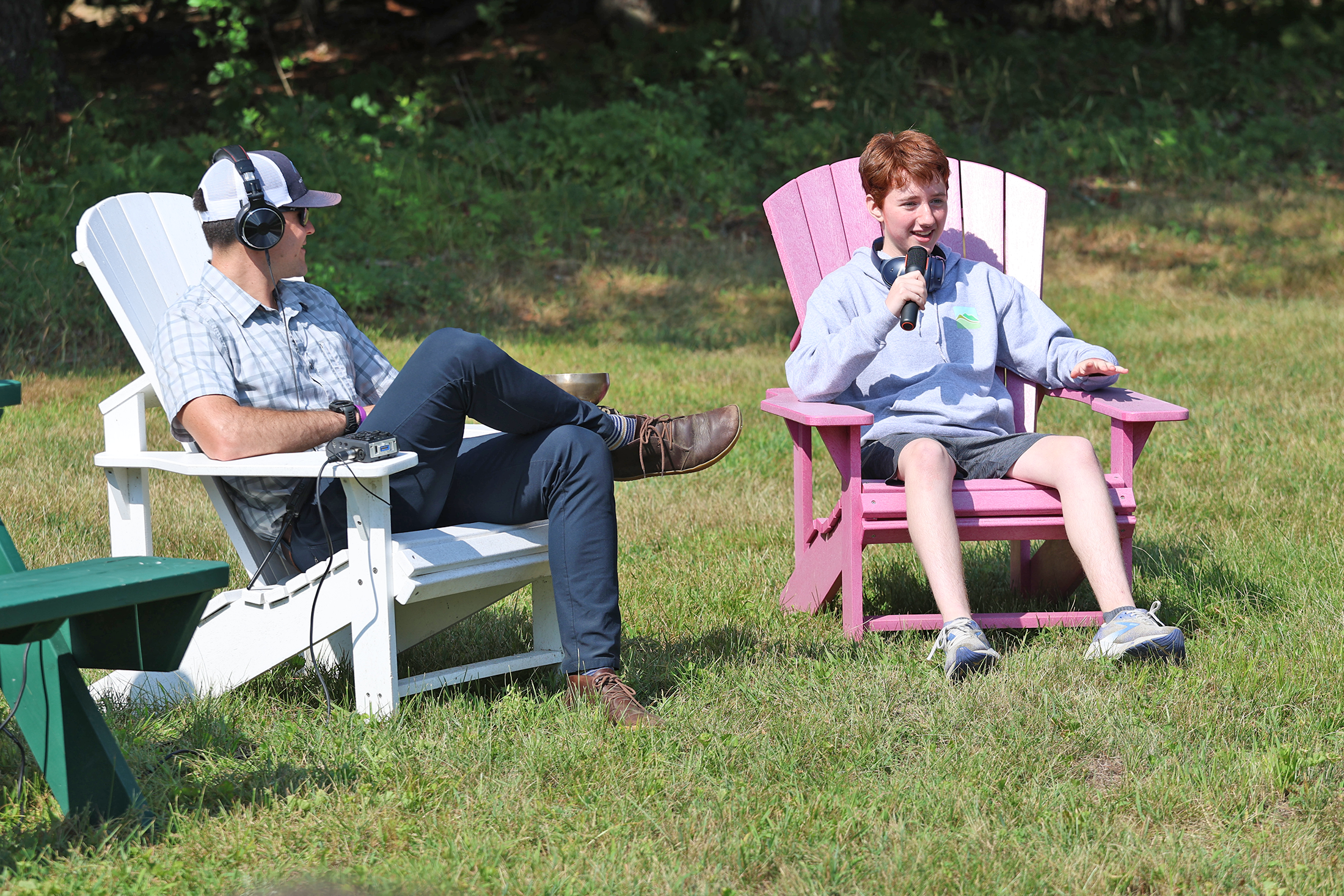
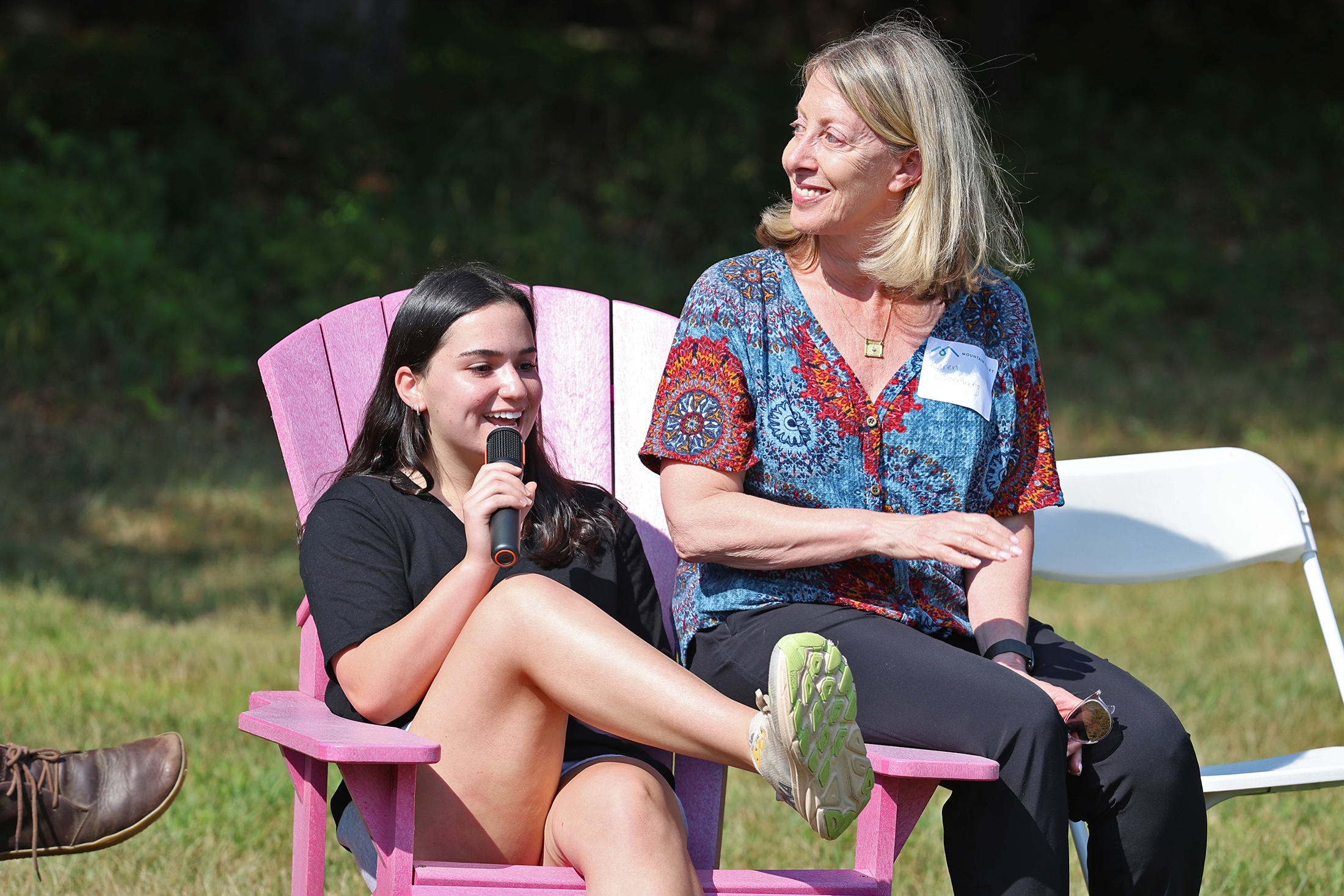
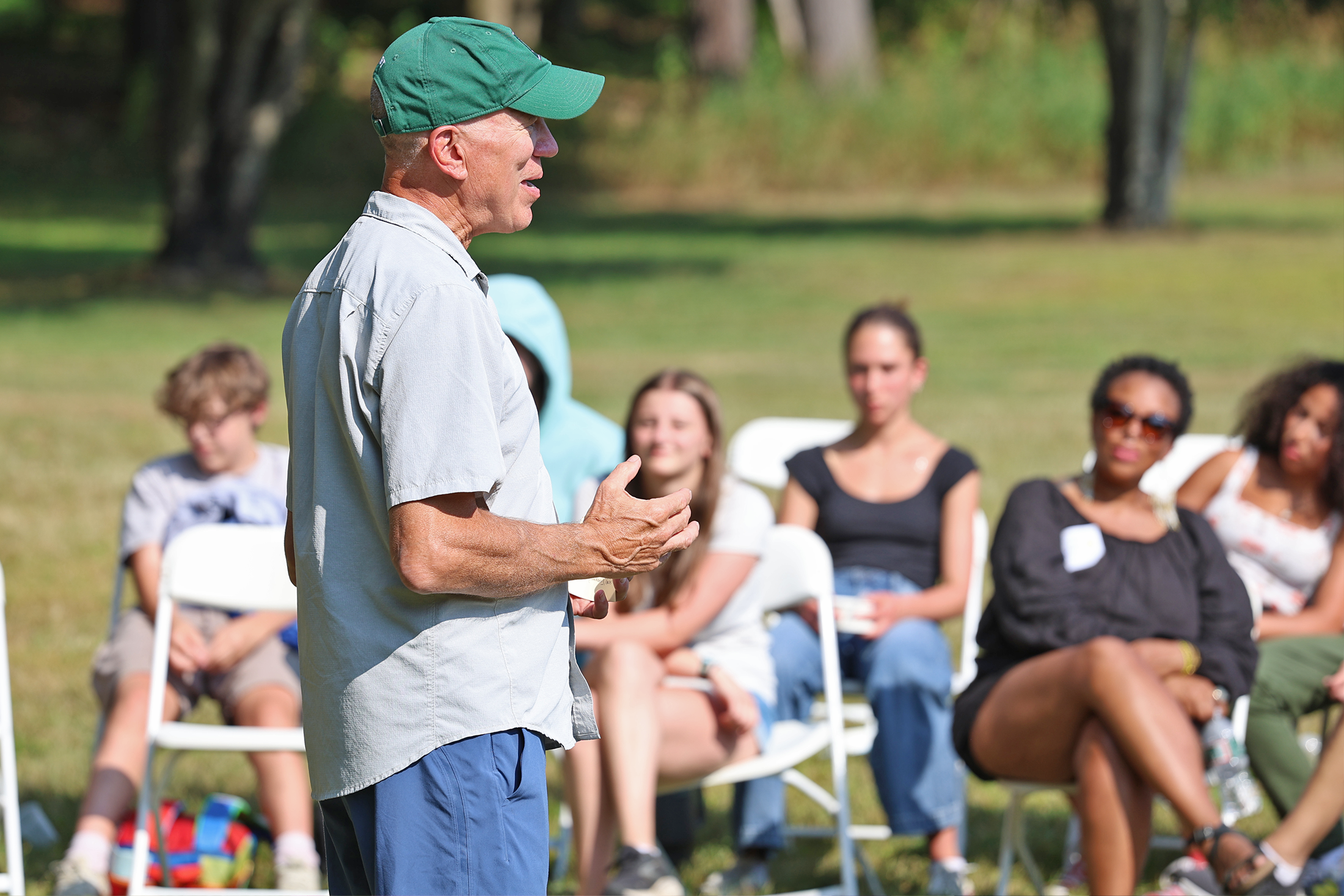
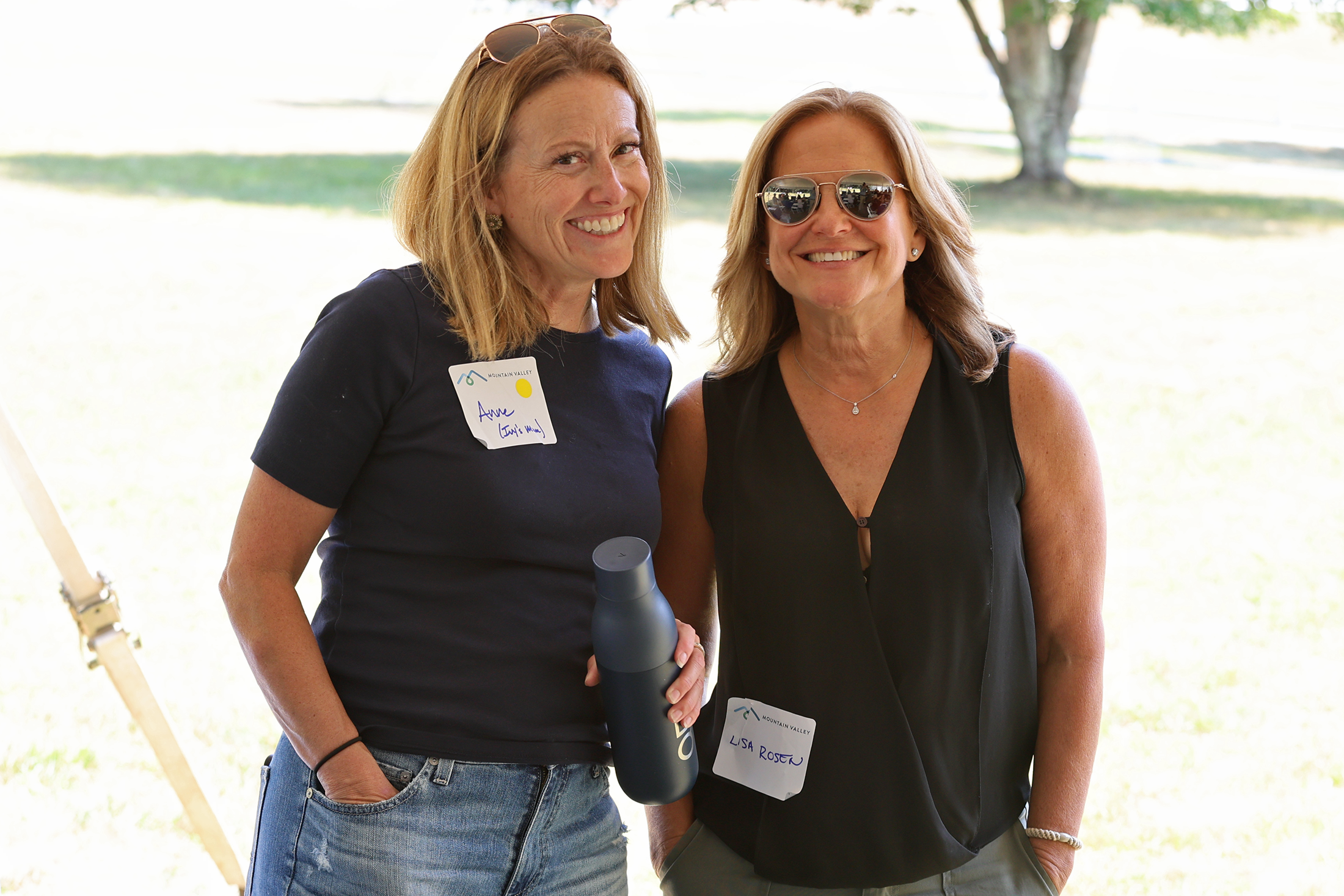
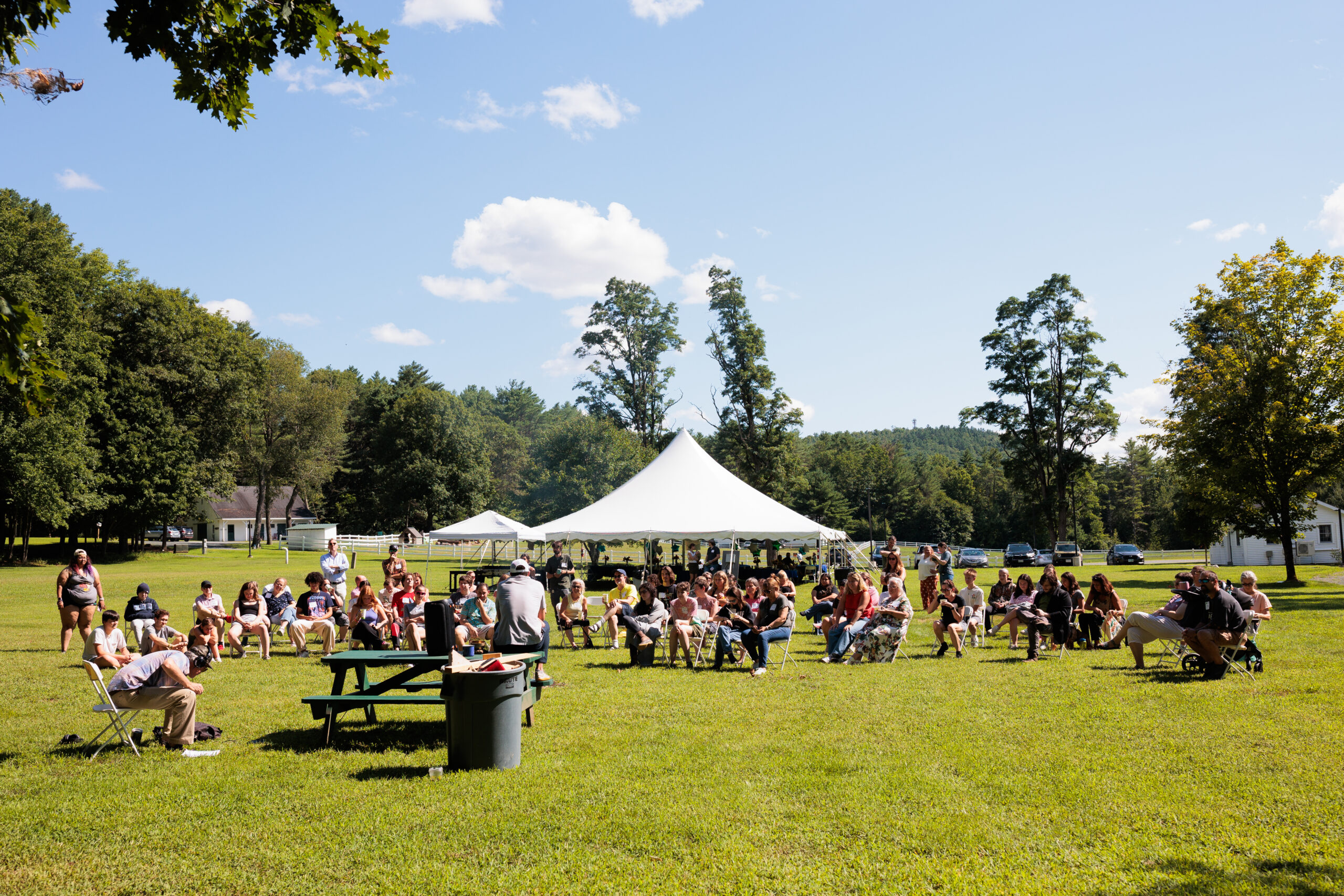
On August 2, 2025, we welcomed more than 100 Mountain Valley alumni and their families to Plainfield, New Hampshire. As we gathered on a beautiful summer day, we celebrated the life-changing experiences made at Mountain Valley and reconnected former residents from all over the country.

A snapshot of a few of our favorite moments from the reunion:

MOVING MOUNTAINS

Resources

From Fear to Love: The Mountain Valley Reunion 2025

August 2, 2025, was a beautiful mid-summer day in Plainfield, New Hampshire. The sky was clear, the sun was shining, and the Mountain Valley campus buzzed with energy. It was the day of our annual Mountain Valley Reunion, and more than one hundred people gathered to reconnect and celebrate the life-changing experiences they’ve had through our program.

Alumni residents and their families flew in from across the country. Current residents spent the morning rounding up farm animals for a petting zoo and hanging “Welcome Back!” signs around campus. By noon, the open field behind the Carriage House dorm was filled with laughter and joy — alumni, parents, former and current staff, and family members mingled, reconnecting, and celebrating together.

It was a day full of emotions — good ones — but even good emotions can be overwhelming.

“How did we get all these people to spend a sunny summer afternoon in the field of a residential treatment center? How did we get so lucky? What did we do to deserve this?”

These questions swirled in my mind as I walked the now-quiet campus hours after the festivities ended. Searching for an answer, I did what we encourage our residents to do: I asked myself, “What am I feeling?”

Before the question had fully formed, my body answered: love.

Love is what I was feeling. Love is what made the day what it was.

What Is Love?
Love is a powerful word and a complex emotion — one we use so often that we risk losing sight of its meaning.

Like all emotions, love is both a biological and psychological process. Biologically, it’s a cocktail of hormones — oxytocin, dopamine, vasopressin, and endorphins — the perfect “feel-good” mix. Psychologically, love shapes our thoughts and behaviors and influences the development of our relationships and attachments.

But is love just biology and psychology? Or is it something bigger? Philosophers have debated it for millennia. Plato called love “a desire for beauty and truth.” Aristotle saw it as a virtue, essential to living a moral and good life. Kierkegaard described it as a choice — a commitment that demands self-sacrifice.

No matter the lens — science, psychology, or philosophy — love’s impact on the human experience is profound and undeniable.

So how did we get here? How did strangers from different walks of life come together and find themselves in a place of love? Maybe it begins where it all started: in a place of fear.

The Relationship Between Love & Fear
As an anxiety-focused program, fear is what brings people to our door. It can steal the spark from a young person’s life, causing them to retreat, avoid, and withdraw from the world. Parents often watch helplessly as their child’s life grows smaller and their own fears grow larger until the entire family system is engulfed in fear’s shadow.

So, what do we do? How do we find the light again? And where does love fit into all of this?

Love Reduces Fear
Biologically, love is the antidote to fear. It calms the brain’s alarm system, releasing hormones that reduce stress and foster connection. That sense of connection is at the heart of what we do.

As an exposure-based program, we walk alongside anxious young people and their families as they lean into what scares them most. Through this process, they build resilience, regain confidence, and rediscover their passion for life. But their bravery begins where love can be found, so it’s our job to provide it.

Love Transforms Fear
Love doesn’t just reduce fear — it transforms it. When we are in love — with a person, place, thing, or idea — we are more willing to face our fears. As psychologist Viktor Frankl said, “A man with a why can bear almost any how.” Love gives us something bigger than ourselves to be brave for. In its most authentic form, it can turn fear into courage.

If our mission is to help young people turn fear into courage, love is a key ingredient. We help them find it in the people, places, and things around them. By tapping into what they love, we tap into their strength — harnessing it for meaningful change.

Love Is Found Through Fear
Love isn’t just a tool to reduce or transform fear — it’s often the result of facing it. Embracing what scares us — talking about it or confronting it in real time — requires vulnerability. It requires us to be seen for who we truly are. In the right context, with the right support, that vulnerability often leads to profound connection and deep acceptance. This is the primary basis for experiencing love.

So although it’s easy to see fear as a barrier to love, it can also be a bridge — and when a community faces its fears together, it often discovers deep love and connection on the other side.

A Day of Love
Our reunion was a living testament to these truths and to the relationship between love and fear. We were reminded of the fears this community has faced, met, and transcended — and inspired by the genuine connection, understanding, and love that took their place.

As the sun set on that perfect summer day, I felt deep gratitude for the privilege of being part of a community dedicated to “making fear less” and “love more” in the world around us.

Let’s Face Fear Together
If you or someone you love is struggling with fear or anxiety, know that you’re not alone — and that healing and connection are possible. We invite you to learn more about our program, join our community events, or simply reach out to start a conversation. Together, we can face fear and make room for more love in our lives.

Stay connected with Mountain Valley — where courage grows and love leads the way.

MOVING MOUNTAINS

Resources

Staff Spotlight: Nathan Thoele

Nathan Thoele is part of Mountain Valley’s leadership team, serving as the Residential Director. He leads a skilled team of residential counselors who work directly with MVTC residents on a 24/7 schedule. Nathan has a unique background that took him from working in summer camps, to AmeriCorps, to five years at the Vermont Institute of Natural Science as lead bird trainer and environmental educator. Today, he’s using his coaching and listening skills to ensure that MVTC is a safe and welcoming place for everyone.

What brought you to Mountain Valley?
I thought I wanted to be an ecologist, so I went to Prescott College to get a degree in something related to that. While on that journey, I realized that my favorite part about ecology was teaching it to people. I switched to an environmental education degree. After graduating, I moved to Vermont to put that degree into practice. I worked as a camp counselor, a conservation assistant, and an educator. After a couple of years of that, I landed at VINS and became one of their live bird show presenters, their primary bird trainer, and their volunteer trainer.

I got really into training people and learned that I liked coaching people to do specific and complex things. My job at VINS was to train people to train birds, and I enjoyed helping my co-workers make sense of the confusing parts of the job.

After being there for a while, I realized I wanted to work with people more than animals. I started looking for the next step in my career and found Mountain Valley. I specifically came here with the desire to practice my skill of listening. At VINS, someone pointed out that I seemed to have a profound desire to listen to people. I thought that seemed true, and when the job at Mountain Valley popped up, I took a leap of faith to try something new.

Tell us how your position has evolved over the last five years.
Originally, I was hired for an overnight residential counselor position. Everett Logan knew I was interested in more adventure- and outdoor-related activities, so he kept an eye out for a day shift position for me. Once it opened, I slid over and started some module facilitation. I created the Nature’s Classroom module, which is still very popular with residents today, though it looks a little different now. I also created a module about interpersonal skills that residents loved. After that, I moved up to a supervisor position, and then the Residential Director position opened. I applied and got it.

I’ve worked on every shift the residential team has—days, evenings, weekends, nights. That experience made me feel confident that I could serve Mountain Valley well as the Residential Director. I have a good perspective on what the residential staff are expected to do and how they do it.

What does a typical day look like for you?
I have 21 people on my team and directly supervise the supervisors for each shift. When I come into the office each day, I check to make sure we’re on top of any incidents and review my email to coordinate parent visits. Then it’s a lot of bouncing around—a lot of my job is checking in with other residential counselors and meeting with the supervisors multiple times per week. I also spend time with residents, and they’ll frequently ask me logistical questions about what is or isn’t allowed on campus, how home visits work, whether they can move their assigned laundry day, and so on. I answer them and try to have some deeper-level conversations as well.

Back at my desk, I spend time planning trainings for staff, coordinating with parents of residents, reviewing documentation, answering emails that ask complex questions, and handling a myriad of other clerical tasks. And, of course, I attend several routine meetings each week, in addition to impromptu meetings designed to address incidents as they arise.

What qualities do you look for when you’re hiring a new residential counselor?
I want residential counselors to have the impulse to trust residents rather than doubt them. In psychological terms, that’s unconditional positive regard and client-centered thinking. Beyond that, I want our staff to have good empathetic listening skills—listening geared toward empathy, not just cognitive understanding.

It’s important for our staff to balance setting firm boundaries with being flexible. We want our staff to engage with residents and be willing to embrace some discomfort alongside them. I can train some of this, but it’s important to be a people person.

What’s the most rewarding part of your job?
The time I get to spend with residents and the breakthroughs I witness. Just a few days ago, I was walking through the woods with one of our residents, who tends to avoid all emotional topics. I broached that subject with him and asked him why. We ended up having a very emotional conversation that ended with him kneeling on the ground in the forest and crying. He told me some things that I and other MV staff knew indirectly but that he had not said to anyone face-to-face before. It was a first for him and a profound moment for both of us.

I see the members of my team grow as professionals, and that always brings me joy. I’ve spent many afternoons having hard and crucial discussions with some of my staff as they grapple with the tough work we do. Witnessing them make sense of the work is truly special.

And finally, I am compelled to grow constantly. After five years, I am still challenged. Sometimes the challenge feels like too much, sometimes not enough. But overall, I like that I can look at who I was even just one year ago and see how much I have changed for the better. What I find most rewarding about this job is growth. We’re all growing all the time, and I love that.

MOVING MOUNTAINS

Resources

Why Summer Isn’t Always a Vacation for Teens with Anxiety

For most adults, summer evokes a sense of ease—time off, warmer days, fewer demands. It’s natural to assume that teens feel the same. And for many, they do. But for adolescents with anxiety, summer often brings less relief than expected. Some teens even become more dysregulated once school ends. Parents may wonder: How can my child be struggling when the stressors of school are gone? Isn’t summer supposed to be the easy season?

From a clinical perspective, there’s a clear explanation—and a path forward.


Why the Absence of Pressure Doesn’t Always Equal Peace

During the school year, structure provides containment. For an anxious teen, daily routines—waking up, attending classes, managing assignments—can serve as external regulators that help keep internal distress in check. While these routines may create pressure, they also offer predictability and rhythm.

Summer removes that structure. Days become unbounded. Routines dissolve. And for many teens with anxiety, this shift creates a destabilizing vacuum. Without a framework to organize time, they feel unmoored. Uncertainty increases, and with it, so does anxiety.

This speaks to a core trait in anxiety disorders: intolerance of uncertainty. The anxious brain struggles to tolerate the unknown, often preferring the discomfort of overstimulation to the perceived threat of having nothing to anchor to. In this context, summer’s wide-open freedom can feel less like a break and more like a cliff.


How the Anxiety Maintenance Cycle Shows Up in Summer

One of the most common patterns seen in anxious teens over the summer is a rise in avoidant behavior. With fewer external expectations, teens may begin to opt out of discomfort—social interactions, physical activity, even basic responsibilities. What may initially look like rest or “needing a break” can, in reality, become a retreat from the world.

Clinically, we understand this as the anxiety maintenance cycle: anxiety prompts avoidance, which provides short-term relief, which in turn reinforces the anxious belief that the avoided thing is dangerous. Over time, avoidance shrinks a teen’s world. What started as taking a few days off can quickly become chronic social withdrawal, disrupted sleep, loss of motivation, or increased reliance on maladaptive coping strategies.

At the same time, other teens go in the opposite direction. Sensing their child’s discomfort with open-ended time, some parents overcompensate—stacking the summer with camps, classes, college prep, and travel. While structure can be protective, overscheduling an anxious teen can trigger overcontrol, perfectionism, and performance anxiety, especially in those who mask their distress with high achievement.

In both scenarios—withdrawal or overdrive—the teen’s anxious nervous system is not regulating. It’s reacting.


Nervous System Dysregulation in the Absence of Anchors

Anxiety is not just a cognitive experience—it’s physiological. During the school year, daily movement, social engagement, intellectual stimulation, and consistent routines all serve as regulators. They provide feedback loops that help organize the nervous system.

When those inputs disappear, it’s not uncommon for teens to become dysregulated. Parents may observe increased irritability, emotional lability, fatigue, or somatic complaints (like headaches or GI issues). Sleep patterns may become erratic. Motivation may plummet. And without the demands of school to mask it, underlying distress rises to the surface.

This is why “just relaxing” rarely works as a strategy for teens with anxiety. The nervous system requires intentional regulation—not just time off.


What Can Parents Do?

There’s no universal summer strategy that works for every teen. But there are a few clinical principles that can help guide parents in supporting their child’s emotional health:

1. Create Light but Reliable Structure
Daily anchors—consistent sleep/wake times, meals, light physical activity, scheduled therapy—can restore rhythm without overwhelming. The structure doesn’t need to mimic school but should provide a scaffold to help the teen feel contained.

2. Watch for Patterns of Avoidance
Avoidance is the hallmark of anxiety. If your teen is consistently retreating from social situations, physical activity, or new experiences, it’s important to interrupt that pattern gently but directly. Help them take small steps back toward engagement—even when it’s uncomfortable.

3. Support Regulating Activities
Encourage movement, time in nature, creative expression, and face-to-face social interaction. These all support nervous system regulation. Excessive screen time, isolation, or late-night sleep schedules tend to do the opposite.

4. Don’t Wait for Motivation
Anxious teens often say they don’t “feel like” doing things that might help. Waiting for internal motivation before acting only reinforces avoidance. Instead, use behavioral activation—support them in engaging first, with the understanding that motivation often follows action, not the other way around.

5. Separate the Teen from the Anxiety
When teens push back on plans or resist doing hard things, it’s often the anxiety talking. Help them externalize it: “I wonder if your anxiety is telling you this will be too hard. What would it be like to push back on it instead of listening to it?”

6. Model Calm Executive Function
Anxiety thrives in ambiguity. If parents leave every decision up for negotiation, anxious teens will often default to avoidance. It’s okay—and often necessary—for parents to make calm, confident decisions, especially when anxiety is driving the conversation. Being empathic doesn’t mean being passive.


A Different Kind of Growth

Summer doesn’t have to be perfect. It doesn’t need to be packed or left entirely open. What it can be is a space for developmentally appropriate challenge, nervous system recalibration, and increased emotional awareness.

Anxiety doesn’t take a vacation—but that doesn’t mean teens can’t learn to navigate it with more confidence. With a balance of routine, rest, and gentle exposure to discomfort, summer can be a season not of avoidance, but of quiet growth.

MOVING MOUNTAINS

Resources

Navigating the Labyrinth of Anxiety: Empowering Young People and Their Families

Dr. Dan Villiers, co-founder of Mountain Valley Treatment Center, recently delivered an insightful talk at the center, exploring the intricacies of anxiety in young people and the profound impact it has on their families. This blog post summarizes the key points from his presentation, offering valuable strategies to help youths and their families navigate anxiety. If you are interested in viewing the full video of Dr. Villiers’ talk, please contact us.

The Silent Struggle: Understanding Youth Anxiety

In an era marked by unprecedented challenges and rapid societal shifts, anxiety has emerged as a pervasive force affecting young people and their families. The rise in anxiety disorders, particularly since the advent of the smartphone in 2010 and exacerbated by the global pandemic, calls for a nuanced understanding and compassionate treatment approach. Dr. Villiers provides invaluable insights into the complexities of anxiety and the pathways to healing.

Anxiety in young people often manifests subtly, weaving itself into daily life until it becomes overwhelming. Dr. Villiers shared his personal journey, reflecting on his severe anxiety at age 17 after leaving boarding school. His experiences with avoidance, resistance, and manipulation highlight a common thread among youths grappling with anxiety—they often resist treatment and delay or avoid confronting their fears.

The statistics are startling. Recent research indicates that approximately 30 percent of individuals will experience an anxiety disorder at some point in their lives. However, Dr. Villiers suggests that true diagnostic anxiety disorders—those severely interfering with social, emotional, and academic functioning—may affect about 7 to 10 percent of the population. This distinction underscores the importance of recognizing when anxiety surpasses normal stress and becomes a debilitating condition requiring professional intervention.

Parental Anxiety: The Hidden Catalyst

Parental anxiety plays a significant role in the treatment journey of young people. Parents often face guilt, fear of failure, and the overwhelming responsibility of making the right decisions for their child’s well-being. Dr. Villiers observed that parental anxiety can manifest as distraction, diversion, delay, anger, and defensiveness—factors that may inadvertently hinder their child’s progress.

During the pandemic, many parents overparented due to constant proximity and the challenges of remote schooling. As the world gradually returns to normal, some parents struggle to relinquish control, leading to indecision and anxiety about their child’s independence and engagement with the world.

The Paradox of Choice and the Fear of Stigma

In today’s information-rich environment, parents often feel overwhelmed by the numerous treatment options available. This “paralysis by analysis” results in inaction, as the fear of making the wrong decision prevents families from moving forward. Societal stigma surrounding mental health adds another layer of complexity. Worries about how treatment might be perceived can deter families from seeking necessary help.

Strategies for Overcoming Resistance and Building Trust

Dr. Villiers emphasized that commitment to treatment is a process, not a single event. Building trust between families and professionals is crucial. He shared key strategies to facilitate this journey:

  1.  Motivational Interviewing and Exposure Therapy: Gradually exposing individuals to the idea of treatment can reduce the fear and anxiety associated with it.
  2.  Collaborative Decision-Making: Professionals should partner with families, respecting their expertise on their child while providing informed guidance on treatment options.
  3.  Addressing Stigma Directly: Open conversations about mental health dispel myths and reduce stigma, encouraging families to seek help.
  4.  Managing Expectations and Prioritizing Concerns: Helping families focus on clinical needs and prioritize issues can alleviate anxiety.
  5.  Providing Reassurance and Data-Informed Guidance: Sharing treatment outcomes and success stories can inspire confidence while balancing hope with realistic expectations.

Navigating Information Overload

In the digital age, parents often turn to online forums and social media for information, which can be both helpful and harmful. While access to information is valuable, misinformation can increase anxiety. Professionals can support families by directing them to reliable sources and helping them critically evaluate what they encounter.

The Role of Professional Support

Consultants, therapists, and treatment centers play a pivotal role in guiding families through complex emotional landscapes and treatment decisions. Dr. Villiers highlighted the importance of in-person interactions when possible, as these build trust and facilitate effective communication.

Professionals can also:

  • Break Down Barriers: Address logistical and emotional obstacles to treatment.
  • Provide Continuous Support: Offer ongoing coaching to ensure families and young people stay engaged in the process.
  • Deliver Tailored Interventions: Customize strategies to meet each family’s unique needs.

Embracing the Journey Toward Healing

Anxiety does not have to define a young person’s life. With the right support and strategies, youths and their families can overcome the challenges it presents. Dr. Villiers’ insights remind us that patience, empathy, and collaboration are essential in treatment.

Families are encouraged to:

  • Acknowledge the Problem: Acceptance is the first step toward change.
  • Seek Professional Guidance: Early intervention can significantly improve outcomes.
  • Engage in Open Communication: Honest discussions within the family and with professionals foster understanding and trust.
  • Practice Patience and Compassion: Healing takes time and requires kindness toward oneself and others.

Closing Thoughts

Anxiety in young people is a multifaceted issue that affects individuals, families, and society at large. By addressing parental anxiety, challenging stigma, and fostering collaborative relationships between families and professionals, we can create a supportive environment for healing.

Dr. Dan Villiers’ work illuminates a compassionate and informed path forward. While anxiety is a formidable adversary, it is not insurmountable. Together, we can empower young people and their families to overcome anxiety and embrace a future filled with possibility and hope.

MOVING MOUNTAINS

Resources

Understanding the Subjective Units of Distress Scale (SUDS): A Tool for Managing Anxiety

Anxiety can often feel overwhelming, especially when it surfaces unexpectedly. At Mountain Valley, we understand the importance of equipping individuals with effective tools to navigate these intense emotions. One such tool we regularly employ is the Subjective Units of Distress Scale (SUDS). Before our group and individual psychotherapy sessions, we often ask participants to share their SUDS levels. This practice not only promotes self-awareness but also fosters open communication about one’s emotional state.

What Is the Subjective Units of Distress Scale?

The Subjective Units of Distress Scale, commonly known as SUDS, is a simple self-assessment tool used to quantify the intensity of distress or anxiety an individual feels at a particular moment. Developed by psychologist Joseph Wolpe in the 1960s, SUDS assigns a numerical value—typically ranging from 0 t0 10 (or 0 t0 100)—to represent one’s current level of discomfort. A score of 0 indicates complete calmness, while 10 signifies the highest level of distress imaginable.

How Does SUDS Work?

SUDS is inherently subjective, relying on personal perception rather than objective measurements. Here’s how it generally works:

  1.   Identification: When an individual begins to feel anxious or distressed, they pause to acknowledge these feelings.
  2.   Assessment: They assign a numerical value to their level of distress based on the SUDS scale.
  3.   Reflection: This number helps them—and the MV team—to understand the severity of their symptoms at that moment.
  4.   Action: Based on the SUDS score, appropriate coping strategies or therapeutic interventions can be applied to manage the distress.

Why Is SUDS Important for Managing Anxiety?

Promotes Self-Awareness

One of the first steps in managing anxiety is to recognize when it’s occurring.. By regularly assessing their SUDS score, individuals become more attuned to their emotional states. This heightened self-awareness can lead to earlier interventions and prevent anxiety from escalating.

Facilitates Communication

Articulating feelings of anxiety can be challenging. SUDS provides a straightforward way to communicate distress levels to therapists, caregivers, or peers. At Mountain Valley Treatment Center, sharing SUDS scores before group sessions helps create a common language that enhances understanding and fosters effective support.

Guides Therapeutic Interventions

In therapeutic settings, SUDS is often used during exposure therapy—a treatment commonly employed for anxiety disorders and phobias. By assigning distress levels during exposure to anxiety-provoking stimuli, therapists can tailor the intensity and duration of exposures to optimize treatment outcomes.

Research Supporting SUDS

A study published in the Journal of Anxiety Disorders highlighted the efficacy of using SUDS in exposure therapy for patients with obsessive-compulsive disorder (OCD). The research found that patients who consistently used SUDS to report their anxiety levels experienced a more significant reduction in symptoms compared to those who did not use the scale1.

Another study in Behavior Research and Therapy demonstrated that SUDS scores could predict treatment outcomes in cognitive-behavioral therapy (CBT) for panic disorder. Higher initial SUDS scores were associated with greater improvements by the end of treatment, suggesting that SUDS can be a useful prognostic tool2.

Implementing SUDS in Daily Life

While SUDS is often used in clinical settings, it can also be a valuable tool for personal use. Here are some tips for integrating SUDS into daily routines:

  • Regular Check-Ins: Set aside moments during the day to assess your SUDS score, even when not feeling particularly anxious. This practice can help track patterns and triggers over time.
  • Journaling: Keep a log of your SUDS scores along with notes about situations or thoughts that may have influenced your anxiety levels.
  • Coping Strategies: Use your SUDS score to determine when to employ relaxation techniques, such as deep breathing, mindfulness, or physical activity.

How We Use SUDS at Mountain Valley

At Mountain Valley, the SUDS scale is an integral part of our therapeutic approach. Before group sessions, we encourage participants to share their SUDS levels. This practice serves multiple purposes:

  • Encourages Open Dialogue: Sharing SUDS scores helps break down barriers and promotes honesty about one’s feelings.
  • Tailors Group Dynamics: Understanding the collective distress levels allows facilitators to adjust the session’s focus to better meet the group’s needs.
  • Monitors Progress: Regularly tracking SUDS scores provides tangible data on an individual’s progress over time.

The Benefits of Using SUDS at Mountain Valley

  • Personalized Treatment Plans: By consistently monitoring SUDS scores, our therapists can customize treatment plans to address specific anxiety levels.
  • Empowerment Through Self-Monitoring: Patients learn to take control of their anxiety by recognizing and addressing distress as it occurs.
  • Enhanced Peer Support: Sharing SUDS levels in group settings fosters a sense of community and mutual understanding among participants.

The Subjective Units of Distress Scale (SUDS) is a powerful yet simple tool that empowers individuals to understand and manage their anxiety. By quantifying distress, it transforms abstract feelings into concrete data that can guide personal coping strategies and therapeutic interventions.

At Mountain Valley, we are committed to providing evidence-based approaches like SUDS to support adolescents and young adults dealing with anxiety and OCD. By incorporating tools like the SUDS scale into our programs, we help individuals develop the skills they need to navigate their emotions and lead fulfilling lives.

If you or someone you know is struggling with anxiety, don’t hesitate to reach out. We’re here to help.

References:

  1.  Kircanski, K., & Peris, T. S. (2015). Exposure and response prevention process predicts treatment outcome in youth with OCD. Journal of Anxiety Disorders, 36, 45-51.
  2.  Meuret, A. E., Rosenfield, D., Seidel, A., Bhaskara, L., & Hofmann, S. G. (2010). Respiratory and cognitive mediators of treatment change in panic disorder: Evidence for intervention specificity. Behavior Research and Therapy, 48(8), 698-706.


MOVING MOUNTAINS

Resources

Meditation and Other Mindfulness Practices: How They Help Those Struggling with Anxiety

Mindfulness practices, particularly meditation for anxiety, have gained widespread recognition for their effectiveness in managing anxiety symptoms—a condition that affects millions worldwide. These practices are increasingly recommended by mental health professionals, including those at Mountain Valley Treatment Center, where mindfulness for anxiety relief is a component of the therapeutic approach. Clinicians at Mountain Valley may directly assign daily meditation practices to residents as part of their anxiety treatment plan, recognizing the powerful role these practices play in reducing anxiety and promoting emotional well-being.

Understanding Anxiety and the Role of Mindfulness

Anxiety disorders often manifest as excessive worry, fear, and a constant sense of unease, which can significantly interfere with daily life. For those struggling with anxiety, these feelings can be debilitating, making it challenging to focus on tasks, engage in social activities, or even rest. Mindfulness meditation for anxiety offers an effective countermeasure. By encouraging individuals to focus on the present moment without judgment, mindfulness techniques help create a sense of calm and balance. At Mountain Valley, clinicians often prescribe daily meditation for anxiety to help residents break the cycle of anxious thoughts. This structured practice allows residents to step back from their worries, observe their thoughts and feelings without becoming overwhelmed, and gradually regain control over their emotional responses.

Mindfulness meditation involves sitting in silence, focusing on the breath, and observing thoughts and emotions as they arise. For individuals with anxiety, this practice is transformative. It helps break the cycle of rumination, the repetitive, negative thinking that fuels anxiety. At Mountain Valley, residents may be guided through these meditation sessions by experienced clinicians who help them apply these techniques effectively. The practice teaches individuals to acknowledge their anxious thoughts and let them pass without attachment, a skill that can significantly reduce anxiety symptoms over time. This daily practice not only helps residents manage their anxiety during their stay but also equips them with tools they can use long after they leave.

Research-Backed Benefits of Mindfulness for Anxiety

The benefits of mindfulness meditation for anxiety are supported by extensive research. Studies have shown that regular practice can lead to structural changes in the brain, enhancing areas related to emotional regulation and reducing activity in the amygdala, the brain’s fear center (Siegel, 2007). This means that individuals who practice mindfulness meditation are better equipped to handle stress and respond to anxiety triggers more calmly and with greater resilience. At Mountain Valley, clinicians understand the importance of these findings and often incorporate mindfulness exercises for anxiety into the daily routines of residents to maximize these benefits. Additionally, mindfulness has been shown to decrease symptoms of anxiety, depression, and stress while improving overall mental health and cognitive functioning (Moore & Malinowski, 2009). These benefits are often a key factor in the treatment plans developed by Mountain Valley clinicians, who tailor mindfulness practices to meet the specific needs of each resident.

Mindfulness Practices at Mountain Valley Treatment Center

At Mountain Valley, mindfulness is more than just a practice—it’s a way of life. The center integrates mindfulness meditation into various aspects of its program, providing residents with multiple opportunities to cultivate this skill. Whether through structured meditation sessions, yoga, or moments of reflection in nature, residents learn to harness the power of mindfulness to manage their anxiety and other mental health challenges. Clinicians may assign specific mindfulness exercises as daily practices, helping residents build consistency and discipline in their mindfulness routines. This consistent practice is crucial for individuals dealing with chronic anxiety, as it helps them develop a strong foundation for emotional regulation and stress management.

Farming, Animal Stewardship, and Mindfulness

In addition to traditional mindfulness practices, Mountain Valley incorporates farming and animal stewardship into its mindfulness program. These activities require residents to be fully present and engaged, reinforcing the mindfulness techniques for anxiety learned in meditation. Caring for animals and working the land provide a sense of purpose and grounding, which is particularly beneficial for those with anxiety. At Mountain Valley, residents may participate in these activities daily, guided by clinicians who emphasize the importance of mindfulness in every task. These hands-on experiences help residents connect with the present moment, reducing anxious thoughts and promoting emotional stability (Louv, 2008). This holistic approach not only supports the residents’ mental health but also fosters a deeper connection to the natural world, which can be profoundly healing.

Supporting Parents Through Mindfulness

Anxiety doesn’t just affect the individual—it impacts families as well. At Mountain Valley, we encourage parents to engage in mindfulness practices to manage their own stress and anxiety. By incorporating mindfulness into their lives, parents can better support their child’s journey through treatment. This holistic approach ensures that both residents and their families are equipped with the tools they need for long-term mental health and well-being (Davis and Hayes, 2011). Mountain Valley clinicians may offer guidance to parents on how to integrate mindfulness into their daily routines, providing them with the same benefits their children experience. This shared practice not only reduces stress for parents but also creates a more supportive and harmonious environment for the entire family.