
MOVING MOUNTAINS

Resources

2026 Reunion Snapshots

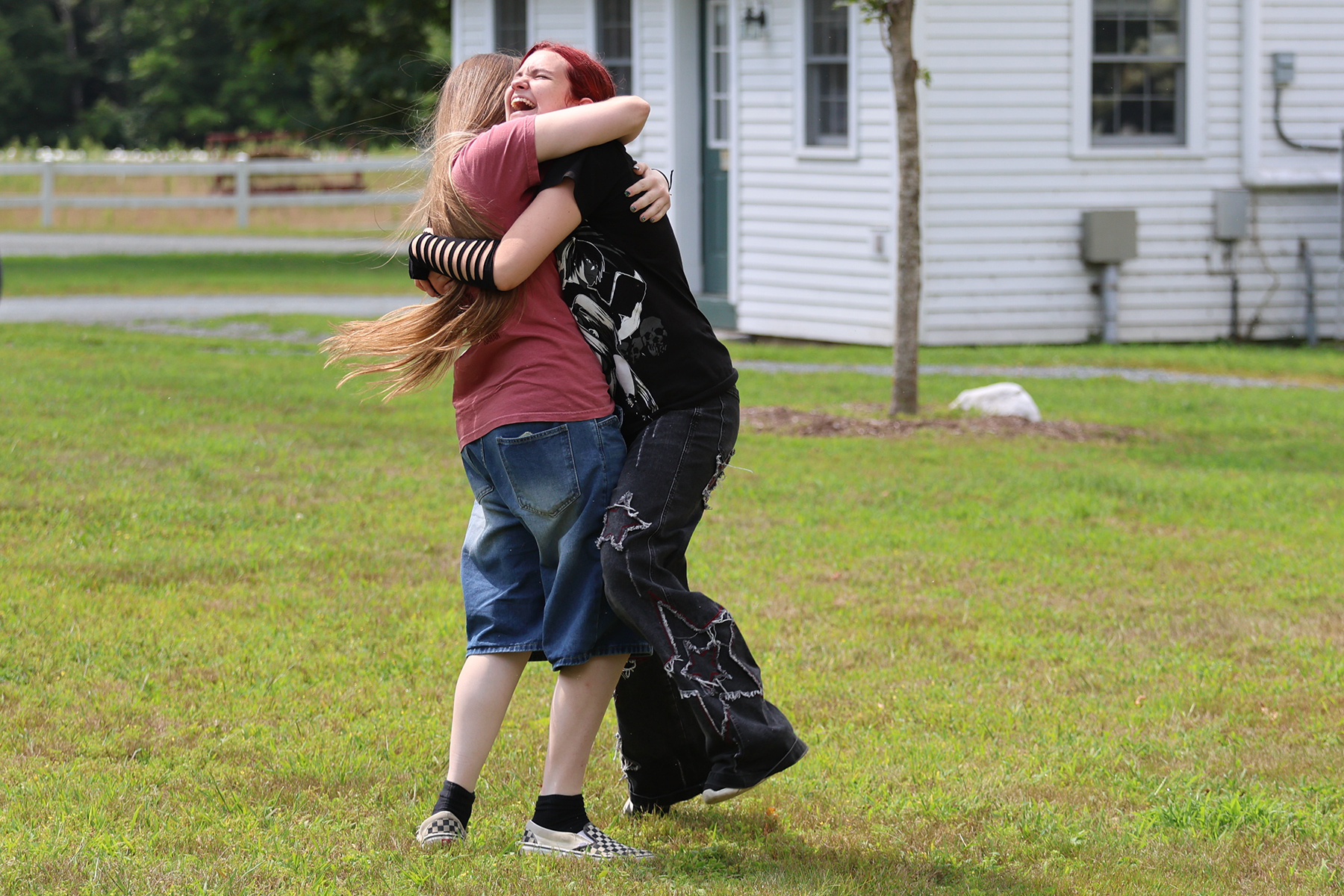
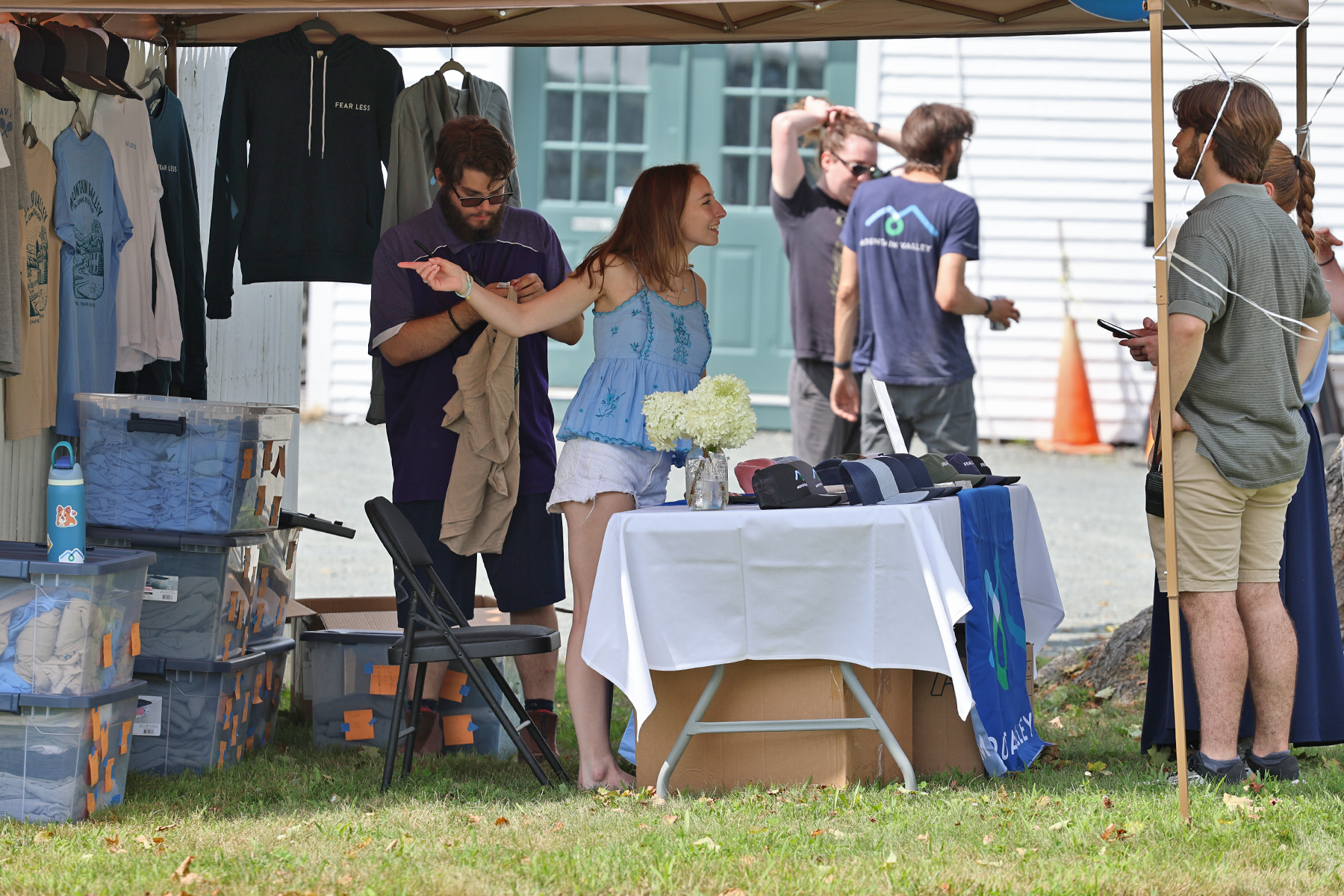
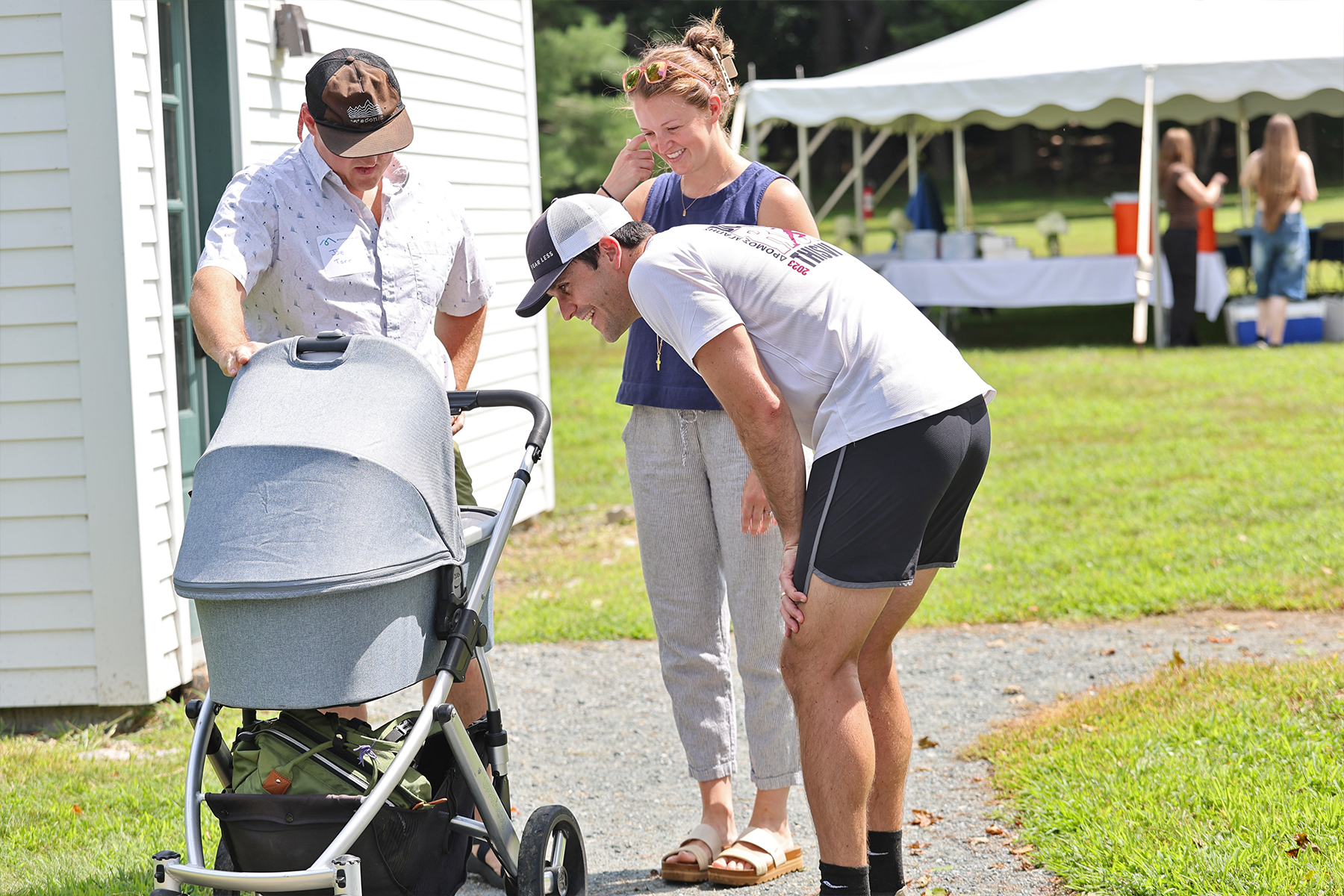
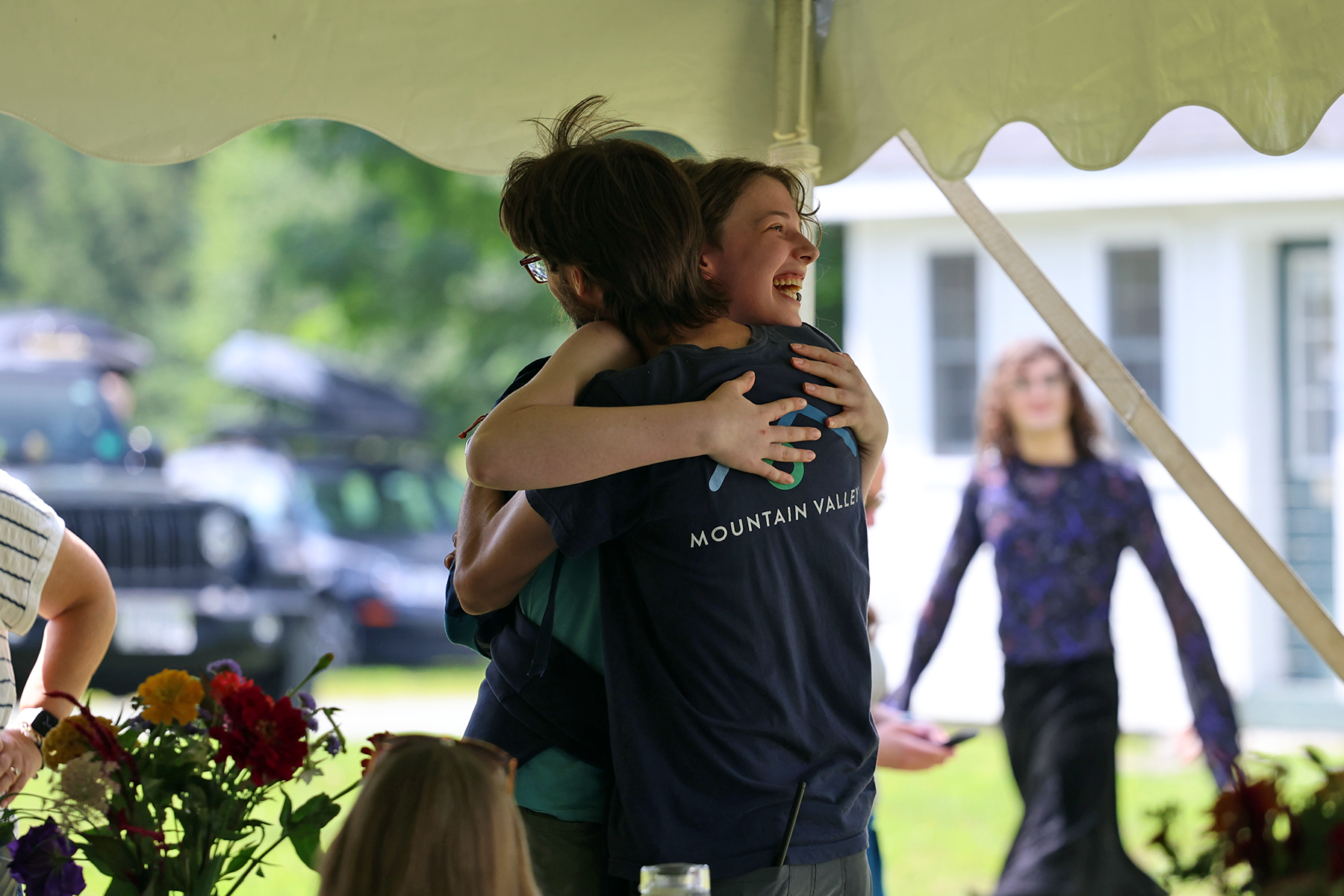
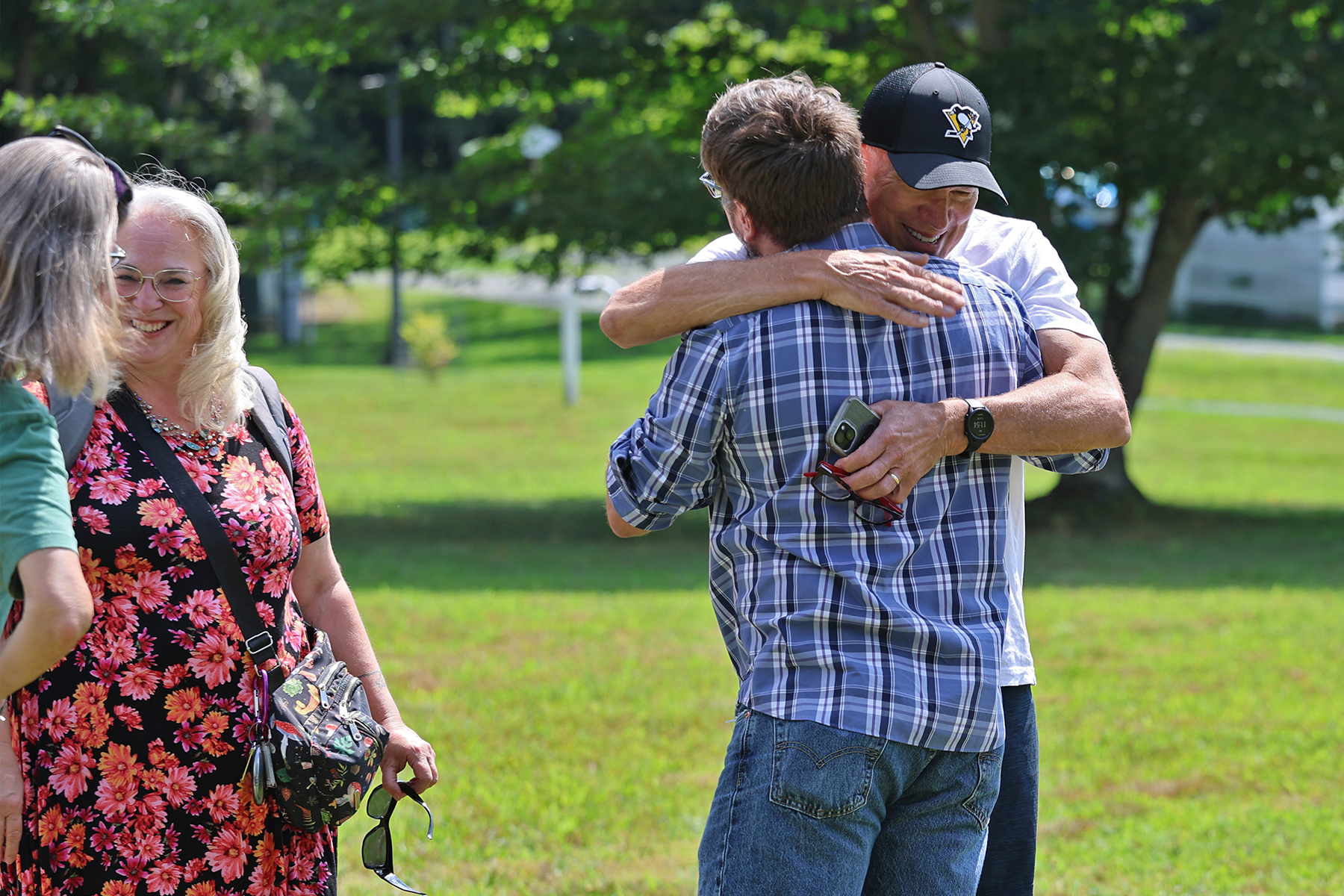
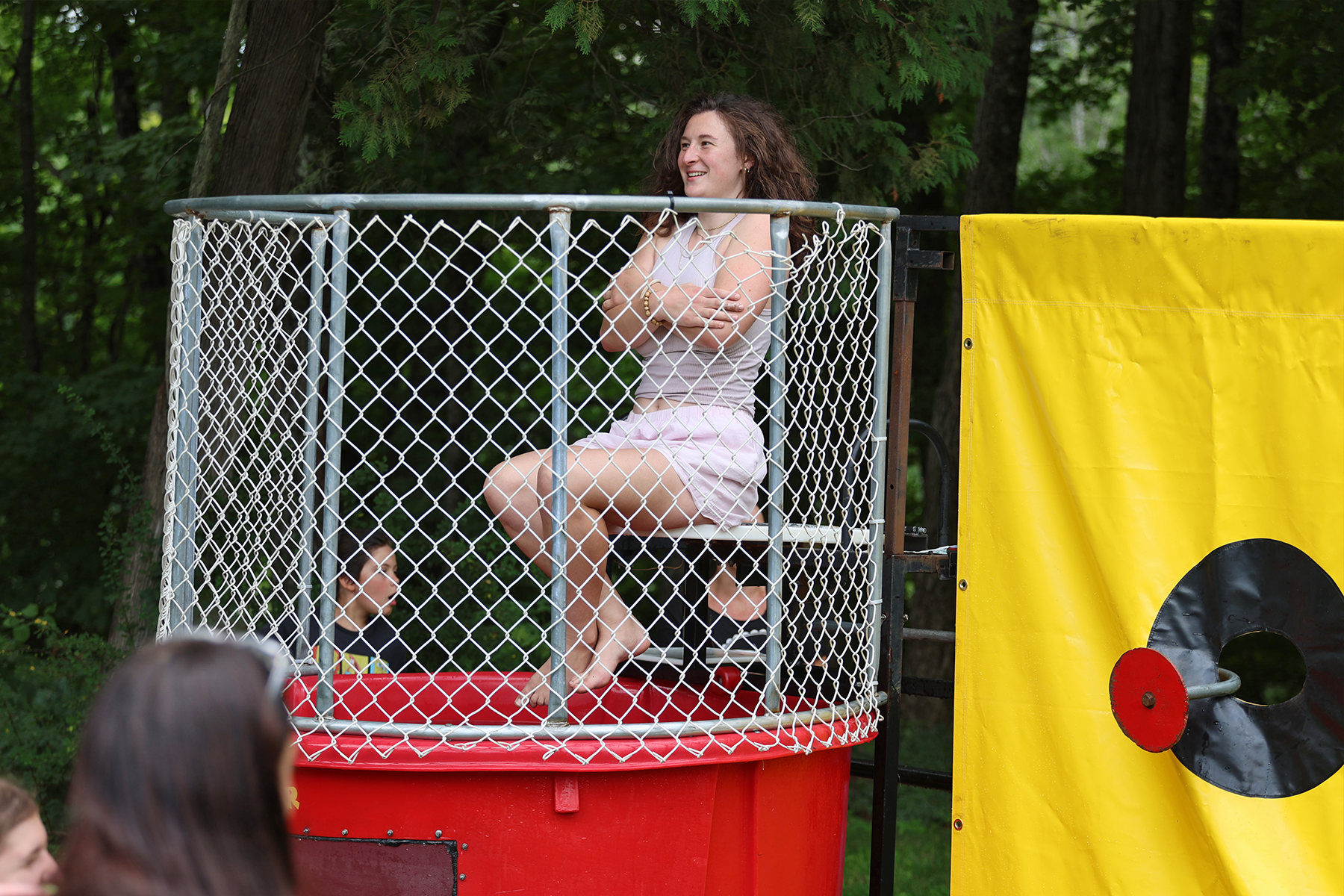
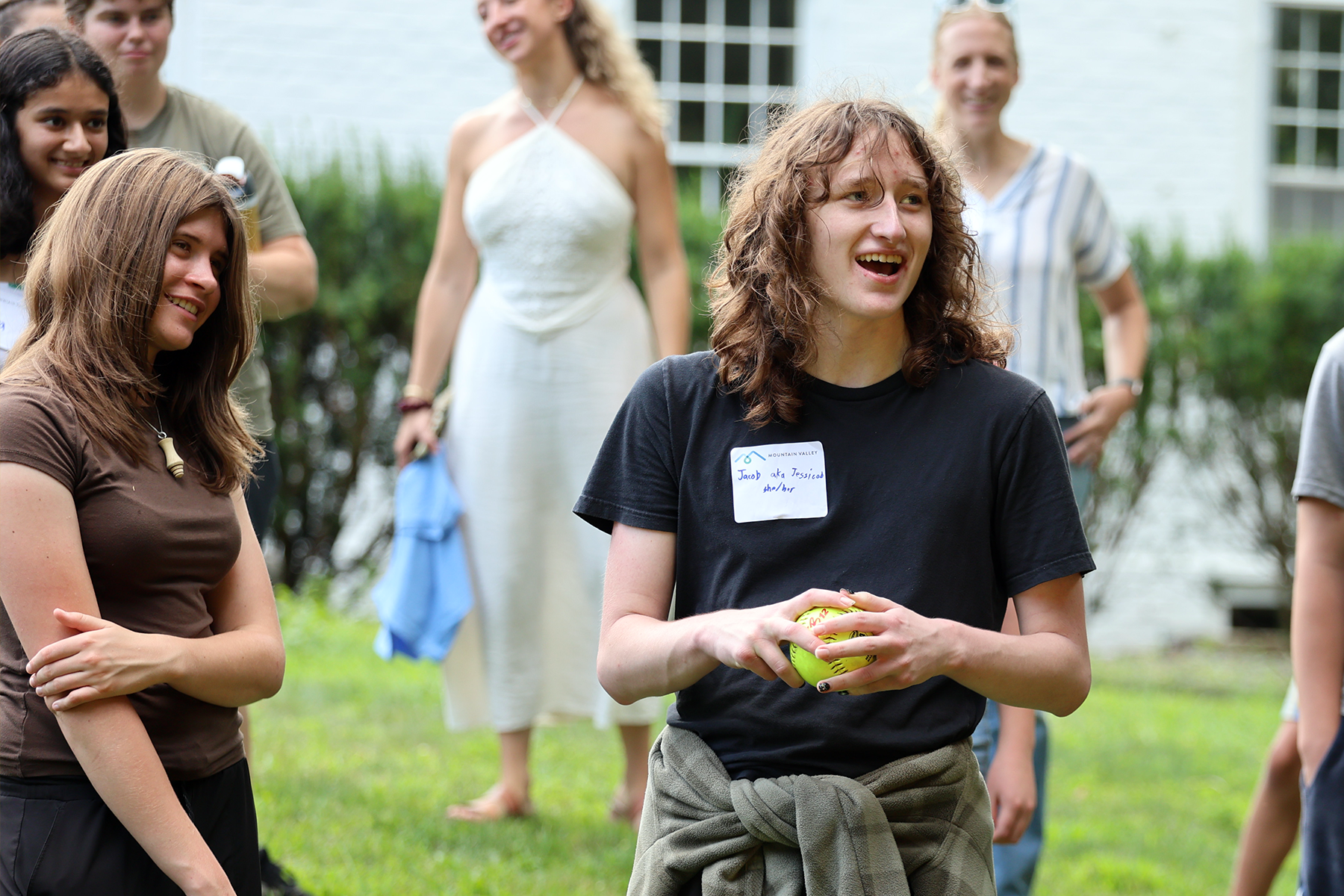
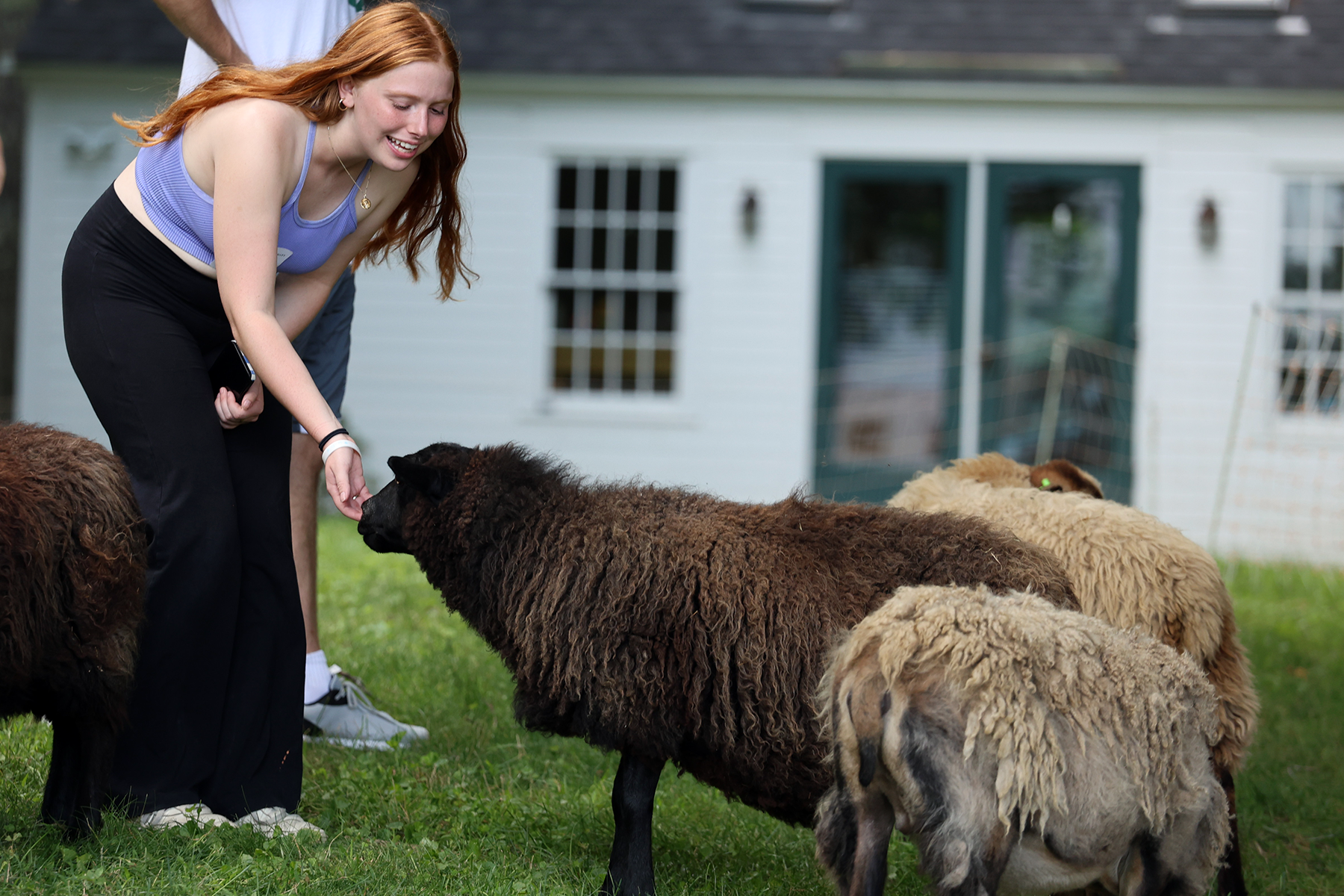
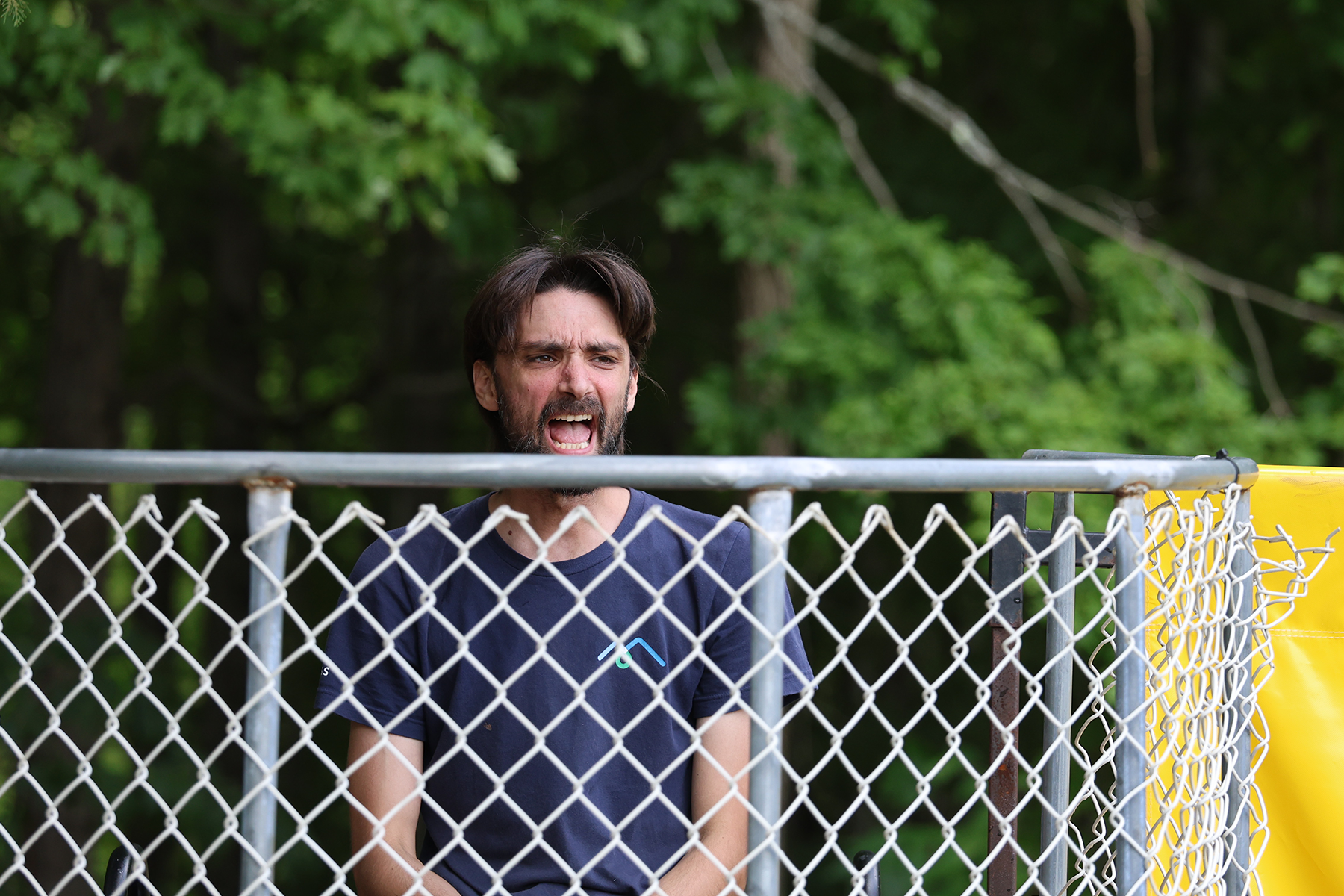
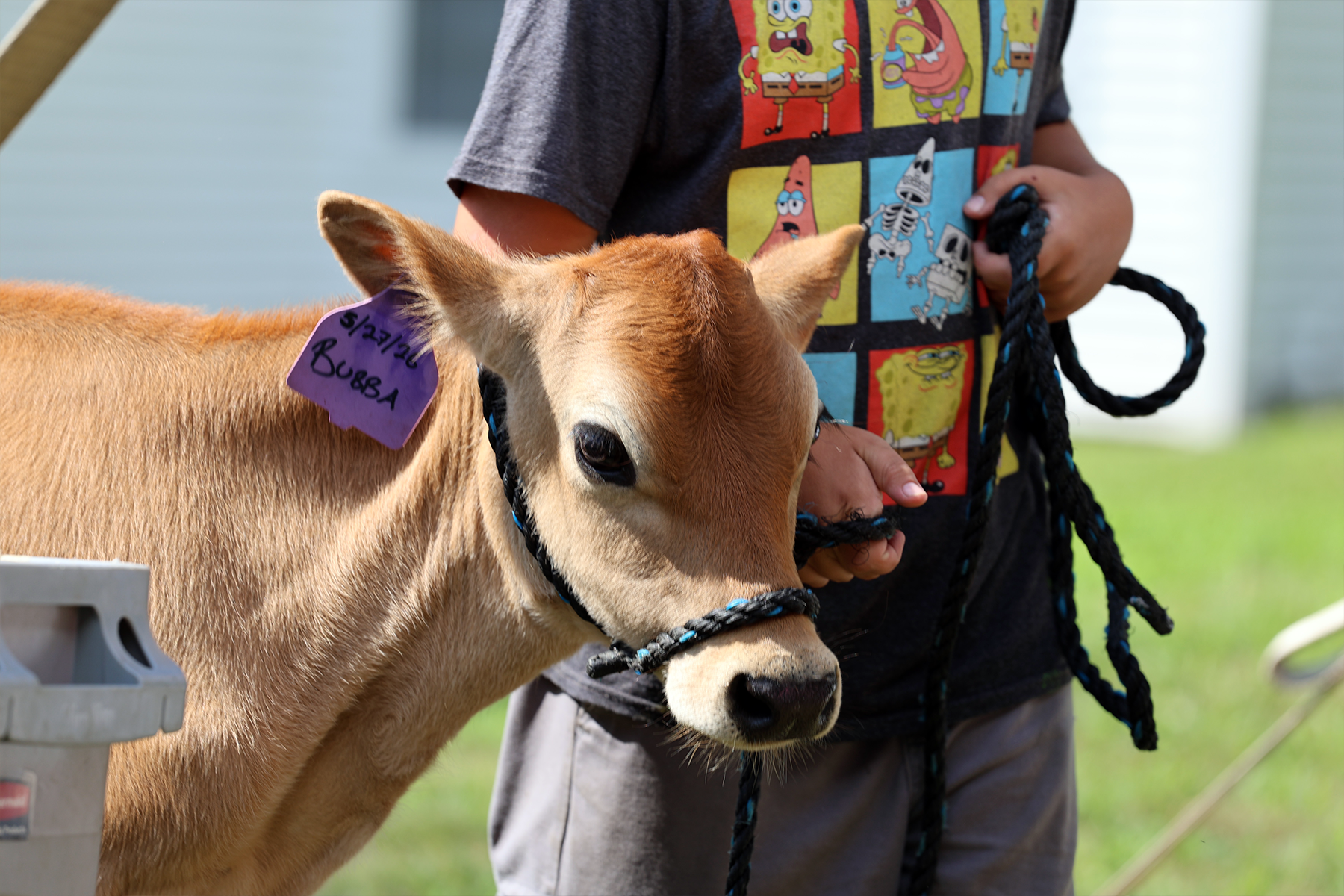
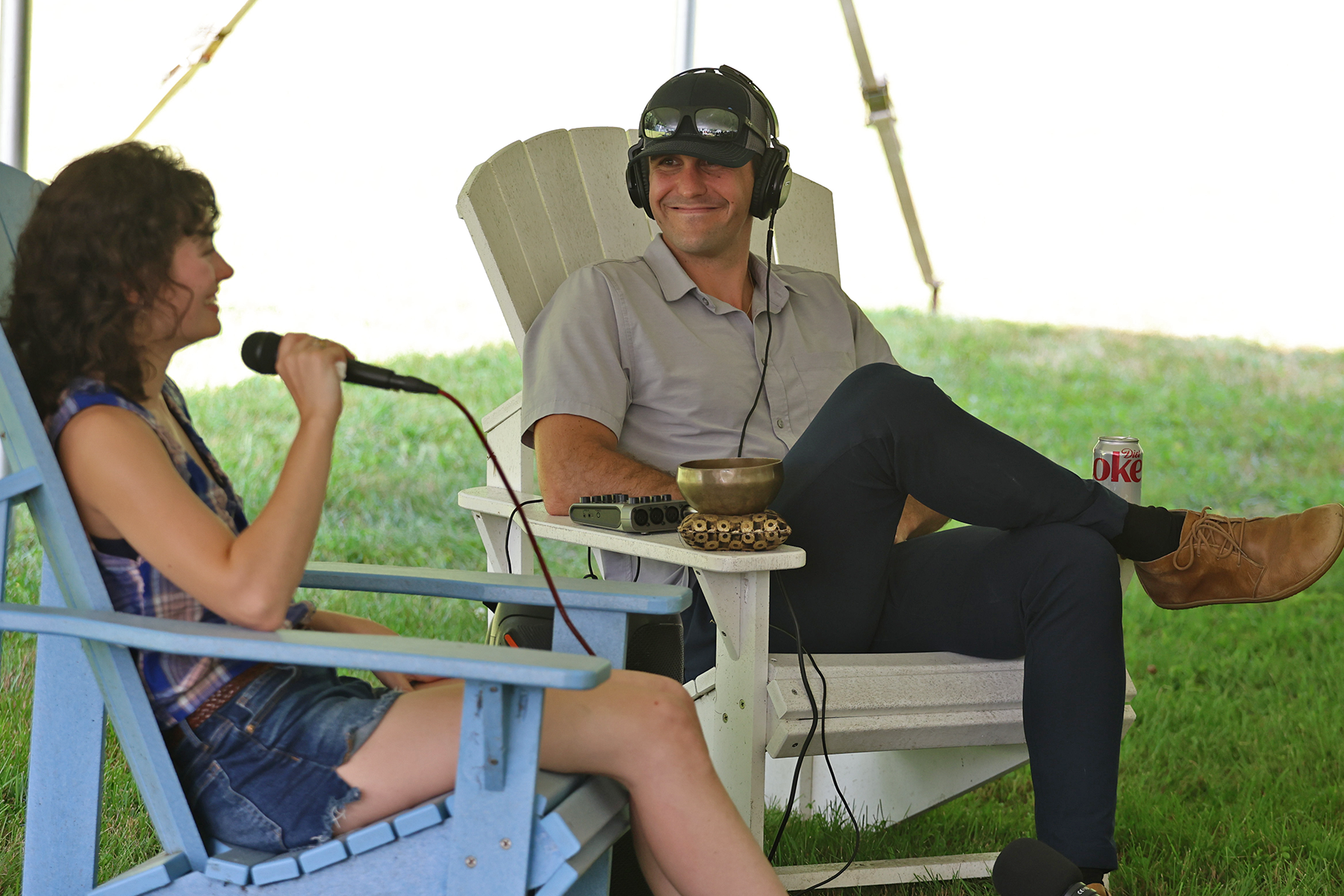
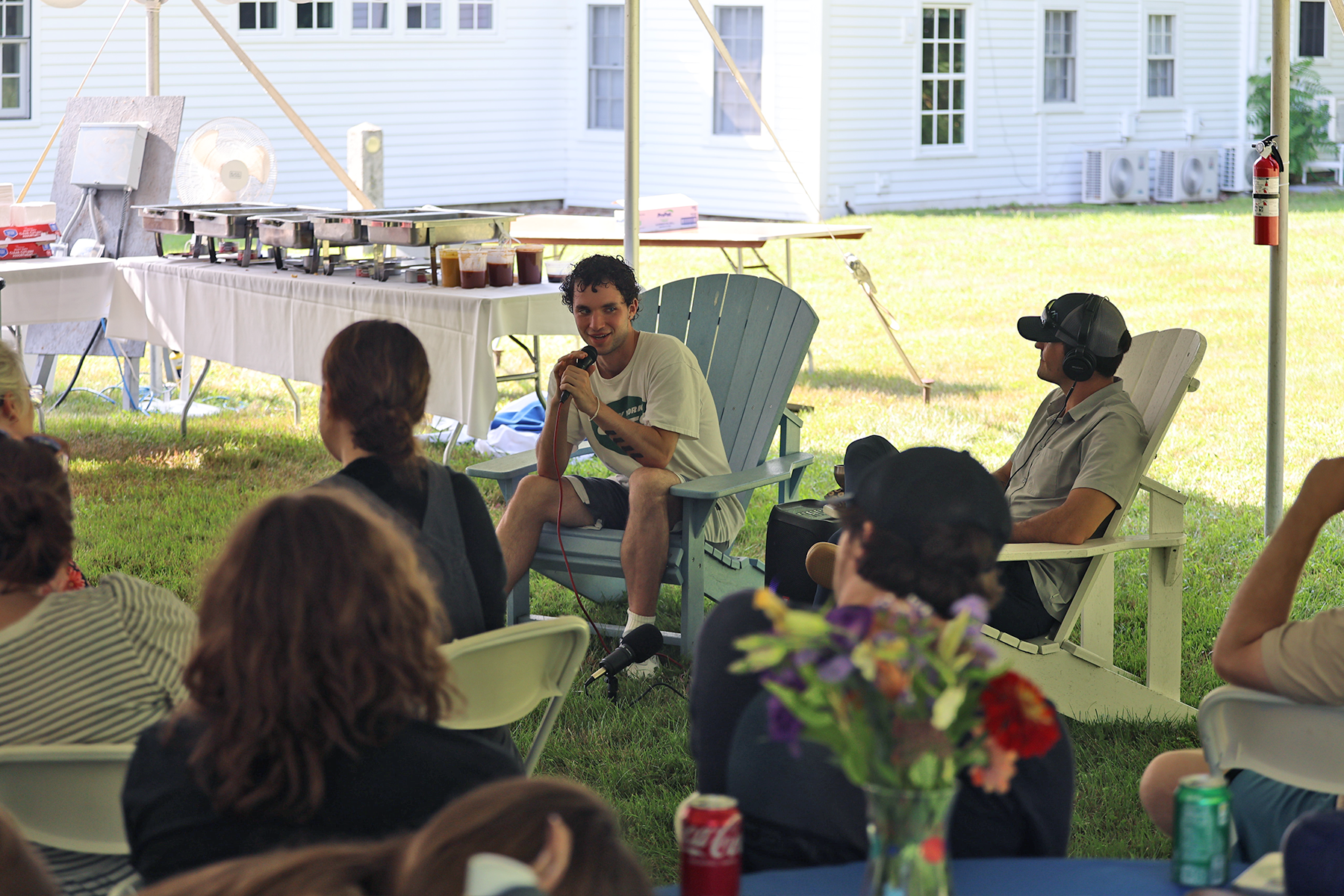
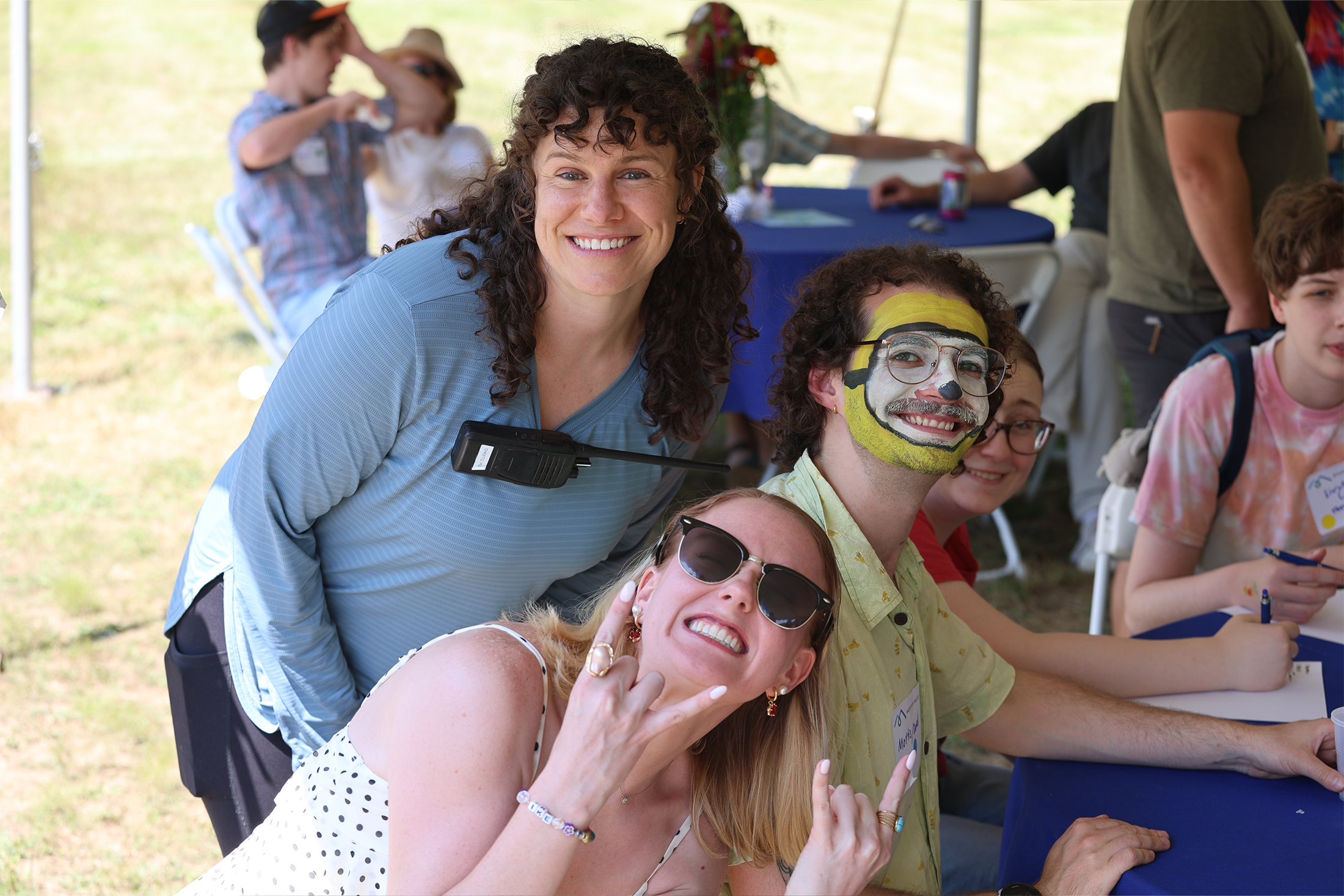
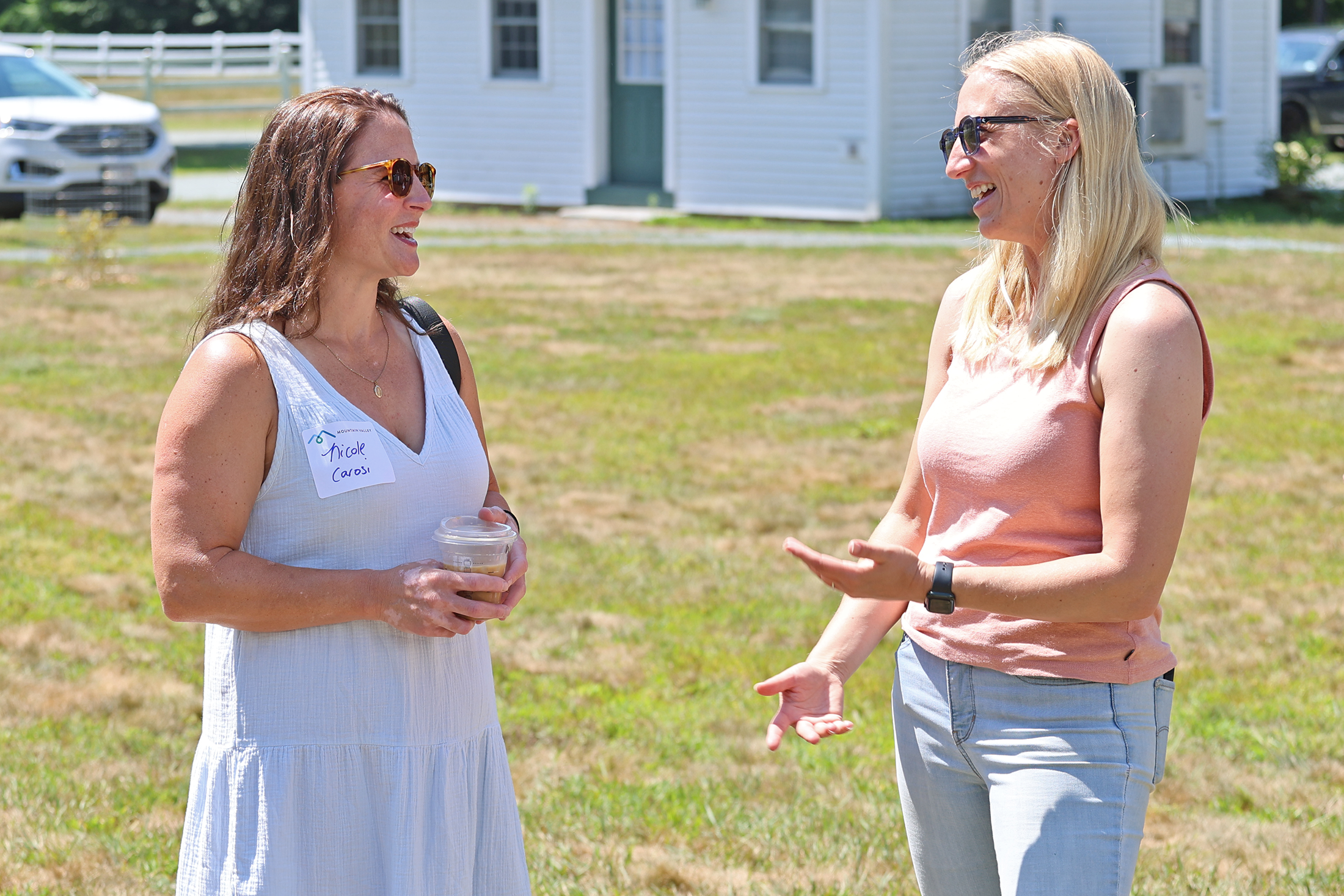
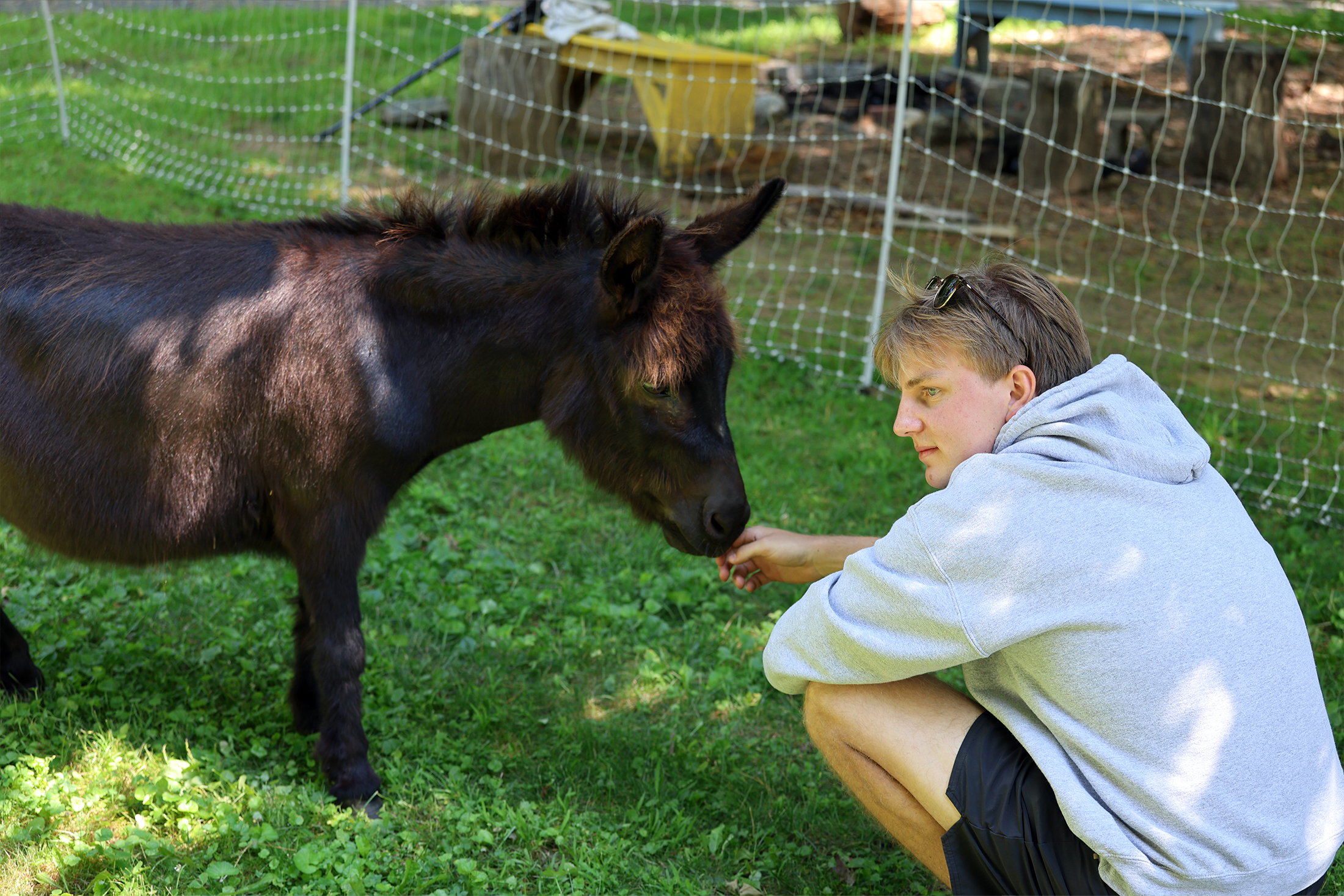
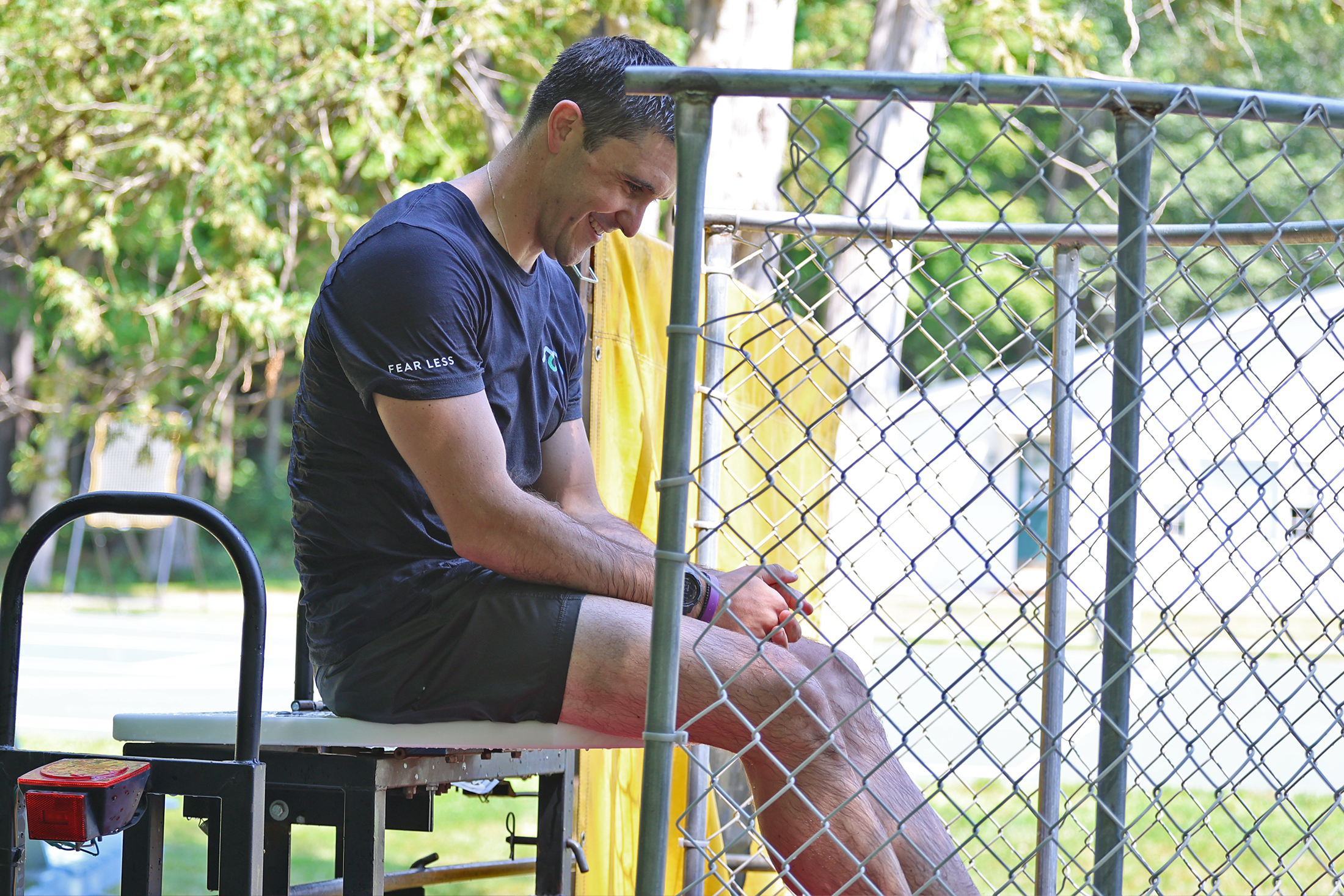
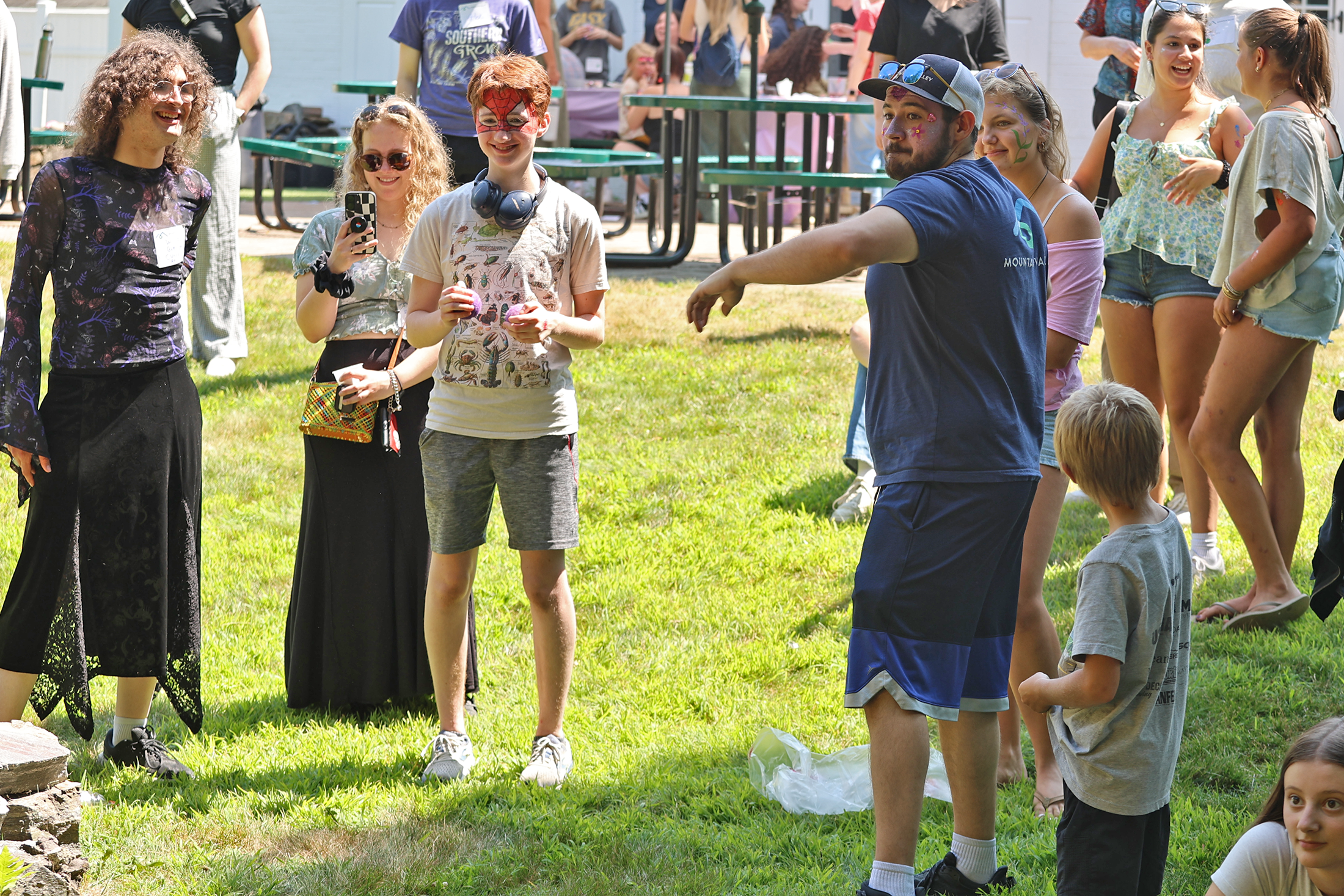
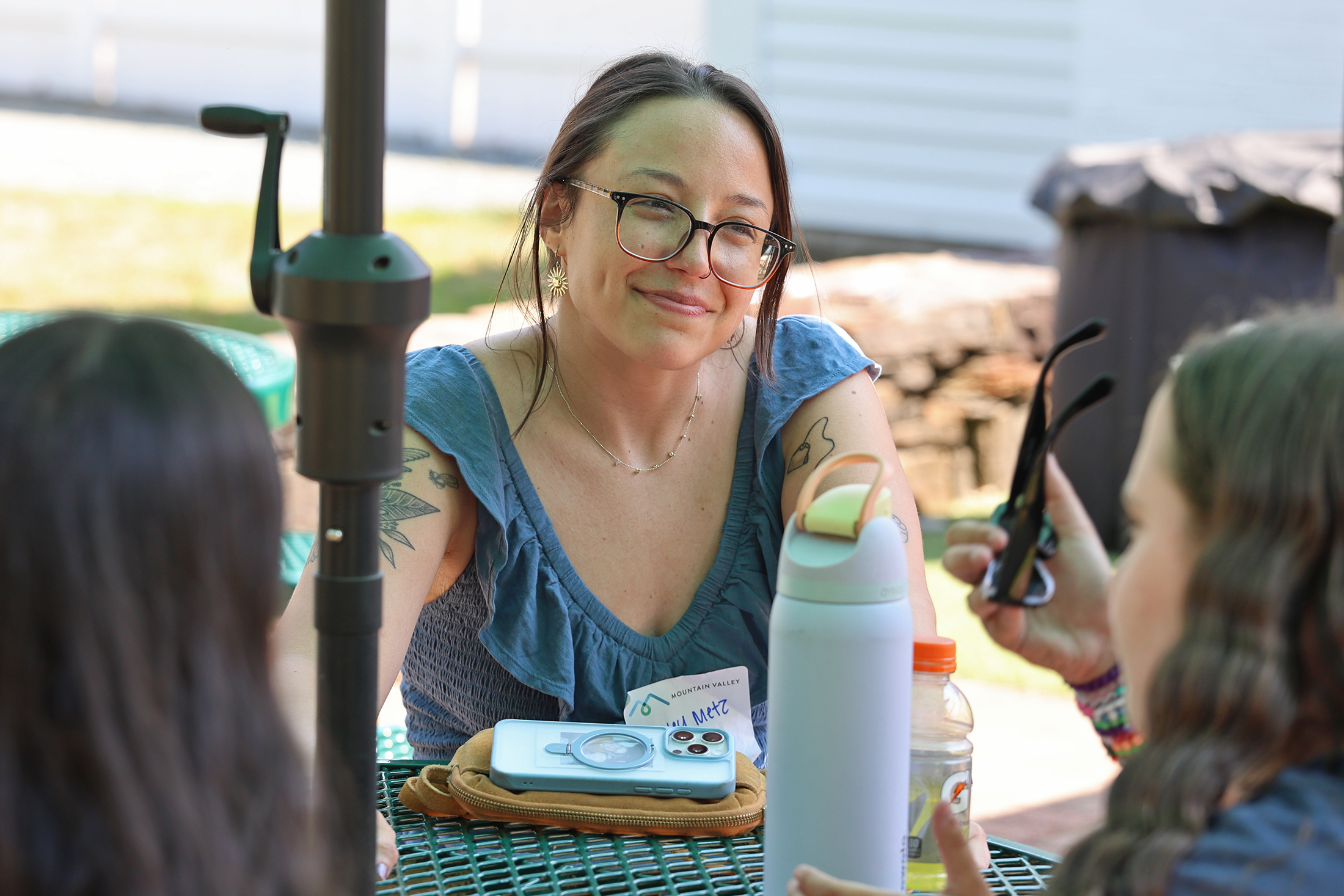
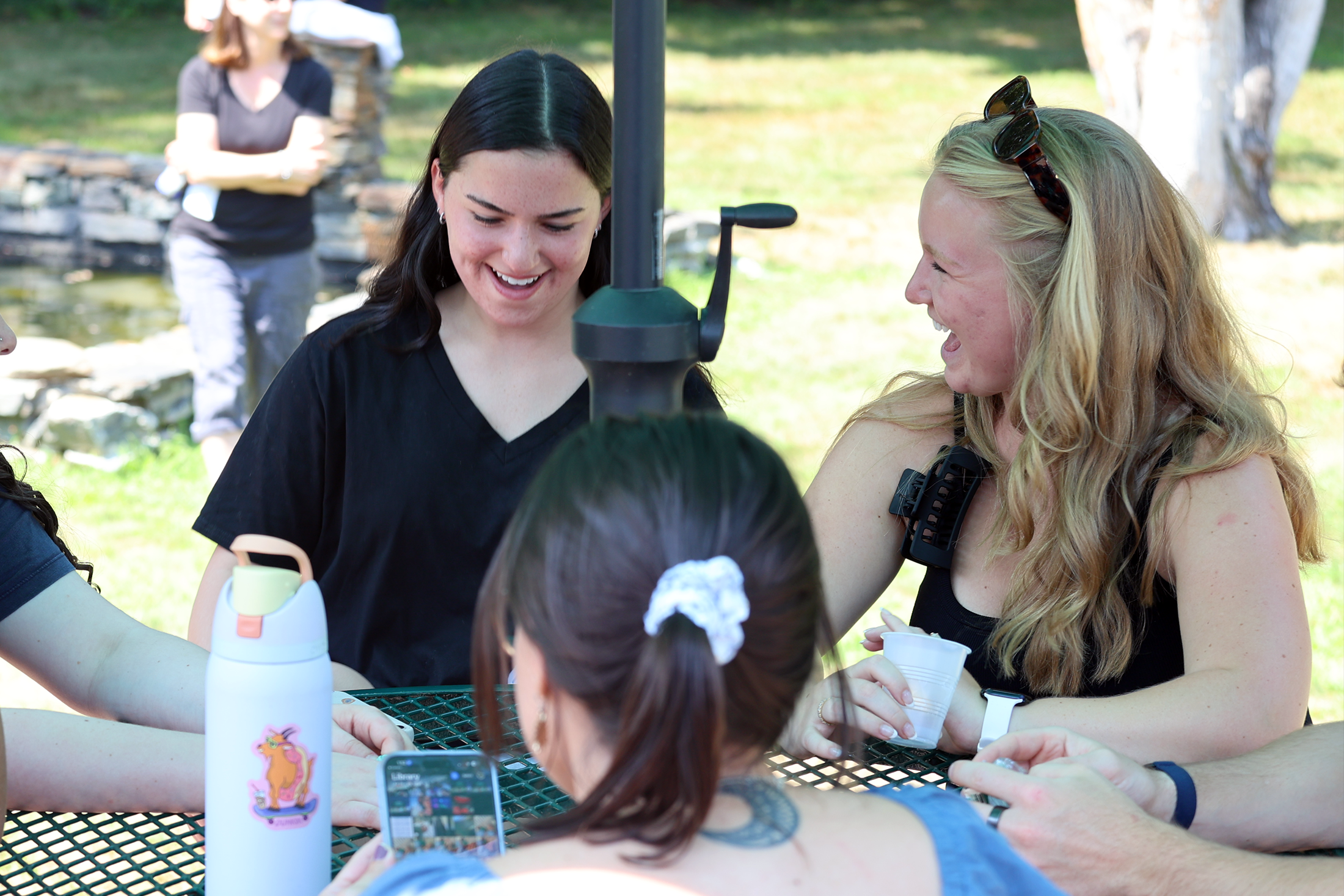
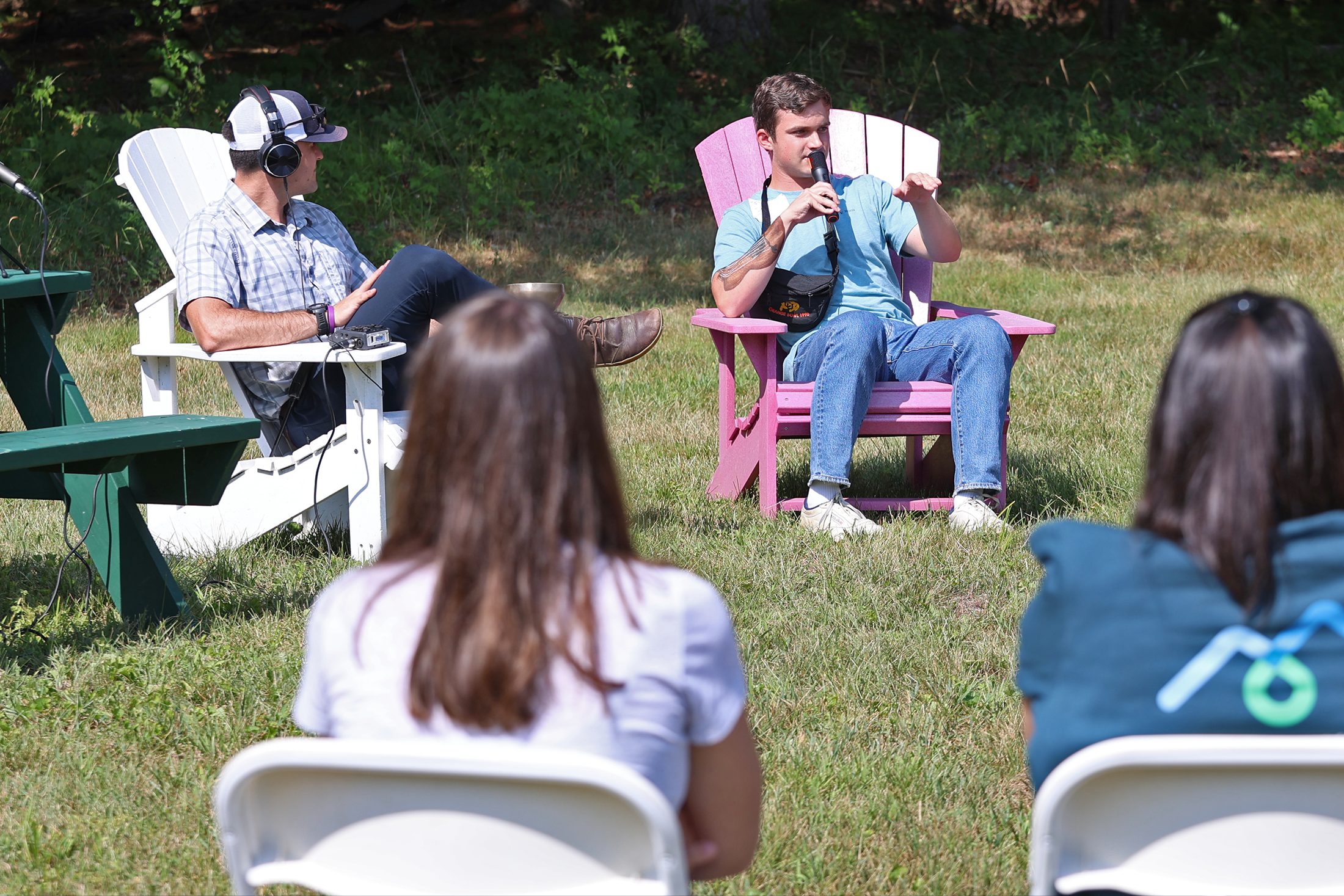
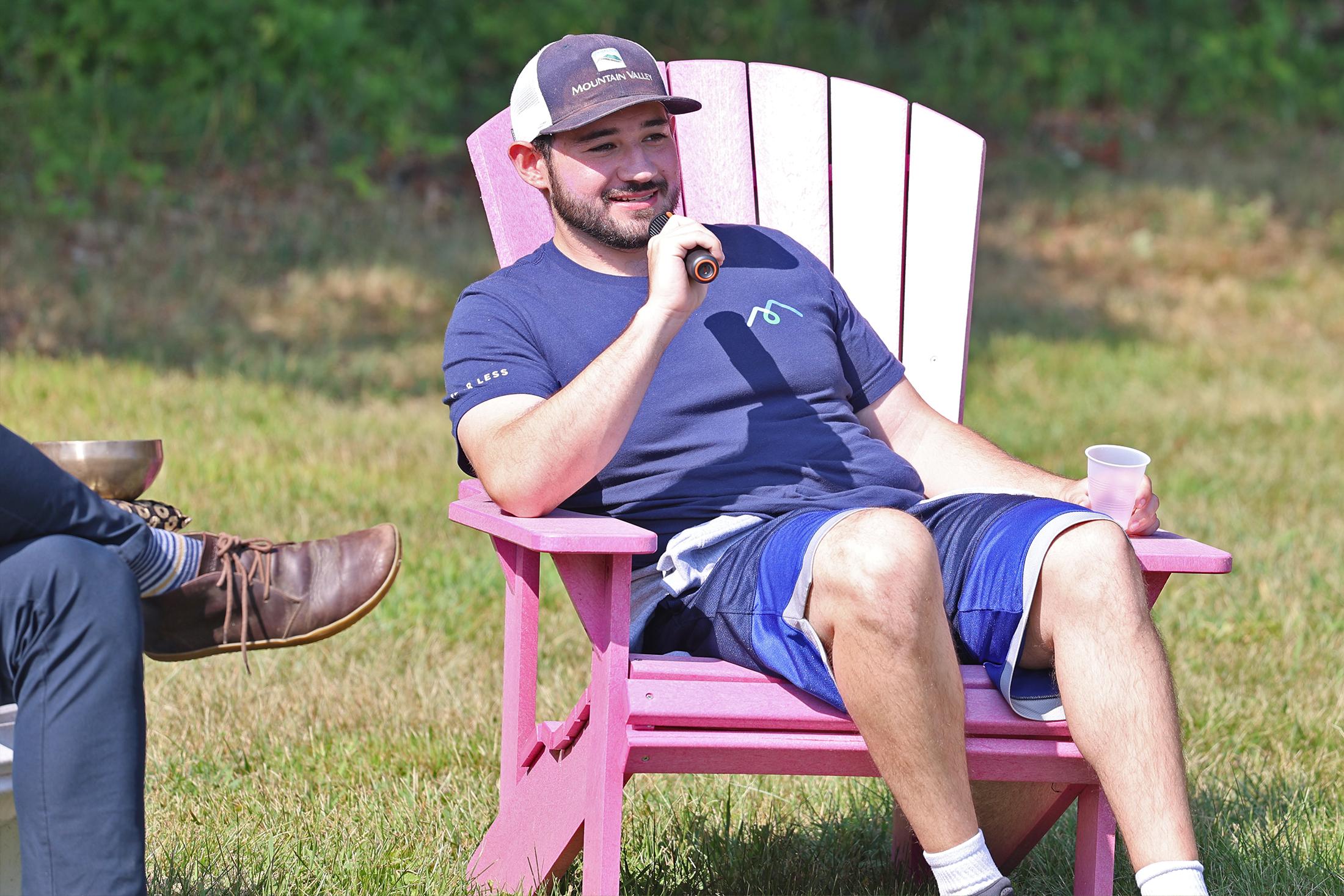
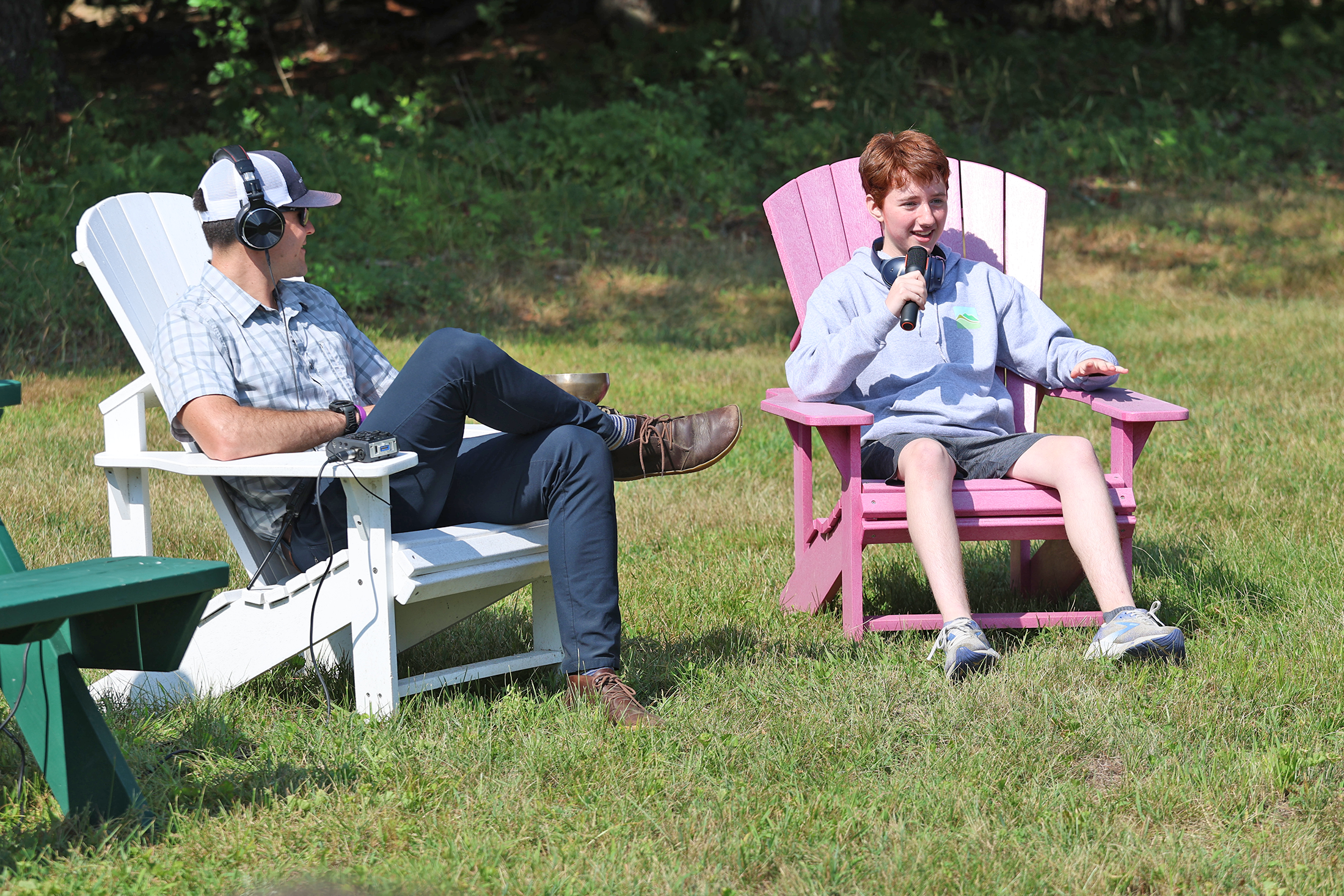
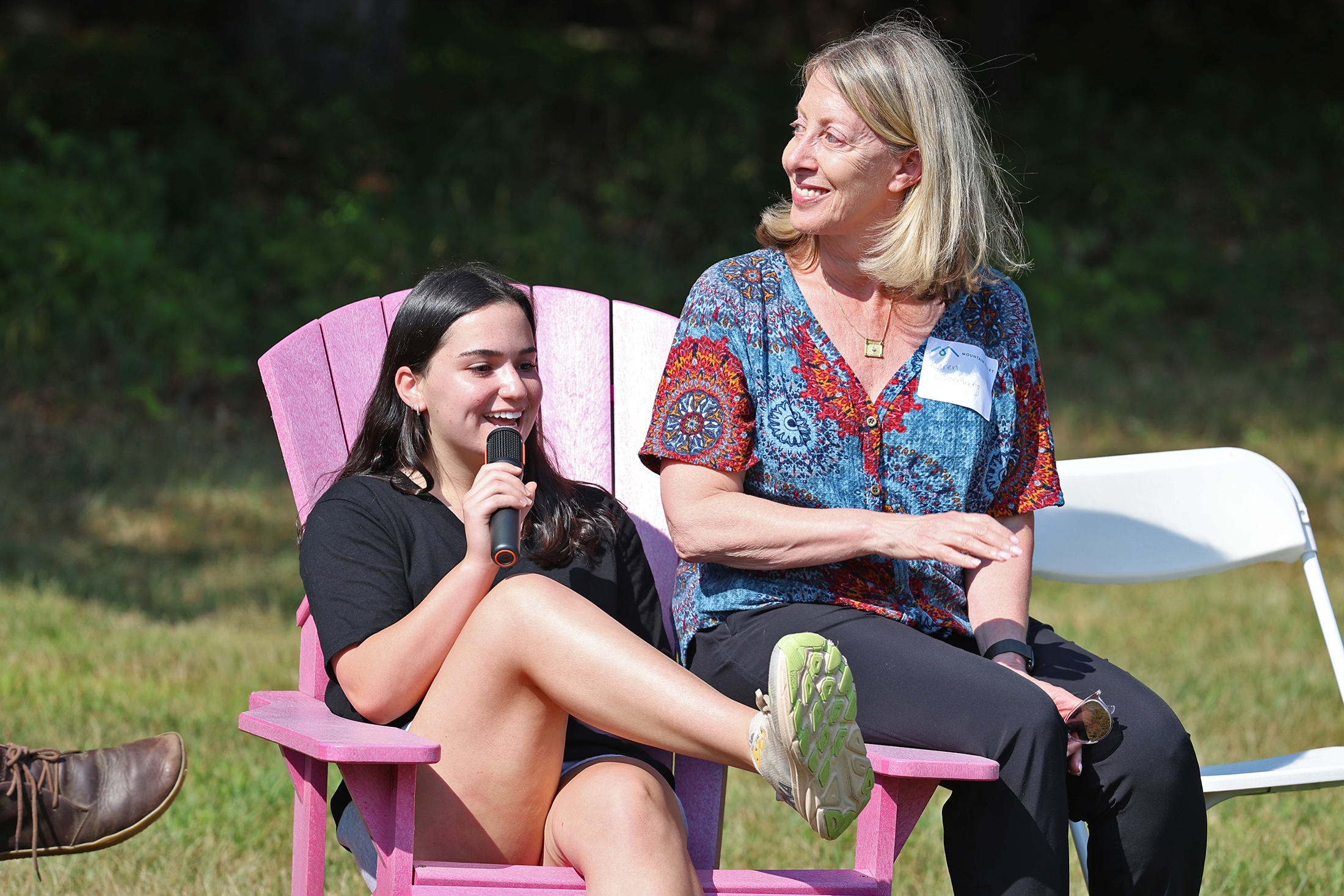
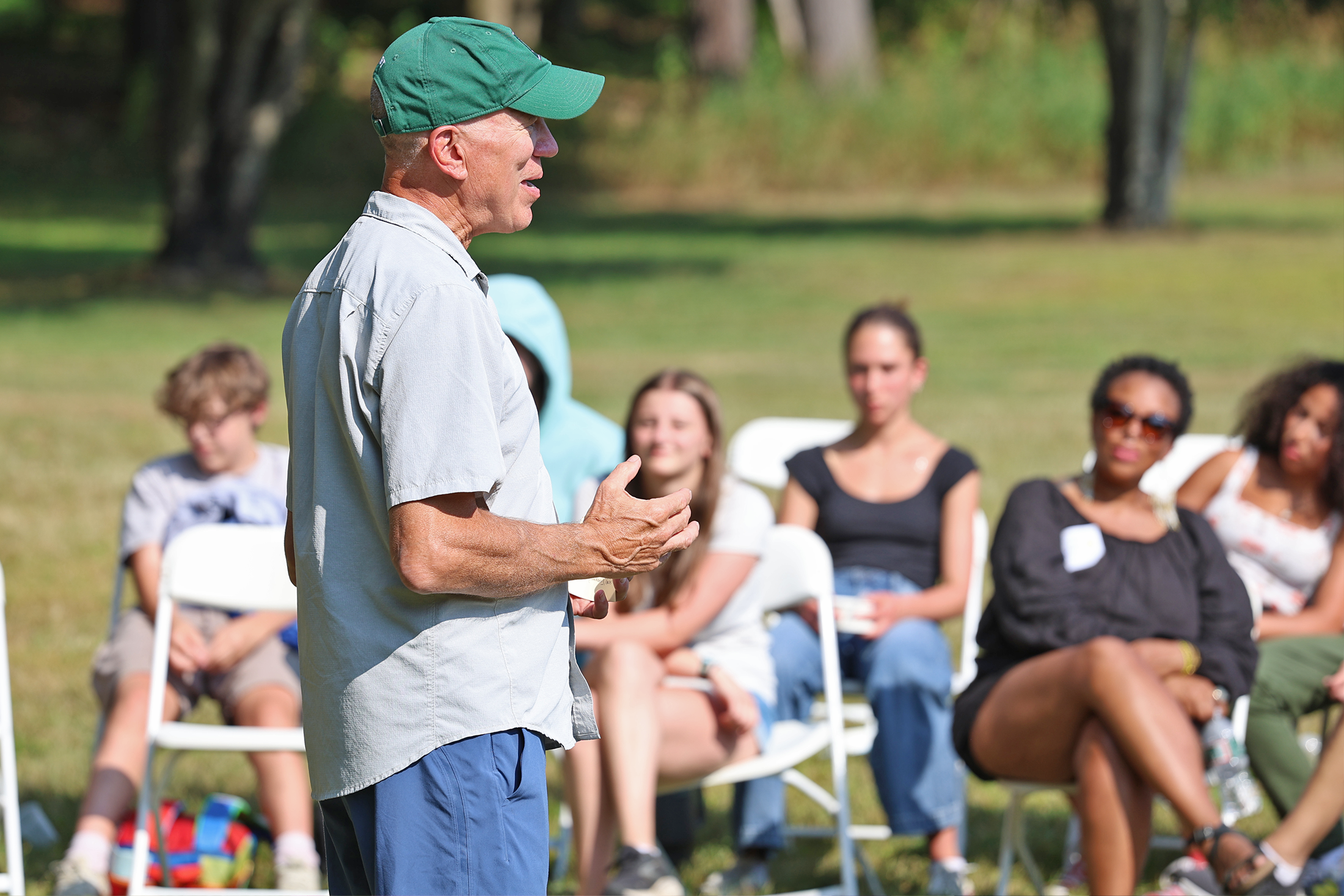
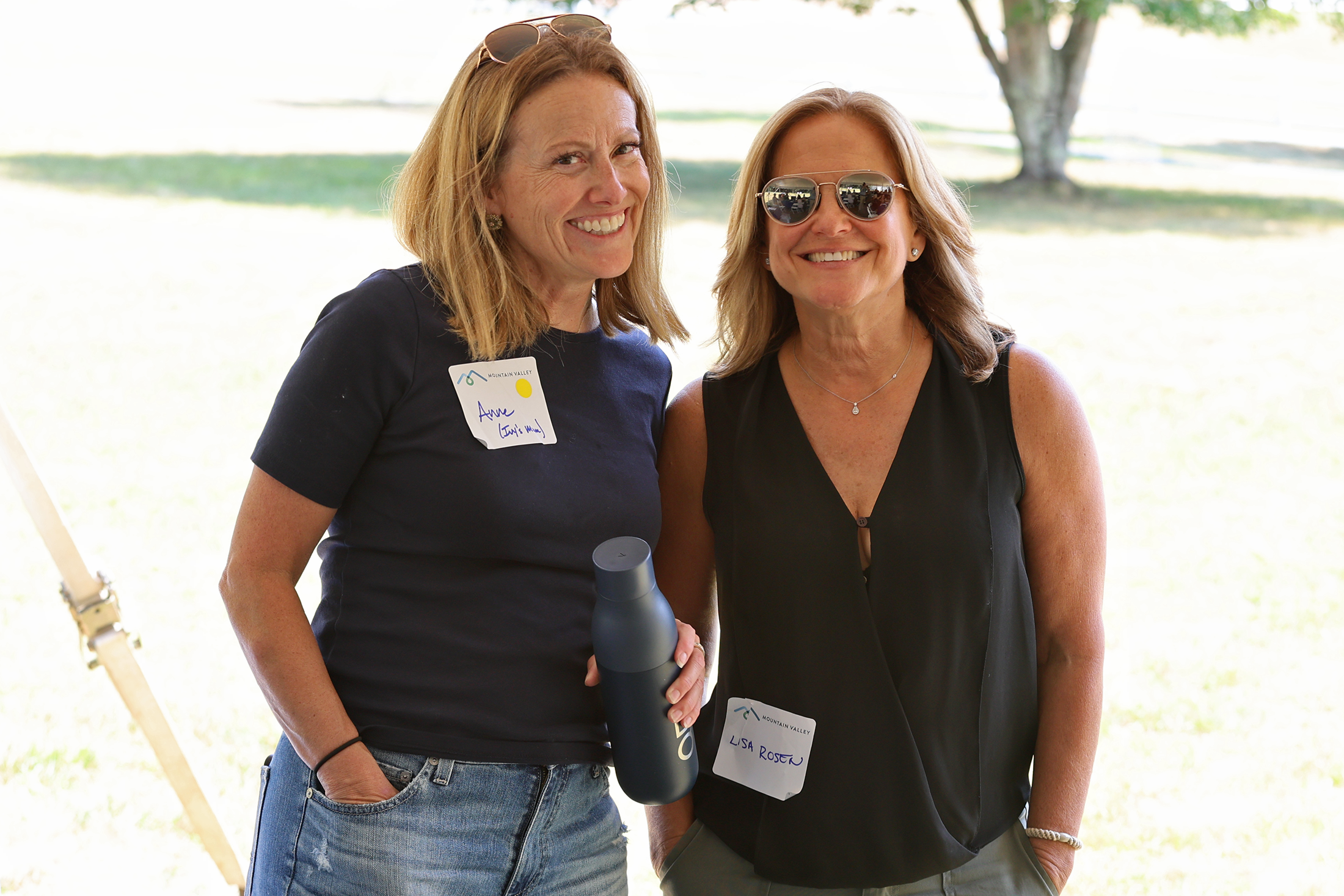
On a hot, sunny day in August, we hosted our biggest reunion yet. More than 200 alumni, family members, and staff converged in Plainfield for a day full of connection and fun. Attendees enjoyed lunch, ice cream from Mac’s Maple, live music, games and crafts, animal encounters, a live podcast recording, and catching up with old and new friends. We can’t wait to do it again next year!

A snapshot of a few reunion moments:

MOVING MOUNTAINS

Resources

When Outpatient Treatment Isn’t Enough for School Avoidance

For many families, the plan is straightforward.

Find a good therapist. Work hard. Give it time.

In many cases, that works.

Outpatient therapy helps countless children and adolescents overcome anxiety disorders, OCD, and school-related fears. But for some families, despite everyone’s best efforts, the situation continues to worsen. School attendance becomes increasingly inconsistent. Anxiety grows larger. Life becomes smaller. Parents begin wondering whether they are missing something.

One of the most difficult questions families ask is:

How do we know when outpatient treatment isn’t enough anymore?

There is no single answer. There is no magic number of missed school days or therapy sessions. But there are patterns that often suggest a child may need a more intensive level of care.

Recognizing those patterns early can make a meaningful difference.

When School Anxiety Stops Being About School

Parents often begin by focusing on school attendance.

That makes sense. School refusal is usually the most visible problem. But over time, many families realize the issue extends far beyond getting their child through the front doors of the building.

School avoidance is often the outward expression of something much larger.

A teenager who cannot attend school may also begin avoiding friends. Driving. Sports. Restaurants. Family vacations. Medical appointments. College planning. Job interviews. Sleepovers. Even ordinary errands.

Life slowly becomes organized around avoiding situations that provoke anxiety.

Sometimes this happens so gradually that families barely notice. They adapt. Accommodations accumulate. Expectations quietly shift downward.

Eventually, success becomes defined not by participation in life, but by the absence of crisis.

That is often the point at which families begin asking whether outpatient treatment is providing enough support.

Signs That Anxiety May Require a Higher Level of Care

Every child is different, and treatment decisions should always be made collaboratively with qualified professionals. Still, there are several situations in which a more intensive anxiety treatment program may be worth considering.

Anxiety Continues to Worsen Despite Appropriate Outpatient Treatment

Not every therapist specializes in treating anxiety disorders or obsessive-compulsive disorder. But even when families are working with clinicians who use evidence-based approaches like Exposure and Response Prevention (ERP) or Cognitive Behavioral Therapy (CBT), progress sometimes stalls.

The child understands the skills.

They know what they “should” do.

But they remain unable to put those skills into practice consistently in daily life.

School Attendance Continues to Decline

Perhaps mornings become longer and harder.

Maybe absences increase.

Assignments pile up.

Accommodations multiply.

Parents spend hours negotiating, reassuring, transporting, or helping their child simply make it through each day.

Eventually, the family’s energy becomes devoted almost entirely to getting through tomorrow morning.

When simply attending school consumes that much emotional bandwidth, it may be time to ask whether the current level of care matches the severity of the problem.

Anxiety Is Interfering With Multiple Areas of Life

School refusal rarely stays confined to school.

Children may withdraw socially, stop participating in activities they once loved, lose independence, reverse their sleep schedule, avoid responsibilities, or spend increasing amounts of time isolated at home.

When anxiety begins affecting nearly every domain of functioning, treatment often needs to become broader and more immersive than a weekly therapy appointment can provide.

Family Life Revolves Around Anxiety

Parents naturally want to help.

Over time, however, many families find themselves unintentionally organizing daily life around preventing distress.

Schedules change.

Plans get canceled.

Siblings adjust.

Parents divide responsibilities.

Everyone becomes increasingly focused on avoiding situations that might trigger anxiety.

This is not a sign of poor parenting. It is what loving families often do when someone they care about is suffering.

But when anxiety begins dictating how the entire family functions, additional support may be needed.

Why Weekly Therapy Sometimes Isn’t Enough

This is not because therapy has failed.

It is because anxiety disorders often require children to practice doing difficult things repeatedly in real life.

A therapist may spend fifty minutes helping a teenager prepare for exposure work.

The challenge is what happens during the other 10,000 minutes of the week.

If a child spends nearly all of those hours avoiding feared situations, seeking reassurance, engaging in compulsions, or depending on accommodations, it can become incredibly difficult for new learning to take hold.

The brain continues receiving the same message:

“Avoidance keeps me safe.”

Intensive treatment changes that equation.

Instead of practicing courage once a week, children have repeated opportunities to face anxiety, tolerate uncertainty, build confidence, and receive coaching while those moments are actually happening.

For many kids, that repetition becomes the catalyst for meaningful change.

What Intensive Anxiety Treatment Looks Like

Many parents hear the words “residential treatment” and understandably imagine hospitalization or crisis care.

That is not what specialized residential anxiety treatment is designed to provide.

Programs that focus on anxiety disorders and OCD typically spend far less time talking about anxiety than people expect.

Instead, treatment focuses on helping young people gradually re-engage with life.

Children practice facing feared situations.

They learn to tolerate uncertainty.

They reduce avoidance.

They build independence.

They strengthen emotional flexibility.

They participate in school, relationships, recreation, exercise, responsibilities, and everyday experiences that anxiety has gradually pushed out of their lives.

For families, treatment often includes learning how to reduce accommodations that unintentionally keep anxiety functioning, while supporting their child in moving toward discomfort rather than away from it.

The goal is not simply symptom reduction.

The goal is restoring functioning.

Looking Beyond the Next School Day

Parents often ask whether they should simply push through another semester.

Sometimes that is appropriate.

Sometimes outpatient treatment just needs more time.

But sometimes families find themselves asking the same questions every August, every January, or every Sunday night.

“Maybe this year will be different.”

Hope matters.

But hope alone rarely changes entrenched anxiety patterns.

One helpful question is not:

“Can my child survive another semester?”

Instead ask:

“Is my child’s world becoming larger or smaller?”

Anxiety almost always moves life toward smaller.

Treatment should move life toward larger.

Toward more independence.

More flexibility.

More confidence.

More participation.

More willingness to experience discomfort in pursuit of a meaningful life.

When to Consider Residential Treatment for Anxiety

Choosing a residential anxiety treatment program is one of the biggest decisions a family can make.

It is not the right fit for every child.

But when anxiety or OCD has begun interfering with school attendance, friendships, independence, family functioning, and everyday life despite quality outpatient care, continuing to repeat the same approach may simply produce more of the same results.

The goal is never to remove children from their lives.

The goal is to help them return to those lives with greater confidence, greater flexibility, and the knowledge that anxiety no longer has to determine what they can and cannot do.

If treatment helps a child reclaim school, friendships, family relationships, and the future they want for themselves, then the question is not whether they spent time in residential treatment.

The question is how much of their life they were able to get back.

MOVING MOUNTAINS

Resources

Gratitude is Good for Mental Health: Three Ways to Practice This Season

The holiday season has a way of turning the volume up on everything—expectations, logistics, emotions, and the quiet pressure to somehow be joyful on command. Even Thanksgiving, a holiday built around gratitude, can feel complicated. For many young people, and many adults too, this stretch of the year stirs up anxiety, comparison, and old patterns that make “feeling grateful” seem like a tall order. And yet, one of the things we talk about every day at Mountain Valley is that small shifts matter. A tiny change in attention—one moment of noticing what’s going right instead of everything that feels heavy—can be the beginning of real movement.

The research is clear: intentionally practicing gratitude is good for both mental and physical health. It lowers the risk of depression. It boosts positive emotions. It helps with sleep, supports heart health, and increases overall life satisfaction. And despite how corny it can sound, especially to a teenager who’s been asked to “journal about gratitude” more times than they can count, the science keeps repeating the same message: it actually works. Not because it erases stress or eliminates anxiety, but because it gives the brain something steady and grounding to hold onto in the middle of it all.

What we see at Mountain Valley mirrors that research. For many residents, anxious thoughts take up so much space that gratitude feels out of reach—especially early in treatment. But with gentle structure, repetition, and a little willingness, gratitude becomes a way to interrupt the vicious circle of avoidance, rumination, and fear. It doesn’t have to be dramatic. It rarely is. It often starts with something as small as a shared laugh at lunch, a moment of courage during ERP, or a staff member meeting a resident exactly where they are. These micro-moments matter. They’re the footholds young people use to climb toward a life that feels more open, flexible, and grounded.

So how do you actually build gratitude—especially when you don’t feel it? Here are three simple, doable practices that work for the adolescents and emerging adults we serve, and for the adults who walk alongside them:

1. Write it down.
You don’t need a fancy journal or a beautifully written paragraph. Start a running list in your Notes app. One thing a day. Something real, not forced: the warmth of your bed, a funny moment from group, your dog, a good cup of tea, the quiet after lights out. On the hard days, return to the list. Let it remind you that your life contains more than whatever anxiety happens to be shouting in your ear.

2. Take a walk.
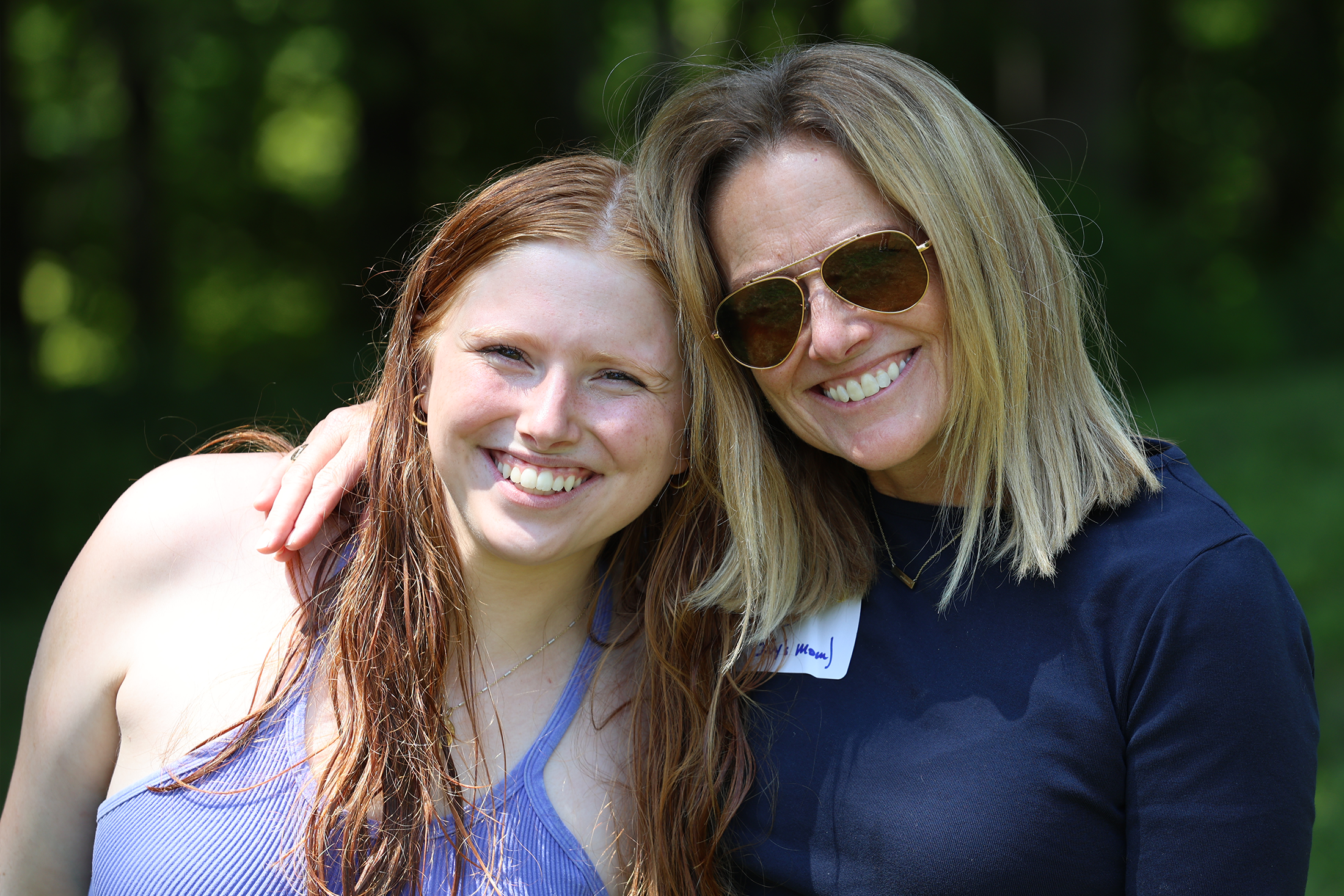
Movement helps shift anxious energy, and pairing it with intentional noticing makes it even more powerful. Whether it’s five minutes around the block or a long hike through the woods, bring your attention to small things that feel steady or pleasing: the way your feet move, the rhythm of your breath, the way light hits the trees, the music in your earbuds. Gratitude grows in motion.
3. Say thank you.
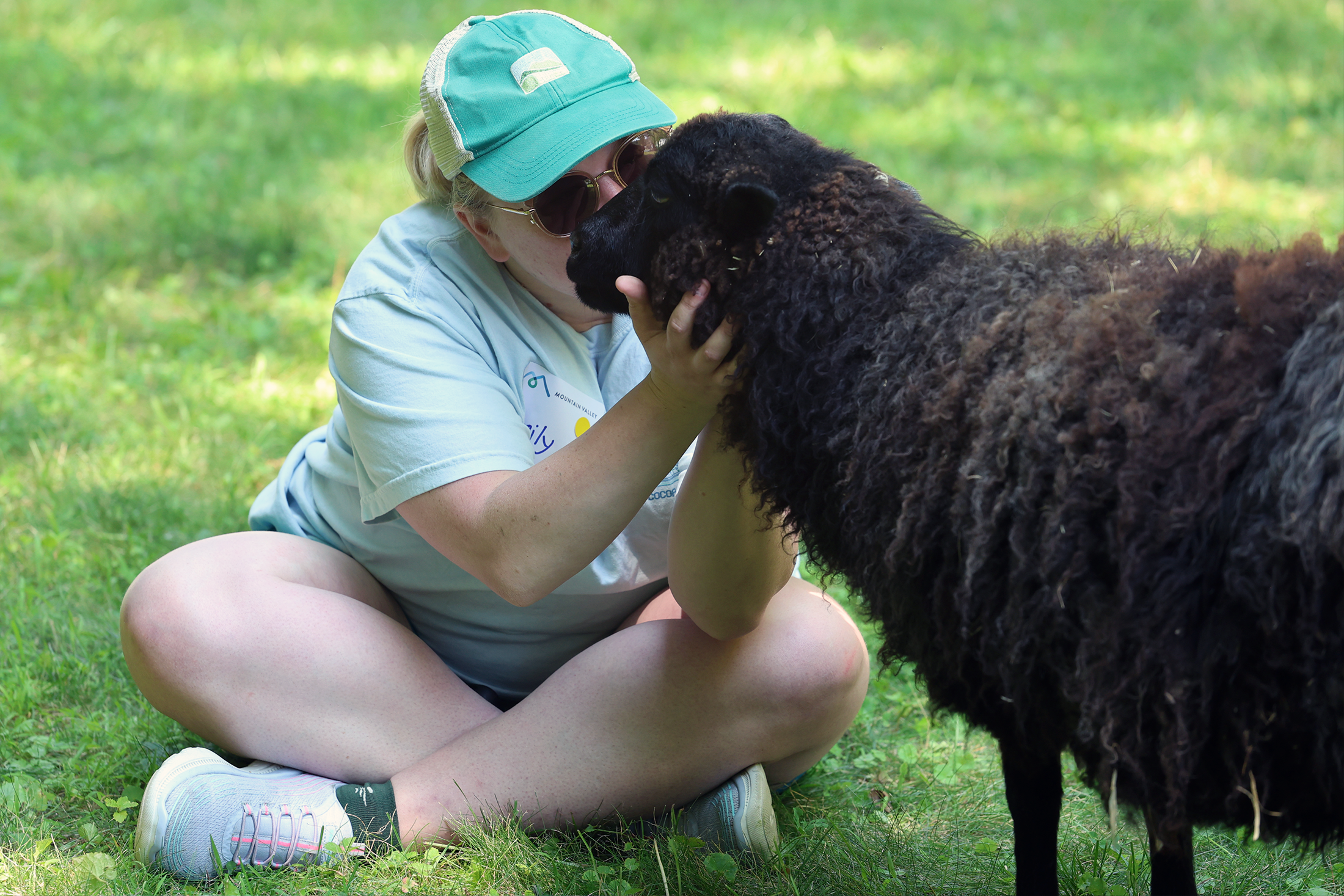
One of the quickest ways to increase gratitude is simply to express it. Text a friend, thank a staff member, acknowledge your parents, or tell a teacher or coach that something they did mattered. These moments of human connection, however brief, widen the emotional bandwidth that anxiety tries to narrow.

Here at Mountain Valley, volunteering is another gratitude practice we use intentionally. When residents serve the community, they experience both sides of appreciation—offering it and receiving it. It’s a powerful reminder that gratitude isn’t just a feeling; it’s an action that connects us to something bigger than our own worries.

Gratitude won’t fix everything, but it can soften the edges of a season that often feels overwhelming. With a bit of practice, it becomes a tool you can return to again and again—one that helps you notice what’s here, what’s working, and what’s worth holding onto in every season of life.

MOVING MOUNTAINS

Resources

Captured: Mountain Valley Reunion Moments

On August 2, 2025, we welcomed more than 100 Mountain Valley alumni and their families to Plainfield, New Hampshire. As we gathered on a beautiful summer day, we celebrated the life-changing experiences made at Mountain Valley and reconnected former residents from all over the country.

A snapshot of a few of our favorite moments from the reunion:

MOVING MOUNTAINS

Resources

From Fear to Love: The Mountain Valley Reunion 2025

August 2, 2025, was a beautiful mid-summer day in Plainfield, New Hampshire. The sky was clear, the sun was shining, and the Mountain Valley campus buzzed with energy. It was the day of our annual Mountain Valley Reunion, and more than one hundred people gathered to reconnect and celebrate the life-changing experiences they’ve had through our program.

Alumni residents and their families flew in from across the country. Current residents spent the morning rounding up farm animals for a petting zoo and hanging “Welcome Back!” signs around campus. By noon, the open field behind the Carriage House dorm was filled with laughter and joy — alumni, parents, former and current staff, and family members mingled, reconnecting, and celebrating together.

It was a day full of emotions — good ones — but even good emotions can be overwhelming.

“How did we get all these people to spend a sunny summer afternoon in the field of a residential treatment center? How did we get so lucky? What did we do to deserve this?”

These questions swirled in my mind as I walked the now-quiet campus hours after the festivities ended. Searching for an answer, I did what we encourage our residents to do: I asked myself, “What am I feeling?”

Before the question had fully formed, my body answered: love.

Love is what I was feeling. Love is what made the day what it was.

What Is Love?
Love is a powerful word and a complex emotion — one we use so often that we risk losing sight of its meaning.

Like all emotions, love is both a biological and psychological process. Biologically, it’s a cocktail of hormones — oxytocin, dopamine, vasopressin, and endorphins — the perfect “feel-good” mix. Psychologically, love shapes our thoughts and behaviors and influences the development of our relationships and attachments.

But is love just biology and psychology? Or is it something bigger? Philosophers have debated it for millennia. Plato called love “a desire for beauty and truth.” Aristotle saw it as a virtue, essential to living a moral and good life. Kierkegaard described it as a choice — a commitment that demands self-sacrifice.

No matter the lens — science, psychology, or philosophy — love’s impact on the human experience is profound and undeniable.

So how did we get here? How did strangers from different walks of life come together and find themselves in a place of love? Maybe it begins where it all started: in a place of fear.

The Relationship Between Love & Fear
As an anxiety-focused program, fear is what brings people to our door. It can steal the spark from a young person’s life, causing them to retreat, avoid, and withdraw from the world. Parents often watch helplessly as their child’s life grows smaller and their own fears grow larger until the entire family system is engulfed in fear’s shadow.

So, what do we do? How do we find the light again? And where does love fit into all of this?

Love Reduces Fear
Biologically, love is the antidote to fear. It calms the brain’s alarm system, releasing hormones that reduce stress and foster connection. That sense of connection is at the heart of what we do.

As an exposure-based program, we walk alongside anxious young people and their families as they lean into what scares them most. Through this process, they build resilience, regain confidence, and rediscover their passion for life. But their bravery begins where love can be found, so it’s our job to provide it.

Love Transforms Fear
Love doesn’t just reduce fear — it transforms it. When we are in love — with a person, place, thing, or idea — we are more willing to face our fears. As psychologist Viktor Frankl said, “A man with a why can bear almost any how.” Love gives us something bigger than ourselves to be brave for. In its most authentic form, it can turn fear into courage.

If our mission is to help young people turn fear into courage, love is a key ingredient. We help them find it in the people, places, and things around them. By tapping into what they love, we tap into their strength — harnessing it for meaningful change.

Love Is Found Through Fear
Love isn’t just a tool to reduce or transform fear — it’s often the result of facing it. Embracing what scares us — talking about it or confronting it in real time — requires vulnerability. It requires us to be seen for who we truly are. In the right context, with the right support, that vulnerability often leads to profound connection and deep acceptance. This is the primary basis for experiencing love.

So although it’s easy to see fear as a barrier to love, it can also be a bridge — and when a community faces its fears together, it often discovers deep love and connection on the other side.

A Day of Love
Our reunion was a living testament to these truths and to the relationship between love and fear. We were reminded of the fears this community has faced, met, and transcended — and inspired by the genuine connection, understanding, and love that took their place.

As the sun set on that perfect summer day, I felt deep gratitude for the privilege of being part of a community dedicated to “making fear less” and “love more” in the world around us.

Let’s Face Fear Together
If you or someone you love is struggling with fear or anxiety, know that you’re not alone — and that healing and connection are possible. We invite you to learn more about our program, join our community events, or simply reach out to start a conversation. Together, we can face fear and make room for more love in our lives.

Stay connected with Mountain Valley — where courage grows and love leads the way.

MOVING MOUNTAINS

Resources

Understanding the Subjective Units of Distress Scale (SUDS): A Tool for Managing Anxiety

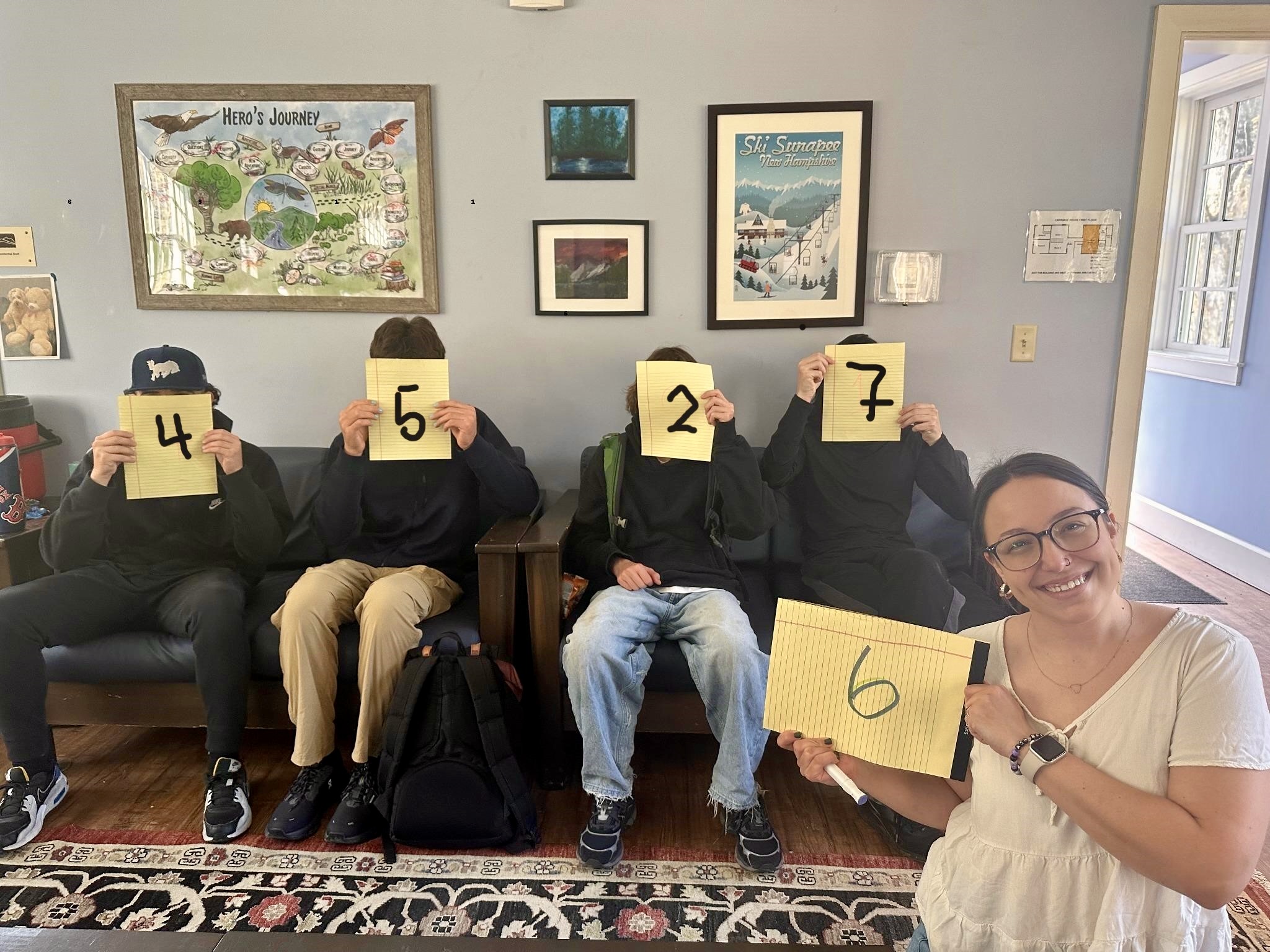
Anxiety can often feel overwhelming, especially when it surfaces unexpectedly. At Mountain Valley, we understand the importance of equipping individuals with effective tools to navigate these intense emotions. One such tool we regularly employ is the Subjective Units of Distress Scale (SUDS). Before our group and individual psychotherapy sessions, we often ask participants to share their SUDS levels. This practice not only promotes self-awareness but also fosters open communication about one’s emotional state.

What Is the Subjective Units of Distress Scale?

The Subjective Units of Distress Scale, commonly known as SUDS, is a simple self-assessment tool used to quantify the intensity of distress or anxiety an individual feels at a particular moment. Developed by psychologist Joseph Wolpe in the 1960s, SUDS assigns a numerical value—typically ranging from 0 t0 10 (or 0 t0 100)—to represent one’s current level of discomfort. A score of 0 indicates complete calmness, while 10 signifies the highest level of distress imaginable.

How Does SUDS Work?

SUDS is inherently subjective, relying on personal perception rather than objective measurements. Here’s how it generally works:

  1.   Identification: When an individual begins to feel anxious or distressed, they pause to acknowledge these feelings.
  2.   Assessment: They assign a numerical value to their level of distress based on the SUDS scale.
  3.   Reflection: This number helps them—and the MV team—to understand the severity of their symptoms at that moment.
  4.   Action: Based on the SUDS score, appropriate coping strategies or therapeutic interventions can be applied to manage the distress.

Why Is SUDS Important for Managing Anxiety?

Promotes Self-Awareness

One of the first steps in managing anxiety is to recognize when it’s occurring.. By regularly assessing their SUDS score, individuals become more attuned to their emotional states. This heightened self-awareness can lead to earlier interventions and prevent anxiety from escalating.

Facilitates Communication

Articulating feelings of anxiety can be challenging. SUDS provides a straightforward way to communicate distress levels to therapists, caregivers, or peers. At Mountain Valley Treatment Center, sharing SUDS scores before group sessions helps create a common language that enhances understanding and fosters effective support.

Guides Therapeutic Interventions

In therapeutic settings, SUDS is often used during exposure therapy—a treatment commonly employed for anxiety disorders and phobias. By assigning distress levels during exposure to anxiety-provoking stimuli, therapists can tailor the intensity and duration of exposures to optimize treatment outcomes.

Research Supporting SUDS

A study published in the Journal of Anxiety Disorders highlighted the efficacy of using SUDS in exposure therapy for patients with obsessive-compulsive disorder (OCD). The research found that patients who consistently used SUDS to report their anxiety levels experienced a more significant reduction in symptoms compared to those who did not use the scale1.

Another study in Behavior Research and Therapy demonstrated that SUDS scores could predict treatment outcomes in cognitive-behavioral therapy (CBT) for panic disorder. Higher initial SUDS scores were associated with greater improvements by the end of treatment, suggesting that SUDS can be a useful prognostic tool2.

Implementing SUDS in Daily Life

While SUDS is often used in clinical settings, it can also be a valuable tool for personal use. Here are some tips for integrating SUDS into daily routines:

  • Regular Check-Ins: Set aside moments during the day to assess your SUDS score, even when not feeling particularly anxious. This practice can help track patterns and triggers over time.
  • Journaling: Keep a log of your SUDS scores along with notes about situations or thoughts that may have influenced your anxiety levels.
  • Coping Strategies: Use your SUDS score to determine when to employ relaxation techniques, such as deep breathing, mindfulness, or physical activity.

How We Use SUDS at Mountain Valley

At Mountain Valley, the SUDS scale is an integral part of our therapeutic approach. Before group sessions, we encourage participants to share their SUDS levels. This practice serves multiple purposes:

  • Encourages Open Dialogue: Sharing SUDS scores helps break down barriers and promotes honesty about one’s feelings.
  • Tailors Group Dynamics: Understanding the collective distress levels allows facilitators to adjust the session’s focus to better meet the group’s needs.
  • Monitors Progress: Regularly tracking SUDS scores provides tangible data on an individual’s progress over time.

The Benefits of Using SUDS at Mountain Valley

  • Personalized Treatment Plans: By consistently monitoring SUDS scores, our therapists can customize treatment plans to address specific anxiety levels.
  • Empowerment Through Self-Monitoring: Patients learn to take control of their anxiety by recognizing and addressing distress as it occurs.
  • Enhanced Peer Support: Sharing SUDS levels in group settings fosters a sense of community and mutual understanding among participants.

The Subjective Units of Distress Scale (SUDS) is a powerful yet simple tool that empowers individuals to understand and manage their anxiety. By quantifying distress, it transforms abstract feelings into concrete data that can guide personal coping strategies and therapeutic interventions.

At Mountain Valley, we are committed to providing evidence-based approaches like SUDS to support adolescents and young adults dealing with anxiety and OCD. By incorporating tools like the SUDS scale into our programs, we help individuals develop the skills they need to navigate their emotions and lead fulfilling lives.

If you or someone you know is struggling with anxiety, don’t hesitate to reach out. We’re here to help.

References:

  1.  Kircanski, K., & Peris, T. S. (2015). Exposure and response prevention process predicts treatment outcome in youth with OCD. Journal of Anxiety Disorders, 36, 45-51.
  2.  Meuret, A. E., Rosenfield, D., Seidel, A., Bhaskara, L., & Hofmann, S. G. (2010). Respiratory and cognitive mediators of treatment change in panic disorder: Evidence for intervention specificity. Behavior Research and Therapy, 48(8), 698-706.