
MOVING MOUNTAINS

Resources

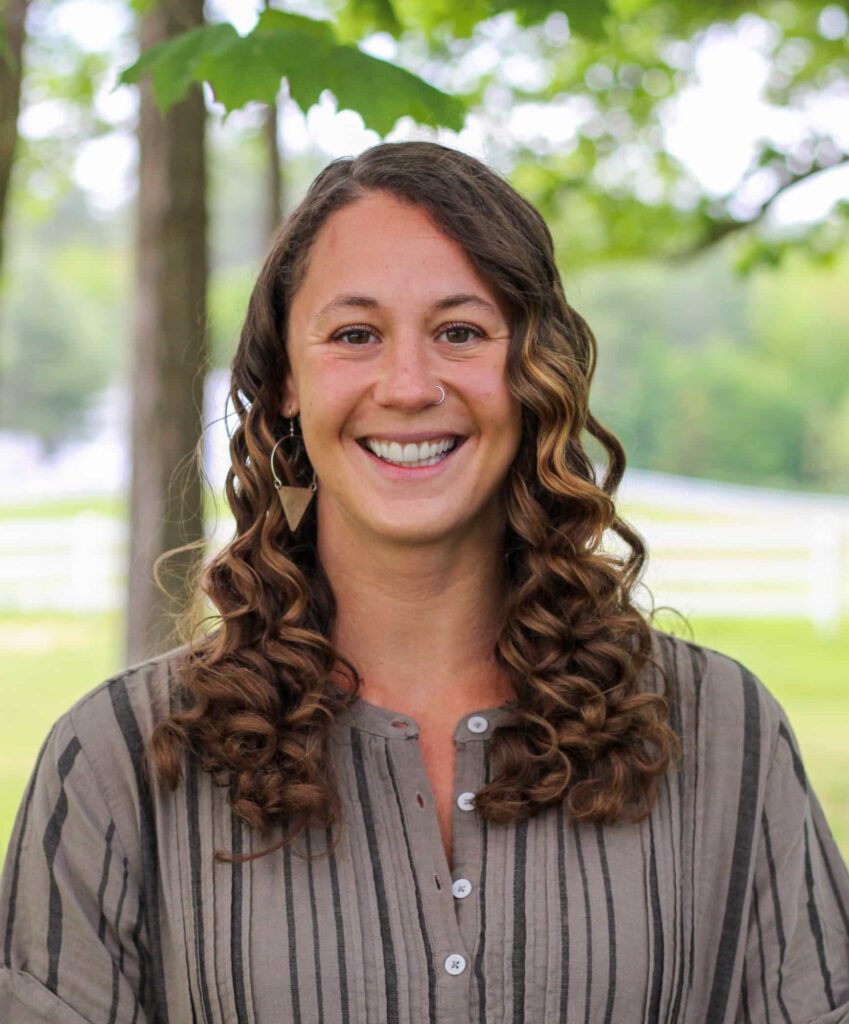
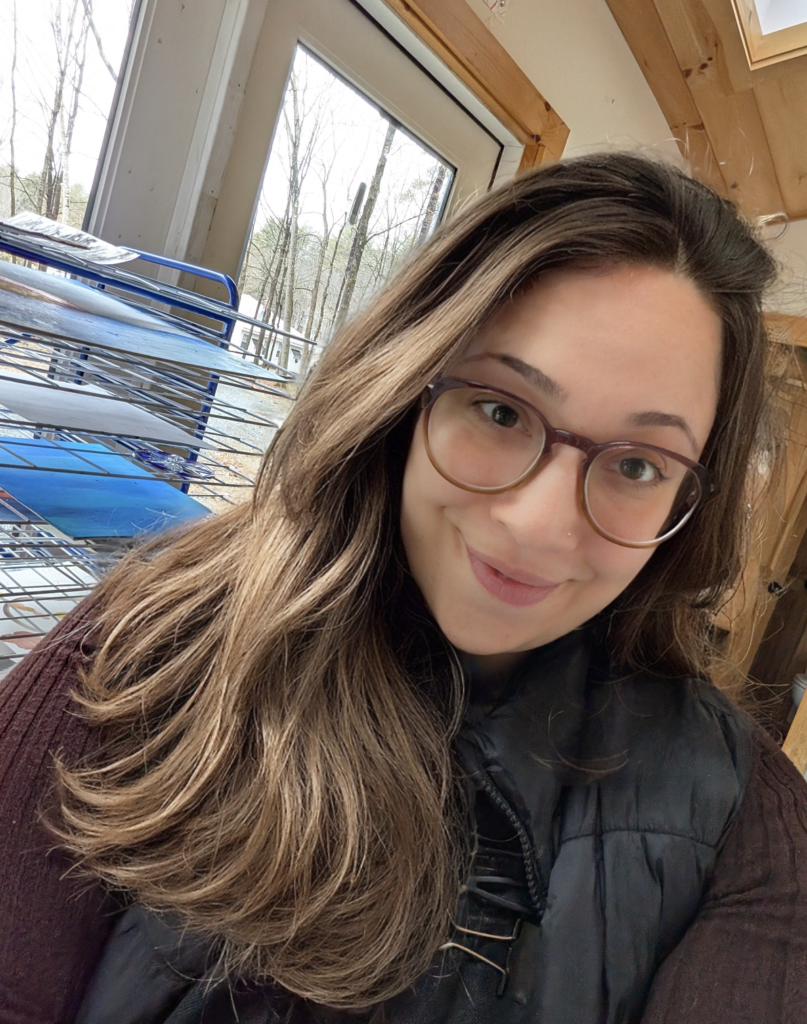
Staff Spotlight: Becca Winant

A Familiar Face 

As one of the longest-tenured employees at Mountain Valley, Becca Winant knows her way around the program. She’s one of the faces of admissions, a key piece in organizing the annual alumni reunion, and has served in many roles over the years, including Wellness & Yoga Teacher and Residential Supervisor. She’s passionate about health and wellness education and believes in the power of movement and mindfulness to improve anxiety. Becca’s newest role is mom of two as her family welcomed a second daughter recently—and as her life changes, she knows she’ll always stay connected to the Mountain Valley family.

Tell us about your background?

“I was born and raised in New Hampshire. I went to college at Plymouth State University and that’s where my husband and I met. We rooted in White Mountains regions for some time and then before I had my first daughter, Amelia, we moved to the Lakes region.

Throughout college I practiced yoga and during my senior year, I pursued the Yoga Teacher Training certification (YTT 200). I started teaching in the community and continued taking other certifications in mindfulness. Yoga has always been there for me to help get into that body connection. I played volleyball in college and being active has always helped soothe my own anxiety.

Once I graduated, I started to explore other career options and discovered Mountain Valley in 2015. The opportunity to work with teenagers with anxiety really kind of drew me there. I figured I’d had some expertise with my own anxiety, so I wanted to see what working in the mental health field was all about. I started off as a residential counselor on the back half shift in 2016.”

What has your time at Mountain Valley looked like over the years?

“When I started working at Mountain Valley, I had the opportunity to lead some physical wellness modules and pretty quickly moved into the day shift. Then I created a health and wellness module with a focus on yoga and meditation for all our residents. That was a big part of what I did for several years. It was awesome since I graduated with a health education and promotion degree and had the yoga mindfulness background as well.

I got to take residents off campus, and we’d go on all sorts of adventures throughout New Hampshire—hiking, apple picking, outdoor yoga, river trips. I loved that part of the job, getting them into different interests and hobbies. I also worked as a residential supervisor before transitioning to my current role as admissions manager.”

Tell us about your role in admissions, what you enjoy and a challenge you face?

“I love having the opportunity to try something completely different. I found a passion working on the outside with prospective families and residents. Because I’ve been at Mountain Valley for so many years, I have a lot of program insight I can share with them.

I find so much enjoyment in bringing families and prospective residents on campus for a tour and I have a lot of confidence to talk about Mountain Valley. I know the ins and outs, and families find that really helpful.

Sometimes we run into a difficult situation where a new resident shuts down right before they come in to enroll. It can be a struggle to get them on campus and that can be a little tricky to navigate, but we have a good team. I find it’s helpful to just meet them where they are, and I work with Everett and Zack to help coach the parents. Usually, it’s a matter of giving them some time and space, and you can also connect them to a previous or current resident to build a bit more trust.”

What’s been your favorite thing about working at Mountain Valley?

“Probably teaching yoga. I always thought it was super meaningful to get an individual on a mat and sit for a mindfulness meditation. I could guide them in breathwork and we could talk about the experience together. It made me feel like I directly helped the residents and made a difference. I also loved taking residents off campus for activities—seeing them smiling and excited as we tried different things.”

How has Mountain Valley changed over your time here?

“So many different ways! First and foremost I think our location is without a doubt, just incredible—the amount of space we have and how all our buildings are together. We have a beautiful campus for all the different weekly programming and it makes a huge difference. Obviously offering the different therapeutic activity modules continue to evolve and change. The decision to add farm animals to campus is a huge, wonderful benefit, since the residents actively participate in their care. Integrating occupational therapy has been a big win as well. It’s been a creative way to add new kinds of exposure work.”

As a local native who lives in the Lakes Region, which lake is your favorite?

“Newfound Lake. We live right down the road, and it’s said to have some of the cleanest water of any lake in the world. It’s also one of the deepest lakes in New Hampshire!”

MOVING MOUNTAINS

Resources

When Outpatient Treatment Isn’t Enough for School Avoidance

For many families, the plan is straightforward.

Find a good therapist. Work hard. Give it time.

In many cases, that works.

Outpatient therapy helps countless children and adolescents overcome anxiety disorders, OCD, and school-related fears. But for some families, despite everyone’s best efforts, the situation continues to worsen. School attendance becomes increasingly inconsistent. Anxiety grows larger. Life becomes smaller. Parents begin wondering whether they are missing something.

One of the most difficult questions families ask is:

How do we know when outpatient treatment isn’t enough anymore?

There is no single answer. There is no magic number of missed school days or therapy sessions. But there are patterns that often suggest a child may need a more intensive level of care.

Recognizing those patterns early can make a meaningful difference.

When School Anxiety Stops Being About School

Parents often begin by focusing on school attendance.

That makes sense. School refusal is usually the most visible problem. But over time, many families realize the issue extends far beyond getting their child through the front doors of the building.

School avoidance is often the outward expression of something much larger.

A teenager who cannot attend school may also begin avoiding friends. Driving. Sports. Restaurants. Family vacations. Medical appointments. College planning. Job interviews. Sleepovers. Even ordinary errands.

Life slowly becomes organized around avoiding situations that provoke anxiety.

Sometimes this happens so gradually that families barely notice. They adapt. Accommodations accumulate. Expectations quietly shift downward.

Eventually, success becomes defined not by participation in life, but by the absence of crisis.

That is often the point at which families begin asking whether outpatient treatment is providing enough support.

Signs That Anxiety May Require a Higher Level of Care

Every child is different, and treatment decisions should always be made collaboratively with qualified professionals. Still, there are several situations in which a more intensive anxiety treatment program may be worth considering.

Anxiety Continues to Worsen Despite Appropriate Outpatient Treatment

Not every therapist specializes in treating anxiety disorders or obsessive-compulsive disorder. But even when families are working with clinicians who use evidence-based approaches like Exposure and Response Prevention (ERP) or Cognitive Behavioral Therapy (CBT), progress sometimes stalls.

The child understands the skills.

They know what they “should” do.

But they remain unable to put those skills into practice consistently in daily life.

School Attendance Continues to Decline

Perhaps mornings become longer and harder.

Maybe absences increase.

Assignments pile up.

Accommodations multiply.

Parents spend hours negotiating, reassuring, transporting, or helping their child simply make it through each day.

Eventually, the family’s energy becomes devoted almost entirely to getting through tomorrow morning.

When simply attending school consumes that much emotional bandwidth, it may be time to ask whether the current level of care matches the severity of the problem.

Anxiety Is Interfering With Multiple Areas of Life

School refusal rarely stays confined to school.

Children may withdraw socially, stop participating in activities they once loved, lose independence, reverse their sleep schedule, avoid responsibilities, or spend increasing amounts of time isolated at home.

When anxiety begins affecting nearly every domain of functioning, treatment often needs to become broader and more immersive than a weekly therapy appointment can provide.

Family Life Revolves Around Anxiety

Parents naturally want to help.

Over time, however, many families find themselves unintentionally organizing daily life around preventing distress.

Schedules change.

Plans get canceled.

Siblings adjust.

Parents divide responsibilities.

Everyone becomes increasingly focused on avoiding situations that might trigger anxiety.

This is not a sign of poor parenting. It is what loving families often do when someone they care about is suffering.

But when anxiety begins dictating how the entire family functions, additional support may be needed.

Why Weekly Therapy Sometimes Isn’t Enough

This is not because therapy has failed.

It is because anxiety disorders often require children to practice doing difficult things repeatedly in real life.

A therapist may spend fifty minutes helping a teenager prepare for exposure work.

The challenge is what happens during the other 10,000 minutes of the week.

If a child spends nearly all of those hours avoiding feared situations, seeking reassurance, engaging in compulsions, or depending on accommodations, it can become incredibly difficult for new learning to take hold.

The brain continues receiving the same message:

“Avoidance keeps me safe.”

Intensive treatment changes that equation.

Instead of practicing courage once a week, children have repeated opportunities to face anxiety, tolerate uncertainty, build confidence, and receive coaching while those moments are actually happening.

For many kids, that repetition becomes the catalyst for meaningful change.

What Intensive Anxiety Treatment Looks Like

Many parents hear the words “residential treatment” and understandably imagine hospitalization or crisis care.

That is not what specialized residential anxiety treatment is designed to provide.

Programs that focus on anxiety disorders and OCD typically spend far less time talking about anxiety than people expect.

Instead, treatment focuses on helping young people gradually re-engage with life.

Children practice facing feared situations.

They learn to tolerate uncertainty.

They reduce avoidance.

They build independence.

They strengthen emotional flexibility.

They participate in school, relationships, recreation, exercise, responsibilities, and everyday experiences that anxiety has gradually pushed out of their lives.

For families, treatment often includes learning how to reduce accommodations that unintentionally keep anxiety functioning, while supporting their child in moving toward discomfort rather than away from it.

The goal is not simply symptom reduction.

The goal is restoring functioning.

Looking Beyond the Next School Day

Parents often ask whether they should simply push through another semester.

Sometimes that is appropriate.

Sometimes outpatient treatment just needs more time.

But sometimes families find themselves asking the same questions every August, every January, or every Sunday night.

“Maybe this year will be different.”

Hope matters.

But hope alone rarely changes entrenched anxiety patterns.

One helpful question is not:

“Can my child survive another semester?”

Instead ask:

“Is my child’s world becoming larger or smaller?”

Anxiety almost always moves life toward smaller.

Treatment should move life toward larger.

Toward more independence.

More flexibility.

More confidence.

More participation.

More willingness to experience discomfort in pursuit of a meaningful life.

When to Consider Residential Treatment for Anxiety

Choosing a residential anxiety treatment program is one of the biggest decisions a family can make.

It is not the right fit for every child.

But when anxiety or OCD has begun interfering with school attendance, friendships, independence, family functioning, and everyday life despite quality outpatient care, continuing to repeat the same approach may simply produce more of the same results.

The goal is never to remove children from their lives.

The goal is to help them return to those lives with greater confidence, greater flexibility, and the knowledge that anxiety no longer has to determine what they can and cannot do.

If treatment helps a child reclaim school, friendships, family relationships, and the future they want for themselves, then the question is not whether they spent time in residential treatment.

The question is how much of their life they were able to get back.

MOVING MOUNTAINS

Resources

Alumni Spotlight: Emma Clay

If you’re constantly feeling panicked from anxiety, it might be hard to picture a day when it doesn’t rule your life. But Emma Clay, PMHNP-BC, MSN, is proof that it can happen. An early graduate of Mountain Valley, Clay faced down the worst of her panic attacks and separation anxiety in treatment. To her surprise, she found that she could survive—and thrive. Today Clay is a psychiatric nurse practitioner helping clients of all ages navigate mental health struggles, making the same kind of positive change she experienced at Mountain Valley.

Tell us about your background and how you came to Mountain Valley?

“I grew up on the North Shore of Boston, and had always really struggled with anxiety, plus some depression throughout high school. I have some chronic medical issues that contributed. I’d been in therapy and done a partial hospitalization program, and I thought I could just go to college and be fine. That did not work out. I went to Colby College in Waterville, Maine, which is where Carl Lovejoy went as well. I pretty immediately crashed and burned. My anxiety was through the roof—I couldn’t function and I had so much separation anxiety. We decided I’d take a medical leave of absence for the first semester.

I had an awesome therapist at the time, and she told me that she wouldn’t sign off on me returning to college unless I did some form of residential treatment. At first, I was like, cool, I’ll just stay home and go to a local college. Then within a month I came back and said, that’s not really what I want. I knew I was limiting myself, even though I love my family. My parents are beyond wonderful and have always been so supportive. I agreed to do residential treatment and that’s how I found out about Mountain Valley.”

Emma Clay

Tell us more about your MV experience?

“My entire time there was the exposure. It was the hardest and best thing I’ve ever done. I hated every second and it did everything I needed to help me improve. I didn’t really hate it—I had an awesome therapist and the staff were wonderful. I attended in Fall 2012, so early on and I was one of the older kids. A lot of staff members took me under their wing, which was great. It was really hard not being able to talk to my parents at first, but they were allowed to come visit me after a month.

The old campus was in Pike, New Hampshire, which is a very small town with mostly cows. You pull up and there’s not a lot going on, just two buildings right off the main road. I thought ‘This is it?’ But I don’t think I would have been successful at college or living on my own if I hadn’t attended Mountain Valley.

Even early on, Mountain Valley had a huge focus on being outdoors and in nature, which I hated at the time. I remember it was my first weekend and I was in the middle of the woods and it was raining. It was so uncomfortable, and I couldn’t contact my parents, so I was stuck. Every part of it was challenging, but it really does feel like family, and it was ultimately a comfortable environment as I got to know everyone.

My therapist worked it out with Colby that I’d be able to attend again once I was done with treatment. I did an overnight visit and thought I was totally fine and could go home. But the staff convinced me to stay at MV for the full two months, I went home in December and started back up at Colby in January. I graduated on time in 2016.”

What was the main source of your anxiety?

“I have Type One diabetes, endometriosis and rheumatoid arthritis. Being away from home made me feel unsafe. I was worried I wouldn’t be able to get my medications, or I’d get sick, and I’d repeat ‘I can’t do this’ over and over again. I would sob and hyperventilate, and be unable to calm myself.

That did happen while I was at Mountain Valley. And it was just like, then you move on with the rest of your day. I could experience that panic and know I could keep going.”

Tell us what came after college?

“I had always been interested in psychology and the medical field in general. After my Mountain Valley experience, I thought if I could make an impact on just one person, it would be worth it. I majored in psychology at Colby and then my first job out of college was working at McLean Hospital as a residential counselor. I had always been drawn to nursing as well, and while was I was at McLean I learned you could be a nurse practitioner who specialized in psychiatry.

I went to nursing school and worked for three years at Boston Children’s Hospital on their inpatient psychiatric unit. Now I’m a psychiatric nurse practitioner. I worked for two years in community health as a child prescriber, and I’m transitioning to private practice. I specialize in working with kids and adolescents, helping them figure out how to function. I think medication is very helpful and I work collaboratively with therapists. If you’re one of my patients, you have to be in therapy—I firmly believe they go together.

I don’t know if I would have ended up here without Mountain Valley. It changed my life and its trajectory in the best way possible.”

How do you handle anxiety today?

“I don’t want anxiety to stop me from doing anything. And I know it’s just anxiety, it’s okay. For me, one of the biggest things was my fight or flight mode getting really activated, so it’s difficult when your body is physically telling you something is wrong. Now I very much know my signs, and if I start to feel like I’m having a panic attack I can cut it off long before it gets to the point where I’m hyperventilating.

I’m still in therapy and I still take medication. I know anxiety is always going to be in my life and affect me, but it doesn’t rule my life anymore. I make the decisions and I can cope with anxiety and still do what I want to do.

I also know how to listen to the anxiety. There are times when I decide not to do something because it’s not worth it, or I’m feeling really tired and run down, so my anxiety will be higher and that might not be a time to push it so much. That’s also okay, we can work around it. I’ve had 14 years of learning all that, but now I know I’m safe.”

What would you say to a family who’s considering Mountain Valley?

“If you’re considering it, then you’re probably at a point where you really need it. It’s the best thing you can do for yourself and your child—provide them with a safe place to get treatment and get better. On the other side as a provider now, I know your kid might not like it, and that’s ok. If they’re not uncomfortable, it’s probably not working. It’s a gift you’re giving, and even if they’re mad about it now, they’ll appreciate it in the long run. If it’s not hard, you’re not doing it right.”

MOVING MOUNTAINS

Resources

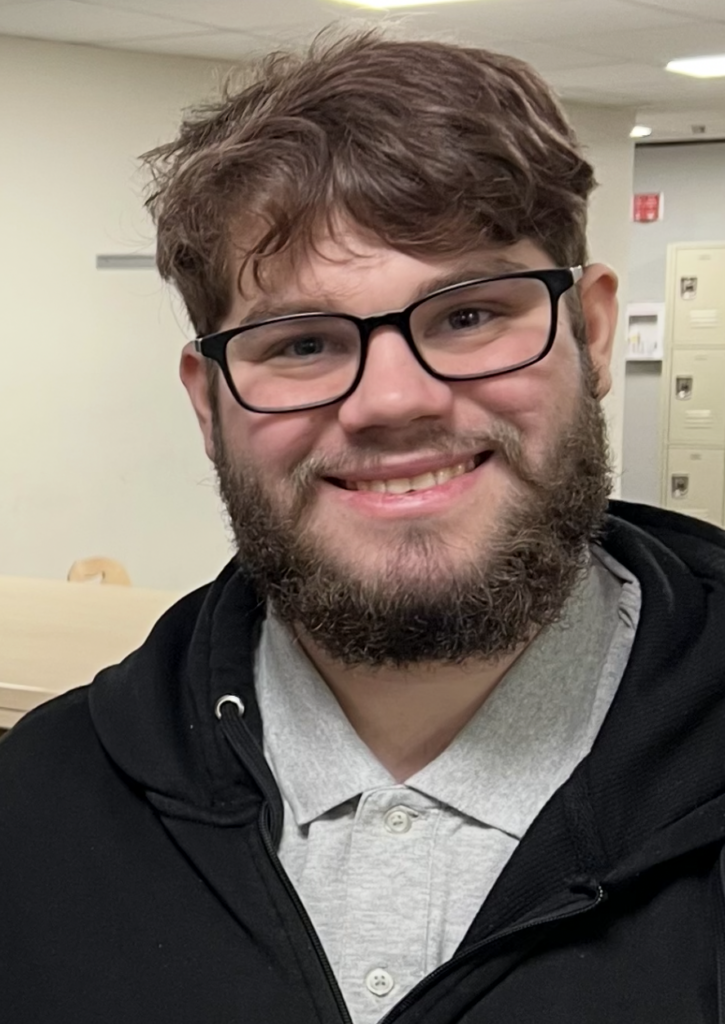
Alumni Spotlight: James Norris

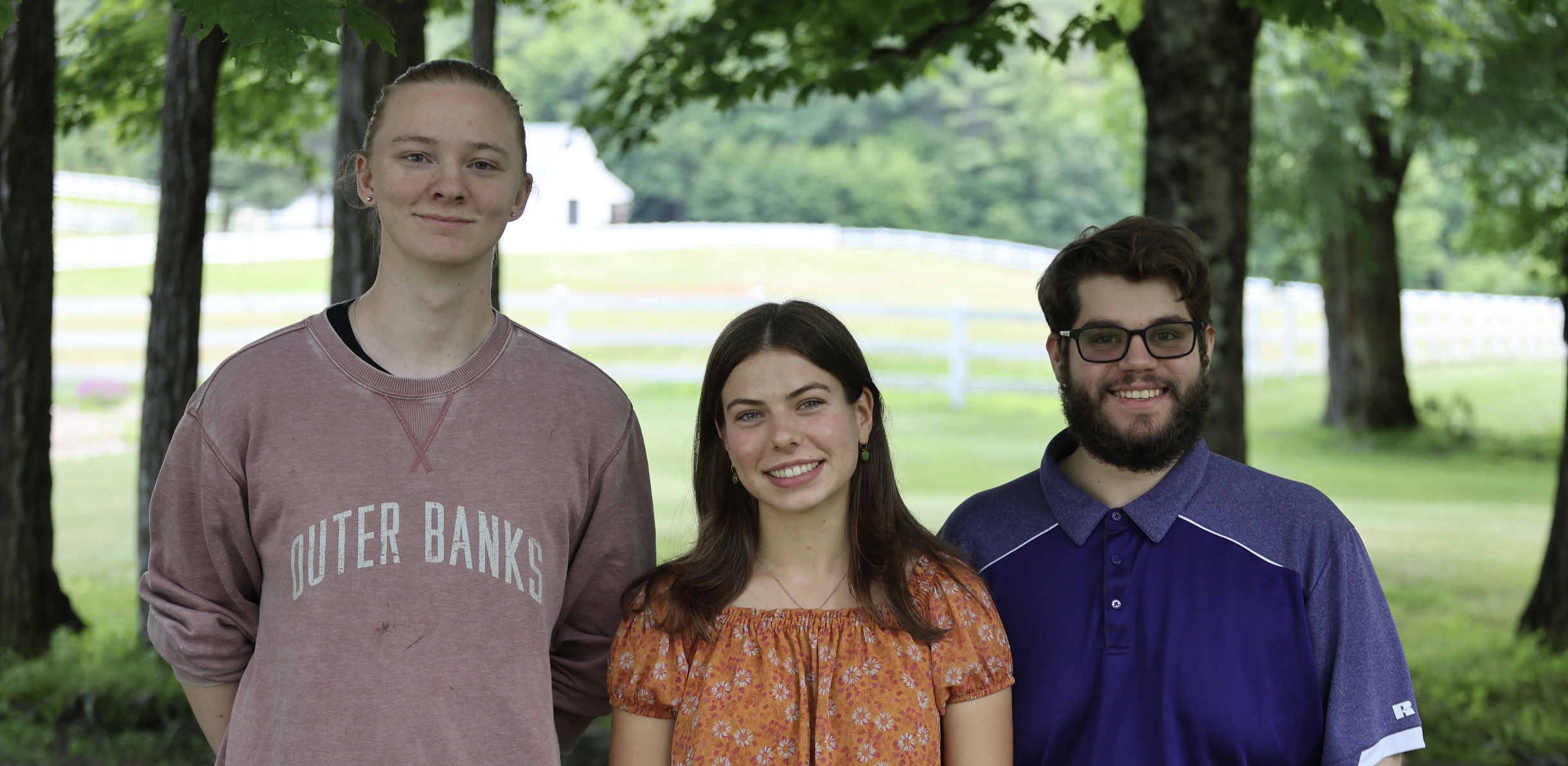
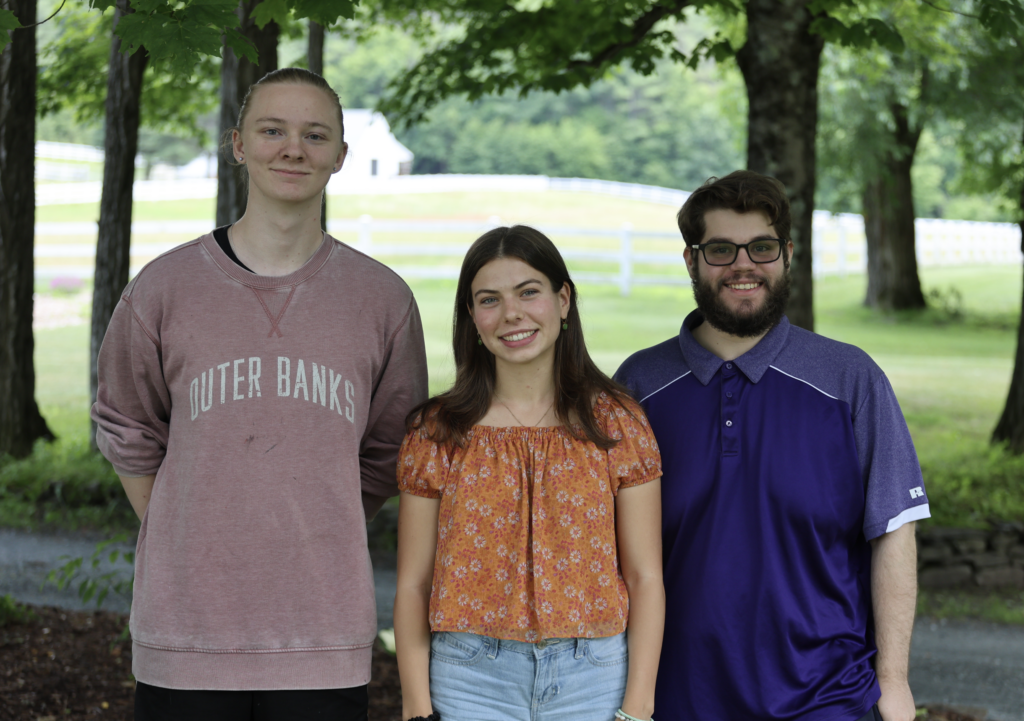
Out of the three Mountain Valley summer interns, James Norris has the most firsthand experience. He attended MV in 2021 after battling anxiety and depression, and his brother also went through the program. Today he’s pursuing a degree in psychology at the University of Rochester, with plans to get a master’s degree in counseling. James decided to return to MV to give back to the community—and he’s been pleasantly surprised with how the resident experience has become even better.

Tell us about your background and how you ended up at Mountain Valley?

“In high school I struggled a lot with anxiety that got progressively worse as it went on. Specifically relating to social anxiety as well as anxiety with food, plus some depressive episodes. It did seemingly get better with COVID, but that was kind of a misnomer because everyone was isolated. My social anxiety went away because I couldn’t socialize, which felt great in the moment. But you know, it was revealed as we phased back out of lockdown that my anxiety had become a lot worse. I had reinforced my brain to not like social interaction during COVID. As things started to phase back in, I faced a lot more friction.

That was kind of the point where I started to mentally stonewall a bit with my therapist and doctors. I would come to appointments, but I wouldn’t be responsive to the point of productive communication. I had a lot of stress around college applications—I didn’t want to visit campuses because I felt like I wasn’t supposed to be there. Looking back, it seems a bit silly, but in my mind, it was like ‘Oh God, everyone can tell I’m not supposed to be here.’

At that point, my therapist and my parents talked and basically decided it would be best for me to go to residential treatment. I agreed but I obviously wasn’t thrilled about it. I did a lot of work on social anxiety exposures, and a little bit with some food exposures, but that was kind of secondary. Over 62 days, I worked with a clinician and in the milieu to get more confident in my social skills and feel more comfortable going out.”

James Norris

What do you think was one of your most helpful exposure moments?

“When I attended Mountain Valley, I had already been accepted to college, but it was still a little up in the air if I would go or defer for a year and stay at Mountain Valley longer. I was talking to my clinician and told them, ‘You know, when I toured campuses, I had so much anxiety and felt so out of place, like something was wrong.’ My clinician decided we’d go to Dartmouth’s campus to walk around. I felt even more out of place because on top of being a college that I wasn’t accepted to, it was Dartmouth, which is very recognizable.

That was one of the biggest exposures I did, and it stands out in my mind as the one that got the ball rolling on getting better at anxiety stuff and facing fear. The goal was to go walk around a little bit, for 15 or 20 minutes. I remember feeling so anxious beforehand and relieved when it was over. Unpacking it in therapy later, we talked about why I felt so relieved and that there wasn’t actually anything to be relieved from. That exposure work helped intellectualize my anxiety a bit.”

What came next?

“I ended up going to college and had a great freshman year. I was in a group called Focus Collegiate that help college students manage work with executive functioning skills. I took a summer class and thought ‘Wow, that went great, I don’t think I need Focus Collegiate anymore.’ But in my sophomore year, I ran into roadblocks early on. I got sick and I couldn’t make class for very real reasons. That spiraled my ADHD—not going to class brought out another version of my anxiety around executive functioning skills, which were lacking.

One thing led to another, and I ended up in a depressive anxiety spiral. I didn’t attend class much at all that year and I claimed it as medical leave, as well as the following year. My parents asked if I wanted to go back to Mountain Valley, but I decided to do some behavioral coaching, working with a virtual and in-person coach. As I did that work, going back through the exposures Mountain Valley taught me helped me as I worked on executive functioning. I ended up going back to school and I’m currently pursuing my psychology degree—my goal is to be a therapist or psychologist.”

Now you’re back at Mountain Valley, this time as a summer intern. Tell us more about that?

“I have always been very grateful for Mountain Valley and how it helped my social anxiety. I recognize it didn’t solve all my problems, but I’ve always been thankful. I remembered that an intern program existed in some capacity from when I was there. I thought it would be a great experience and a way to give back to a community that gave a lot to me.

I also wanted to sit down with Zack Schafer and talk about my suggestions for how the program could improve. I had some ideas for how it could be even more helpful—but when I came back, I saw I didn’t even need to suggest changes because they’d already been implemented. It’s been five years since I attended, which is a long time, but it really isn’t institutionally.”

Summer Interns 26
Norris (right) with his fellow summer interns

What are some of the changes you’ve noticed?

“The switch to a longer 90-to-120-day program, which I think is helpful. When I was there, the schedule was much more intense and I think the residents still do intense work, but it’s not as compressed. The schedule now gives residents more space to recover after putting in the work.

Another change is all the autonomies that have been introduced. When I was a resident, we only had independent autonomy, but now there is tech autonomy, walking autonomy, and so on. I think that’s such a great thing for giving residents some of the freedoms back, and it also better mimics normal life. If you don’t have access to tech at all in treatment, that’s not how you’re going to live in the future. Eventually the goal is for you to leave Mountain Valley and be in the world, and you’ll have access to your phone. You need to learn how to have a healthy relationship with it.

We also have gym autonomy now, so this gives residents more agency to move their bodies in ways that feel good. It gives the kids flexibility to meet their needs in community while still respecting the therapeutic process.

The biggest change I’ve noticed is the OT scheduling. Now there’s a focus on how you practice therapy every day in the occupations, and how you integrate some of these very helpful techniques into your everyday life. I think it’s especially helpful to have OTs available on the day shift for anything that comes up—we have two OTs on day shift that can jump in as needed to help residents. Obviously, they aren’t the main clinicians, but from my observations, they can help bridge the gap and talk to them while waiting for their clinician.”

Anything else you want to add?

“Mountain Valley does a great job accommodating medical needs that don’t necessarily interfere with treatment but still need to be addressed. For example, I’m a Type One diabetic, so they were great about making sure I had access to everything I needed to manage that. We worked out how I could quickly access a medication if need be. I’ve seen the same for residents with other conditions.”

MOVING MOUNTAINS

Resources

Alumni Spotlight: David Schuftan

When David Schuftan attended Mountain Valley, he was so organized that staff could count on him to know the daily schedule. He used those outstanding executive skills to thrive academically—and used the skills he learned at Mountain Valley to meet his future partner and weather job uncertainty. Today he lives in St. Louis and works as an engineer for a medical device start-up. We caught up with David, who also just got married, to learn more about his experience as a Mountain Valley resident and alum:

Tell us about your background and your experience at Mountain Valley?

“I grew up in Livingston, New Jersey and went through the public school system through 10th grade. I had bad anxiety and depression for years, and I’d been doing outpatient group therapy since middle school. I was missing a lot of school, and I had been hospitalized for a week at one point. Things weren’t really working. I didn’t feel like I could sustain friendships well and when my academic performance started declining, that was the signal to my family that we needed to do something different.
I didn’t want to go to Mountain Valley, and once I arrived, I wasn’t very receptive for the first couple of weeks. For example, I refused to go on the first weekend trip and didn’t want to talk at all during therapy. I was there for I think 153 days and by the end I was extremely happy to be there. I really enjoyed my time and gained a lot. I wouldn’t be who I am today without it, that’s for sure.

Just being in that disconnected environment helped me not have to worry about my normal life. In the past, even if I was in therapy, I was still going back home, and I think being in a totally disconnected place was really helpful. My clinician at the time was Sharon McCallie-Steller and we still keep in touch—I even invited her to my wedding.

My parents are also really passionate about Mountain Valley as an organization. If you go into the kitchen of the clinical building, they donated money to honor Sharon with a plaque. She was so helpful to me and is part of the reason I’m where I am today.”

What does your anxiety look like?

“I had really bad social anxiety and I’ve been able to adopt the mindset that I don’t really care as much. I’m able to reframe my thoughts and basically have two streams of consciousness. I can separate from the unhealthy thoughts and think about them rationally. That’s definitely a skill I gained at Mountain Valley.

I remember one time I was in a session with Sharon, and she drew an upwards S curve, showing how anxiety was a continuous cycle. The take-home message was that I’d have to separate from it and re-contextualize it to break the cycle, and that diagram is often on my mind.”

David Schuftan

What came after Mountain Valley?

“Although I was initially against it, my parents and therapist made the choice for me to attend a non-therapeutic boarding school. It was really good for me and I was one of the strongest students there academically. It gave me the confidence to grow and do what I wanted. I graduated valedictorian, I was captain of the soccer team, I did set and lighting design in the theater, and I was on the school judicial council.

I also think not living with my parents helped me become more independent. It was the right decision, and it set me up to go to a good university, get a degree and start a successful career. I ended up attending Washington University in St. Louis for biomedical engineering and now I work at a medical device start-up company.”

Tell us about your work in biomedical engineering?

“We are using augmented reality (AR) headsets during a procedure called a cardiac ablation. When the electrical rhythms in the heart aren’t correct, physicians go in with catheters and kill the heart tissue that’s not properly moving electricity. The catheters are placed in an electromagnetic field to track the location, which is used to build a map of the heart. They’ve had this technology since the ‘90s to build a 3D heart map, but it’s always been on a two-dimensional screen.

We’ve started aking the map and making it a 3D hologram by putting it into an AR headset. Because you have binocular vision in the AR headset, you can see depth perception to better understand the 3D geometry, and the physician can control what they see. Because they’re scrubbed using sterile technique when in the operating room, they can’t touch a computer to control what they’re seeing from the map of the heart—instead, they had to have someone else do it. My background wasn’t really in software, but I’ve learned a lot. In my role I also do a lot of documentation, process optimization, and testing and verification.

I started in 2023 and early in 2025, we ran out of money for a bit and the staff was furloughed. The market was really volatile, and no one wanted to give money for start-ups. It was a difficult period, but I think some of the skills I learned at Mountain Valley helped me. I thought about how I could refocus my energy while I waited and eventually they brought me back, although as part of a downsized team. Now things are going well in the company again, which is good because I don’t want to leave St. Louis.”

What do you enjoy about St. Louis?

“I came here for undergrad in 2017 and stayed here during COVID. I met my husband in 2020 and we just got married. We own a house together and have two cats that are our children. He’s from St. Louis and currently in medical school so we’re tied to the area. Life is pretty good.

For a while I was involved in the community as a soccer referee, which helped me with my confidence and gave me more practice communicating assertively. For example, I was refereeing for an adult league, and that was an interesting experience because there were a lot of immigrant teams. I had to be confident in my abilities as I was dealing with different cultures and learning how to understand, rationalize and connect with them.”

What are your long-term career goals?

“I want to continue working as an engineer developing products. I think ideally after my husband graduates and he’s working in a hospital, he’ll identify a problem that we can solve, and we can begin our own start-up company together. I like having my hand in a lot of different areas and being able to do different things every day. I really like that about working for a start-up. Even though what I’m doing isn’t exactly what I imagined during undergrad, I enjoy the people I work with and being able to do so many different things in any given week.”

What would you say to someone considering Mountain Valley, but feels apprehensive about taking that chance?

“I would say it’s totally understandable. You’re in a new place without anyone you know around. You have to be open to what’s suggested and really embrace it, because you’ll likely never have that opportunity again. It really was one of the best times of my life.

Today when I talk to people, I find a lot of them don’t have the emotional skillsets that I have. Even though maybe something chemically in my brain wasn’t quite right, I find that I’m more capable in a lot of ways now, and that is because of Mountain Valley.”

MOVING MOUNTAINS

Resources

Staff Spotlight: Cody Nance

Engaging Sincerely With The World

Cody Nance serves as residential supervisor on the day shift. Whether he’s having a long conversation with a resident or cuddling one of the resident farm animals, Cody brings a connected presence that adds genuine warmth to the Mountain Valley environment. Cody has worked at Mountain Valley for four years but originally lived a long way from New Hampshire. Fortunately, he found his way to New England for a job that he calls “the best thing I’ve ever done.”

Tell us about your background?

“I’m from Fort Worth, Texas. I started college hoping to get a degree in journalism so I could be a movie critic, but that didn’t quite pan out. I ended up getting a degree in general studies and bounced around after that doing a lot of things.

I was access services supervisor for a college library in Florida. I was a security guard for a zoo and two hospitals. I’ve trained dogs, and I guess the most pertinent job experience was working as a CPS case worker. It gave me a lot of experience prioritizing what matters when you deal with a person. I had done a lot of very public facing customer service type stuff that allowed me to interact with strangers. Working in child protective services allowed me to fine tune those skills. I always endeavor to help people feel if they’ve been engaged with sincerely.

We moved to New England when my wife ended up getting a job at Dartmouth in human resources at the library. I was looking for a job on Indeed and Mountain Valley popped up. I saw I could work with animals and young people and I was sold—it’s been four years since then.”

Cody Nance

What does a typical day look like for you?

“I come in and touch base with the rest of the day shift staff. I’ve generally already made the schedule for the day, but I fine tune it with what I see on the calendar that day and run it by clinicians. I help stewardship get underway and sometimes I am in stewardship. If we have an intake coming, I will help prepare the materials necessary, or if a resident’s graduating, I help get the materials for them to leave.

After stewardship I feel like I can be anywhere doing anything. I try to be kind of a glue person and bridge gapes wherever I can and whenever I’m able.”

What’s the most challenging and most rewarding part of your work?

“Most challenging is knowing when to step back. Anyone here could tell you that I struggle to tell the difference between reassurance and general sharing of positive information. I tend to be a little too helpful in that regard.

The most rewarding is getting to play any part in the journeys of the residents here and help them in any way I can. It’s enormously rewarding to be a stable and consistent part of their lives. Just getting to know them, spend time with them, and be of assistance to them. It’s one of my favorite things that I’ve ever done.”

Do you have a specific memory of working with a resident?

“Not so long ago we had a resident who tended to get stuck and would spend a lot of time in their bathroom. This came at a time when I was able to step away from things that I was usually doing and embrace other responsibilities. I wound up with more time than I’d had in the past.

I found myself in their room very frequently, lying on the ground, kind of speaking into the crack under the bathroom door so they could hear me. We’d talk for long periods of time and try to go through their process. In that very delicate and private setting, they trusted me enough to really let me in. They did end up graduating, and I definitely lost it on their grad day.

That is very much the kind of experience that makes Mountain Valley the only place I have ever enjoyed working. It’s easily the best thing I’ve ever done.”

You’re a big animal lover and frequently interacting with the farm animals. What draws you to animals specifically?

“The relationship I have with animals is the foundation for the positive relationship I have with myself. The love that I have had for animals, spending time nurturing them, that has allowed me to extend myself to others. I’ve had dogs all my life and even had a pet pig at one point. I’m only able to show up for residents the way that I am because I have spent so long with animals.

I think there’s so much connective tissue between the oxen, for example, and the residents. I feel we have so much more in common than we have different. I’m not really a spiritual person, but I feel we are all kind of one.”

You originally wanted to be a movie critic. What’s your favorite movie?

“It would have to be the third Exorcist movie. I’ve gone through so much of my life not knowing what I wanted to do with myself, feeling listless and useless. The Exorcist movies are really about the value and blessing of clarity of purpose—knowing what is valuable and what is worth your time and efforts. It has meant increasingly more to me as the years have gone by.”

MOVING MOUNTAINS

Resources

Alumni Spotlight: Izzy Witkos

Izzy Witkos didn’t have a normal childhood. At 10 years old, she struggled with anxiety, depression, and obsessive-compulsive disorder, and doctors diagnosed her with PANS/PANDAS. The condition stems from the body’s response to infection and causes the sudden onset of psychological and neurological symptoms.

As a result, she traded the classroom for doctor’s visits while her family sought appropriate care. She worked to manage her complex symptoms, which also included an eating disorder, while trying to make it through high school. Something flipped the summer before her senior year, and Witkos decided she’d either end her life or get help at Mountain Valley. Fortunately, she chose MV and quickly realized it was the one of the best decisions of her life. We caught up with the 2017 graduate at her home in Southern California, where she’s working to become a board-certified lactation consultant.

Tell us about your background and how you came to Mountain Valley?Izzy Witkos

“I grew up in Massachusetts and struggled with many different things, including being sick with PANDAS/PANS and Lyme disease. There were a lot of different factors going on.

I switched to a Montessori school in sixth grade for more support, and I was missing a lot of school for hospital and doctor visits. I ended up at an academy for high school, but I was still really sick, physically and mentally. I toured Mountain Valley for the first time in February 2017, and I did not want to go. I had severe separation anxiety and the thought of being away from my parents was really anxiety provoking.

I was too scared to commit, but then I had a really hard summer going into my senior year of high school. I was at an outpatient facility every day and it was not going well. I remember I had this thought one evening that I’d either kill myself, or go to bed, wake up, and go to Mountain Valley.

I went downstairs and told my mom I was going to go. They called, and a week later we were driving up together.”

What was your Mountain Valley experience like?

“It was emotional and surreal. For years I’d been in outpatient programs and by the time I arrived, I was physically healthier, but the mental part was difficult. The first 24 hours didn’t seem real. After a week I thought ‘This was one of the best decisions I’ve ever made in my life.’

When I was younger it felt like everyone told me what to do, and for the first time I took initiative for my own mental health. I was so determined. They told me the average stay was 90 days, and I knew I’d graduate sooner—I knew what I needed to work on and I was ready.

I journaled every single day I was there. I had the idea to draw a triangle on my hand every day, with one side representing the physical, the second emotional, and the third spiritual strength. It was so meaningful to me that I had it tattooed on my hand later.

The residential staff were such an amazing part of my experience, I cannot speak more highly of them, and I still remember some of their names and nicknames. Every single person was amazing and so willing to listen, and that was all I needed sometimes. It’s a hard job but a wonderful job.

I think so highly of Don Vardell, and I still have the shirt he gave me at graduation. It’s my prized possession. I feel overwhelming gratitude and joy when I look back. I have nothing bad to say about the experience. It’s so ironic to think that about a treatment center, but I knew I needed to do something, and it gave me the skills I needed. Every time someone asks me what helped the most, I tell them Mountain Valley.”

Do you have any favorite memories from your time at MV?

“I was a big runner and loved to run, but I’d struggled with an eating disorder and OCD around exercise. The first week I was there, I wasn’t allowed to work out, so I learned to have rest days. My exercise addiction went out the window. Once I got the privilege back to run, I’d get up early with the walkie talky and feel so at peace. I knew the staff trusted me and it was teaching me to trust in myself. It was nice to have that solitude before I worked hard the rest of the day.”

What came next?

“I was able to attend Skidmore College and graduated on time with honors. I pursued a master’s degree in mental health and was close to completing it before I had a pivot. I decided that the decision was fueled by trauma and it was time to do something different.

Now I’m a birth doula and in a lactation program at UC San Diego. I want to become a board-certified lactation consultant and work in the medical field. It’s funny because I spent a lot of my childhood in hospitals, but I love it now—especially working with children and pregnant and postpartum women.

Mountain Valley taught me patience and compassion for myself. I don’t have to have everything figured out. I learned that pain was temporary and my anxiety was about control. I learned a lot of patience in the process and trusting that things would work out.”

What do you hope your future looks like?

“I just hope it’s peaceful. I want to have a peaceful life and help people. Today I’m in a very loving and supportive partnership, and I live on my own, which I never thought I’d want to do. I’m also the closest I’ve ever been with my parents and family.

Now that I’m 26, when I say I want peace I mean it, and I don’t want things that won’t bring me peace. Mountain Valley was the first sliver of peace I’ve had in my life and that’s only expanded.”

MOVING MOUNTAINS

Resources

Staff Spotlight: Dara Spezial

The Incredible Brain 

A relatively new addition to the Mountain Valley Team, Dara Spezial, MS, OTR/L, serves as milieu clinician. She uses her extensive background as an occupational therapist to help residents rebuild routines, strengthen self-efficacy, and reconnect with the activities that bring purpose and grounding. The Massachusetts College for Pharmacy and Health Science recently recognized Dara’s passion for teaching with the Outstanding Fieldwork Educator Award, honoring her for work with students at local colleges in New Hampshire and Massachusetts. We caught up with Dara to learn more about her work on Mountain Valley’s growing OT team.

Tell us about your background?

“I knew I wanted to be an occupational therapist pretty early on. I actually did OT myself as a kid because I had a really hard time learning to walk and talk. It was kind of a passion by proxy, learning so much early on in my youth. I ended up at Ithaca College in New York and met Camille Wrege, who was in my same year. She’s my best friend and was my maid of honor at my wedding. We both fell in love with mental health and had a passion for it. We ran a mindfulness club in college which was great, but I didn’t know how to integrate OT into mental health as a career. It was always in the back of my brain.

I ended up working in geriatrics and the work is very fast, which is awesome. For the past six or seven years I’ve been in nursing homes and hospitals, assisted living facilities and homes, doing home care, inpatient, and outpatient work. It’s been fortunate that my employers have seen my passion for the field and they’ve expanded my job opportunities to include fieldwork education with students. I recently received the Outstanding Fieldwork Educator Award for my work with students at local colleges in New Hampshire and Massachusetts. I truly love teaching and educating about occupational therapy.”

Dara Spezial

How did you end up at Mountain Valley?

“I burned out at my previous job. It had massive productivity standards and was very focused on the bottom line. In June I quit and decided to look at what I could do next. I got my ergonomics certification and did some contracting on the side. My husband and I also bought a house after we fell in love with the Upper Valley.

I contacted Camille and said ‘Hey, I know you love your job. Is there any way I could come for a day and see what it’s all about?’ I got to come in and shadow and I fell fully in love with Mountain Valley. This is what I went to school for—this is why I want to be an OT. The team has been outstanding and allowed me to have incredible opportunities so quickly in my milieu clinician role. It’s a very special place where we can have freedom in our work.”

Tell us about how your work complements that of the other occupational therapists, Camille and Renee?

“It’s incredible that we have four occupational therapists, including executive director Zack Schafer, when it previously was just Camille and Zack. Camille was doing groups and individual sessions, and it was getting wild as the program expanded. She just needed a hand, so Renee came in and they realized that residents needed individual OT sessions every week. Therapy and OT complement each other so much.

At almost the same time, the former milieu support specialist Kelsey decided to leave for an incredible opportunity at the VA. Mountain Valley needed someone to lead groups, and I jumped in. They also needed someone in the milieu to help with those smaller OT things like if someone’s in actively in a compulsion, I can support them through an occupational therapy lens. I get to educate other residential staff and be that person a lot of the time to get everyone on the same page with what’s happening in our OT work.”

What’s your favorite part about working with the residents at Mountain Valley?

“Their brains are incredible. I’m also kind of a neuro nerd, and I would see a lot of neuro plasticity in the pediatric population I loved early on. When I was in the geriatric work, I had a lot of patients with dementia—that side is fascinating but it’s repetitive work with the same interventions, because the research shows that’s most effective.

Every day is so different here, I love that feeling of the unexpected. I can pivot when I’m working with residents. This worked yesterday but didn’t today. You can see the wheels turning and the light turn on in front of you. It’s incredible, and that feeling is why I got into the health profession. I love helping them grow and learn, and I get to facilitate that every day.”

Tell us about your work with OT modules?

“I lead three to four modules in a week, which often focus on exposures for our residents. For example, the other week we had two residents with contamination anxiety plunge their hands into the dirt while we planted seeds in a gardening module, and everyone was cheering. It was so cool to see them sit with the discomfort and actively do some response prevention while they also engaged with the earth.

With OT groups, I try to match the ERP schedule, but I put more of an OT spin on things. Yesterday residents learned about the four different communication styles, and we did a fun activity where we had them draw pictures on their partner’s backs. It’s nonverbal communication but you can still clearly communicate. The residents loved it and it spun off into a massive game of telephone.

On Friday I lead creative expression, which is really where I encourage them to find that flow state and enjoy some art. Make it free and find some joy while also maybe working on a contamination exposure around paint, for example.”

Where do you see yourself in five years?

“Definitely still at Mountain Valley. I would love to take on more leadership roles, whatever it looks like in the future. I can see where we’re headed and it’s such a beautiful picture—I want to be a part of it.”

What do you like to do for fun in your free time?

“My schedule is really nice because I work 7:30-3 pm, whereas at my previous job I was working 12-hour shifts. Now that my husband and I have a home, I get to garden and we’re revamping our backyard. We live right next to a lake, and we love kayaking in warmer weather. I’m also looking forward to checking out the local trails!”

MOVING MOUNTAINS

Resources

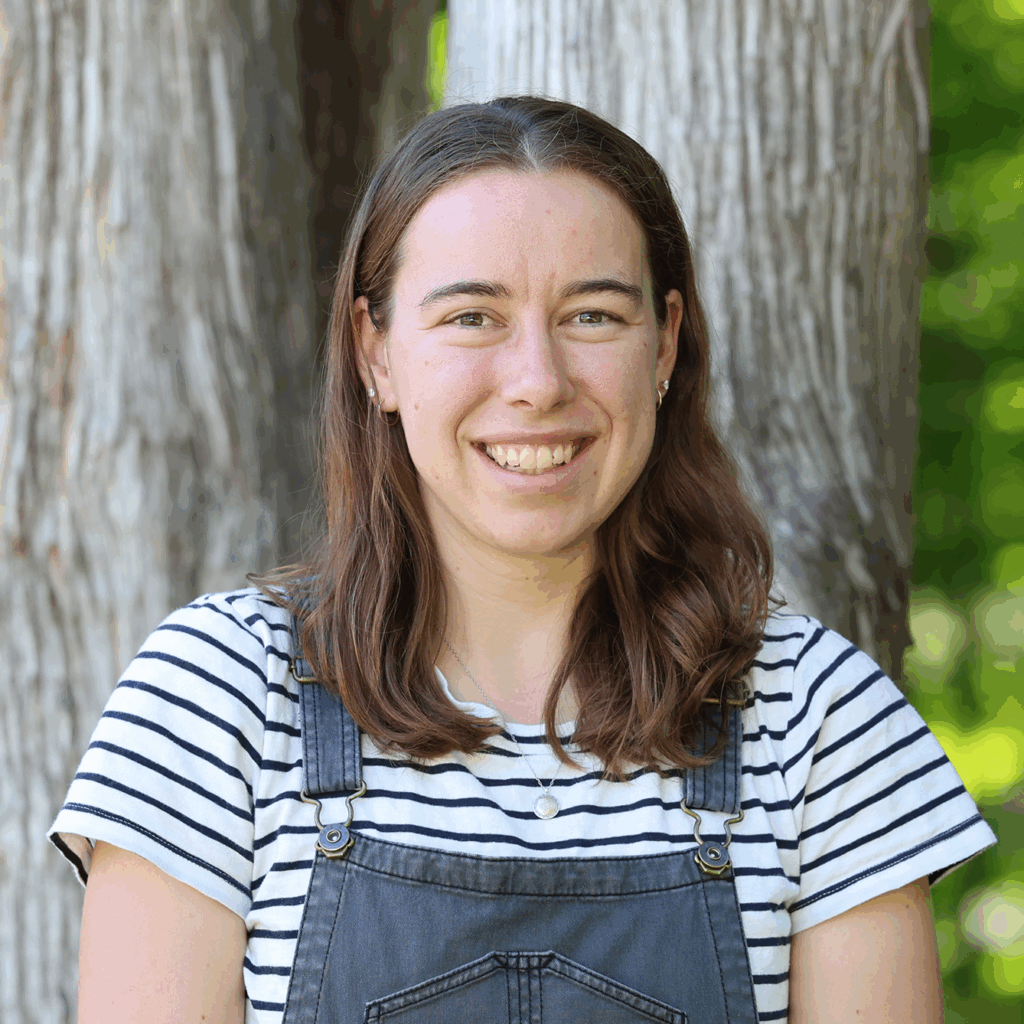
Staff Spotlight: Katharine Call

From Podiums to Psychology 

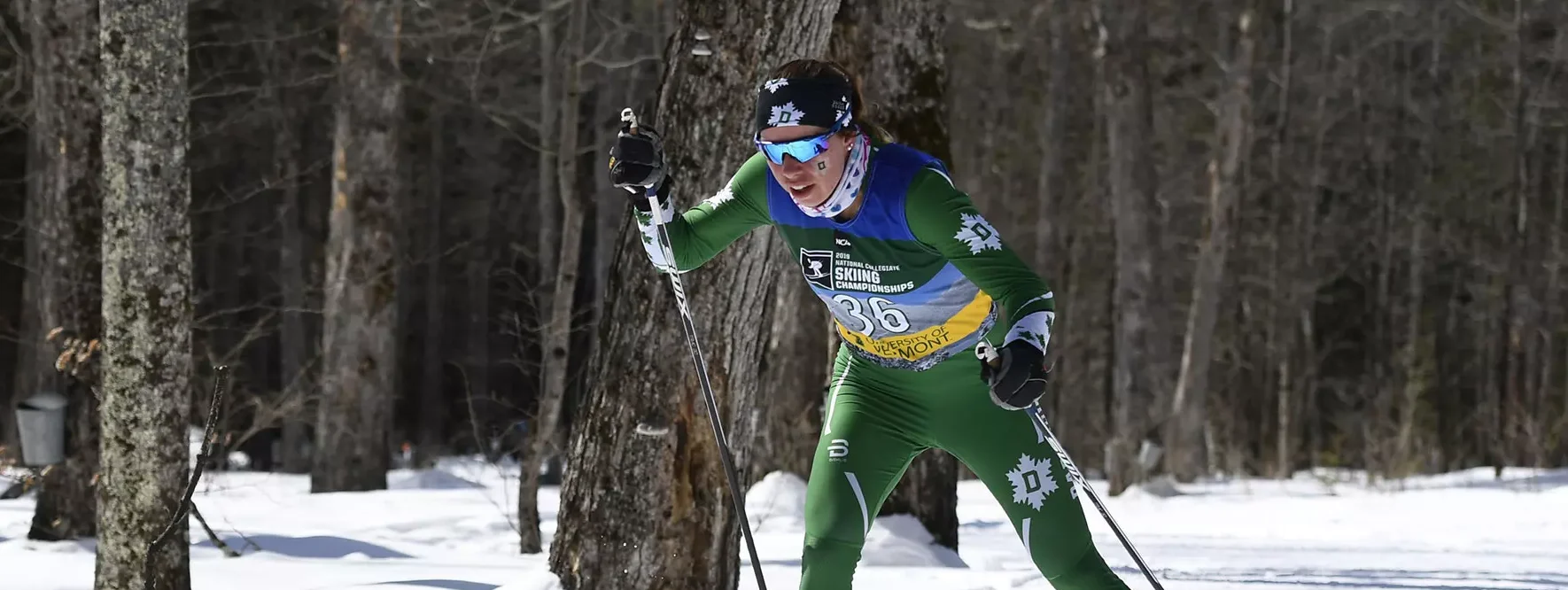
Clinician Katharine Call knows pressure. As a world-class athlete in cross country ski racing, she pushed herself to be the best and frequently came out on top. But that pressure kept her from living a balanced life, so she stepped down from the sport to focus on helping others. Now she uses her experience to help challenge and support her clients—and cheers on her Olympian brother as he continues Vermont’s dominance in the sport.

Tell us about your background?

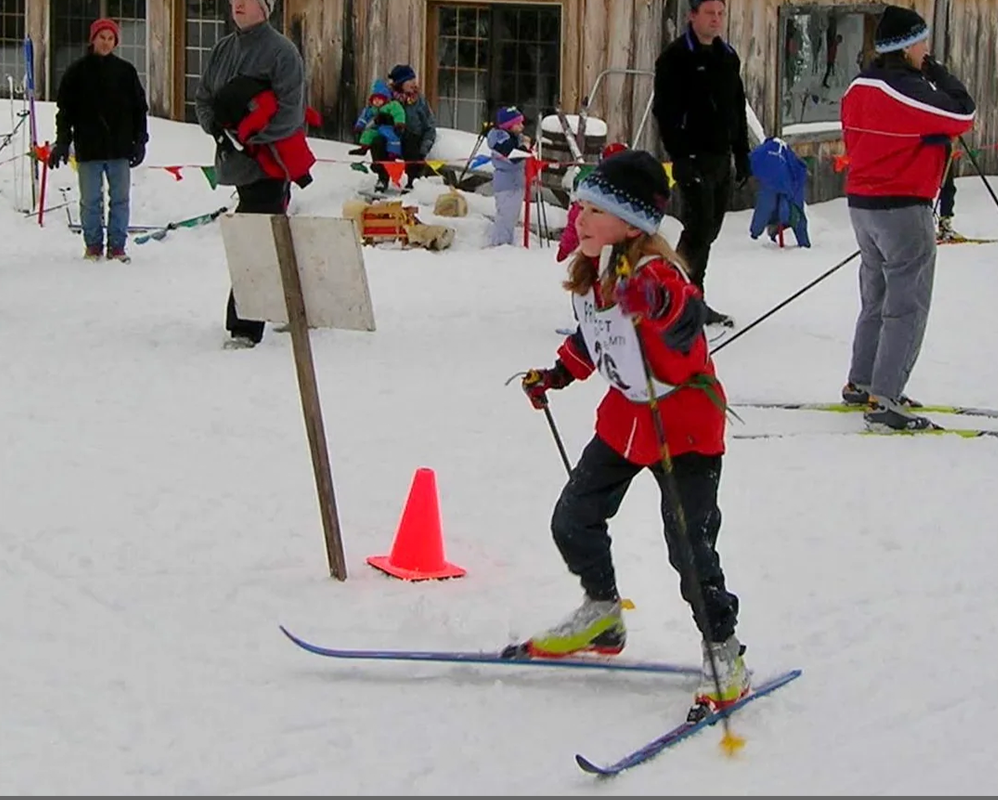
“I grew up in southern Vermont in a town called Landgrove. It is very small—the population is less than 200. I was very focused on ski racing for most of my childhood and I went to Stratton Mountain Academy for high school. I ski raced in college and skied on the U.S. National Team for a bit.

I got into skiing because my dad did, but most people also skied in the area where I lived. Even my babysitter as a kid was on the U.S. National Team for cross country skiing.”

Katharine Skiing

 You won three national championships skiing at Dartmouth. What was the best part about that experience?

“I really enjoyed all the college racing. The collegiate circuit is the only one where you’re competing as a team and your scores are adding up so one team wins. It was so special to me, and the team of women I raced with in college was very healthy and supportive.

When I was competing, Dartmouth didn’t have a venue to host the national championships, so the University of Vermont hosted my sophomore year. So many people I knew were there cheering us on. It was great to be there with all the people I love and care about.

Dartmouth can’t give scholarships so we’re generally a bit of an underdog in athletics, compared to schools that can recruit with full-ride scholarships. We didn’t win the team championship, but we came close, and it was special to be working for a crazy huge goal.”

What did you consider for your career outside of ski racing?

“I liked racing and was good at it, but it isn’t a long-term career. I decided to attend Dartmouth and major in psychology. I liked a lot of the classes that were about inequity in the education system and specifically how financial status and poverty affect education and life outcomes.

I wanted to work one-on-one with people, specifically kids who needed it. I decided to go into social work and leave the door open to go into mental health or more of an advocacy space.”

How do you think your background as a high-level athlete helps you in the field of psychology?

“When I started learning more about therapeutic modalities like distress tolerance, it all felt obvious to me. Just doing the thing, basically, I could relate to that. As an athlete there’s a lot of in the moment pain for later gain. Like interval training for example, it’s putting your body in a distressing situation and learning to tolerate it. I think that mentality of working hard was helpful to me.

As an athlete, I also had challenges with anxiety. It was a constant thing where I loved ski racing, but anxiety sometimes got in the way of me enjoying it. I really related to Acceptance and Commitment Therapy (ACT) and the idea of making decisions based on what you value rather than what you’re scared of. I think that was the most important thing for me as I moved forward, really figuring out to prioritize how to make decisions based on what I cared about.

Ultimately that’s why I stopped ski racing. I realized to pursue that career, I had to live a pretty ‘me-centric’ life. It didn’t feel aligned with my values at the time. I wanted to learn and grow, as well as have my friends and family be my number one priority. Rather than worrying about missing training or worrying about getting sick, or whatever else.”

Katharine Call

How did you end up at Mountain Valley?

“I came to Mountain Valley literally the week after I got my master’s diploma from Columbia University. During grad school, I got experience working at a non-profit with people who have experienced domestic violence and sexual assault, in an advocate and crisis management role. I also worked at the VA in case management.

As school came to close, I was applying to every job I could find within reason. But I saw the clinician position at Mountain Valley, and it was immediately the one I wanted. I went on their website and saw everything that had possibly been a career interest of mine looped into one place. Adventure therapy, exposure response prevention, the adolescent population, it was so aligned with what I wanted to be doing. In fact, I thought the posting was a scam at first because it sounded so perfect, so I was surprised when Zack responded to me.

I do feel like Zack, Everett and the team took a pretty big chance on me since I didn’t have a lot of work history in mental health. But I think since Zack also completed at the collegiate level, he was able to see how some of my background would be uniquely beneficial in a way that I didn’t even see yet.”

Tell me about your work in Exposure-Response Prevention?

“With my personal experience doing ERP around my own anxiety, I have a lot of empathy for how difficult it is. I’m a strong believe in challenge by choice and I want to make sure the kids get to choose their exposures. It’s a highlight of my job.

One example that stands out is a client I had with severe contamination OCD. She was willing to do the exposures but would beat herself up after the fact. Like “Well if I was normal, this wouldn’t have even been an exposure.” She struggled to celebrate the fact that she was doing something hard.

For her ordeal we decided on a series of three different very challenging OCD exposures. We had all the community come cheer her on, chanting her name and clapping. I was bumping music and playing “This Girl is On Fire.”

For her first exposure she picked a strawberry up off the tennis court and ate it. Then she threw away all her soap, hand sanitizer and Lysol wipes while everyone cheered goodbye. Finally, we rolled out the compost bin, and she plunged both hands into it!

It was iconic, everyone went wild. I was sobbing and it was such a memorable day.”

Back to skiing for one more question. Your brother, Ben Ogden, recently won two silver medals for Team USA at the Olympics. What has that experience been like for you?

“I’ve been so stoked. It’s been so fun to see. The coolest part about it, from my perspective, is that when I raced, I really struggled with balancing it and making it healthy. Ben has done that. He is the most selfless person I know, and he doesn’t compromise anything he cares about. I admire it so much.

He has so many people in his life that love him and he makes sure he makes time for all of them. To be able to ski at such a high level and not give up your life, it gives me goosebumps to even talk about.”

MOVING MOUNTAINS

Resources

Staff Spotlight: Kate Sheldrick

No Place Like Home 

At Mountain Valley, residential counselors are immersed in the life of milieu, serving as safe, reliable figures for our residents as they navigate each day of programming. Kate Sheldrick brings a calming presence and years of experience to the team, and she brings plenty of local knowledge as an Upper Valley native. After considering careers in education and nursing, Kate’s currently focused on pursuing a degree in mental health and finds joy in helping residents on their journeys.

Tell us about your background?

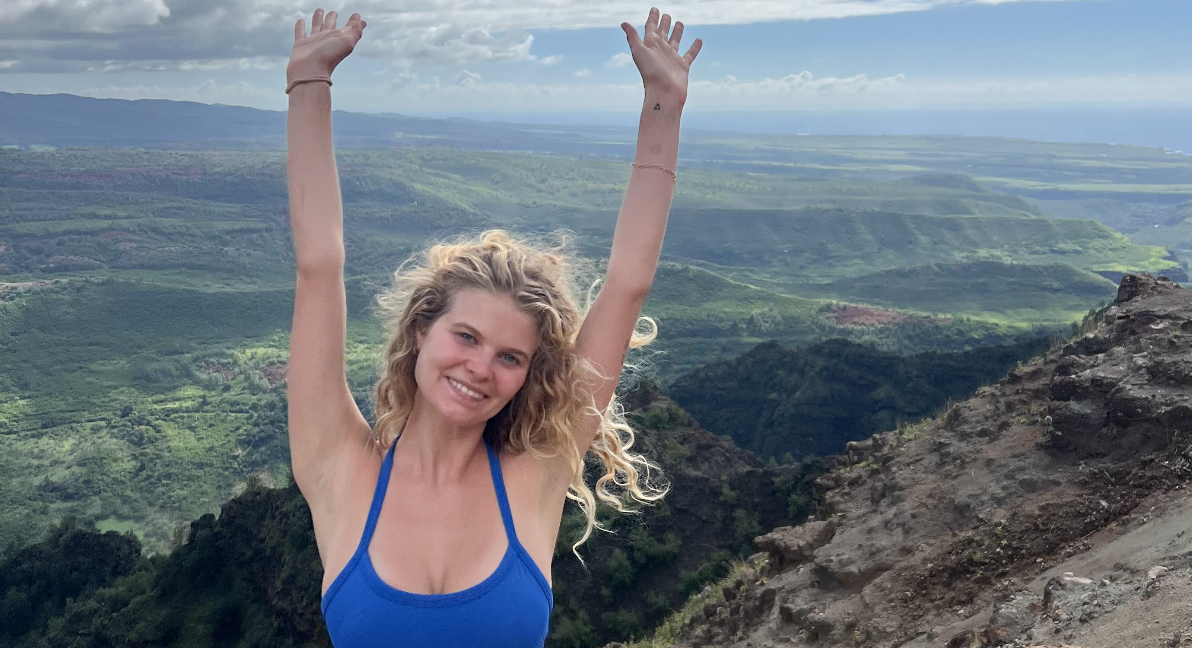
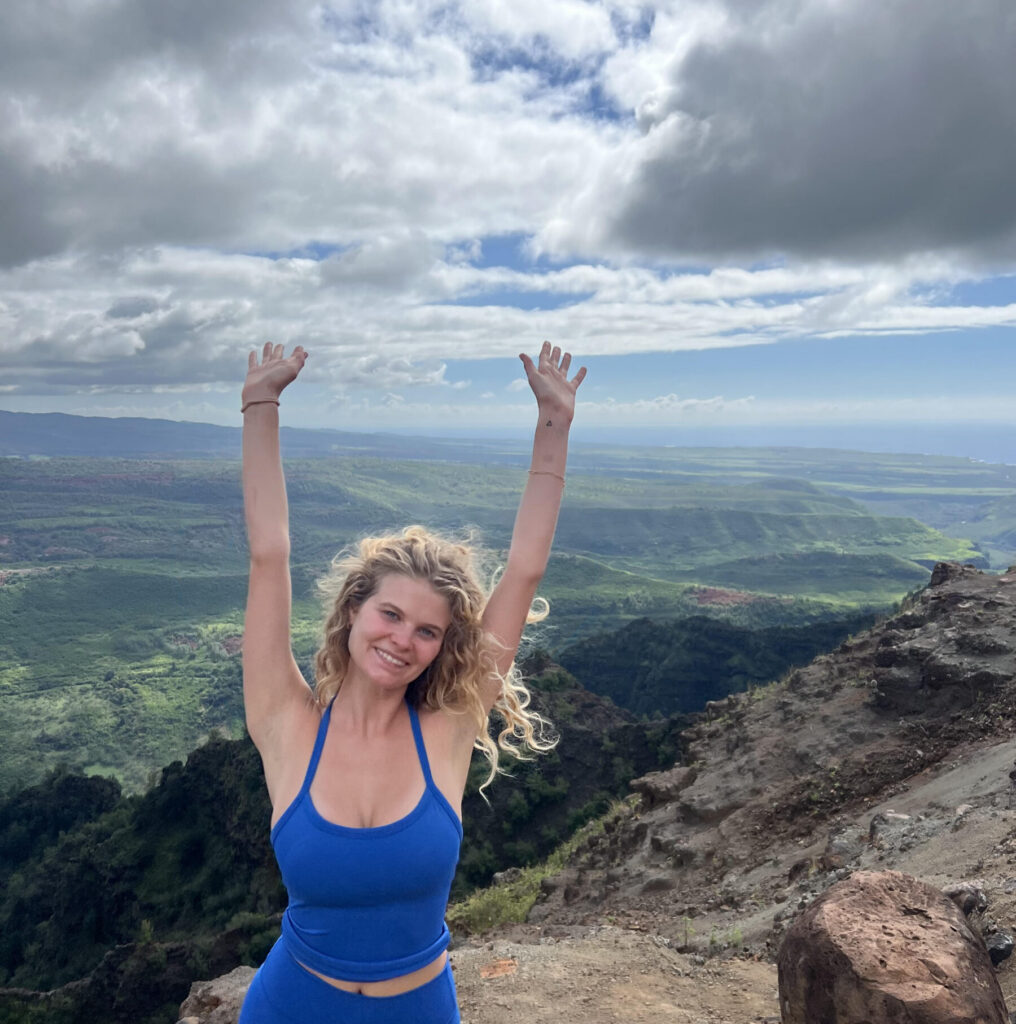
“I’m from Quechee, Vermont and grew up in the area. I did leave the Upper Valley for a bit to do van life in Hawaii with my partner at the time. It was cool short-term to experience the culture, but I came back after a few months.

My mom had an at-home daycare, so I’ve been around kids my whole life. When I came back home, I worked at another daycare and started to do some early childhood education courses at a local community college. Then COVID happened and I’d decided to pursue pre-requisites for a nursing degree. I needed a job while I did that, so I applied as an overnight residential counselor at Mountain Valley.”

What made you decide to stay at Mountain Valley?  

“I ended up learning a lot about my own mental health in the process of working overnights. It made me realize that nursing wasn’t where I wanted to go exactly. The mental health field piqued my interest. I’m not great at choosing a career path, but I’m definitely focused on a something in psychology or social work—continuing to give back to my community.”

What does a typical day look like for you?

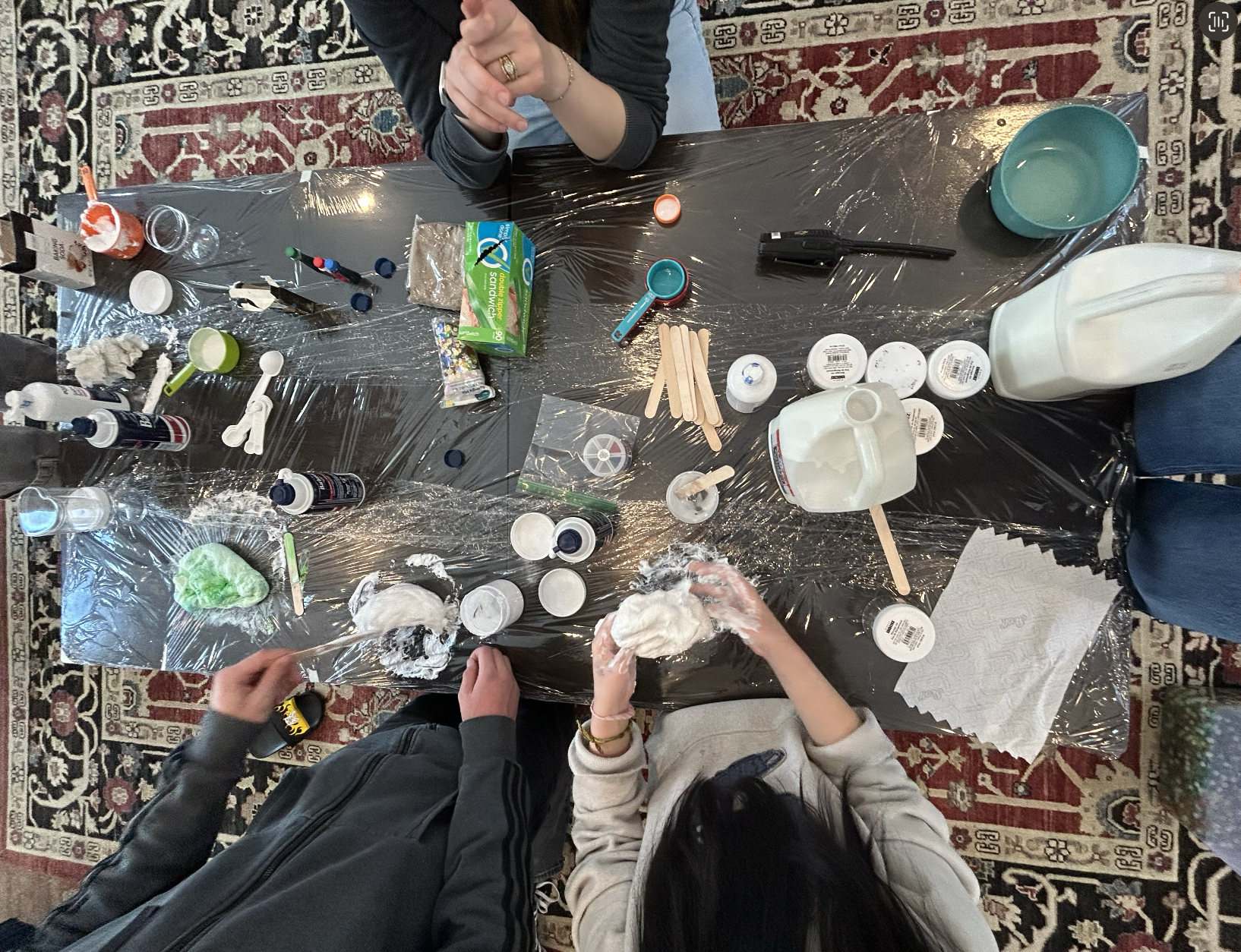
“I help facilitate club time, and we try to get the residents’ input on what type of clubs they like so they can look forward to it. We offer everything from slime club, to craft club, to improv. The most popular club is board game club, and I think games are great for starting interactions. It’s one of the easiest ways to break the ice with a new resident or people sitting outside the group. Residents get really into it and it’s fun to be competitive in a healthy sense. My favorites are Scattegories and Bananagrams.

I also facilitate stewardship, which could be working on the farm, in the kitchen, or organizing the common areas. I’ll eat dinner with the residents and make sure they’re on top of their laundry and medications. Before bed they have free time, and that’s when I really connect with residents on the mental health side. I get their objectives and help them process the day—it can be tough, so I want to support them.”

What’s the most rewarding part of the job for you?

“I love the residents and seeing them grow in their mental health and as a person, hearing their stories and opinions, and learning their different ways of life. It’s very fulfilling when one of the kids just tells you how much you’ve been able to help them, even if you feel like you’ve not necessarily succeeded in every way.”

What’s your perspective on the Upper Valley as a local?

“I always get the question of why I’m still here, and I enjoy that it’s a safe, family type environment. Most of our kids come from a cities or more populated areas, so I get to offer an insight that there isn’t always stuff to do and boredom is okay. Plus, I’ve got all the restaurants and activities covered for the local visits.”

What do you like to do for fun when you’re not working? 

“I like warmer weather, and in the summer, I like to paddle board in the local lakes or ponds with my pug. Either I’m doing that or hiking. I also like to try new food places outside the area, and I like art. I enjoy crafting, painting, and drawing, so it’s fun to be able to do that with the residents in our clubs.”

What would you say to someone who feels uncertain about joining Mountain Valley?

“I would tell them that it doesn’t hurt to try, and I would remind them that this is something a lot of new residents go through. I can try and be there and process and coach them through it. The people here are supportive and understanding. They’ve been through this already, so I would encourage them to lean on their peers and remind them that they are in a safe space to figure it out. It doesn’t have to feel like the right decision right now.”