MOVING MOUNTAINS

Resources

Staff Spotlight: Dara Spezial

The Incredible Brain 

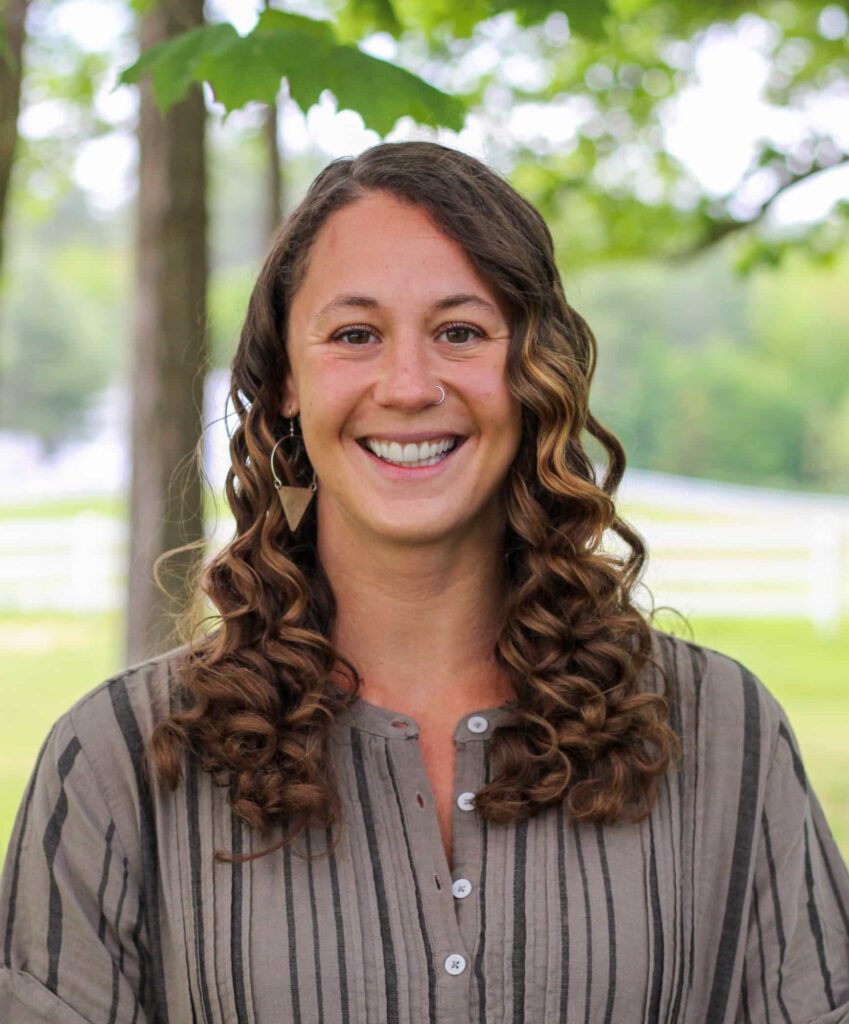
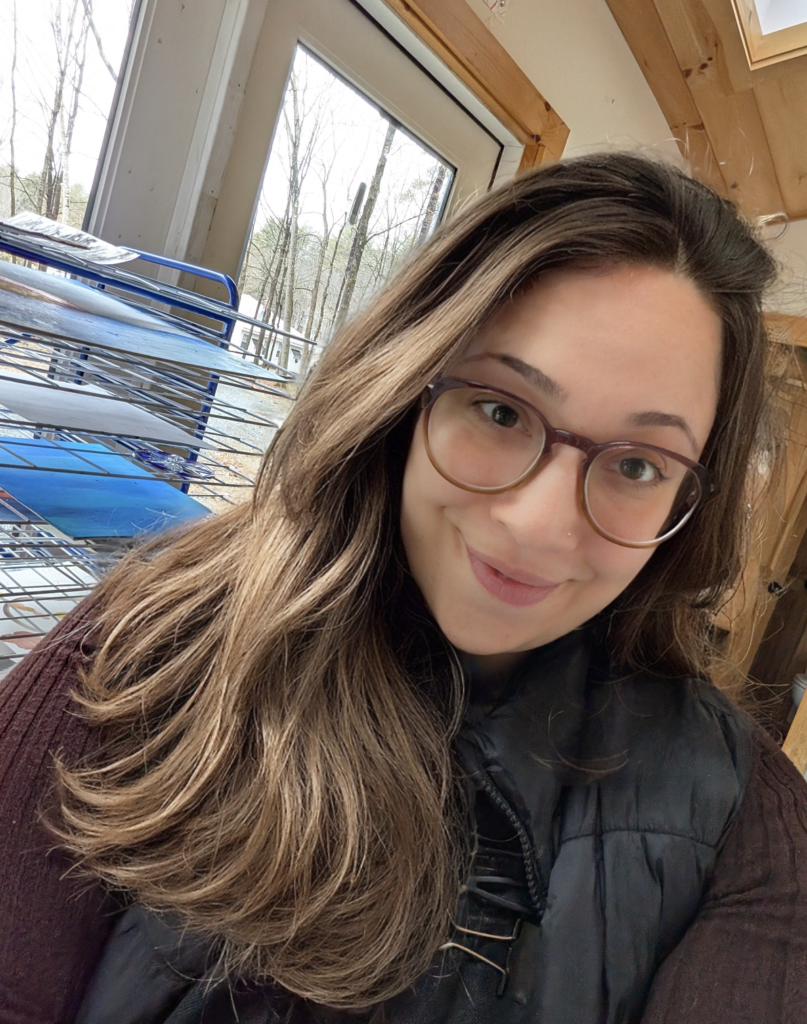
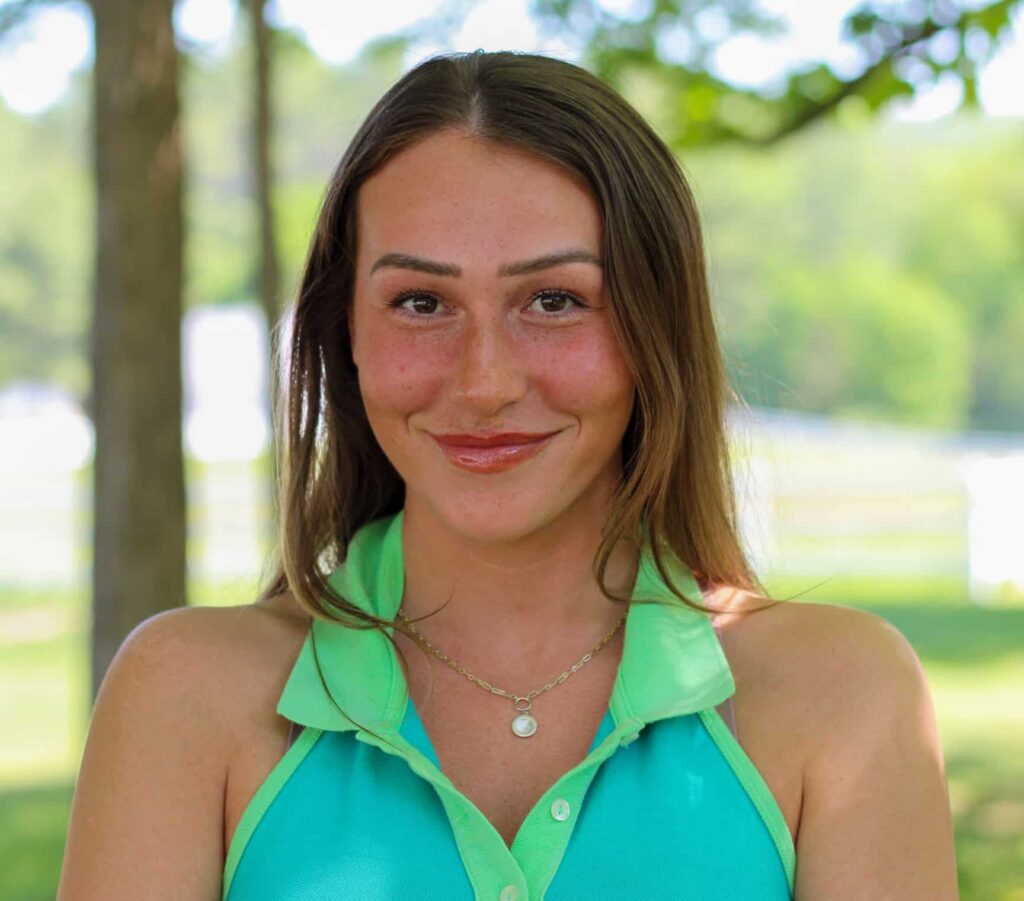
A relatively new addition to the Mountain Valley Team, Dara Spezial, MS, OTR/L, serves as milieu clinician. She uses her extensive background as an occupational therapist to help residents rebuild routines, strengthen self-efficacy, and reconnect with the activities that bring purpose and grounding. The Massachusetts College for Pharmacy and Health Science recently recognized Dara’s passion for teaching with the Outstanding Fieldwork Educator Award, honoring her for work with students at local colleges in New Hampshire and Massachusetts. We caught up with Dara to learn more about her work on Mountain Valley’s growing OT team.

Tell us about your background?

“I knew I wanted to be an occupational therapist pretty early on. I actually did OT myself as a kid because I had a really hard time learning to walk and talk. It was kind of a passion by proxy, learning so much early on in my youth. I ended up at Ithaca College in New York and met Camille Wrege, who was in my same year. She’s my best friend and was my maid of honor at my wedding. We both fell in love with mental health and had a passion for it. We ran a mindfulness club in college which was great, but I didn’t know how to integrate OT into mental health as a career. It was always in the back of my brain.

I ended up working in geriatrics and the work is very fast, which is awesome. For the past six or seven years I’ve been in nursing homes and hospitals, assisted living facilities and homes, doing home care, inpatient, and outpatient work. It’s been fortunate that my employers have seen my passion for the field and they’ve expanded my job opportunities to include fieldwork education with students. I recently received the Outstanding Fieldwork Educator Award for my work with students at local colleges in New Hampshire and Massachusetts. I truly love teaching and educating about occupational therapy.”

Dara Spezial

How did you end up at Mountain Valley?

“I burned out at my previous job. It had massive productivity standards and was very focused on the bottom line. In June I quit and decided to look at what I could do next. I got my ergonomics certification and did some contracting on the side. My husband and I also bought a house after we fell in love with the Upper Valley.

I contacted Camille and said ‘Hey, I know you love your job. Is there any way I could come for a day and see what it’s all about?’ I got to come in and shadow and I fell fully in love with Mountain Valley. This is what I went to school, this is why I want to be an OT. The team has been outstanding and allowed me to have incredible opportunities so quickly in my milieu clinician role. It’s a very special place where we can have freedom in our work.”

Tell us about how your work complements that of the other occupational therapists, Camille and Renee?

“It’s incredible that we have four occupational therapists, including executive director Zack Schafer, when it previously was just Camille and Zack. Camille was doing groups and individual sessions, and it was getting wild as the program expanded. She just needed a hand, so Renee came in and they realized that residents needed individual OT sessions every week. Therapy and OT complement each other so much.

At almost the same time, the former milieu support specialist Kelsey decided to leave for an incredible opportunity at the VA. Mountain Valley needed someone to lead groups, and I jumped in. They also needed someone in the milieu to help with those smaller OT things like if someone’s in actively in a compulsion, I can support them through an occupational therapy lens. I get to educate other residential staff and be that person a lot of the time to get everyone on the same page with what’s happening in our OT work.”

What’s your favorite part about working with the residents at Mountain Valley?

“Their brains are incredible. I’m also kind of a neuro nerd, and I would see a lot of neuro plasticity in the pediatric population I loved early on. When I was in the geriatric work, I had a lot of patients with dementia—that side is fascinating but it’s repetitive work with the same interventions, because the research shows that’s most effective.

Every day is so different here, I love that feeling of the unexpected. I can pivot when I’m working with residents. This worked yesterday but didn’t today. You can see the wheels turning and the light turn on in front of you. It’s incredible, and that feeling is why I got into the health profession. I love helping them grow and learn, and I get to facilitate that every day.”

Tell us about your work with OT modules?

“I lead three to four modules in a week, which often focus on exposures for our residents. For example, the other week we had two residents with contamination anxiety plunge their hands into the dirt while we planted seeds in a gardening module, and everyone was cheering. It was so cool to see them sit with the discomfort and actively do some response prevention while they also engaged with the earth.

With OT groups, I try to match the ERP schedule, but I put more of an OT spin on things. Yesterday residents learned about the four different communication styles, and we did a fun activity where we had them draw pictures on their partner’s backs. It’s nonverbal communication but you can still clearly communicate. The residents loved it and it spun off into a massive game of telephone.

On Friday I lead creative expression, which is really where I encourage them to find that flow state and enjoy some art. Make it free and find some joy while also maybe working on a contamination exposure around paint, for example.”

Where do you see yourself in five years?

“Definitely still at Mountain Valley. I would love to take on more leadership roles, whatever it looks like in the future. I can see where we’re headed and it’s such a beautiful picture—I want to be a part of that.”

What do you like to do for fun in your free time?

“My schedule is really nice because I work 7:30-3 pm, whereas at my previous job I was working 12-hour shifts. Now that my husband and I have a home, I get to garden and we’re revamping our backyard. We live right next to a lake, and we love kayaking in warmer weather. I’m also looking forward to checking out the local trails!”

MOVING MOUNTAINS

Resources

Staff Spotlight: Katharine Call

From Podiums to Psychology 

Clinician Katharine Call knows pressure. As a world-class athlete in cross country ski racing, she pushed herself to be the best and frequently came out on top. But that pressure kept her from living a balanced life, so she stepped down from the sport to focus on helping others. Now she uses her experience to help challenge and support her clients—and cheers on her Olympian brother as he continues Vermont’s dominance in the sport.

Tell us about your background?

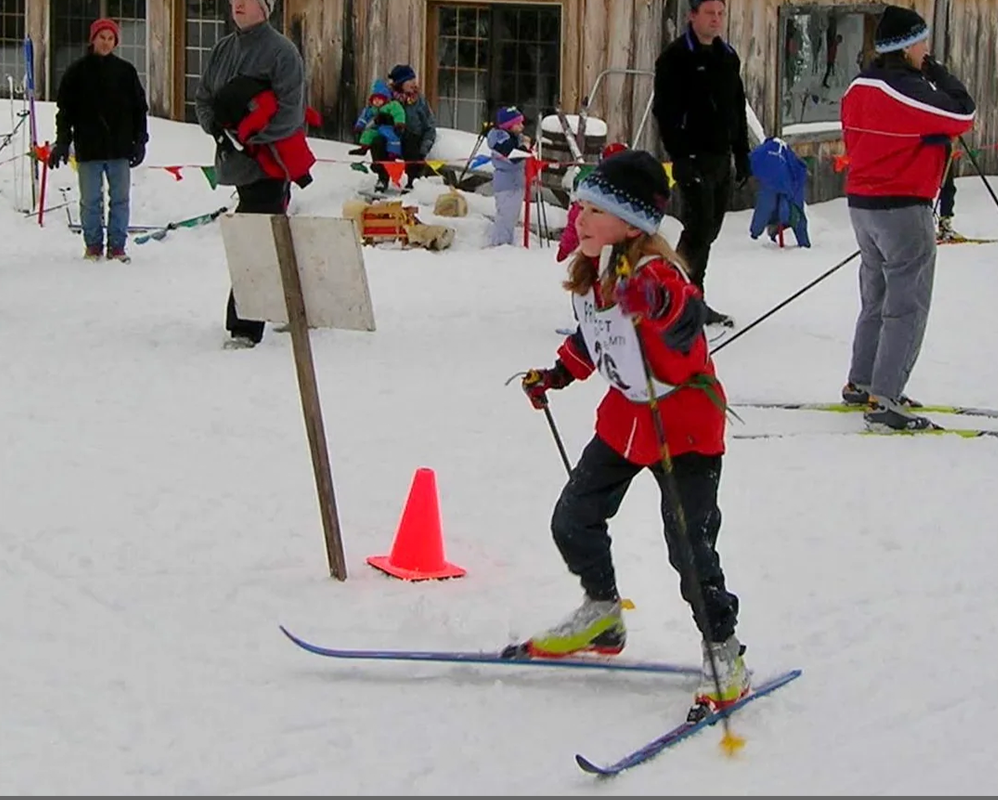
“I grew up in southern Vermont in a town called Landgrove. It is very small—the population is less than 200. I was very focused on ski racing for most of my childhood and I went to Stratton Mountain Academy for high school. I ski raced in college and skied on the U.S. National Team for a bit.

I got into skiing because my dad did, but most people also skied in the area where I lived. Even my babysitter as a kid was on the U.S. National Team for cross country skiing.”

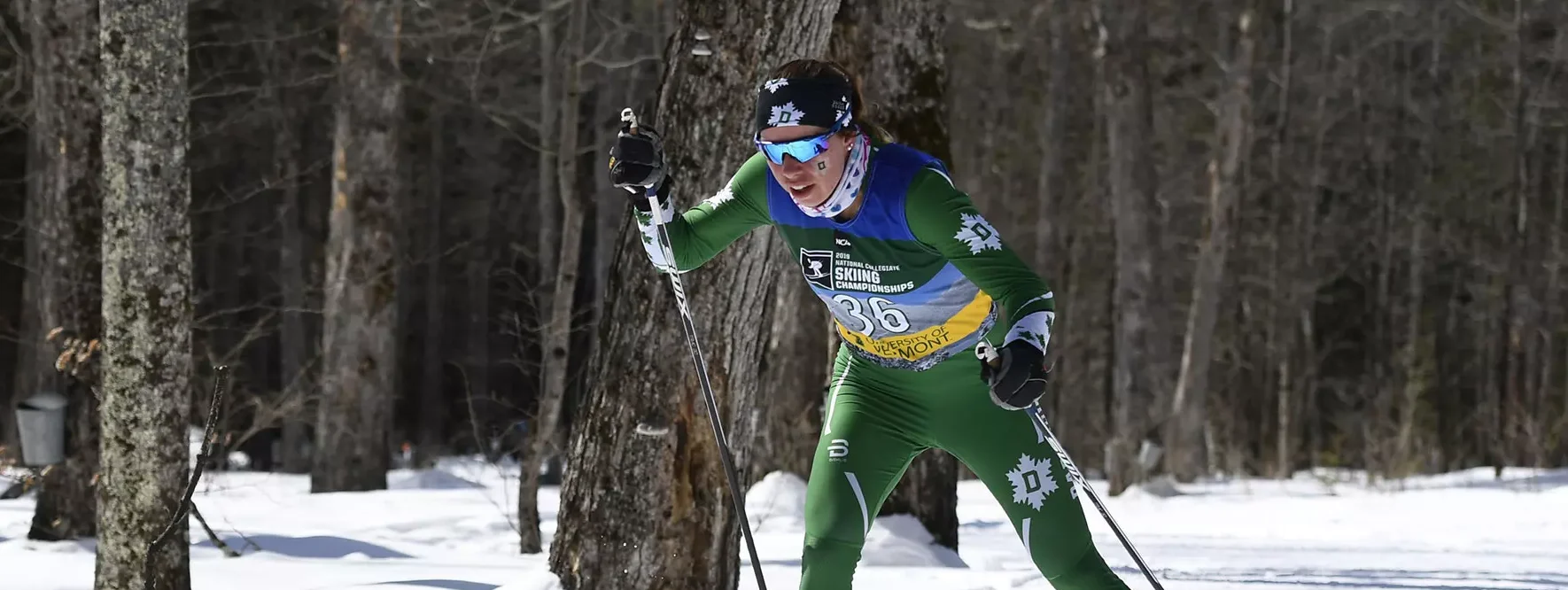
Katharine Skiing

 You won three national championships skiing at Dartmouth. What was the best part about that experience?

“I really enjoyed all the college racing. The collegiate circuit is the only one where you’re competing as a team and your scores are adding up so one team wins. It was so special to me, and the team of women I raced with in college was very healthy and supportive.

When I was competing, Dartmouth didn’t have a venue to host the national championships, so the University of Vermont hosted my sophomore year. So many people I knew were there cheering us on. It was great to be there with all the people I love and care about.

Dartmouth can’t give scholarships so we’re generally a bit of an underdog in athletics, compared to schools that can recruit with full-ride scholarships. We didn’t win the team championship, but we came close, and it was special to be working for a crazy huge goal.”

What did you consider for your career outside of ski racing?

“I liked racing and was good at it, but it isn’t a long-term career. I decided to attend Dartmouth and major in psychology. I liked a lot of the classes that were about inequity in the education system and specifically how financial status and poverty affect education and life outcomes.

I wanted to work one-on-one with people, specifically kids who needed it. I decided to go into social work and leave the door open to go into mental health or more of an advocacy space.”

How do you think your background as a high-level athlete helps you in the field of psychology?

“When I started learning more about therapeutic modalities like distress tolerance, it all felt obvious to me. Just doing the thing, basically, I could relate to that. As an athlete there’s a lot of in the moment pain for later gain. Like interval training for example, it’s putting your body in a distressing situation and learning to tolerate it. I think that mentality of working hard was helpful to me.

As an athlete, I also had challenges with anxiety. It was a constant thing where I loved ski racing, but anxiety sometimes got in the way of me enjoying it. I really related to Acceptance and Commitment Therapy (ACT) and the idea of making decisions based on what you value rather than what you’re scared of. I think that was the most important thing for me as I moved forward, really figuring out to prioritize how to make decisions based on what I cared about.

Ultimately that’s why I stopped ski racing. I realized to pursue that career, I had to live a pretty ‘me-centric’ life. It didn’t feel aligned with my values at the time. I wanted to learn and grow, as well as have my friends and family be my number one priority. Rather than worrying about missing training or worrying about getting sick, or whatever else.”

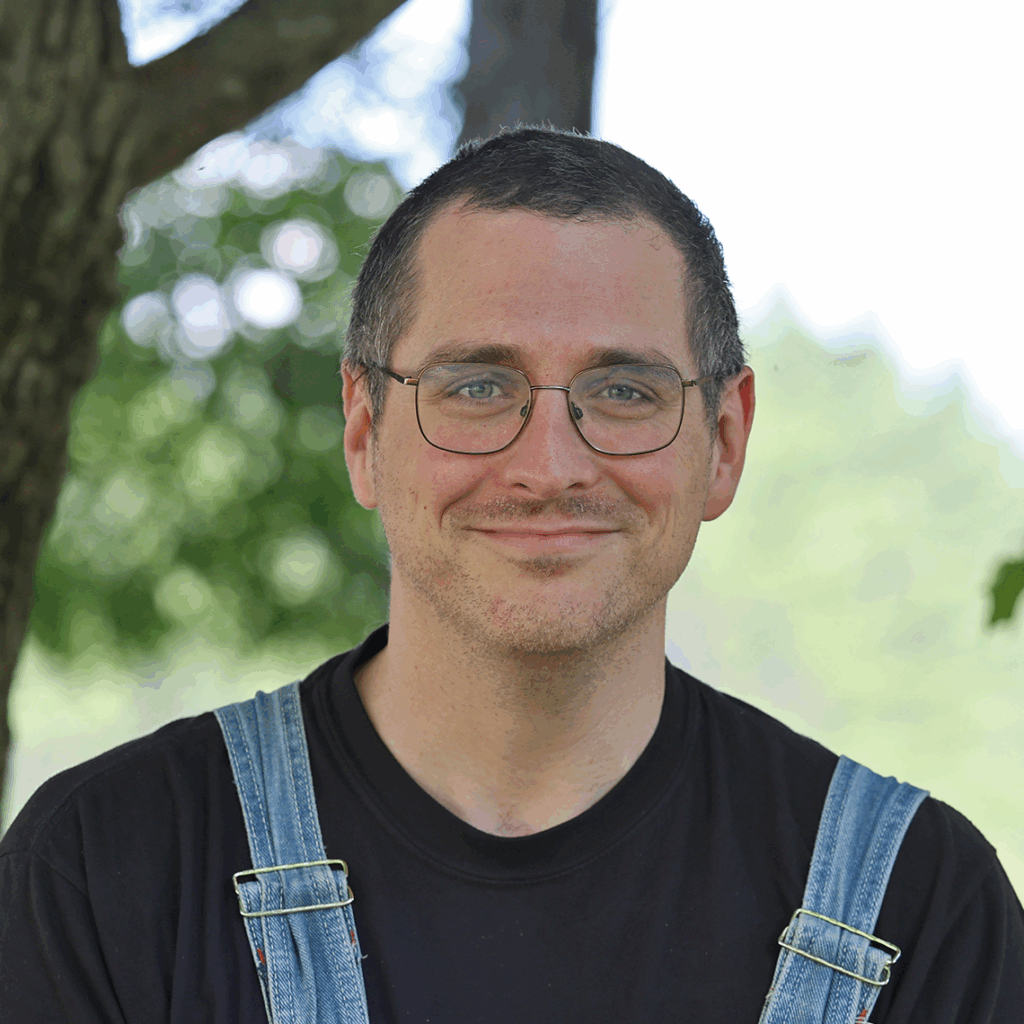
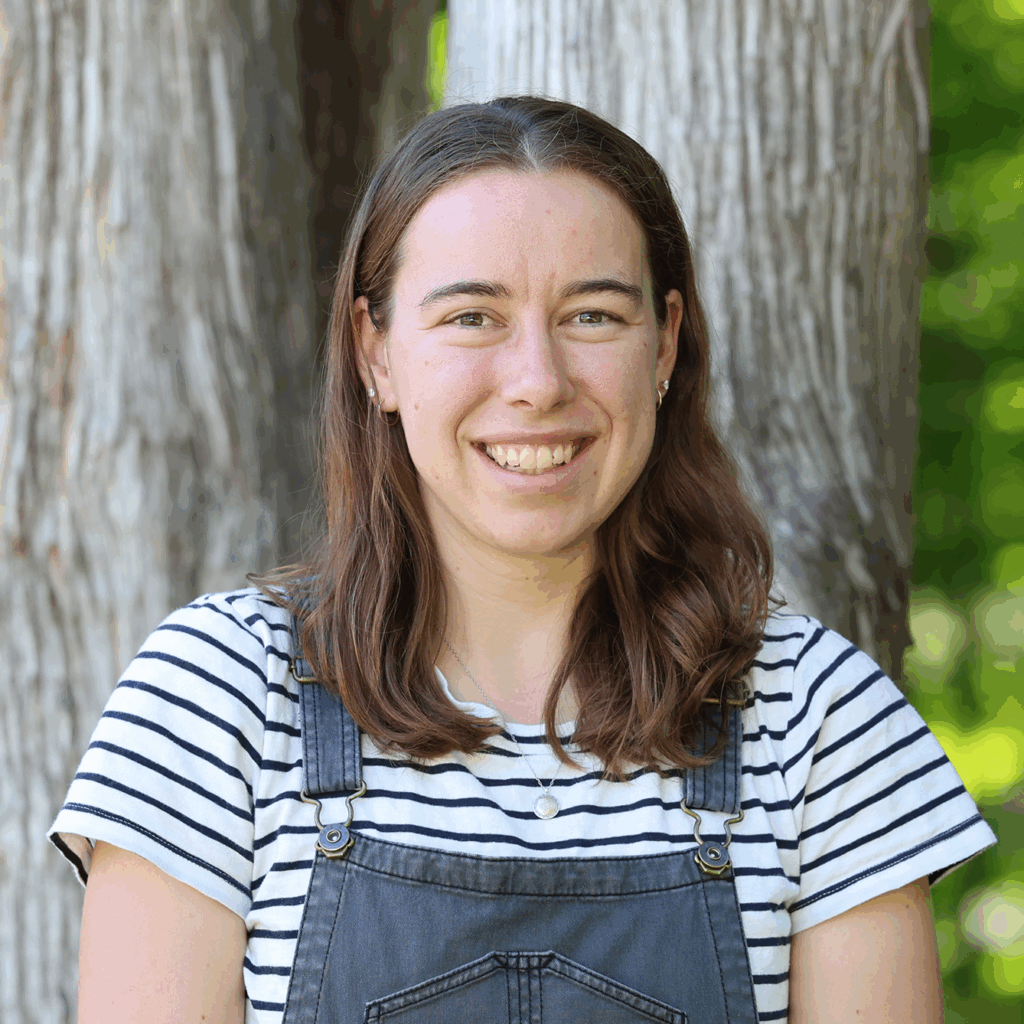
Katharine Call

How did you end up at Mountain Valley?

“I came to Mountain Valley literally the week after I got my master’s diploma from Columbia University. During grad school, I got experience working at a non-profit with people who have experienced domestic violence and sexual assault, in an advocate and crisis management role. I also worked at the VA in case management.

As school came to close, I was applying to every job I could find within reason. But I saw the clinician position at Mountain Valley, and it was immediately the one I wanted. I went on their website and saw everything that had possibly been a career interest of mine looped into one place. Adventure therapy, exposure response prevention, the adolescent population, it was so aligned with what I wanted to be doing. In fact, I thought the posting was a scam at first because it sounded so perfect, so I was surprised when Zack responded to me.

I do feel like Zack, Everett and the team took a pretty big chance on me since I didn’t have a lot of work history in mental health. But I think since Zack also completed at the collegiate level, he was able to see how some of my background would be uniquely beneficial in a way that I didn’t even see yet.”

Tell me about your work in Exposure-Response Prevention?

“With my personal experience doing ERP around my own anxiety, I have a lot of empathy for how difficult it is. I’m a strong believe in challenge by choice and I want to make sure the kids get to choose their exposures. It’s a highlight of my job.

One example that stands out is a client I had with severe contamination OCD. She was willing to do the exposures but would beat herself up after the fact. Like “Well if I was normal, this wouldn’t have even been an exposure.” She struggled to celebrate the fact that she was doing something hard.

For her ordeal we decided on a series of three different very challenging OCD exposures. We had all the community come cheer her on, chanting her name and clapping. I was bumping music and playing “This Girl is On Fire.”

For her first exposure she picked a strawberry up off the tennis court and ate it. Then she threw away all her soap, hand sanitizer and Lysol wipes while everyone cheered goodbye. Finally, we rolled out the compost bin, and she plunged both hands into it!

It was iconic, everyone went wild. I was sobbing and it was such a memorable day.”

Back to skiing for one more question. Your brother, Ben Ogden, recently won two silver medals for Team USA at the Olympics. What has that experience been like for you?

“I’ve been so stoked. It’s been so fun to see. The coolest part about it, from my perspective, is that when I raced, I really struggled with balancing it and making it healthy. Ben has done that. He is the most selfless person I know, and he doesn’t compromise anything he cares about. I admire it so much.

He has so many people in his life that love him and he makes sure he makes time for all of them. To be able to ski at such a high level and not give up your life, it gives me goosebumps to even talk about.”

MOVING MOUNTAINS

Resources

Staff Spotlight: Kate Sheldrick

No Place Like Home 

At Mountain Valley, residential counselors are immersed in the life of milieu, serving as safe, reliable figures for our residents as they navigate each day of programming. Kate Sheldrick brings a calming presence and years of experience to the team, and she brings plenty of local knowledge as an Upper Valley native. After considering careers in education and nursing, Kate’s currently focused on pursuing a degree in mental health and finds joy in helping residents on their journeys.

Tell us about your background?

“I’m from Quechee, Vermont and grew up in the area. I did leave the Upper Valley for a bit to do van life in Hawaii with my partner at the time. It was cool short-term to experience the culture, but I came back after a few months.

My mom had an at-home daycare, so I’ve been around kids my whole life. When I came back home, I worked at another daycare and started to do some early childhood education courses at a local community college. Then COVID happened and I’d decided to pursue pre-requisites for a nursing degree. I needed a job while I did that, so I applied as an overnight residential counselor at Mountain Valley.”

What made you decide to stay at Mountain Valley?  

“I ended up learning a lot about my own mental health in the process of working overnights. It made me realize that nursing wasn’t where I wanted to go exactly. The mental health field piqued my interest. I’m not great at choosing a career path, but I’m definitely focused on a something in psychology or social work—continuing to give back to my community.”

What does a typical day look like for you?

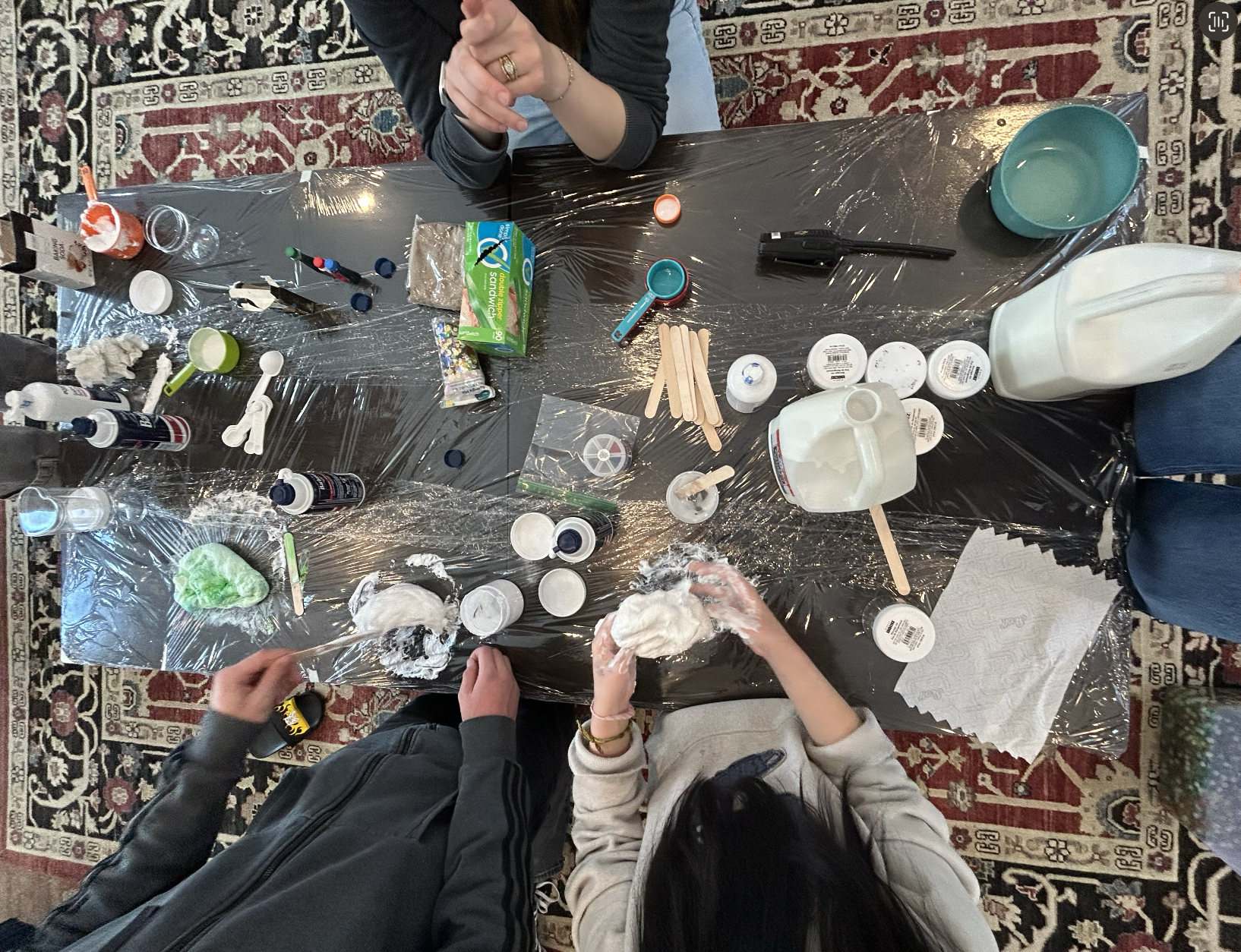
“I help facilitate club time, and we try to get the residents’ input on what type of clubs they like so they can look forward to it. We offer everything from slime club, to craft club, to improv. The most popular club is board game club, and I think games are great for starting interactions. It’s one of the easiest ways to break the ice with a new resident or people sitting outside the group. Residents get really into it and it’s fun to be competitive in a healthy sense. My favorites are Scattegories and Bananagrams.

I also facilitate stewardship, which could be working on the farm, in the kitchen, or organizing the common areas. I’ll eat dinner with the residents and make sure they’re on top of their laundry and medications. Before bed they have free time, and that’s when I really connect with residents on the mental health side. I get their objectives and help them process the day—it can be tough, so I want to support them.”

What’s the most rewarding part of the job for you?

“I love the residents and seeing them grow in their mental health and as a person, hearing their stories and opinions, and learning their different ways of life. It’s very fulfilling when one of the kids just tells you how much you’ve been able to help them, even if you feel like you’ve not necessarily succeeded in every way.”

What’s your perspective on the Upper Valley as a local?

“I always get the question of why I’m still here, and I enjoy that it’s a safe, family type environment. Most of our kids come from a cities or more populated areas, so I get to offer an insight that there isn’t always stuff to do and boredom is okay. Plus, I’ve got all the restaurants and activities covered for the local visits.”

What do you like to do for fun when you’re not working? 

“I like warmer weather, and in the summer, I like to paddle board in the local lakes or ponds with my pug. Either I’m doing that or hiking. I also like to try new food places outside the area, and I like art. I enjoy crafting, painting, and drawing, so it’s fun to be able to do that with the residents in our clubs.”

What would you say to someone who feels uncertain about joining Mountain Valley?

“I would tell them that it doesn’t hurt to try, and I would remind them that this is something a lot of new residents go through. I can try and be there and process and coach them through it. The people here are supportive and understanding. They’ve been through this already, so I would encourage them to lean on their peers and remind them that they are in a safe space to figure it out. It doesn’t have to feel like the right decision right now.”