
MOVING MOUNTAINS

Resources

When Outpatient Treatment Isn’t Enough for School Avoidance

For many families, the plan is straightforward.

Find a good therapist. Work hard. Give it time.

In many cases, that works.

Outpatient therapy helps countless children and adolescents overcome anxiety disorders, OCD, and school-related fears. But for some families, despite everyone’s best efforts, the situation continues to worsen. School attendance becomes increasingly inconsistent. Anxiety grows larger. Life becomes smaller. Parents begin wondering whether they are missing something.

One of the most difficult questions families ask is:

How do we know when outpatient treatment isn’t enough anymore?

There is no single answer. There is no magic number of missed school days or therapy sessions. But there are patterns that often suggest a child may need a more intensive level of care.

Recognizing those patterns early can make a meaningful difference.

When School Anxiety Stops Being About School

Parents often begin by focusing on school attendance.

That makes sense. School refusal is usually the most visible problem. But over time, many families realize the issue extends far beyond getting their child through the front doors of the building.

School avoidance is often the outward expression of something much larger.

A teenager who cannot attend school may also begin avoiding friends. Driving. Sports. Restaurants. Family vacations. Medical appointments. College planning. Job interviews. Sleepovers. Even ordinary errands.

Life slowly becomes organized around avoiding situations that provoke anxiety.

Sometimes this happens so gradually that families barely notice. They adapt. Accommodations accumulate. Expectations quietly shift downward.

Eventually, success becomes defined not by participation in life, but by the absence of crisis.

That is often the point at which families begin asking whether outpatient treatment is providing enough support.

Signs That Anxiety May Require a Higher Level of Care

Every child is different, and treatment decisions should always be made collaboratively with qualified professionals. Still, there are several situations in which a more intensive anxiety treatment program may be worth considering.

Anxiety Continues to Worsen Despite Appropriate Outpatient Treatment

Not every therapist specializes in treating anxiety disorders or obsessive-compulsive disorder. But even when families are working with clinicians who use evidence-based approaches like Exposure and Response Prevention (ERP) or Cognitive Behavioral Therapy (CBT), progress sometimes stalls.

The child understands the skills.

They know what they “should” do.

But they remain unable to put those skills into practice consistently in daily life.

School Attendance Continues to Decline

Perhaps mornings become longer and harder.

Maybe absences increase.

Assignments pile up.

Accommodations multiply.

Parents spend hours negotiating, reassuring, transporting, or helping their child simply make it through each day.

Eventually, the family’s energy becomes devoted almost entirely to getting through tomorrow morning.

When simply attending school consumes that much emotional bandwidth, it may be time to ask whether the current level of care matches the severity of the problem.

Anxiety Is Interfering With Multiple Areas of Life

School refusal rarely stays confined to school.

Children may withdraw socially, stop participating in activities they once loved, lose independence, reverse their sleep schedule, avoid responsibilities, or spend increasing amounts of time isolated at home.

When anxiety begins affecting nearly every domain of functioning, treatment often needs to become broader and more immersive than a weekly therapy appointment can provide.

Family Life Revolves Around Anxiety

Parents naturally want to help.

Over time, however, many families find themselves unintentionally organizing daily life around preventing distress.

Schedules change.

Plans get canceled.

Siblings adjust.

Parents divide responsibilities.

Everyone becomes increasingly focused on avoiding situations that might trigger anxiety.

This is not a sign of poor parenting. It is what loving families often do when someone they care about is suffering.

But when anxiety begins dictating how the entire family functions, additional support may be needed.

Why Weekly Therapy Sometimes Isn’t Enough

This is not because therapy has failed.

It is because anxiety disorders often require children to practice doing difficult things repeatedly in real life.

A therapist may spend fifty minutes helping a teenager prepare for exposure work.

The challenge is what happens during the other 10,000 minutes of the week.

If a child spends nearly all of those hours avoiding feared situations, seeking reassurance, engaging in compulsions, or depending on accommodations, it can become incredibly difficult for new learning to take hold.

The brain continues receiving the same message:

“Avoidance keeps me safe.”

Intensive treatment changes that equation.

Instead of practicing courage once a week, children have repeated opportunities to face anxiety, tolerate uncertainty, build confidence, and receive coaching while those moments are actually happening.

For many kids, that repetition becomes the catalyst for meaningful change.

What Intensive Anxiety Treatment Looks Like

Many parents hear the words “residential treatment” and understandably imagine hospitalization or crisis care.

That is not what specialized residential anxiety treatment is designed to provide.

Programs that focus on anxiety disorders and OCD typically spend far less time talking about anxiety than people expect.

Instead, treatment focuses on helping young people gradually re-engage with life.

Children practice facing feared situations.

They learn to tolerate uncertainty.

They reduce avoidance.

They build independence.

They strengthen emotional flexibility.

They participate in school, relationships, recreation, exercise, responsibilities, and everyday experiences that anxiety has gradually pushed out of their lives.

For families, treatment often includes learning how to reduce accommodations that unintentionally keep anxiety functioning, while supporting their child in moving toward discomfort rather than away from it.

The goal is not simply symptom reduction.

The goal is restoring functioning.

Looking Beyond the Next School Day

Parents often ask whether they should simply push through another semester.

Sometimes that is appropriate.

Sometimes outpatient treatment just needs more time.

But sometimes families find themselves asking the same questions every August, every January, or every Sunday night.

“Maybe this year will be different.”

Hope matters.

But hope alone rarely changes entrenched anxiety patterns.

One helpful question is not:

“Can my child survive another semester?”

Instead ask:

“Is my child’s world becoming larger or smaller?”

Anxiety almost always moves life toward smaller.

Treatment should move life toward larger.

Toward more independence.

More flexibility.

More confidence.

More participation.

More willingness to experience discomfort in pursuit of a meaningful life.

When to Consider Residential Treatment for Anxiety

Choosing a residential anxiety treatment program is one of the biggest decisions a family can make.

It is not the right fit for every child.

But when anxiety or OCD has begun interfering with school attendance, friendships, independence, family functioning, and everyday life despite quality outpatient care, continuing to repeat the same approach may simply produce more of the same results.

The goal is never to remove children from their lives.

The goal is to help them return to those lives with greater confidence, greater flexibility, and the knowledge that anxiety no longer has to determine what they can and cannot do.

If treatment helps a child reclaim school, friendships, family relationships, and the future they want for themselves, then the question is not whether they spent time in residential treatment.

The question is how much of their life they were able to get back.
MOVING MOUNTAINS

Resources

Reflecting on Resilience: Insights from the 2024 Mountain Valley Alumni Reunion

At Mountain Valley Treatment Center, we believe in the power of community, healing, and shared experiences. The 2024 Mountain Valley Alumni Reunion was a testament to this belief, bringing together over 30 former residents, their families, and our dedicated staff for a day filled with reflection, gratitude, and inspiration.

A Gathering of Courage and Connection

This year’s reunion was more than just a homecoming; it was a celebration of the incredible journeys our alumni have undertaken since their time at Mountain Valley.

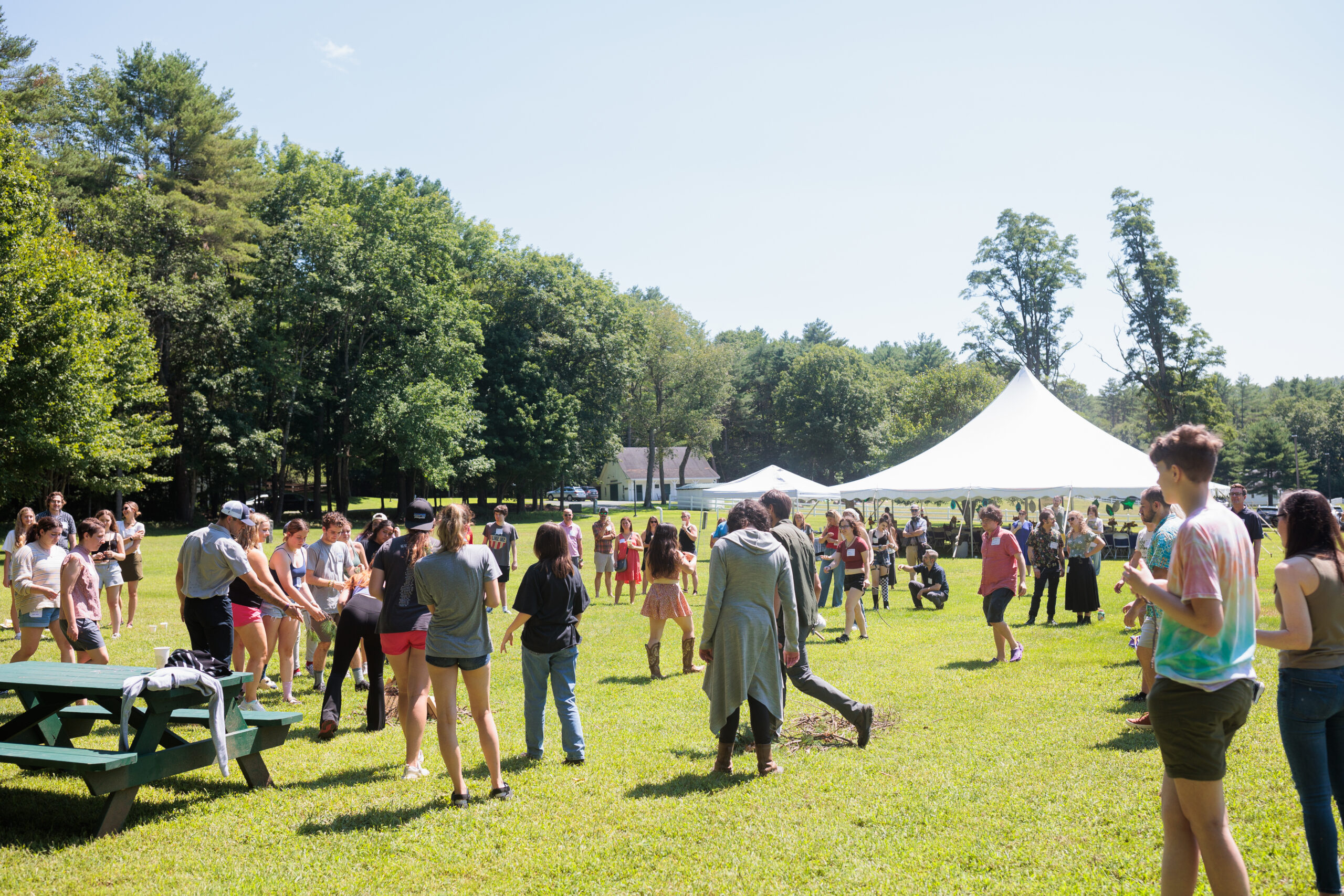
The day began with a powerful exercise led by executive director Zack Schafer, where attendees were asked to collect sticks and gather in a circle. Zack read aloud a list of fears, and those who felt a connection to a particular fear walked to the center of the circle to place their stick in the fire pit. As the activity progressed, attendees began sharing their own fears, and others who resonated with those fears joined them in adding their sticks to the fire. By the end, the fire pit was filled with the collective fears of the community, ready to be burned during the closing ceremony. This symbolic act set the tone for the day, reminding everyone that they were not alone in their fears and that true courage, supported by a strong community, is essential in facing them.

Stories of Transformation and Hope

As the reunion came to a close, everyone gathered around the fire that had been built earlier in the day, setting their fears ablaze. With the fire crackling and a strong sense of togetherness in the air, Zack invited alumni to step forward and share their stories. The microphone was passed from one person to the next, and with each story, the themes of resilience and growth became more evident.

Molly, a former resident who attended Mountain Valley in 2018, was among the first to speak. She shared her journey from a 12-year-old overwhelmed by anxiety and depression to a thriving college student at McGill University in Montreal. Molly reflected on how Mountain Valley provided her with the tools not only to survive but to thrive—teaching her that she is more than her mental health struggles and empowering her to embrace her identity beyond anxiety and depression.

Hayden, another alum, recounted his arrival at Mountain Valley six years ago. He shared how his time here marked the end of a difficult chapter in his life, one filled with overwhelming anxiety and school absenteeism. Today, Hayden is a college graduate with high honors and has come full circle by returning to Mountain Valley to work as a staff member, helping others who are on a similar journey.

Olivia, who attended Mountain Valley from October 2021 to January 2022, recalled her initial reluctance to join the program. However, as she connected with others and engaged in the community, she discovered her love for the outdoors and built lasting friendships that continue to this day. Olivia’s story is a reminder that sometimes the hardest steps lead to the most rewarding journeys.

Wes, who arrived at Mountain Valley last year, shared his story of radical transformation. Initially withdrawn and hesitant, Wes gradually opened up, found his voice, and began developing meaningful relationships. His experience is a powerful example of how Mountain Valley’s supportive environment can help individuals rebuild their self-confidence, find a sense of belonging, and begin forging connections with others.

The Power of Perseverance

Each story shared during the reunion was unique, yet they all echoed a common theme: perseverance. Alex, who attended Mountain Valley earlier this year, spoke about how his time at the center helped him shed the mask he had been wearing for years. With the support of the community, he found the courage to face his fears and embrace his true self. Today, Alex is thriving in his new life, attending college and holding down a job.

Ivy, who joined Mountain Valley in May 2023, reflected on how the experience changed her perspective on the world. Despite the challenges she faced after leaving, her time at Mountain Valley gave her the strength to navigate life’s ups and downs with hope and resilience. Ivy’s words captured the essence of what Mountain Valley aims to instill in all its residents: the belief that hurt people can indeed help others, and that personal growth often stems from life’s most difficult experiences.

A Journey that Continues

As the reunion came to an end, it was evident that the bonds formed at Mountain Valley are profoundly deep and transformative. The stories shared were not just about overcoming anxiety or depression; they were about discovering community, finding purpose, and uncovering one’s true self. Each alum who spoke embodied the courage and resilience of the Mountain Valley community, embracing the challenge of making “fear less” so they can live more fully.

We are immensely proud of our alumni and deeply grateful for the privilege of being part of their journeys. The 2024 reunion was a powerful reminder of the impact we can create when we come together and confront our fears.

If you or someone you know is struggling with anxiety or other mental health challenges, remember that hope and help are available. Mountain Valley Treatment Center is here to support you on your path to recovery.

Stay Connected

For more stories of resilience and recovery, be sure to tune in to the Fear Less podcast, where we continue to share the voices of our community. To hear a live recording of the fire ceremony mentioned in this article, check out Episode #40: “From Fear to Freedom: Inspiring Stories from Mountain Valley Alumni.”

Thank you for being a part of the Mountain Valley family, and we look forward to the next chapter in all of our lives.

Thank you for reading, and remember, it’s not about being fearless; it’s about making your fear less.

MOVING MOUNTAINS

Resources

Cultivating Healing Through Stewardship

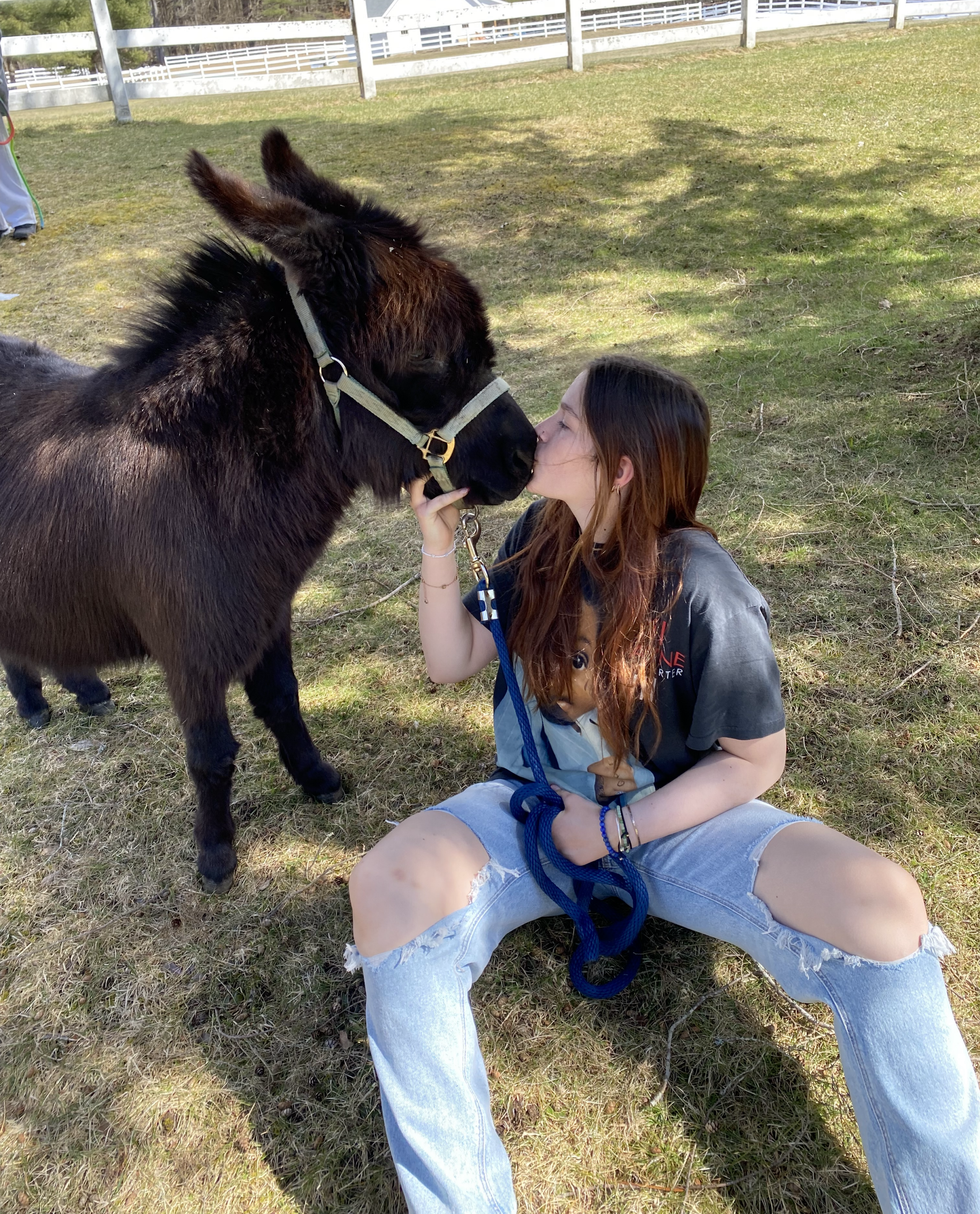
At Mountain Valley Treatment Center, we believe that healing is not just about addressing mental health symptoms but about cultivating a sense of purpose through connecting and contributing to the world around us. One of the ways we do that is through our stewardship program. At Mountain Valley, residents engage in a variety of stewardship activities that provide them with opportunities to contribute to our campus community. One of the more innovative stewardship opportunities we offer is our farm and animal stewardship program. This portion of our program is led by our dedicated Farm and Animal Coordinator, Hann Bernardi, who specializes in integrating the care of animals and our land into the therapeutic process for our residents.

A Unique Approach to Healing

Mountain Valley has always incorporated animals, farming, and other agricultural activities into our programming, but the introduction of a dedicated Farm and Animal Coordinator marked a significant shift in how we approach the integration of these elements. Han, with a background in large-scale agriculture, brings not only expertise in animal care and farming but also a burning passion for how time spent on the land can be used as a therapeutic tool for healing. Hann works to integrate residents’ individualized treatment goals into the farm work, providing a space for them to practice what they are learning in therapy, connect with nature, and find themselves through the meaningful work they do on the farm.

The Power of Stewardship

Stewardship is at the center of our farm and animal program and is at the core of Mountain Valley’s approach to healing. Being a steward requires one to take ownership and responsibility for caring for something outside of oneself. Many of our residents come to Mountain Valley struggling with anxiety and fear that prevent them from taking care of themselves, taking charge of their lives, and contributing to the world around them. Through the farm and animal stewardship program, residents learn to care for animals and the land, which, in turn, helps them better care for themselves.

Hann explains it beautifully, stating, “If you can learn to be a steward for other creatures, it will inevitably help you cultivate that stewardship for yourself.” By taking on the responsibility to care for the animals and the land, residents develop self-discipline and self-efficacy as they begin to view themselves as contributing members of a larger community.

Building Skills, Building Confidence

Beyond the emotional and psychological benefits, the stewardship program also equips residents with practical life skills. From basic animal husbandry tasks like feeding and grooming to more complex projects like building infrastructure for the farm, residents get hands-on experience with everyday life skills that help them develop mastery, bolster self-confidence, and gain an appreciation for hard work.

One recent project involved residents building a house for the bunnies on the farm—a task that required them to measure, cut, and assemble materials with precision. Upon completing the project, they felt a profound sense of accomplishment, as this structural addition to our farm was a tangible representation of the value they can add to the world.

Reflecting on Personal Growth

The animals at Mountain Valley play a unique role in the healing process as they often serve as a “mirror” to residents, reflecting back the parts of themselves they need to work on. For example, Hann shares a story about Ivar, a rooster whose tendency toward aggression and self-protection became a source of fear for many residents. Hann worked with the residents to develop empathy and understanding for Ivar. Residents were able to relate to him as they recognized that Ivar was scared too and that his aggression was a classic example of the “fight” response that is sometimes seen in someone experiencing fear or anxiety. Through seeing themselves in Ivar, the residents were able to better understand him and develop effective strategies for communication and boundary setting. This experience not only provided residents with a great exposure opportunity around their fear of Ivar but also facilitated a deeper level of personal reflection and contemplation that can sometimes be difficult to achieve in the therapy office.

A Growing Community

The farm at Mountain Valley is not just a place for healing; it’s also a dynamic, changing, and growing community. With a variety of animals, including hens, sheep, donkeys, bunnies, and goats, residents often find themselves drawn to different creatures that represent themselves, their needs, and their emotions.

Each animal, just like each resident, brings something unique to the community. As the farm continues to expand, so do the therapeutic opportunities. The future of the stewardship program is bright, with plans for further development. The current project the community is working on is building a community Zen garden that can provide an additional therapeutic space on campus for residents to unwind and restore.

Conclusion

At Mountain Valley Treatment Center, our stewardship program is more than just a way to care for animals—it’s a powerful tool for personal growth, healing, and transformation. By fostering a connection with the land and animals, residents not only confront and overcome their fears but also develop a deeper sense of responsibility, self-worth, and community. Under Hann Bernardi’s guidance, the farm has become an integral part of the healing journey, offering residents a unique and enriching experience that stays with them long after they leave Mountain Valley.

To learn more about Mountain Valley’s Stewardship program and Hann Bernardi check Episode #38: “Healing Through Stewardship: The Therapeutic Power of Animals and Agriculture” of the Fear Less podcast.

If you or someone you know is struggling with anxiety and could benefit from the holistic approach to healing offered at Mountain Valley, please don’t hesitate to reach out to us. We’re here to help you on your journey to recovery.