MOVING MOUNTAINS

Resources

Why Summer Can Be the Worst Time to “Wait and See” About Anxiety

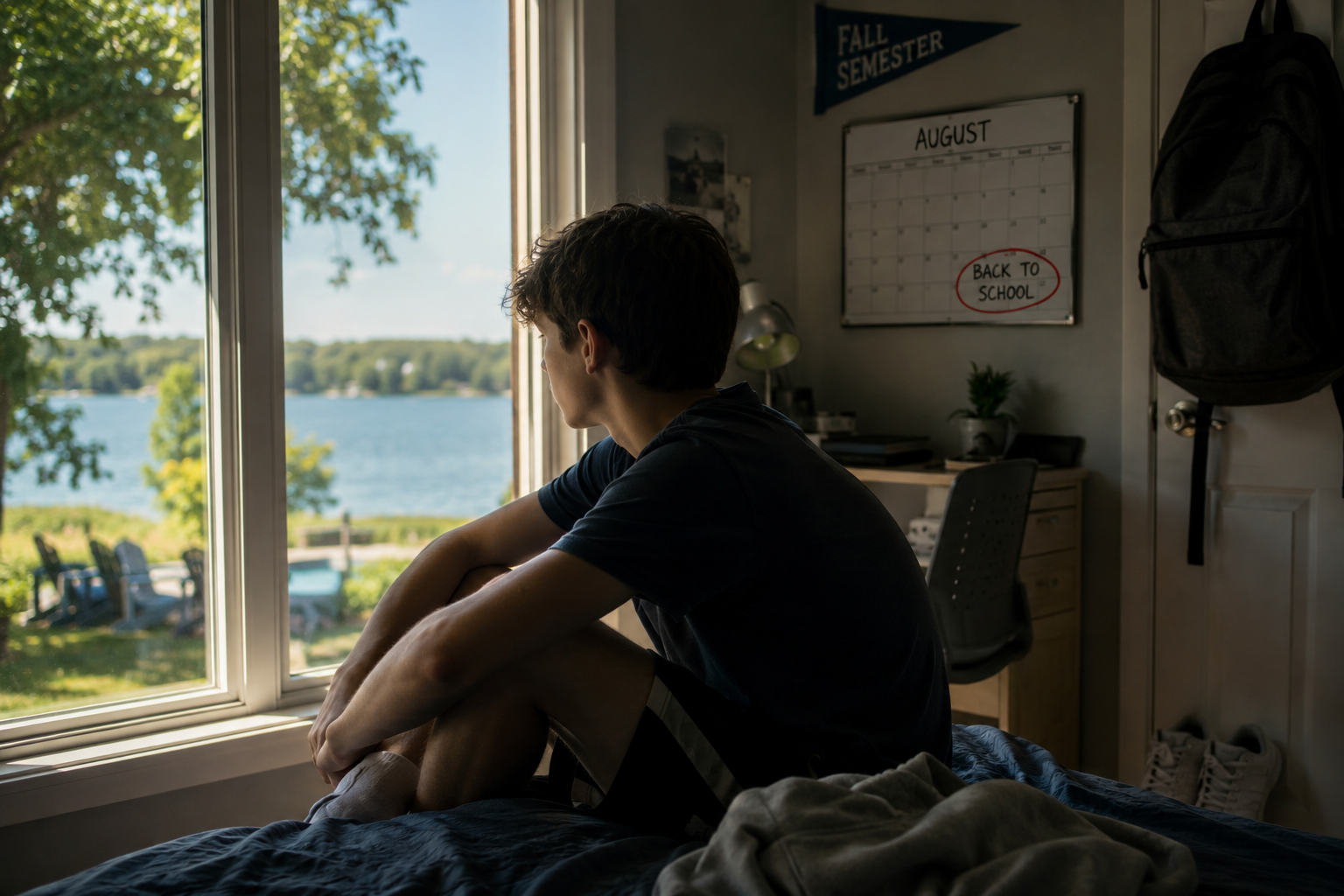
For many families, summer feels like a long exhale.

The school refusal eases. Morning battles disappear. Stomachaches fade. Panic lessens. Kids laugh more. The house becomes calmer. After a brutal school year filled with anxiety, avoidance, conflict, and emotional exhaustion, parents often feel like they finally have their child back.

Naturally, many families begin asking the same question:
Maybe things are getting better?

And sometimes they are.

But often, what looks like recovery is actually something very different.

Anxiety disorders frequently appear to improve during the summer not because the anxiety itself has healed, but because many of the triggers that activate the anxiety are temporarily gone. School pressures disappear. Performance demands lessen. Social evaluation decreases. Structure relaxes. Fear-producing situations become easier to avoid.

The nervous system settles because the child is no longer confronting what feels threatening. That relief is real. But relief is not always the same thing as recovery.

This is one of the reasons summer can become such a dangerous time to adopt a “wait and see” approach toward treatment.

The Illusion of Improvement

Anxiety is deeply contextual.

A child who is overwhelmed during the school year may look dramatically different in July than they did in March. Parents often see meaningful changes:

– less irritability,
– fewer meltdowns,
– more laughter,
– improved sleep,
– reduced conflict,
– and fewer visible symptoms.

The temptation is to conclude that the anxiety itself is resolving.

But if the improvement depends entirely on the removal of demands, the stability may be far more fragile than it appears. If a child only feels okay when they do not have to attend school, socialize, tolerate uncertainty, complete work, navigate peer relationships, or face evaluation, then the underlying anxiety has often not been addressed. The feared situations have simply been removed from the equation.

This is important because avoidance works incredibly well in the short term. That is precisely why anxiety disorders become so powerful.

When avoidance reduces distress, the brain learns:
“This is how I stay safe.”

Over time, the vicious circle strengthens. Relief reinforces retreat, and retreat reinforces fear. Meanwhile, families understandably mistake the absence of crisis for genuine healing.

Summer Avoidance Often Looks “Normal”

One of the reasons this dynamic is so difficult to recognize is that summer avoidance rarely looks as alarming as school-year avoidance.

During the academic year, anxiety becomes visible quickly because school forces engagement. Kids must wake up, leave the house, tolerate structure, interact socially, perform academically, and face discomfort repeatedly.

In the summer, however, life often becomes flexible enough to accommodate anxiety almost invisibly.

A teenager isolates in their room most of the day, but “they’re decompressing after a stressful year.”

A child avoids social situations, but “summer schedules are inconsistent anyway.”

Sleep patterns completely reverse, but “it’s summer vacation.”

An adolescent refuses camps, jobs, sports, or travel, but “they just need a break.”

Parents often feel relieved simply because the intensity of the suffering has decreased. After months of chaos, many families desperately want peace, connection, and a normal summer together. That desire is understandable.

But anxiety disorders do not typically heal through retreat from life. More often, they grow quietly inside shrinking worlds. And the shrinking can happen slowly enough that everyone adapts to it.

Over time, the family’s definition of “doing okay” can quietly shift downward. A child who once played sports, saw friends regularly, traveled easily, and participated fully in school may now spend most of the day isolated at home, yet everyone feels grateful simply because there are fewer visible meltdowns or battles.

That is part of what makes anxiety disorders so deceptive. Life can become progressively smaller while the home temporarily feels calmer.

When “Here We Go Again” Sets In

One of the most damaging aspects of delaying treatment is that anxiety rarely returns in the fall as a completely fresh experience. Kids remember.

They remember the panic from the previous school year. They remember the dread on Sunday nights, the stomachaches in the parking lot, the exhaustion of white-knuckling through classes, the embarrassment of falling behind, the social fears, the nurse visits, the incomplete work, the tears, the shutdowns, and the feeling of watching everyone else move through life more easily than they can.

So when school starts back up and the anxiety returns, it often doesn’t just reactivate fear. It shakes confidence.

Many kids enter the fall thinking:

– “Here we go again.”
– “I thought I was better.”
– “Why does this keep happening to me?”
– “Maybe I’m never actually going to get better.”

That hopelessness matters.

Over time, untreated anxiety can begin reshaping the way a child sees themselves. The issue stops feeling like “I’m struggling with anxiety” and starts becoming “this is just who I am.” Kids begin organizing their identity around fragility, limitation, and avoidance.

The fear becomes larger not only because the triggers return, but because the child now expects failure before the year even begins. Anticipatory anxiety starts earlier. The dread becomes more rehearsed. The return to school begins feeling less like a challenge and more like confirmation of a feared identity.

And each cycle can deepen the problem.

Every time anxiety disappears only because demands are removed, the brain learns the same lesson again:
“I can only feel okay when I escape.”

That makes the return to school feel more threatening each year. The contrast between the safety of avoidance and the demands of real life becomes sharper. Confidence erodes further. Avoidance patterns become more automatic and ingrained.

This is one of the reasons anxiety can become harder to treat over time if left unaddressed. Not because children are incapable of getting better, but because the anxiety becomes increasingly woven into routines, expectations, identity, and daily functioning.

The longer the pattern repeats, the more life can begin organizing itself around fear.

Why Summer Can Actually Be the Best Time for Treatment

Ironically, many of the reasons families avoid treatment during the summer are the exact reasons summer can be one of the most effective times to intervene.

Without the constant pressure of school, kids often have more emotional bandwidth to engage meaningfully in treatment. Families are less reactive. Schedules are more flexible. There is more space for reflection, skill-building, exposure work, family work, and behavioral change before another academic year begins.

Rather than spending the entire summer recovering from anxiety, families can use the summer to prepare for life beyond it.

That does not mean children should lose opportunities for rest, fun, friendships, travel, or downtime. Those things matter tremendously. Kids need play, connection, leisure, and recovery.

But there is an important difference between restoration and avoidance.

The goal of treatment is not to eliminate discomfort from a child’s life. The goal is to help children build the confidence and flexibility to tolerate discomfort without retreating from life itself.

Summer can provide a uniquely valuable runway for that work.

Instead of entering the fall already defeated and overwhelmed, children can begin developing:

– healthier routines,
– increased distress tolerance,
– more confidence facing feared situations,
– improved emotional regulation,
– stronger social engagement,
– greater independence,
– and a growing belief that anxiety does not have to control their lives.

Thinking Beyond the Next Semester

One of the hardest parts of parenting an anxious child is resisting the understandable desire for immediate relief.

Of course parents want peace after a difficult year. Of course they want their child to relax, smile, and enjoy summer. Of course they want to believe things are finally getting better.

But anxiety disorders often require families to think beyond the emotional weather of the moment.

The real question is not:
“Does my child seem calmer right now?”

The real question is:
“Is my child building a life organized around engagement or around avoidance?”

Because anxiety almost always encourages the second path.

Children do not become resilient by never feeling anxious. They become resilient by learning they can face anxiety without surrendering their lives to it. Confidence usually comes afterward — after tolerating discomfort, after facing feared situations repeatedly, after discovering they are more capable than the anxiety tells them they are.

That process rarely happens accidentally.

Moving Toward Fall with Intention

Summer can create the illusion that anxiety has disappeared when it has simply gone dormant. The absence of school demands often lowers distress enough that families understandably hope the problem has resolved itself.

Sometimes it has.

But when anxiety has already begun interfering with school attendance, friendships, independence, family functioning, emotional regulation, or participation in life, waiting passively for it to heal on its own can allow the problem to become more deeply rooted.

Anxiety disorders generally do not improve through avoidance and time alone.

More often, they improve when children gradually learn that discomfort is survivable, that fear does not need to dictate behavior, and that they are capable of engaging with life even when anxiety is present.

The goal is not simply to help kids survive another school year.

The goal is to help them reclaim the parts of life anxiety has slowly convinced them to abandon.

MOVING MOUNTAINS

Resources

Anxiety and School Refusal: A Cross-Program Panel Discussion

Watch the recording of our interactive panel on anxiety and school refusal, featuring Executive Director Zack Schafer, Amy Killey of Weaver and Associates, and Dr. Dina Nunziato of the Anxiety Institute. This open conversation explores how to recognize school avoidance early, respond effectively, and understand when more intensive support may be needed.

Whether you’re a parent, clinician, or educator, the discussion offers practical insights and real-world strategies for helping students reconnect with school, peers, and life.

MOVING MOUNTAINS

Resources

The Role of Sleep Hygiene in Managing Adolescent Anxiety

Adolescence is a time of significant physical, emotional, and social development. It’s also a time when anxiety can take root, often exacerbated by factors such as academic pressures, social dynamics, and the rapidly changing brain. One factor that is frequently overlooked in managing adolescent anxiety is sleep—both how anxiety disrupts sleep and how poor sleep hygiene can contribute to the anxiety cycle itself. In this article, we’ll explore the connection between sleep hygiene and anxiety, along with practical tips for fostering healthier sleep habits that can help alleviate anxiety symptoms.

Understanding the Anxiety-Sleep Connection

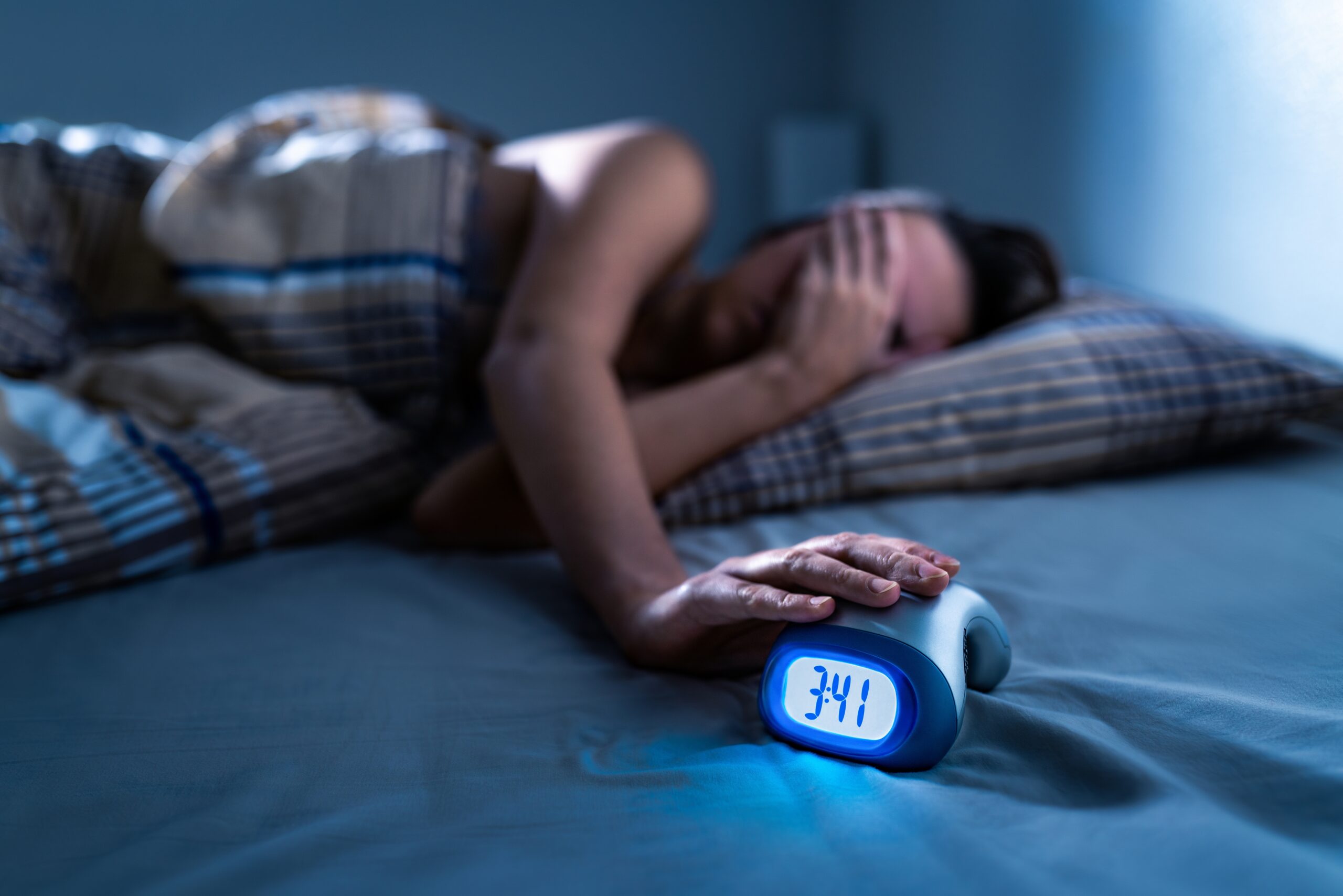
For adolescents struggling with anxiety, sleep can often feel elusive. Racing thoughts, heightened alertness, and a constant sense of worry can make it difficult to fall or stay asleep. Unfortunately, poor sleep quality only exacerbates the symptoms of anxiety, creating a vicious cycle that’s tough to break. Sleep deprivation impairs emotional regulation, cognitive processing, and the ability to manage stress—all essential to managing anxiety.

The adolescent brain is still developing, making it particularly vulnerable to the effects of poor sleep. Deep sleep is essential for processing emotions and consolidating memories. Without enough sleep, teens may struggle to regulate their emotions, making them more susceptible to anxiety. Consistent, restorative sleep is crucial for both emotional well-being and cognitive function, which is why sleep hygiene plays such an important role in overall mental health.

The Importance of Sleep Hygiene

Sleep hygiene refers to the habits and practices that promote consistent, restful sleep. Improving sleep hygiene is a key strategy for reducing anxiety and breaking the sleep-anxiety cycle. By establishing positive sleep routines, adolescents can improve the quality of their sleep and, in turn, their ability to manage anxiety.

Here are several key practices to focus on when improving sleep hygiene:

  1. Maintain Consistency: Setting a regular bedtime and wake-up time is crucial for regulating the body’s internal clock. Teens should aim to go to bed and wake up at the same time each day, including weekends, to avoid disrupting their sleep patterns. This consistency helps to improve sleep quality and helps the body get the rest it needs.

  2. Create a Calming Bedtime Routine: Establishing a calming pre-sleep routine signals to the brain that it’s time to wind down. This routine can include relaxing activities such as reading, journaling, or engaging in mindfulness exercises. These activities not only help reduce anxiety but also allow the mind to transition from a state of heightened alertness to one of relaxation, making it easier to fall asleep.

  3. Limit Stimulants and Distractions: Excessive screen time, especially before bed, can interfere with the body’s ability to produce melatonin, the hormone responsible for regulating sleep. Teens should avoid using electronic devices at least an hour before bed. In addition, consuming caffeine or large meals late in the day can disrupt sleep, making it harder to fall or stay asleep.

  4. Optimize the Sleep Environment: A comfortable and quiet sleep environment is essential for restful sleep. The bedroom should be cool, dark, and free from distractions. Using blackout curtains, minimizing noise, and ensuring the mattress and pillows are comfortable can go a long way in promoting quality sleep.

Summer: A Time to Reset or Lose Sleep Structure?

The summer months present a unique challenge when it comes to sleep hygiene. Without the structure of school schedules, sleep patterns can easily become erratic. While summer offers a great opportunity for teens to catch up on much-needed sleep, the lack of routine can lead to late nights and irregular wake-up times, which may throw off their sleep cycles.

Summer should be viewed as a time for the body to rest and recalibrate, but it’s important for teens to maintain a healthy sleep schedule even without the demands of school. Teens often take advantage of the unstructured time to sleep in, but it’s important to avoid extremes—such as staying up far too late or sleeping excessively during the day—that can make it harder to transition back into the routine of school once summer ends.

Maintaining a consistent sleep schedule during the summer is key. Not only does this help teens get the sleep they need, but it also helps them manage stress, maintain healthy habits, and reduce the likelihood of falling into the cycle of anxiety that poor sleep habits can promote.

Sleep Hygiene as Part of a Comprehensive Approach to Managing Anxiety

While sleep hygiene is a critical tool in managing adolescent anxiety, it is most effective when used alongside other therapeutic strategies. Cognitive Behavioral Therapy (CBT), mindfulness practices, and other evidence-based approaches can address the underlying causes of anxiety and provide teens with the tools to better manage their emotions. Sleep hygiene, when integrated into a holistic approach to anxiety, can be a powerful tool for improving overall mental health.

Conclusion

Good sleep hygiene plays an essential role in managing adolescent anxiety. Establishing healthy sleep habits—such as maintaining consistency, creating a calming bedtime routine, limiting distractions, and optimizing the sleep environment—can significantly improve sleep quality and emotional resilience. For adolescents, quality sleep is a cornerstone of good mental health, and by fostering these positive sleep habits, teens can improve both their sleep and their ability to manage anxiety in the long term.

If your teen is struggling with sleep or anxiety, consider implementing these sleep hygiene practices and look for additional strategies that may support their emotional well-being. By addressing both sleep and anxiety, teens can set themselves on the path toward a healthier, more balanced life.