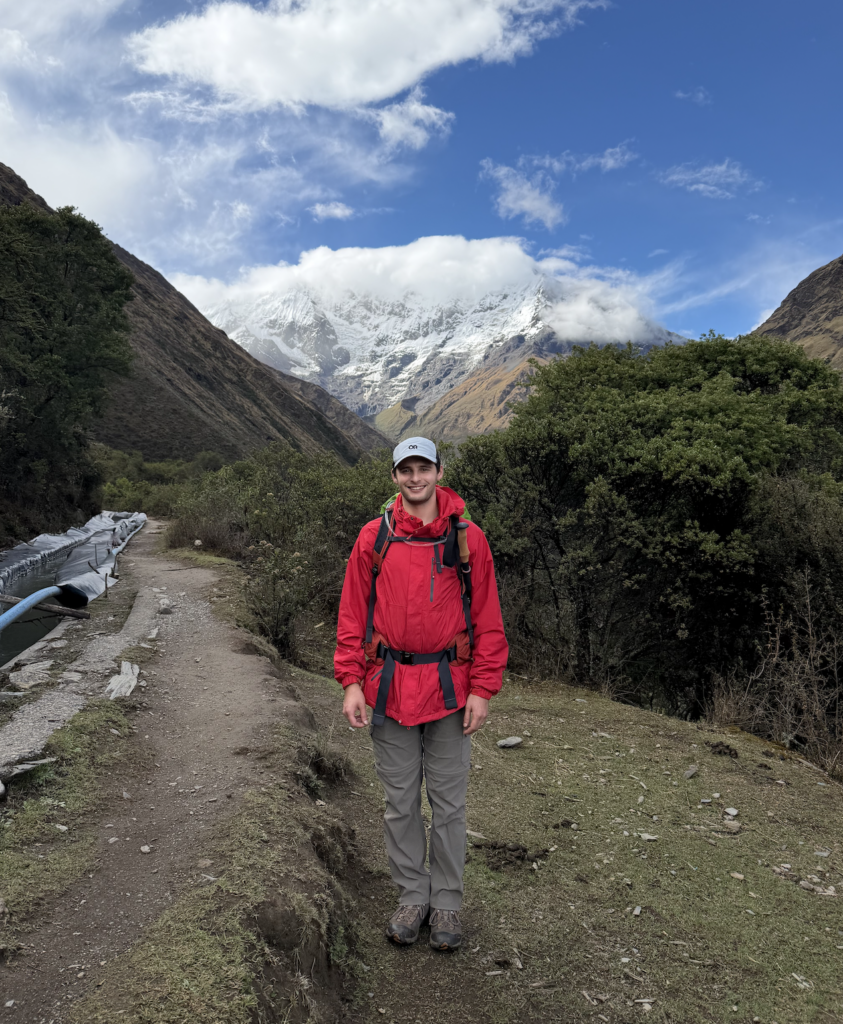
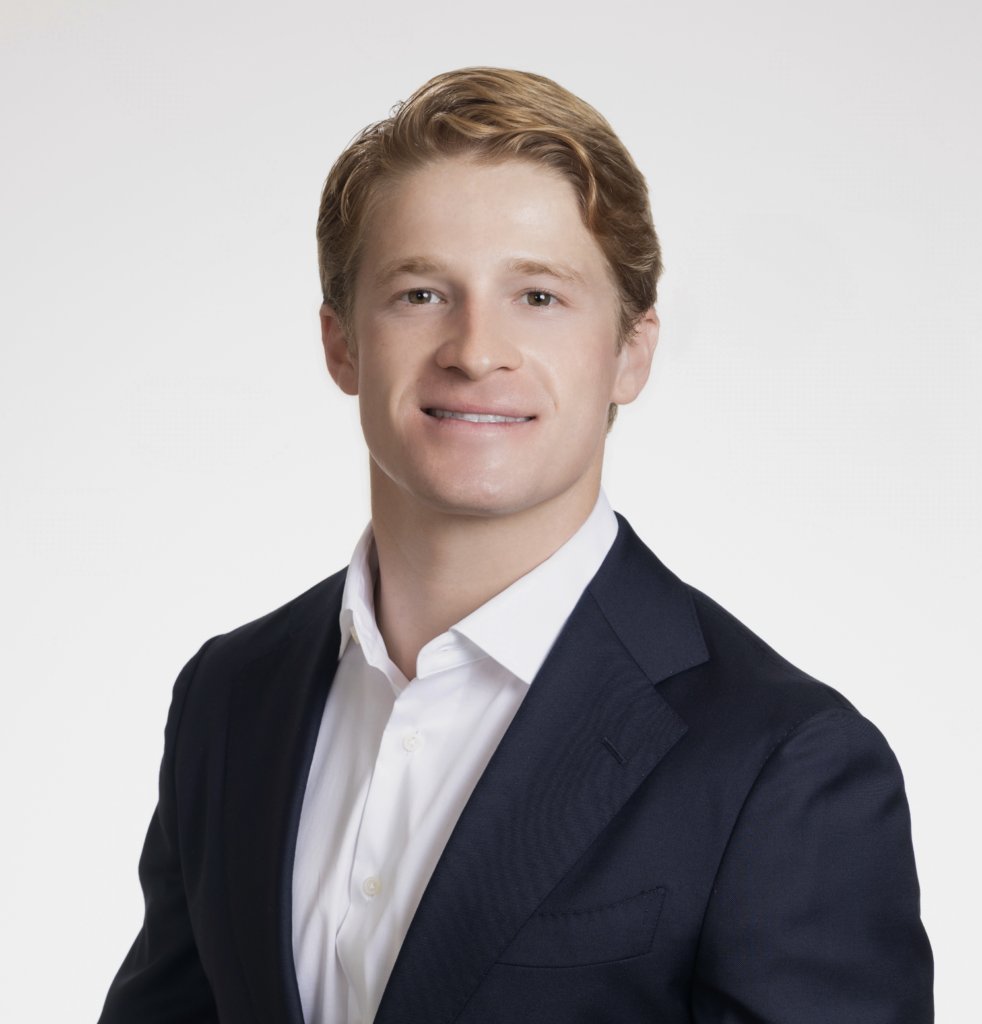
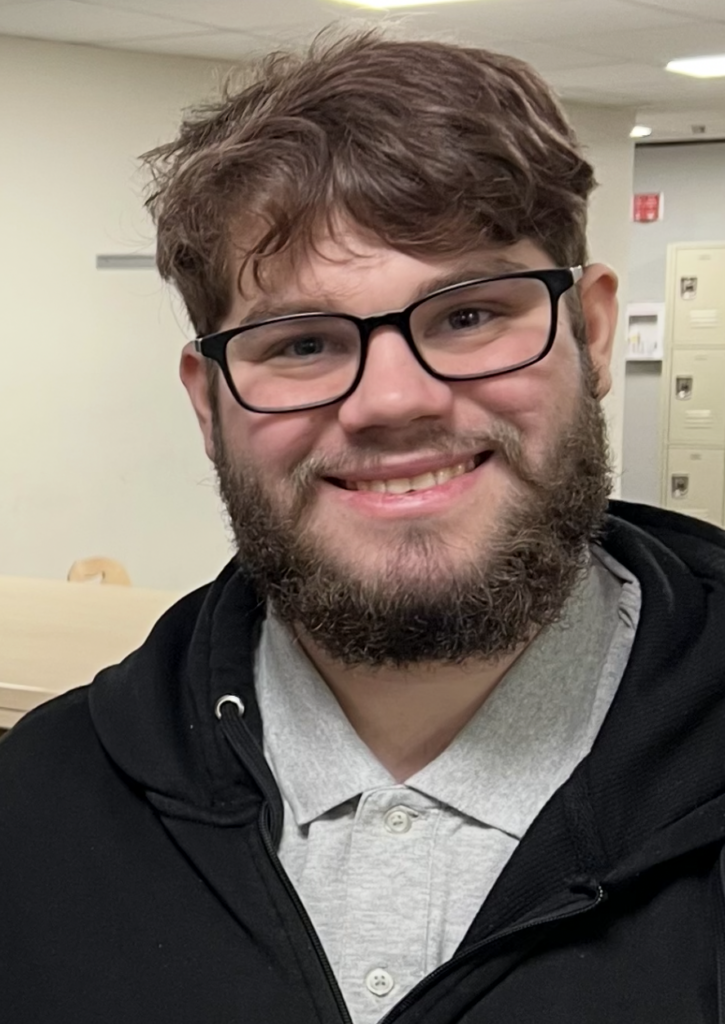
Gray Thomas’ anxiety made him feel like he couldn’t get it right—not at school, not as a lacrosse athlete, and not in his relationships. That led to a deep depression that made him feel like life wasn’t worth living. Fortunately, his family found Mountain Valley and Gray knew it was time to try something different. The Massachusetts native committed to the work and found out that he could manage his biggest fears. Today Gray works in a fast-paced industry in New York City and is close to his family and many friends. We caught up with him to learn about his Mountain Valley experience:
Tell us about your background and how you came to Mountain Valley?
“My sophomore year of high school I started having severe anxiety and depression. I was also diagnosed with ADHD. I had a hard time getting out of bed and getting my day-to-day things checked off. That would sort of build and make it worse. Another part of it was just a fear of failure and social anxiety. I felt like I could never do enough for other people or for myself, and that impacted my athletic career as well. I just didn’t feel confident in what I was doing and that I was letting everyone down.
During COVID I was using weed a lot to keep myself busy in a way. When I got to Middlebury College later in 2020, I used it to drown out the pain I was going through. Again, I felt like I wasn’t showing up in school and feeling out of place even with close friends. That anxiety manifested itself in a deep depression and led to a decision point that I would either seek treatment and leave school for a semester—or not be around anymore.”
What was it like when you made the decision to attend?
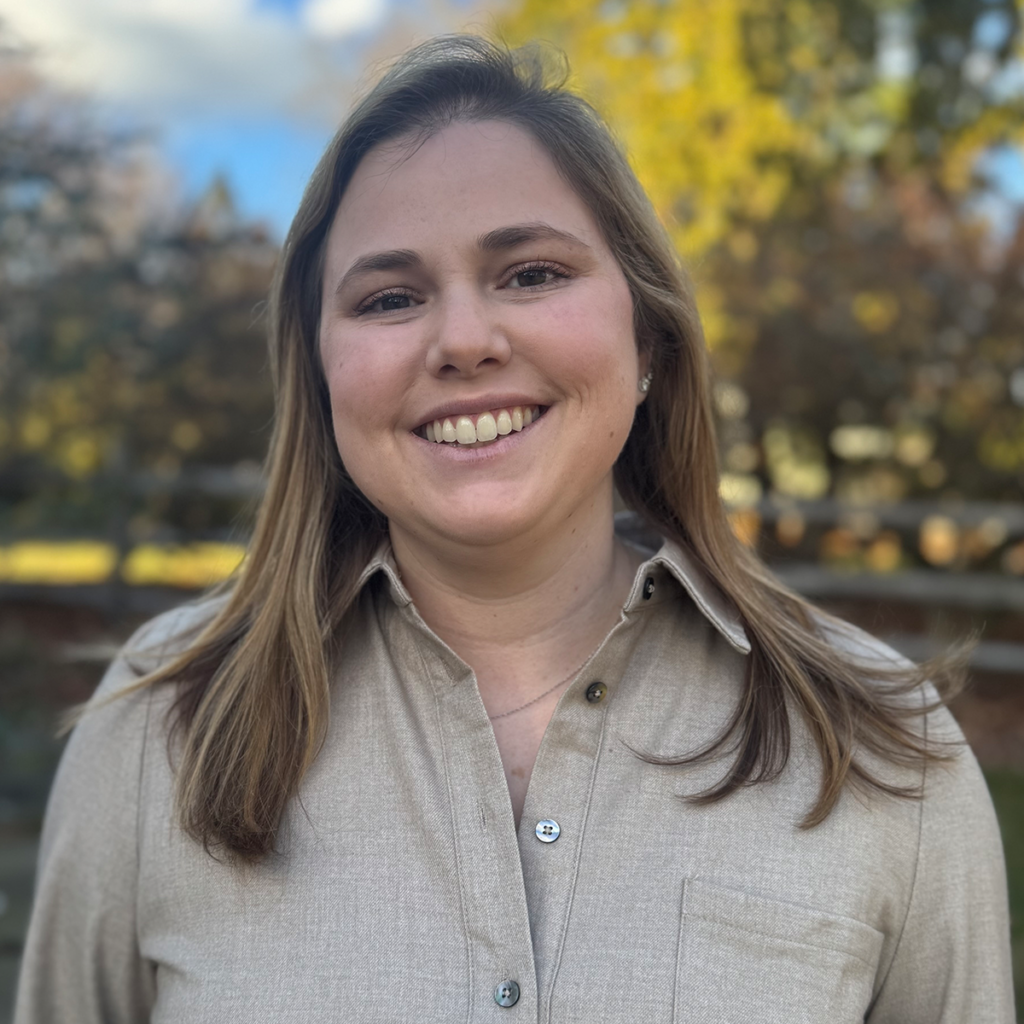
“I was definitely scared, I didn’t think there was anything that could help me. Once I got there and met a lot of people, everyone was really open about what was going on with them and willing to chat about things. It felt like there was a sense of community and that was helpful for me. Keeleigh was my therapist and she was unbelievable. She was very relatable—she also played sports and we could talk about that part of our life together. She was also really young so my parents were a little worried, but she was the best fit for me and worked out very well.
Some of my hardest months were at Mountain Valley. You’re facing everything head on and you’re learning to deal with things that cause you so much trouble in the past. It really did feel like it got worse before it got better. But long-term, it was very positive. Mountain Valley truly changed my life.”
Any memorable moments from your time at MV?
“I want to give a shout out to Zack Schafer. He was super helpful and served as a mentor to me while I was there. He introduced me to the Wim Hof technique and ice baths. It’s still something I try to do today. Ice baths prepare your body for stress and anxiety and allow you to approach the day in a better headspace. Zack was always someone I could talk with and hang out with throughout my stay.”
Since social anxiety was such an issue for me, the staff found another resident who was going through a similar struggle. For one of our ERP sessions, they put us in a room together and told us to talk for 15 minutes. We ended up getting along well and had a great conversation. I had an “aha” moment that maybe the things that were causing me trouble weren’t as bad as I thought they were. The insurmountable challenges were approachable, and I could deal with them.”
What came after MV?
“I had to write an appeal to Middlebury while I was at Mountain Valley so I could go back in the spring and play lacrosse. That first step was scary, and I was also anxious to see my friends and answer their questions. But it turned out to be tremendously positive. Everyone was very welcoming and a lot of people shared their individual experiences with mental health issues. It was really cool to see others open up.
I felt much better equipped to deal with the daily stressors of academics and playing on the lacrosse team as a student-athlete. I used all the methods I learned at Mountain Valley for dealing with stress and anxiety. It’s crazy to think that all those intrusive thoughts were going on in my head and that I was having such a difficult time. The rest of my college experience ended up being truly enjoyable.”
And what did life look like once you graduated?
“I graduated in February 2025, and right after that I did the whole ski bum thing for a little while. I moved to Jackson, Wyoming–that was something I probably wouldn’t have done before Mountain Valley, because I didn’t know anyone out there. I took a job serving at a restaurant, which I had also never done. But I made a great group of friends and ended up really enjoying it. Now I’m in New York City and working for L.E.K. Consulting. It’s a lot of hard work but fun to be back with some of my friends.”
Tell us more about your work today?
“We do a lot of market research, so if a company wants to sell themselves, we do a market study for potential buyers to see if the company is attractive. We also do strategy projects for companies releasing new products, for example. Specifically, I talk to experts in our focus industries for two to three hours a day. I’m trying to get the inside information that you can’t find online. If I had tried to do this before Mountain Valley, each interview would have seemed insanely difficult. I would be very stressed, but I’m in a much better space now. I also get to do a lot of projects in the energy industry, which is great since I majored in environmental studies. I feel like I’m learning a lot.”
Where do you see yourself in the next five years?
“I’d like to move back to the Boston area and be closer to my family. They are the reason I was able to attend Mountain Valley in the first place and I’m forever grateful for their support. They invested in my life and have backed me through everything. I’m interested in working for start-ups because they’re fast-moving and I’m excited by that. I’m also interested in climate technology, investing in companies that are working with climate change. Two very different things, but both good potential career options for me.”
Why did you decide to support MV with a donation?
“So more people going through similar struggles can receive the help and support they need to live a happier life. I also love the idea of expanding the MV campus and including young adults, which is a time when many struggle as they transition into the “real world.” Mountain Valley truly changed and saved my life, so I’d give them everything I had if I could.”
 “I grew up in Livingston, New Jersey and went through the public school system through 10th grade. I had bad anxiety and depression for years, and I’d been doing outpatient group therapy since middle school. I was missing a lot of school, and I had been hospitalized for a week at one point. Things weren’t really working. I didn’t feel like I could sustain friendships well and when my academic performance started declining, that was the signal to my family that we needed to do something different.