

 Last week, on the Fear Less Podcast, we released Episode #36: “Fear, Fatherhood, and Transformation: Zack’s Journey to Becoming Dad.” In this episode, I reflected on the biggest life transition I have made to date—becoming a father. In my reflection, I talk about the role fear and anxiety played throughout my journey into fatherhood, and how impactful my fear was in helping me refine who I am and who I wanted to be as a father.
For many of us, we have an adverse relationship with fear. We associate fear with being an enemy—something that taunts us, holds us back, and keeps us small. And for many of us, we have good reason to feel this way. Fear and anxiety are incredibly powerful and incredibly uncomfortable to feel. Fear can be all-consuming to the body and mind, leading us to think thoughts we don’t want to think, feel sensations we don’t want to feel, or take actions we don’t want to take.
For many of us, when we feel fear, we feel trapped. Its all-consuming nature paralyzes us and we become enslaved, losing our sense of agency and no longer able to act as freely as we desire. As commonly quoted from the bestselling book series and now Academy Award-winning movie, Dune, “Fear is the mind-killer.”
However, if you are familiar with the book or the movie series, you will remember that this quote is part of a larger mantra that goes like this:
“I must not fear. Fear is the mind killer. Fear is the little death that brings obliteration. I will face my fear and I will allow it to pass over me and through me. And when it has gone past, I will turn the inner eye to see its path. Where the fear has gone there will be nothing. Only I will remain.”
I love this mantra, as I think it aligns with my personal experiences with fear, Mountain Valley’s philosophy on fear, and the ethos of the Fear Less Podcast: it is not about being fearless, but it is about making your fear less.
We don’t want fear to go away. We don’t want to avoid it. We don’t want to get rid of it. We want to acknowledge it, we want to face it, we want to lean into it, and we want to learn from it. In fact, most of the time, on the other side of fear is a better, more refined version of you.
Fear can be an incredible teacher and a catalyst for personal growth. Fear is the part of us that shows us where things might go wrong, so we can try to make things right. Fear is the mirror that reflects back to us the things we need to change. Fear can be an ally rather than an enemy, a friend rather than a foe.
But fear needs to be in its proper place. It can’t be in the driver’s seat; it needs to be in the passenger seat. Fear should be someone you bring along with you to inform your decisions, not the final decision-maker.
Here are some thoughts on how to alchemize fear for transformation:
Face It – When you feel fear coming on, look at it. Really look at it. Ask yourself, “What am I afraid of? What am I afraid might happen?” Allow your mind to explore and allow it to travel to all the dark places and all the worst outcomes. Be present with what fear is trying to show you. Don’t avoid it, face it head-on.
Example from Podcast: My fear told me that I would not be a good father to my son if I continued to live my life the way I was. It showed me how my current actions would lead me to be a distant father, disconnected from my wife and my children. A man who is tired, stressed, and a shell of the passionate and loving man I once was. As hard as it was to do, I had to take time to acknowledge that, be with it, and really see that future playing out. I had to feel the pain that would cause me and cause those that I love.
Reflect Honestly – Once your fear has shown you the potential danger and all the worst things imaginable, ask yourself the honest question, “Is this true? Or could this outcome happen?” Before you do an honest, rational, and objective self-inquiry, it’s important to be in a good headspace. Being honest with yourself is very challenging, and it can be painful to come to terms with your fears and any role you may have played in them coming true. Be honest, but be kind. Taking a good look in the mirror is never easy, but always fruitful for helping you move forward.
Example from Podcast: As my fear began to show me all the ways in which I was going to fail as a father, it was painful, but many of them were true. If I continued to prioritize my work to the detriment of my relationships, my interests, and my health, I would not be able to be a good father for my son. As much as it hurt, I needed to see that and feel that to change.
Connect to Your Values – Fear can be an incredibly powerful tool for helping you establish or re-establish your values. When we are scared, what is important to us often becomes abundantly clear. Furthermore, knowing our values and what is important to us can be an incredible asset when trying to navigate the dark waters of fear. In the podcast, I talk about values serving as a compass, helping us to find our way when we feel lost. Fear, when in its proper place, can set us on the right path.
Example from Podcast: On the other side of the pain, my mind was clear as I can remember. I had taken the time to establish my values before, but through this experience of facing down my fear, they shined through more prominently than ever: Faith, Family, Service, and Health. These are the pillars that I need to build my life upon so I can become the father I was always meant to be.
Take Action – Although being with your fear and owning it is challenging, that is only half the battle. None of that matters if you don’t DO something about it. You must face your fear and move forward courageously. Once your fear connects you back to your values and highlights the pathway forward, take action towards those values and face your fears through living and being differently.
Example from Podcast: Although my son Micah has only been in our lives for five weeks, I am living differently. I am leaving work earlier to spend time with my family. I am eating cleaner and resting more. I have taken up trail running again and not a day goes by where I am not outdoors moving my body. My fear showed me where I needed to go, and although I am not there yet, I am on my way.

 Although the impact of social media and technology on mental health, especially youth, has been in question for some time, it has become quite the “hot topic” in the public media recently. Approximately one year after issuing a
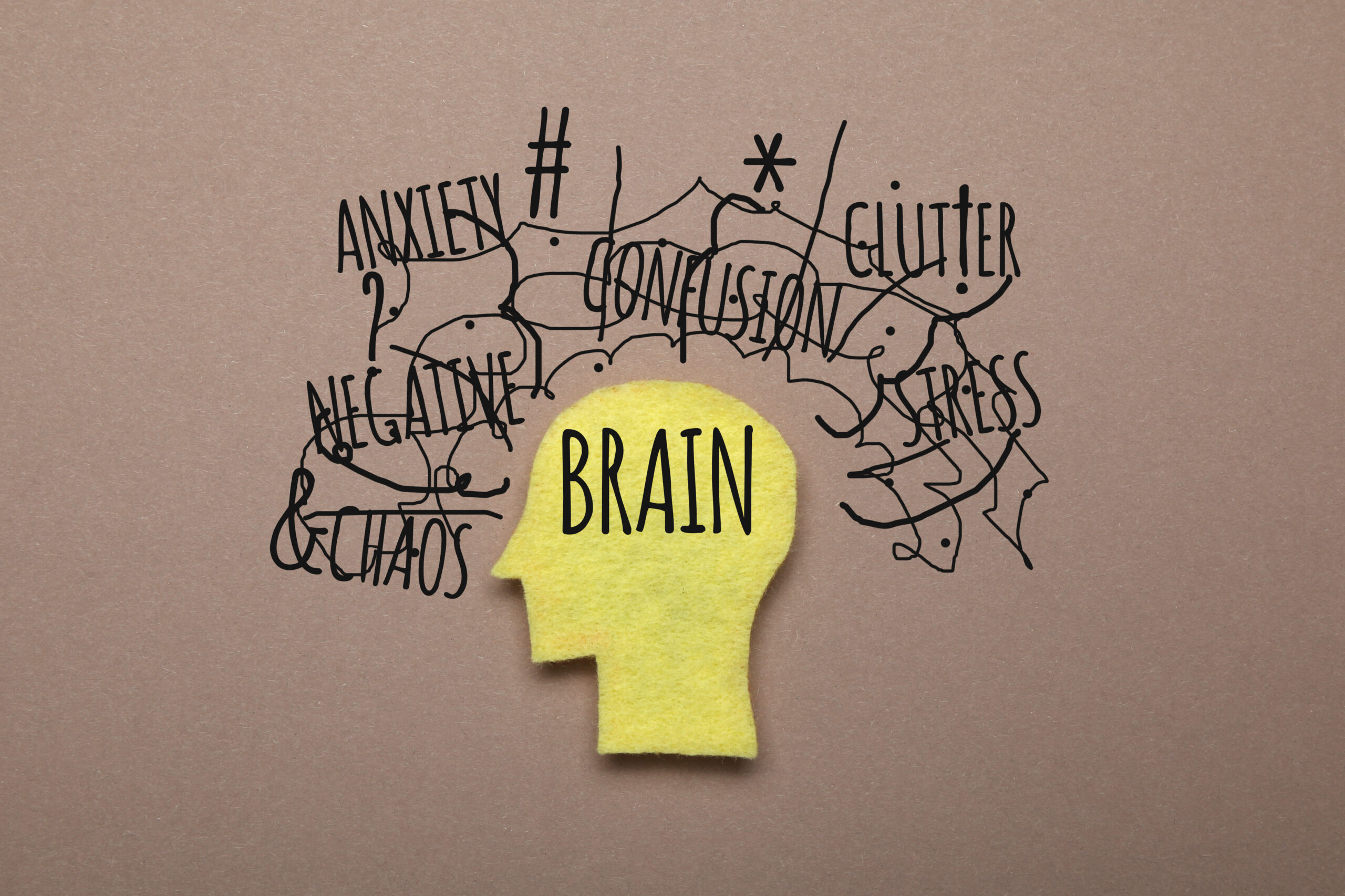

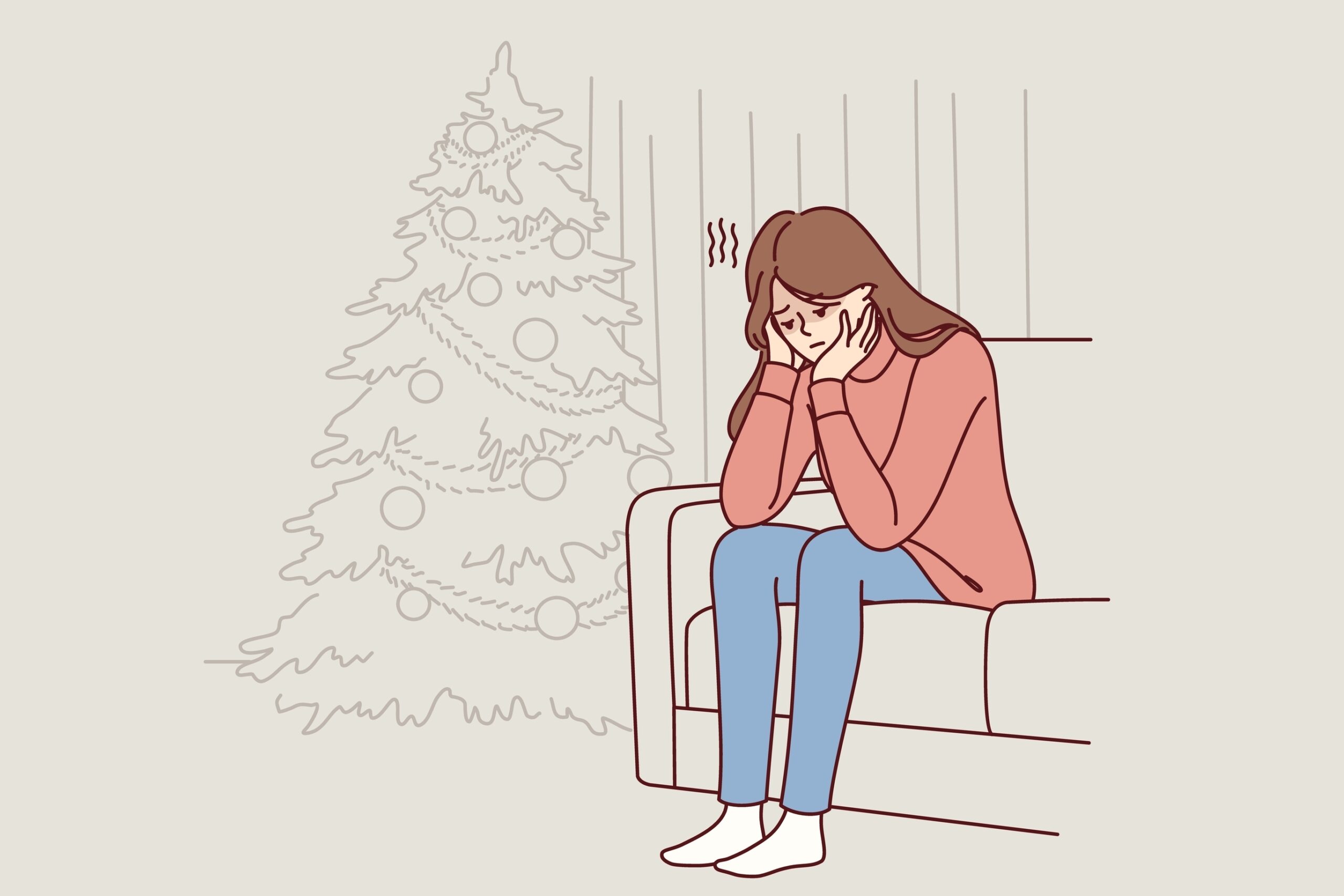

 As the holiday season approaches, images of festive cheer and family gatherings flood our minds. However, for teens and young adults grappling with anxiety, obsessive-compulsive disorder (OCD) or related challenges, this time can often amplify their struggles. The bustling environment, family dynamics, and the break from routine can trigger intense anxiety episodes. In this context, Mountain Valley Treatment Center emerges as a sanctuary, offering a therapeutic alternative to the traditional holiday experience. Here’s why spending the holidays at Mountain Valley can be a transformative experience for these young individuals.