

MOVING MOUNTAINS

Resources

Gratitude is Good for Mental Health: Three Ways to Practice This Season

The holiday season has a way of turning the volume up on everything—expectations, logistics, emotions, and the quiet pressure to somehow be joyful on command. Even Thanksgiving, a holiday built around gratitude, can feel complicated. For many young people, and many adults too, this stretch of the year stirs up anxiety, comparison, and old patterns that make “feeling grateful” seem like a tall order. And yet, one of the things we talk about every day at Mountain Valley is that small shifts matter. A tiny change in attention—one moment of noticing what’s going right instead of everything that feels heavy—can be the beginning of real movement.

The research is clear: intentionally practicing gratitude is good for both mental and physical health. It lowers the risk of depression. It boosts positive emotions. It helps with sleep, supports heart health, and increases overall life satisfaction. And despite how corny it can sound, especially to a teenager who’s been asked to “journal about gratitude” more times than they can count, the science keeps repeating the same message: it actually works. Not because it erases stress or eliminates anxiety, but because it gives the brain something steady and grounding to hold onto in the middle of it all.

What we see at Mountain Valley mirrors that research. For many residents, anxious thoughts take up so much space that gratitude feels out of reach—especially early in treatment. But with gentle structure, repetition, and a little willingness, gratitude becomes a way to interrupt the vicious circle of avoidance, rumination, and fear. It doesn’t have to be dramatic. It rarely is. It often starts with something as small as a shared laugh at lunch, a moment of courage during ERP, or a staff member meeting a resident exactly where they are. These micro-moments matter. They’re the footholds young people use to climb toward a life that feels more open, flexible, and grounded.

So how do you actually build gratitude—especially when you don’t feel it? Here are three simple, doable practices that work for the adolescents and emerging adults we serve, and for the adults who walk alongside them:

1. Write it down.
You don’t need a fancy journal or a beautifully written paragraph. Start a running list in your Notes app. One thing a day. Something real, not forced: the warmth of your bed, a funny moment from group, your dog, a good cup of tea, the quiet after lights out. On the hard days, return to the list. Let it remind you that your life contains more than whatever anxiety happens to be shouting in your ear.

2. Take a walk.
Movement helps shift anxious energy, and pairing it with intentional noticing makes it even more powerful. Whether it’s five minutes around the block or a long hike through the woods, bring your attention to small things that feel steady or pleasing: the way your feet move, the rhythm of your breath, the way light hits the trees, the music in your earbuds. Gratitude grows in motion.

3. Say thank you.
One of the quickest ways to increase gratitude is simply to express it. Text a friend, thank a staff member, acknowledge your parents, or tell a teacher or coach that something they did mattered. These moments of human connection, however brief, widen the emotional bandwidth that anxiety tries to narrow.

Here at Mountain Valley, volunteering is another gratitude practice we use intentionally. When residents serve the community, they experience both sides of appreciation—offering it and receiving it. It’s a powerful reminder that gratitude isn’t just a feeling; it’s an action that connects us to something bigger than our own worries.

Gratitude won’t fix everything, but it can soften the edges of a season that often feels overwhelming. With a bit of practice, it becomes a tool you can return to again and again—one that helps you notice what’s here, what’s working, and what’s worth holding onto in every season of life.
MOVING MOUNTAINS

Resources

Five Things Every Parent of an Anxious Child Should Consider Heading Into the School Year

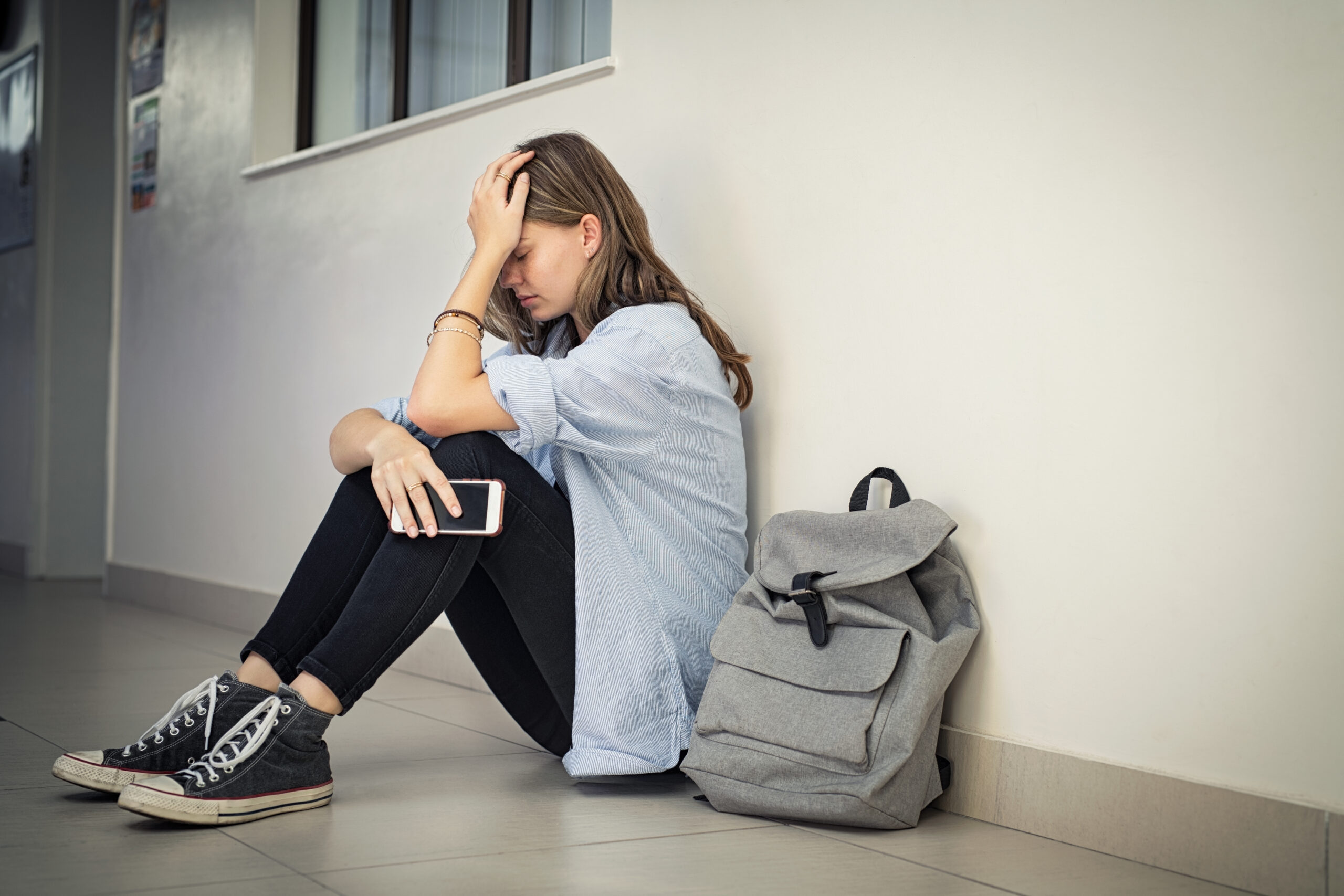
The start of a new school year can bring excitement, but for many children — especially those struggling with anxiety — it also brings a storm of worry and self-doubt. Parents often wonder: how much should I push, and how much should I protect? While there are no simple answers, there are guiding principles that can help families navigate the year ahead with steadiness and clarity.

Here are five key considerations for parents of anxious kids as school begins.


1. Normalize, but Don’t Accommodate Avoidance

Some level of anxiety at the start of school is completely natural. Where problems begin is when avoidance takes hold. Avoidance provides short-term relief but strengthens the vicious circle of anxiety, making future challenges harder. This cycle works by rewarding escape in the moment, which teaches the brain that avoidance is the safest option — and over time, the fear grows larger and the situations harder to face. For example, if a student skips class once because of anxiety, it feels like instant relief, but the next day returning to class feels even more overwhelming, making the avoidance harder to break.

Avoidance also interrupts the ability to participate in daily occupations like school, play, and friendships. The goal is to support children in gradually re-engaging rather than removing them from challenges. Parents can validate discomfort while still encouraging manageable steps forward.

Examples:
Presentation avoidance: Scaffold exposure — practice with a teacher, then a small group, then the class.
Nurse visits: Limit breaks, with the expectation of returning to class within a specific timeframe. 
School refusal: Resist defaulting to online schooling, which entrenches avoidance.
Homework: Break assignments into smaller parts instead of excusing them.


2. Set Structure Through Routines and Plans

Anxious kids thrive when life feels predictable — at home and at school. Consistent routines around sleep, wake-ups, meals, and homework reduce uncertainty, while proactive communication with teachers and counselors helps prevent last-minute crises. Transitions, especially from summer to school, are smoother when structure is introduced early.

Routines aren’t just about efficiency; they create a sense of safety and mastery across multiple environments. Predictable structure helps children conserve mental energy, freeing up space for learning, play, and social engagement.

Parents also play a powerful role in modeling regulation. If a parent stays calm when the bus is missed or when homework feels overwhelming, a child learns that stress can be managed without panic. When parents and schools coordinate expectations and backup plans, anxious kids experience greater consistency, which reduces uncertainty.

Examples:
Routine: Homework done at the same time and place each evening to eliminate nightly negotiations.
Modeling: Respond calmly to a missed bus or forgotten lunch.
Planning: “If she’s overwhelmed, she can take a five-minute break, then return — not skip the rest of the day.”


3. Look Beyond the School Day

Attendance doesn’t equal wellness. Some anxious kids grit their teeth and “white-knuckle” through the school day, only to retreat into isolation at home. Real progress shows up across multiple domains: family life, friendships, leisure, and play — not just classroom attendance. Functioning means engaging in a balance of daily occupations, not just enduring academics.

Connection is central. Kids need opportunities to belong, to laugh, and to participate in meaningful activities — whether it’s playing a sport, creating art, cooking with family, or spending time with friends. Leisure and play aren’t extras; they are essential therapeutic tools for regulating emotions, building skills, and counteracting stress.

Parents should also watch for subtle avoidance that signals anxiety is in control. Frequent nurse visits, perfectionistic meltdowns, or refusals disguised as illness often indicate that fear — not defiance — is driving behavior. Looking beyond attendance helps parents and schools measure whether a child is truly engaging in life, not just getting through the day.

Examples:
White-knuckling: A child attends school but spends every afternoon isolated online.
Extracurriculars: Avoidance of all non-school activities is still avoidance.
Red flags: Morning “illnesses,” repeated nurse visits, or disproportionate stress over assignments.


4. Guard Against Comparison and Social Media

School has always been a breeding ground for comparison — grades, sports, popularity, appearance. Today, social media magnifies every insecurity, offering kids a 24/7 scoreboard of who’s prettier, smarter, more athletic, or more “liked.” For an anxious child, this constant measuring can be crushing. As the old saying goes: “comparison is the thief of joy.”

Children need space to build a strong sense of self through meaningful activities, leisure, and authentic connections — not through relentless comparison. Parents play a critical role here. Kids don’t need to be measured against siblings, peers, their parents’ childhood selves, or even their own former abilities. For anxious kids, who are already their own toughest critics, comparison only deepens shame and erodes confidence.

Instead, parents who highlight individual progress — whether that’s raising a hand once in class, walking through the school doors after a hard morning, or choosing to join a friend for an activity — help their children recognize growth on their own terms. These moments of authentic achievement, however small, are the antidote to comparison.

Examples:
Sibling or peer comparisons: Avoid comments like “your sister never struggled with this” or measuring your child against classmates.
Self-comparisons: Refrain from “When I was your age…” — the world your child is navigating is different from yours.
Comparisons to their former self: Avoid saying “you used to be able to do this,” which often lands as failure and pressure when a child is already vulnerable.


5. Recognize and Manage Your Own Anxiety as a Parent

Perhaps the hardest — and most powerful — part of supporting an anxious child is managing your own worry. Children absorb parental anxiety like sponges. A parent who rescues too quickly or models panic reinforces the message that the child can’t handle discomfort.

Parents can use the same principles we ask of kids: regulate emotions, lean into support, and find balance through healthy routines. Modeling calm confidence, holding firm but compassionate boundaries, and celebrating small wins show kids that growth comes from tolerating discomfort, not avoiding it.

Examples:
Over-accommodation: Calling to excuse a child from gym every time they feel nervous.
Modeling: Owning mistakes calmly teaches resilience better than preventing all discomfort.
Self-talk: “It’s okay if my child is uncomfortable — that’s how they grow.”
Wins: Recognize showing-up behaviors: attending one class, raising a hand, or staying through a difficult day.


Moving Forward with Support

Parenting an anxious child can feel exhausting, especially during the back-to-school season. You may find yourself torn between wanting to protect your child and knowing they need to face challenges to grow. The good news is you don’t have to figure it all out alone.

Lean on your resources. Talk with teachers and school counselors, reach out to therapists, and don’t hesitate to ask for extra help when your child’s struggles feel bigger than what you can manage on your own. Asking for help is not failure — it’s part of showing your child that strength comes from connection.

Remember, the goal isn’t to erase anxiety. It’s to help your child take one step at a time, supported by the right people and strategies, and to celebrate progress — however small — along the way.