MOVING MOUNTAINS

Resources

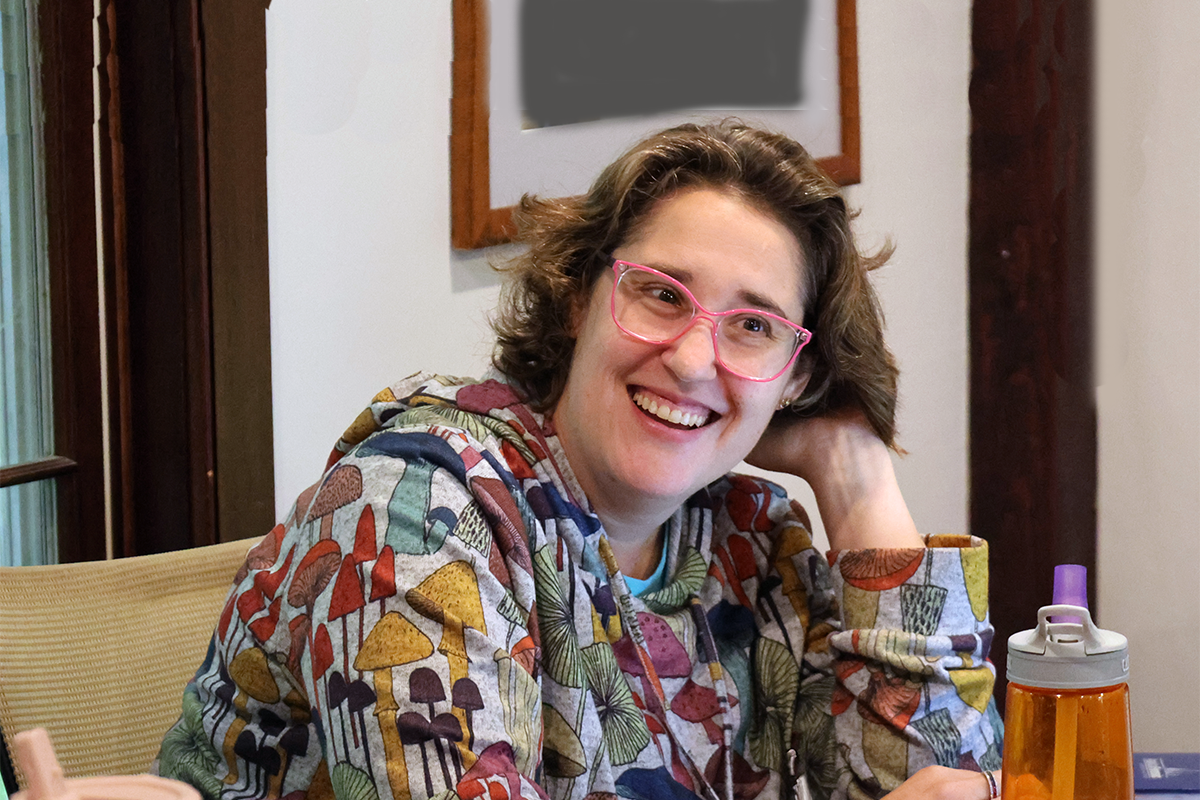
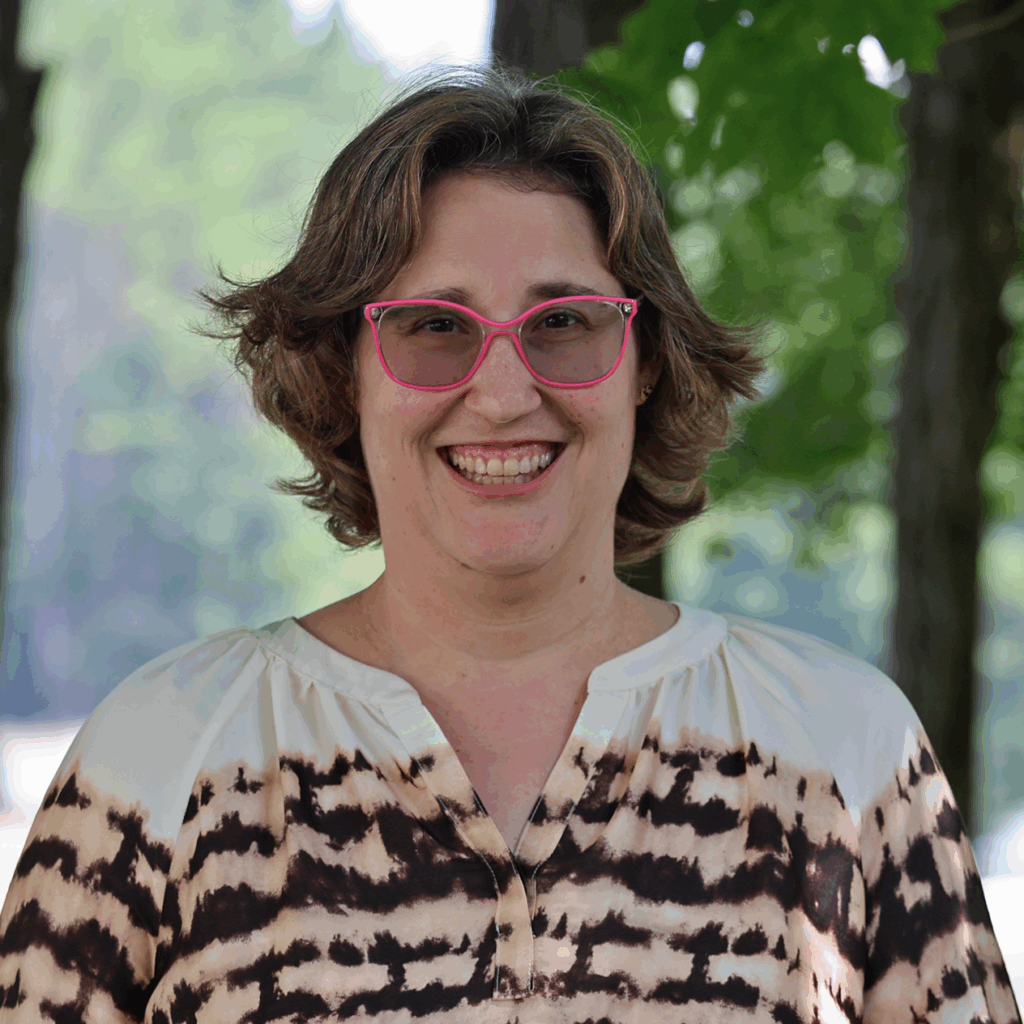
Staff Spotlight: Antoinette Moody

Turning Anxiety into Mindful Work 

Long Island, New York and Vermont could practically be on different planets. For Antoinette Moody, the switch from the non-stop action of the city to the calm of the country was exactly what she wanted. Mountain Valley’s senior clinician is used to intensity—she previously worked in a prison and community mental health—and she finds her current work to be the most rewarding.

Tell us about your background?

“I am originally from Long Island, and growing up there was a lot, it was kind of a pressure cooker. It was a pressure cooker because there were so many kids, I graduated with like 1,200 in my class. You had to be the best at something to be acknowledged. And you definitely don’t know everyone, you’re going to school with strangers.

As I got older, I realized I really didn’t like the city life anymore, so I went to Castleton State College in Vermont for undergrad. I did my master’s degree back in the city at Adelphi University, but I left again for Vermont in 2011 and have been here ever since.

I like the slower pace of things, though at first to be honest, it really annoyed me. I thought people were too slow, but I like the mindfulness of it all, and it causes me less anxiety. I was always interested in raising a family where it was homier feeling.”

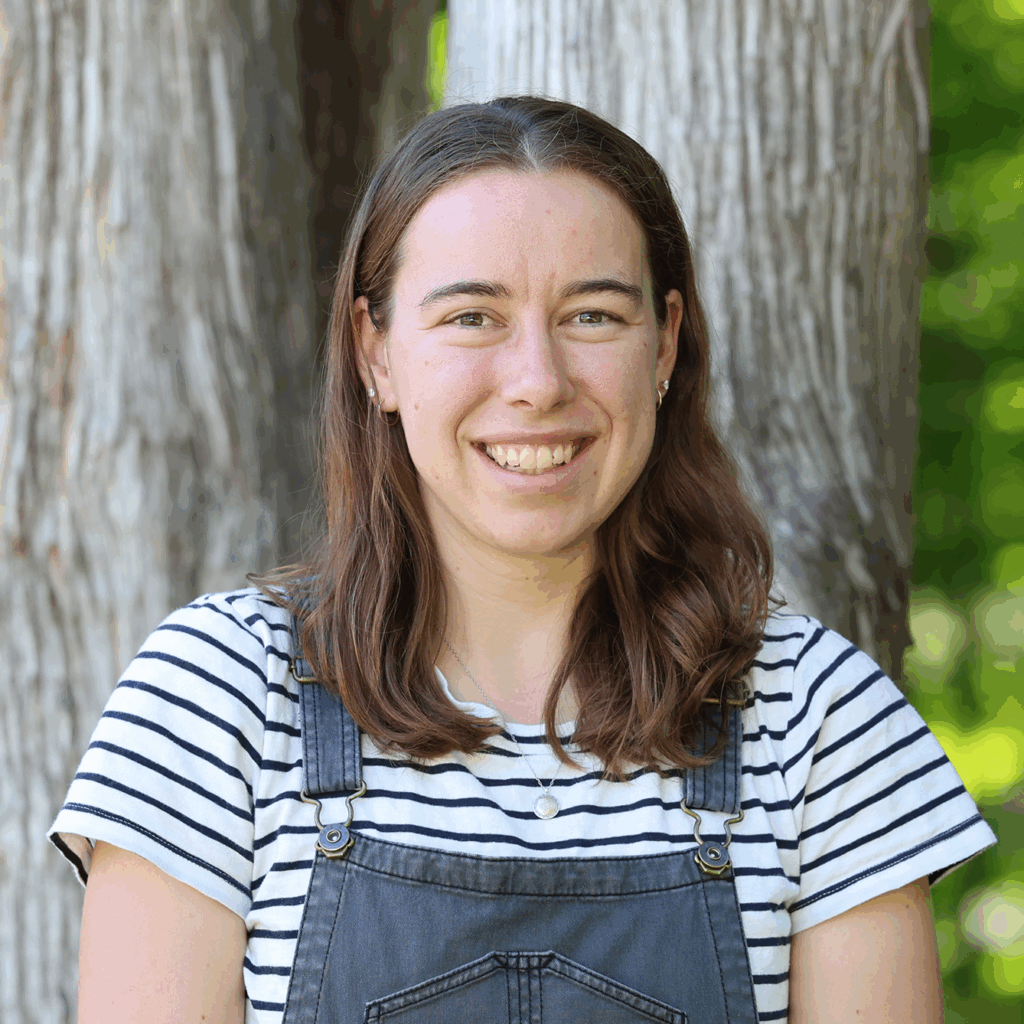
Antoinette Moody

What made you interested in becoming a therapist?

“I certainly was a very anxious kid—I was always worried about change and what we were doing. When things were moving so fast it felt unmanageable. My dad also died when I was a teen and that early trauma caused me to want to be a therapist and support others in similar situations.

I wanted to understand what made people do the things that they did. Today I understand that it’s nature and nurture, some people are born wired up a little differently. You throw on some trauma and invalidation, and it can make a neurotic individual.”

Where did you work before you came to MV and how did it prepare you for the work you do today?

“Right out of grad school I took a job working in a prison with sex offenders. That was something else. We did a lot of Cognitive Behavioral Therapy to try and help people not re-offend, and I worked with people who had moderate risk. I did enjoy the work, but I didn’t like working in a prison.

After that I worked in community mental health for about seven years. I was the team leader for the therapy team. We worked with people with borderline personality disorder and trauma, and I personally managed a lot of clients. That job got to be a lot, so I moved to Dartmouth Health and worked in the inpatient psych unit as a therapist before taking the job at Mountain Valley.

I learned a lot, especially about dialectics. In community mental health I primarily used Dialectical Behavior Therapy, and it gave me a good foundation. I love a good coping skill. My work spanned people who had hurt others to the people who were really hurt. But it was hard to work with severe and persistent mental illness and not see clients get better.

I wanted to make an earlier impact and that’s what drove me to Mountain Valley. I thought it would be interesting to work with adolescents while the brain is still developing. Could therapy make a difference? In fact, we do make a significant different, so that’s amazing.”

How do you feel about your current work at MV?

“This is the most rewarding job I’ve had and it’s also the hardest. The hardest part is that OCD at face value doesn’t make any sense, but it’s so debilitating. It’s hard to see young and vibrant people be so eaten up from their OCD. Our work is to try and unhook them from what’s keeping them safe, and we have to go very slowly. It’s very emotional.

The most rewarding part is making an impact on someone’s life early enough, then getting to see them live a beautiful life. Some of my clients still stay in touch with me and it’s incredible to get their updates.”

Do you have any examples of particularly rewarding work with residents?

“When I first started at Mountain Valley, I worked with a young woman with social anxiety and OCD. She would lie as a compulsion because she had a fear of being judged. If she never showed her true self and lied, then everyone judging her wouldn’t be judging her true self. During one session, she told me some of the lies she engaged in, and I remember she was so ashamed and down on herself about it. I wasn’t judging her at all though—I thought it made sense, and I felt it so deeply.

After that session she started to do the exposure work of being her true self in the community. She was able to play violin at her graduation as a last exposure. Up to that point she hadn’t played because she was afraid of people’s judgment. There’s something powerful about someone telling you, ‘I’ve never been my true self,’ and then you get to see the side that no one else has seen. It’s incredibly rewarding.”

You’re also a parent now, what is that like?

“It’s the hardest thing I’ve ever done—look at me doing exposures! I try to practice what I preach in all my years of working as a therapist. Now that I’m a mom, there’s no choice. I have to sit in that chronic uncertainty, and I try to remember the coaching I do with my clients.

It’s also kind of cool because it’s helped me tap into slowing down even more. There’s such a mindfulness. I know I’m only going to have one child, and I don’t want to miss a thing. I like being able to see the world through my son’s eyes. When I was growing up, I didn’t get to be a child for very long, and now I’m able to have that experience again”

MOVING MOUNTAINS

Resources

Staff Spotlight: TJ Baumann

Adventure Is Out There 

TJ Baumann is the Milieu Support Specialist at Mountain Valley, and uses his extensive background in adventure sports and education to help residents develop individually and in community. After years of travel and work across the country, TJ has made a home for himself and his family in New Hampshire. His passion for teaching led him to recently complete a master’s degree in child and adolescent developmental psychology at the University of Southern New Hampshire.

Tell us about your background?

I grew up in New Jersey. I wasn’t allowed in the house when I was a kid because I was a little rambunctious (laughter). I struggled in school because I would do what I was told, but it was never stimulating enough for me to lean in and lock in. I was smart but I didn’t really care. But I ended up making it through high school and spent the next 12 years living a bit of a vagrant lifestyle. I taught hang gliding and skiing all over the country, and I opened my own hang gliding school at one point in Utah. This is going to sound corny, but it taught me how to live. Growing up I was a kid who did what he was told but was never happy with the baseline of other people.

Through this process I had some great mentors who taught me a lot—how to care for myself and others in a healthier way. To take care of myself and use my strange gifts and the odd aspects of my personality for the benefit of others. I had one co-worker, Matt Paulson, who I taught with. His big thing was, “It’s not about you. You’re not the most important factor in this equation. Your role is more to facilitate than be a central figure.” Matt tragically passed away many years ago after a battle with mental health issues, but his message has always stuck with me.

How did you end up at Mountain Valley?

 I ended up back in New Hampshire to get my bachelor’s degree in adventure education at Plymouth State University. I took a job at Mount Prospect Academy—when I started the job, my son had been born two weeks before and I had never done mental health work. I had worked with some challenging individuals, but never to the extent of the kids there with trauma and intense behavioral issues.

I went for it, but it ended up being too much for me. The combination of a new baby at home and a challenging group of kids was not great. When I told my boss I couldn’t do it anymore, they told me there was another company where the clientele was a bit less intense. They referred me to Mountain Valley, and I ended up starting as a residential counselor in June 2018. It clicked because I found a lot of kids who were like my friend Matt. They struggled with similar things, and I realized I could help them and make a difference in their lives.

In 2019 I got a teaching job in Laconia and worked there for about four years. During that time, my wife and I had another child and I also decided to pursue a master’s degree in child and adolescent developmental psychology. Mountain Valley recruited me back and now I’m the milieu support specialist, with a focus on adventure and community development. I also enjoy mentoring and staff training.

Why did you decide to pursue a master’s degree?

Teaching has been a passion of mine for pretty much my whole life. I had my first teaching job in gymnastics when I was 16, and my jobs have had an instruction component ever since. The master’s degree helped me codify my understanding of how people learn and how learning functions. When I was teaching in the private school, I decided I wanted to better understand how kids develop. I have a strong passion for adventure and experiential education and feel like it’s something lacking in our current system. I’d like to expand the reach of that form of education as much as I can.

During my master’s degree program, I taught briefly as a lecturer and loved it. I love drilling down to the deepest reaches of a topic. I enjoy having the deep discussion and the process of discovery—I learn a lot through that process myself. My goal is to teach in a university system again eventually.

What’s most rewarding about working at Mountain Valley?

I love grad days, because it shows how the residents have grown so immensely. I can think of a couple examples of where I’m sitting there on grad day and thinking about the day the resident showed up, and it’s crazy to me the change they’ve made. It’s very rewarding to see the rectification that happens between parents and kids, especially since I’m a dad. Watching parents come to terms with what happened and re-engage with their kids in a healthier way is very meaningful.

Can you give us some examples of resident success stories?

 Three come to mind. One young woman had anxiety and OCD wrapped up in her self worth. She focused constantly on whether she was good or bad, what kind of person she was. The growth that she experienced throughout her time at MV allowed her to finally look in a mirror and say “yeah, that’s me.” She stopped trying to quantify every little action and realized “I am a person, and here I am.” That was huge for me and an immense change for her

We had another young woman with pretty intense autism spectrum disorder and anxiety tied in. She just couldn’t be flexible due to that. But at the end of her time at MV, she could say ‘”Yeah, this has to change in the next 30 seconds without warning,” and then reflect “That was really hard, and it also wasn’t the end of my day, I can improve it from here.” We had a great relationship, and it meant a lot to me when she graduated. It wasn’t easy but it was worth it—she took the help and got it done.

Finally, we had a young man who was so wrapped up in making everything perfect. His OCD was all about having everything just right. If a social interaction didn’t go well, that was the end of the world, because he craved social time above anything else. I heard from him after he graduated, and he was getting ready to lead a group trip and teach about foraging for mushrooms. The community he’s developed sounded like a good fit and what he needed.

What’s the best part about being a dad?

Honestly for me it’s the little stuff. I woke up this morning, the kids jumped in bed with me, and they were stoked to hang out since I didn’t have to jet off to work first thing. It’s restorative to be present with them. When we don’t have to rush to get out the door, it’s nice to take 10 minutes and talk to them about their day and the cool things we’re planning to do this weekend.

MOVING MOUNTAINS

Resources

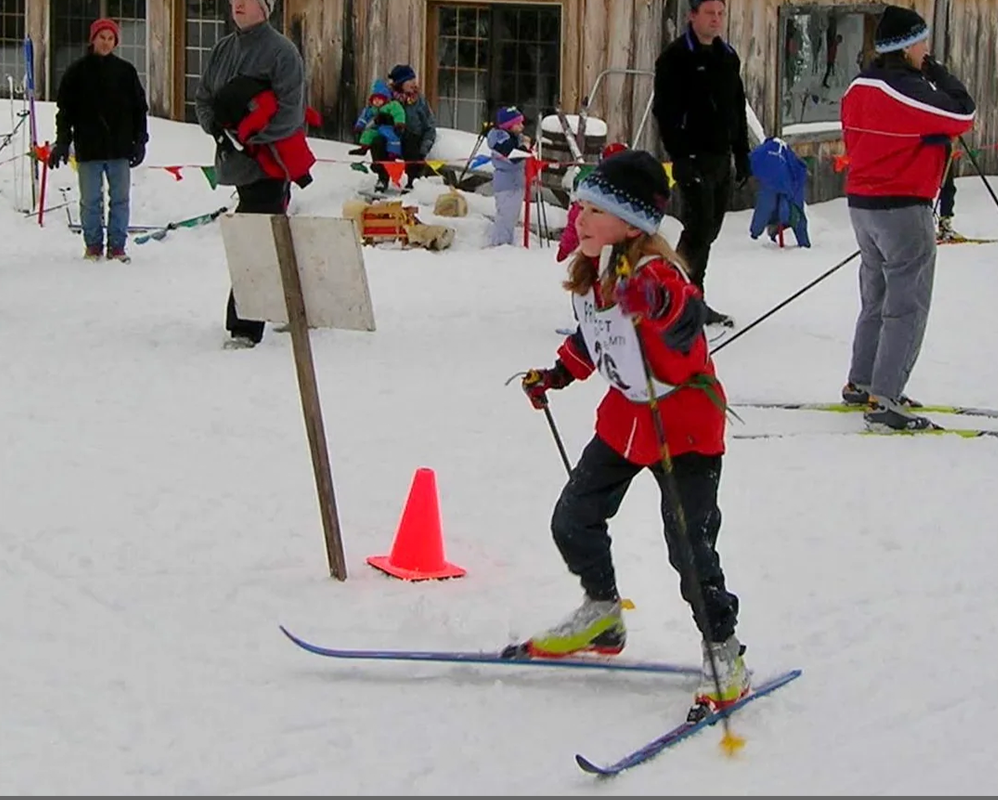
Alumni Spotlight: John Wyetzner

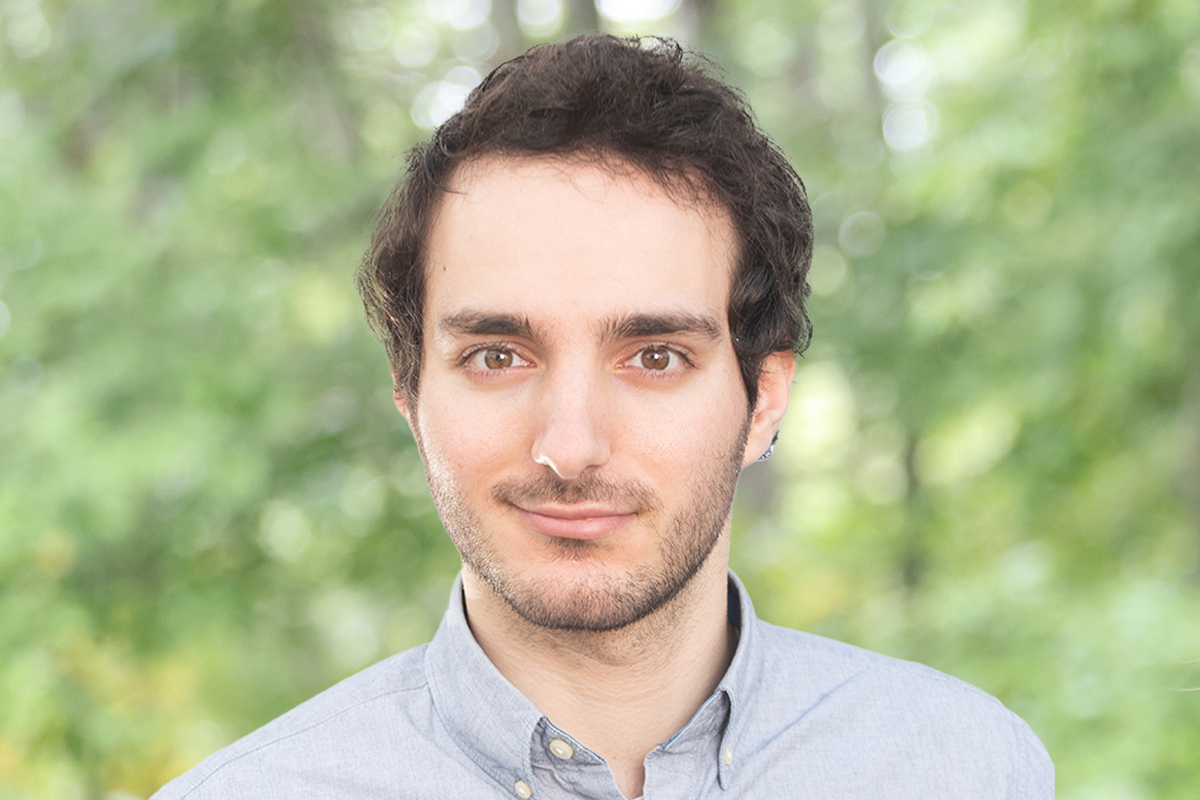
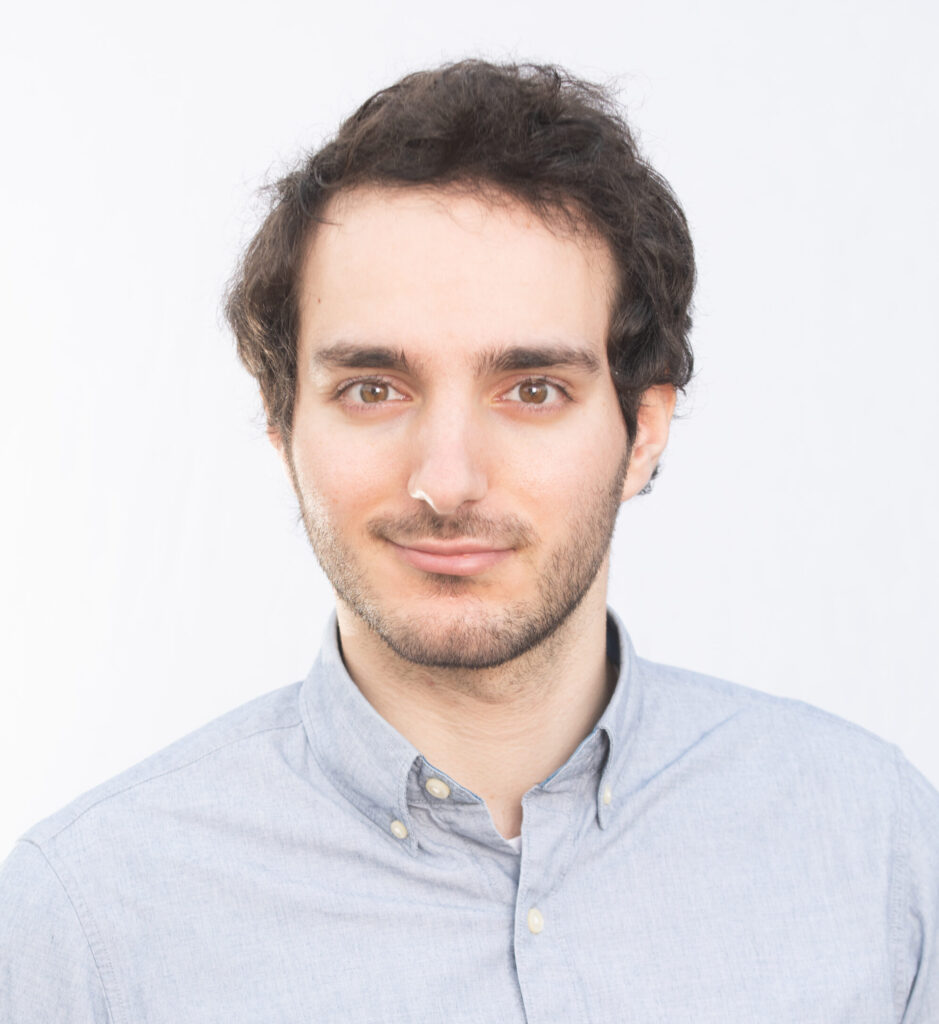
Can anxiety serve as a compass? If you’ve had the Mountain Valley experience, it can. John Wyetzner, LCSW, felt paralyzed by anxious thoughts, but his short time at MV was transformative. Today he’s accumulating expertise as a therapist specializing in OCD treatment, engaged to be married, and using fear as a motivator to make—not avoid—decisions.

John Wyetzner

Tell us about your background and how you came to Mountain Valley?

I grew up in Manhattan in New York City. I had anxiety from an early age, just in general. But as I got older it steadily got worse, never to the point where I couldn’t function, but just a constant part of my life. Eventually I couldn’t go to school. I woke up one morning and it felt too hard to do. That happened for almost a month, waking up, feeling super anxious, and not being able to attend school. I felt depressed and I didn’t know why I couldn’t push through it. It became a cycle—it went on for so long that it felt like it would be super weird for me to return, and it just compounded.

I had been in therapy, mostly talk with some CBT and ERP, but nothing super intense. At that point, it was clearly not enough, and I needed a higher level of care. It was 2012 and my parents found Mountain Valley, which was still a new program. It took a lot of convincing for me to go, because I didn’t think it would help. Eventually I realized I had nothing else going on and I should give it a try.

I remember the night we drove up, and I was terrified. But the next day I looked around, and it felt welcoming and warm, which was a new experience for me. I decided to try it out. It was my first time being around other people who had anxiety and felt comfortable talking about it. It was very reassuring to me to not have to hide it.

What was your biggest fear and how did you work through it?

I really worried about being anxious in front of others in public and not feeling like I had a safe place to retreat. My anxiety was often somatic, and it would show up as nausea. I would throw up sometimes and that made me feel very anxious. A lot of my exposure work centered around having a stomachache and what it would feel like to throw up. We also did a lot of social exposures, which included talking to new people and strangers.

Once I was there, I felt super motivated to put in the work. I turned the corner because I was around people who made me feel comfortable with vulnerability. I spent most of my time with eight other residents, which was certainly a big change from the city but also comforting. It was also helpful for me to get outside and get fresh air, even though I attended during the winter, it was good to just walk around campus to the different buildings.

What did life look like after Mountain Valley?

The plan was for me to return home and go back to school, but we decided that therapeutic boarding school would be a better fit. I managed my anxiety and was able to go to college after that. Since mental health had been such a big part of my life, I decided to major in social work. College went well and I didn’t have any big concerns, which was a nice change. After college, I went on to graduate school and got my MSW so I could work as a therapist.

How did you end up in your current practice setting?

Based on my own experience, I knew I wanted to specialize in OCD work. After a few years I got my higher-level license, and I wanted to move back to the city. I found the Child Mind Institute, and it was a perfect fit. We do a lot of outpatient sessions, parent work, and collaborating with other clinicians and schools. We also run an OCD intensive program.

I think I understand the issues well because I’ve been through them myself. It helps me understand my clients’ mindset and connect with them. If sharing my story feels appropriate, I’m happy to do that and talk about how I went through a similar journey but came out on the other side.

I think our exposure work is powerful because OCD is the disease of doubt. You get so stuck in your head problem solving that you’re on a mental treadmill. Exposure gets you out of that headspace by challenging you to test your thoughts. Once you do that, you see that what you thought would happen is often wrong and that OCD is lying to you.

Tell us about a success story you’ve had with a client?

One of my clients had OCD centered on perfectionism, especially getting good grades. She had a hard time turning in work if it wasn’t perfect, and she would catastrophize. We spent a lot of time talking about her feared outcomes and how they felt bad, but we didn’t know that they would happen for sure. And if they did happen, maybe they wouldn’t be as bad as she thought. For an exposure I gave her a short, timed writing assignment. She didn’t like doing it, but it was helpful. She saw that she could make a mistake and that it was still okay—she didn’t have to listen to that part of her brain.

How has your life changed since you attended Mountain Valley?

My time at MV heavily influenced who I am today. In my career, I want to continue helping clients and the public better understand OCD. The media and society tend to misrepresent it as simply a hyperfocus on cleanliness or symmetry. It’s so much more complicated than that, so let’s normalize the other ways it presents.

I got engaged recently which has been great, I’m starting to think about our future together. It’s exciting and nerve-wracking. But I’m so much better equipped to deal with my anxiety today. When I notice I feel anxious about something, like attending a party, that feeling tells me I should do it and that it will be a good exposure for me. It’s a good compass for me, even though I don’t always enjoy pushing through. But 95% of the time, it turns out better than I expected. Once I show up that anxiety almost always goes away.